

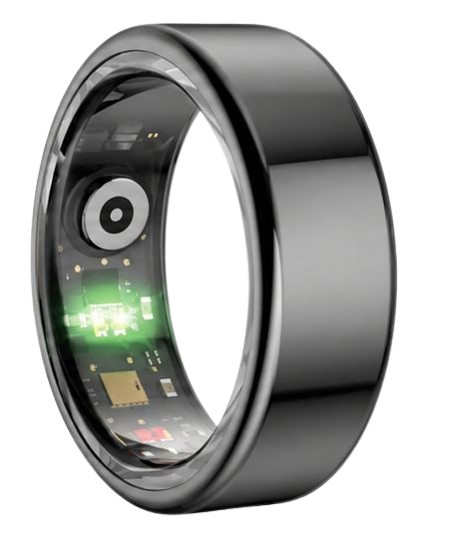
Managing type 2 diabetes means questioning every drink, which is why asking is-whiskey-okay-for-diabetics is a critical step toward protecting your long-term health. While distilled spirits have zero carbs, their physiological impact on your liver and overnight recovery is highly complex. The premium Herz P1 smart ring helps you monitor how your body reacts to these overnight shifts by tracking precise cardiovascular recovery markers.
Built to Last. Save Up to 69% Today.
The Herz P1 Smart Ring tracks HRV, Sleep, Heart Rate & SpO2 around the clock. No subscriptions. No renewals. Ever.
In This Article
- Is Whiskey Safe? The comprehensive 5W2H biological reality of alcohol on glucose.
- The Nighttime Window: How spirits alter your hepatic function and sleep architecture.
- Preventing Hypoglycemia: Practical tools and metrics to safely track your recovery.
- Biometric Monitoring: Using the Herz P1 Smart Ring to decode your heart rate and sleep variables.
Is Whiskey Okay for Diabetics? The 5W2H Blood Sugar Reality
Understanding whether is whiskey okay for diabetics requires looking closely at how distilled spirits interact with human biology.
To evaluate this safely, we must explore the question through the clinical 5W2H framework.
What is the relationship between whiskey and your glucose?
Straight whiskey has a zero rating on the whiskey glycemic index because it contains zero carbohydrates.
This means that under normal circumstances, clean whiskey will not directly raise your blood sugar.
However, the ethanol within the spirit immediately changes how your liver regulates glucose circulation.
Who should exercise extreme caution when consuming whiskey?
Individuals diagnosed with type 1 or type 2 diabetes who take insulin or insulin secretagogues are at the highest risk.
If you take these medications, your body cannot easily correct a sudden drop in glucose caused by alcohol.
Those working to optimize their baseline what is metabolic health should also monitor how spirits affect insulin sensitivity.
When does whiskey present the most significant metabolic hazard?
Drinking whiskey on an empty stomach or late at night creates a dangerous window for metabolic instability.
The risk of severe hypoglycemia peaks several hours after your last drink, often while you are asleep.
This delay happens because your body continues clearing ethanol long after the initial buzz fades.
Where does this physiological struggle take place?
The primary site of conflict is your liver, which is responsible for storing and releasing glucose.
When ethanol enters the bloodstream, your liver treats it as a toxin and halts all glucose production to process it.
This temporary shutdown leaves your bloodstream vulnerable to dropping sugar levels, especially if external glucose is low.
Why does whiskey cause your blood sugar to drop rather than rise?
Because the liver stops gluconeogenesis, your natural safety net against falling blood sugar is temporarily disabled.
While you might ask does whiskey raise blood sugar, the clinical reality is that ethanol blocks glycogen release.
This block makes your circulating insulin work more intensely, pulling existing sugar down without replenishment.
How does this biochemical pathway function over time?
The metabolism of one standard serving of whiskey takes approximately one to one and a half hours.
During this period, cellular energy production shifts entirely toward processing toxic acetaldehyde.
Your insulin receptors may temporarily become more sensitive, dragging glucose down further.
How much whiskey can be consumed safely without causing a metabolic crisis?
Clinical guidelines generally suggest limiting intake to one standard drink per day for women, and two for men.
One standard drink equals precisely 1.5 fluid ounces of 80-proof distilled whiskey.
Exceeding these thresholds dramatically increases your risk of delayed metabolic complications.
To understand the complete picture, read our comprehensive is-whiskey-okay-for-diabetics-guide for a deeper biological breakdown.
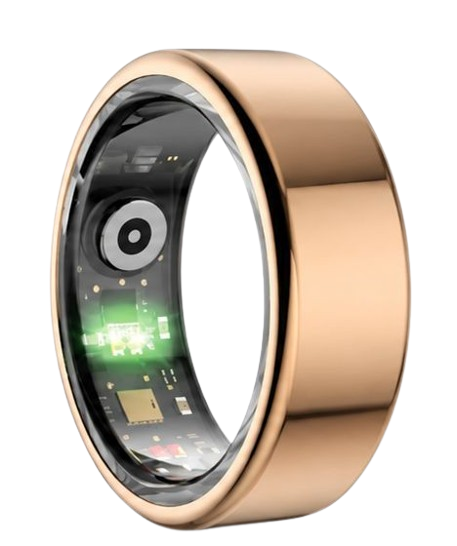
If you want to track how your metabolic systems respond in real time, the Herz P1 Smart Ring monitors these cardiovascular recovery patterns 24/7 — explore it here.

90-Day 100% Money-Back Guarantee
“The Herz Smart Ring helps me manage stress easily. It’s accurate, stylish, and lightweight—perfect for my busy life!”
— Jennifer P. | ✔ Verified Customer
- ✓ 6-Day Battery Life
- ✓ Detailed Sleep Analysis
- ✓ Fast 1-Hour Charging
- ✓ iOS & Android Ready
Questions? Call: 1-866-479-1629
The Physiology of Whiskey and Blood Sugar Dynamics at Night
Drinking distilled spirits before bed initiates a chain reaction that directly impacts your sleep architecture and glucose levels.
The primary concern during sleep is the occurrence of silent, delayed hypoglycemic events.
When the liver is busy filtering alcohol, it cannot respond to natural drops in blood sugar.
This can lead to severe nocturnal hypoglycemia, a condition where sugar levels plunge dangerously low during deep sleep.
Your body interprets this sudden glucose drop as an emergency, releasing stress hormones like cortisol and adrenaline.
These hormones wake you up, but they also trigger a sudden rebound effect known as reactive hyperglycemia.
To understand these nighttime shifts, you can read our guide on overnight-glucose-spikes to see how the body recovers.
This metabolic struggle completely disrupts your normal sleep cycles.
According to the National Sleep Foundation, alcohol directly reduces REM and deep sleep, leaving you feeling exhausted.
The American Heart Association also notes that overnight alcohol processing raises your resting heart rate and lowers Heart Rate Variability (HRV).
By wearing the Herz P1 Smart Ring, you can observe these exact physiological stressors on your personal dashboard.
The Herz P1 uses multispectral optical sensors to capture continuous HRV and heart rate data while you sleep.
A sudden drop in your nightly HRV score is a clear indicator that your autonomic nervous system is struggling to process evening spirits.
This precise biometric tracking allows you to make informed decisions about your evening habits.

Decoupling Overnight Glucose Spikes from Alcohol Clearance
The metabolic impact of whiskey on your cardiovascular system extends far beyond your liver.
As ethanol is cleared from your system, your sympathetic nervous system experiences a distinct rebound effect.
This clearance phase often causes a sudden rise in body temperature and heart rate during the second half of the night.
For individuals with compromised insulin sensitivity, this stress response can trigger sudden glucose releases once the liver resumes function.
This means your morning blood sugar readings may be elevated, even though the whiskey itself contained no sugar.
Understanding these patterns is essential for maintaining strong baseline what is metabolic health.
By analyzing your overnight recovery trends, you can assess how well your body handles metabolic stress.
To build a more resilient system, you can explore the principles of metabolic fitness to optimize your daily habits.
The Herz P1 Smart Ring acts as an early warning system by monitoring these delicate overnight shifts.
It tracks subtle changes in skin temperature, resting heart rate, and oxygen saturation (SpO2) every five minutes.
If your blood oxygen levels drop or your temperature spikes after drinking, the app logs these deviations instantly.
This data helps you identify exactly how much alcohol is too much for your cardiovascular recovery.
Instead of guessing why you woke up tired, you have clear, objective biometric proof.
This continuous monitoring empowers you to protect your heart and metabolic health simultaneously.

Practical Guide: Safe Drinking Protocols and Biometric Tracking
If you choose to enjoy whiskey, implementing specific safety protocols can protect you from dangerous blood sugar drops.
First, never consume distilled spirits on an empty stomach.
Always pair your drink with a meal containing complex carbohydrates and healthy fats.
These macronutrients slow the absorption of alcohol, giving your liver a more manageable processing rate.
Second, pay close attention to your choice of mixers.
Sugary mixers like cola, ginger ale, or sweet vermouth will cause rapid, dangerous spikes in your whiskey blood sugar levels.
Opt instead for water, club soda, or neat pours to avoid hidden carbohydrates entirely.
For comparison, you can read our guide on tequila carbs and blood sugar to see how other distilled spirits compare.
Third, establish a strict cutoff window at least three hours before going to sleep.
This gap allows your body to clear a significant portion of the alcohol before your metabolic rate slows down for sleep.
During this time, hydrate actively by drinking one glass of water for every serving of alcohol.
Fourth, use your Herz P1 Smart Ring to analyze the quality of your recovery the following morning.
Check your Sleep Score, resting heart rate, and HRV trends inside the free companion app.
If your sleep quality dropped significantly, use that information to adjust your consumption patterns next time.
The military-grade steel ring is incredibly lightweight and comfortable, making it easy to wear all night long.
This seamless 24/7 wear ensures you never miss a single biometric datapoint.
Avoiding Pitfalls: Wearable Inaccuracies and Hidden Subscription Fees
Many health-conscious individuals try to track their sleep and recovery using bulky, heavy smartwatches.
However, these large devices frequently shift during sleep, causing optical sensors to lose contact with your skin.
This movement results in highly inaccurate readings for heart rate, SpO2, and HRV.
A smart ring provides a much tighter, more stable fit at the base of your finger where blood vessels are close to the surface.
For those looking to monitor their health trends, glucose smart rings and biometric rings offer a sleek, comfortable alternative.
Another common frustration with popular wearable brands is the burden of ongoing monthly subscription fees.
Paying a monthly fee just to access your own physiological data is a costly, inconvenient requirement.
The Herz P1 Smart Ring completely eliminates this problem by offering a free companion app for lifetime use.
There are no hidden paywalls, no monthly renewals, and no unexpected fees.
Additionally, Herz P1 protects your investment with a comprehensive 2-year warranty and a 90-day money-back guarantee.
This means you can track your health with absolute confidence and zero ongoing financial stress.
Frequently Asked Questions About Blood Sugar and Biometrics
Is the Herz P1 Smart Ring fully waterproof?
Yes, the Herz P1 is fully IP68 waterproof, allowing you to submerge it up to 164 feet deep.
You can wear it safely while washing your hands, showering, swimming, or relaxing in a hot tub.
The durable construction ensures that water exposure will never disrupt your biometric tracking.
How long does the Herz P1 battery last on a single charge?
The ring features an impressive 6-day battery life under normal 24/7 tracking conditions.
When the battery runs low, it charges completely in under 1 hour using the included magnetic charger.
This rapid charging minimizes tracking gaps, allowing you to monitor your health continuously.
Which finger is the best option for wearing the smart ring?
The index finger of your non-dominant hand typically provides the most accurate and consistent readings.
The middle finger is also an excellent option if you prefer a different fit.
Ensure the ring fits snugly but comfortably without spinning too loosely around your knuckle.
Does the Herz P1 store my biometric data when my phone is offline?
Yes, the ring has secure built-in local storage that holds up to 7 days of health data offline.
Once your phone reconnects via Bluetooth, the app automatically syncs and logs all historical data.
You can easily travel, exercise, or sleep without keeping your phone nearby at all times.
Can the Herz P1 directly measure my blood glucose levels?
The Herz P1 does not directly measure blood glucose because it does not pierce the skin.
Instead, it tracks the cardiovascular and physiological responses caused by blood sugar changes.
By observing variations in HRV, heart rate, and sleep stages, you can identify how your habits affect your body.
Conclusion
Monitoring your metabolic and cardiovascular metrics is the most reliable way to stay safe while enjoying occasional spirits.
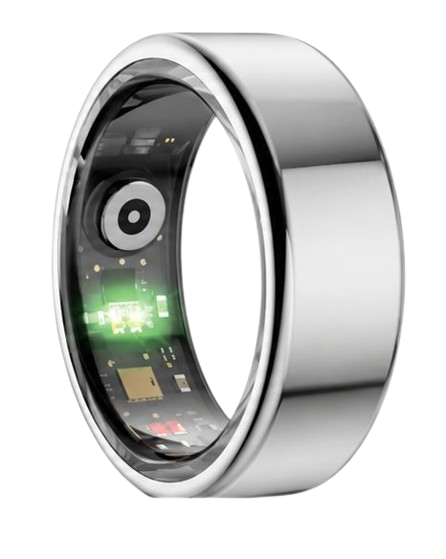
The Herz P1 Smart Ring acts as your dedicated, subscription-free health companion, translating complex sleep and recovery data into clear daily insights.
Ready to monitor your health every day? Explore the Herz P1 Smart Ring and see if it fits your lifestyle. Call: **1-866-479-1629** — our team can help you advise on the correct ring size and set personalized health goals.
Note: Individual results may vary depending on individual health conditions, age, and lifestyle habits. This article is intended for general health reference purposes only.
