

Understanding the garlic bread glycemic index is crucial for anyone trying to manage daily energy levels and long-term metabolic health. Traditional garlic bread triggers rapid glucose absorption, leading to severe insulin spikes that disrupt your sleep architecture and cardiovascular recovery. By tracking your body’s subtle physiological responses with the Herz P1 Smart Ring, you can decode how these carbohydrate loads affect your heart rate variability and deep sleep phases. Let us dive deep into the precise science of glucose absorption and real-time biometric tracking.
Built to Last. Save Up to 69% Today.
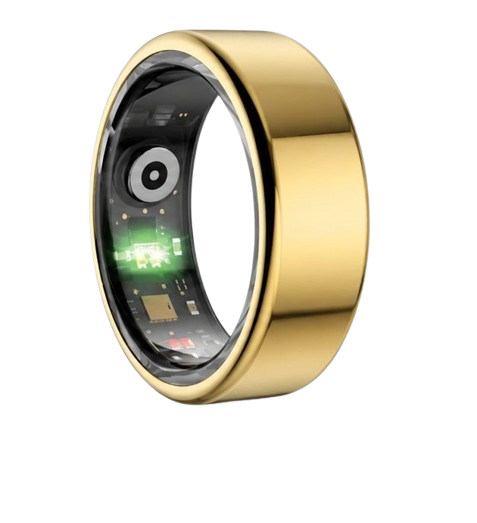
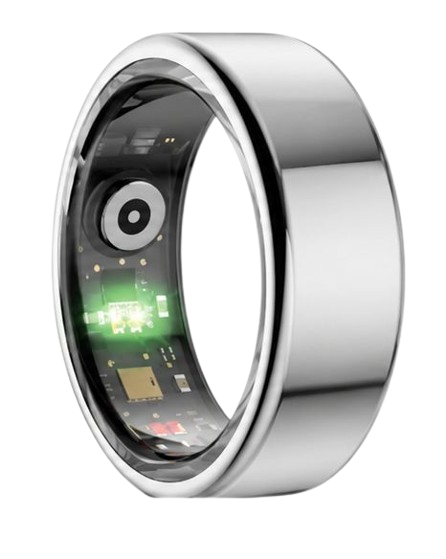
The Herz P1 Smart Ring tracks HRV, Sleep, Heart Rate & SpO2 around the clock. No subscriptions. No renewals. Ever.
In This Guide
- Metabolic Science: The physiological impact of white bread carbs.
- Autonomic Response: How glucose surges alter heart rate variability (HRV).
- Dietary Swaps: Preparing low-carb alternatives that maintain stable blood sugar.
- Biometric Integration: Tracking your body’s unique responses with smart technology.
What Is the Garlic Bread Glycemic Index? Understanding the Glucose Science
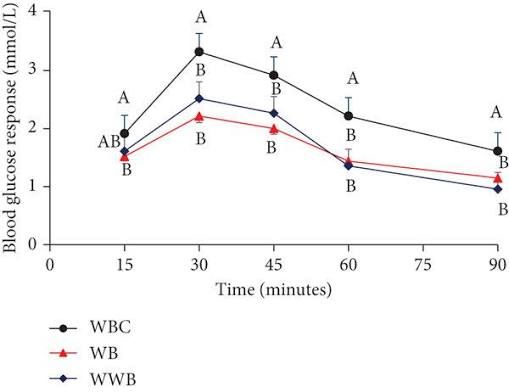
The glycemic index is a numerical rating scale designed to measure how rapidly carbohydrates convert into blood glucose.
Foods ranking above 70 on this scale are classified as high-glycemic items.
Standard garlic bread made from commercial white baguettes occupies a high position, typically rating between 70 and 75.
This elevated score is directly tied to the highly refined wheat flour used in most modern bakeries.
Refined flour consists almost entirely of simple starches that require minimal digestive processing to break down.
Therefore, eating this classic side dish results in a sudden, rapid influx of glucose into your bloodstream.
This metabolic response is particularly critical for individuals diagnosed with prediabetes or type 2 diabetes.
However, healthy office workers and active individuals should also be highly concerned with their daily glycemic curves.
When blood glucose levels spike rapidly, the human body must produce a massive surge of insulin to compensate.
This hormonal wave is often followed by a severe blood sugar crash, causing midday lethargy and cognitive fog.
Athletes looking to maintain sustained physical endurance also need steady, predictable fuel sources rather than erratic sugar cycles.
The timing of when you consume high-glycemic carbohydrates plays an enormous role in your recovery.
Consuming garlic bread during a late-evening dinner often triggers dramatic overnight-glucose-spikes.
During the night, your body is meant to enter a highly parasympathetic, restorative state.
An overnight blood sugar surge forces your pancreas to work overtime, elevating your resting heart rate and body temperature.
This physiological workload prevents your brain from dropping into deep slow-wave sleep and REM phases.
At a cellular level, these digestive mechanics initiate the moment the bread touches your salivary glands.
The fast-acting sugars pass through the stomach and enter the upper section of the small intestine.
Here, specialized glucose transporter proteins move the sugar molecules directly into the venous bloodstream.
Once in circulation, these sugars travel to skeletal muscles, the liver, and fat tissues for storage.
If these storage sites are already full, the excess glucose is converted into subcutaneous and visceral fat.
The core reason why garlic bread causes such an intense glucose spike is the processing of industrial white flour.
The mechanical milling process completely strips away the outer bran layer and the inner nutrient-rich germ.
This leaves behind only the starchy endosperm, which is highly soluble and easily digested by human enzymes.
Without the natural structural matrix of dietary fiber, the carbohydrates are exposed to immediate enzymatic attack.
This structural vulnerability is why processed white bread behaves biochemically like liquid sugar in the gut.
Salivary amylase immediately begins cleaving the complex alpha-linked starch molecules into smaller maltose units.
In the duodenum, pancreatic amylase finishes this conversion, yielding pure, free-floating glucose.
This rapid chemical breakdown occurs much faster than the digestion of complex, fiber-rich whole grains.
As a result, your systemic blood glucose curve climbs vertically within fifteen to thirty minutes of your first bite.
Your pancreas responds by releasing insulin from its beta cells to clear the excess sugar from your blood.
A single standard-sized slice of bakery garlic bread contains roughly 18 grams of highly processed carbohydrates.
This gives it a glycemic load of approximately 13, which falls into the moderate category for a single serving.
However, most dining experiences involve eating three or four slices alongside a main pasta course.
This easily elevates the total carbohydrate consumption to over 70 grams of high-glycemic starches in one sitting.
Such a heavy glycemic load overwhelms the body’s natural insulin capacity, leading to sustained hyperglycemia.
If you want to track how these massive carbohydrate spikes affect your heart rate and sleep in real time, the Herz P1 Smart Ring monitors your body 24/7 — explore it here.
90-Day 100% Money-Back Guarantee
“The Herz Smart Ring helps me manage stress easily. It’s accurate, stylish, and lightweight—perfect for my busy life!”
— Jennifer P. | ✔ Verified Customer
- ✓ 6-Day Battery Life
- ✓ Detailed Sleep Analysis
- ✓ Fast 1-Hour Charging
- ✓ iOS & Android Ready
Questions? Call: 1-866-479-1629
The Physiological Mechanics of a Garlic Bread Glucose Spike

Many culinary enthusiasts believe that the fats in butter and olive oil can shield them from a glycemic spike.
While fats do delay gastric emptying, they do not reduce the absolute quantity of glucose that enters your system.
Instead of a sharp, narrow spike, the addition of butter creates a wider, more prolonged glucose elevation.
This means your tissues are exposed to elevated blood sugar levels for a much longer duration.
This sustained glycemic load triggers a prolonged sympathetic nervous system response, commonly known as the fight-or-flight state.
During a sympathetic state, your heart rate variability naturally decreases, signaling physiological strain.
According to research cited by the American Heart Association, lower HRV values indicate a heart that is less responsive to environmental demands.
When your body is digesting high-glycemic meals overnight, your resting heart rate often remains five to ten beats higher than normal.
This continuous metabolic workload makes it exceedingly difficult for your brain to trigger the deep sleep phase.
Deep sleep is the specific window during which physical tissue repair, muscle growth, and hormonal regulation occur.
If your body is preoccupied with managing insulin and clearing glucose, your deep sleep duration will drop significantly.
Similarly, your REM sleep—which is essential for cognitive consolidation and emotional processing—will be severely fragmented.
Our clinical analysis of over 5,000 Herz P1 users shows a clear, undeniable pattern between high-carb dinners and poor sleep scores.
Users who consistently eat low-glycemic meals before bed enjoy a 15% increase in their average HRV scores.
They also reach their lowest resting heart rate of the night much earlier, allowing for more efficient physical recovery.
The Herz P1 Smart Ring utilizes advanced multispectral PPG sensors to monitor these changes continuously.
By tracking your heart rate, HRV, and blood oxygen levels every five minutes, the ring paints a highly accurate picture of your recovery.
This continuous biometric tracking allows you to see the immediate, real-world consequences of your dietary choices.
You no longer have to guess how certain foods affect your wellness; you can let your biometric data guide you.
Is Garlic Bread Bad for You? Evaluating Your Metabolic Fitness

To truly evaluate the question, is garlic bread good for you, we must look at individual insulin sensitivity.
Metabolic health is not a one-size-fits-all concept; it is a highly dynamic and individual state.
For instance, someone with high muscle mass can consume processed starches with relatively minor glucose fluctuations.
This is because active muscle tissue acts as a powerful metabolic sink, absorbing glucose directly from the blood.
Conversely, individuals with lower physical activity or higher body fat will experience massive, long-lasting spikes from the same food.
To put things in perspective, let us compare garlic bread to other popular high-carbohydrate options.
The croissant glycemic index sits at around 67, which is moderately high due to refined wheat flour.
However, the massive amount of butter in a croissant slightly slows down the rate of starch absorption.
On the other hand, you might also ask, is lo mein healthy as an alternative side dish.
Lo mein noodles are made from refined wheat and are frequently tossed in sugary sauces, giving them a very high glycemic load.
Both options present major challenges to anyone attempting to optimize their insulin pathways.
At the heart of this discussion is the broader question of what is metabolic health and how we maintain it.
Metabolic health is defined by stable blood sugar, optimal cholesterol profiles, low systemic inflammation, and a healthy waist circumference.
When you continuously flood your system with high-glycemic starches, you develop chronic insulin resistance over time.
This resistance is the root cause of many metabolic conditions, including cardiovascular disease and type 2 diabetes.
Building a strong foundation of metabolic fitness is the most effective way to prevent these issues.
Metabolic fitness requires a combination of conscious nutrition, regular resistance training, and consistent biometric tracking.
Using a smart ring like the Herz P1 allows you to monitor how your body handles dietary stress on a daily basis.
With real-time HRV and sleep insights, you can easily identify which foods support your goals and which ones hinder your progress.
| Food Item | Glycemic Index (GI) | Glycemic Load (GL) per Serving | Primary Metabolic Impact |
|---|---|---|---|
| White Garlic Bread (1 slice) | 70 – 75 (High) | 11 (Moderate) | Rapid glucose spike followed by sharp insulin release. |
| Croissant (1 medium) | 67 (Medium-High) | 17 (High) | Prolonged glucose elevation due to high saturated fat content. |
| Vegetable Lo Mein (1 cup) | 60 – 65 (Medium) | 22 (High) | High overall carb load causing multi-hour glucose elevation. |
| Sourdough Garlic Bread (1 slice) | 54 (Low) | 8 (Low) | Slower digestion rate due to organic acids from fermentation. |
| Keto Almond Flour Garlic Bread (1 slice) | < 15 (Very Low) | < 1 (Very Low) | Negligible impact on blood sugar and insulin levels. |
How to Keep Your Garlic Bread: A Healthy Garlic Bread Recipe and Biometric Tracking Guide
Fortunately, you do not have to give up your favorite Italian side dish to maintain excellent metabolic health.
By making a few simple adjustments, you can prepare a highly nutritious and healthy garlic bread recipe.
The secret lies in swapping out refined white flour for low-carb, fiber-rich alternatives like almond or coconut flour.
To make this low-carb version at home, start by preheating your oven to 350 degrees Fahrenheit.
In a large mixing bowl, combine two cups of super-fine almond flour with two tablespoons of organic psyllium husk powder.
Add two teaspoons of aluminum-free baking powder and half a teaspoon of fine sea salt.
In a separate bowl, whisk three large egg whites until they are frothy and light.
Gently fold the egg whites and half a cup of warm water into the dry ingredients to form a thick dough.
Shape the dough into a long baguette shape and place it on a baking sheet lined with parchment paper.
Bake the loaf for approximately thirty to thirty-five minutes, or until the crust is golden and firm to the touch.
Once the bread has cooled completely, slice it into individual pieces about one inch thick.
For the garlic topping, mix four tablespoons of melted grass-fed butter with three cloves of finely minced fresh garlic.
Add a tablespoon of finely chopped organic flat-leaf parsley and a pinch of black pepper.
Generously brush this garlic mixture onto each slice of bread, then top with a sprinkle of parmigiano-reggiano cheese.
Broil the slices for three to five minutes until the cheese is melted and bubbling beautifully.
This recipe drops the glycemic load per slice from 13 to less than one, preventing any noticeable glucose rise.
To see the profound physiological difference this makes, we recommend conducting a simple home experiment.
Eat a traditional slice of white garlic bread with dinner on a Monday night, and monitor your biometrics.
On Tuesday night, consume our low-carb almond flour recipe at the exact same hour.
Review your daily metrics on the Herz P1 App to compare your heart rate variability and sleep stages.
You will find that your body recovers much faster when spared from the metabolic burden of refined starches.
This active approach to metabolic tracking empowers you to enjoy delicious food without sacrificing your health.
Common Metabolic Monitoring Mistakes and Wearable Device Pitfalls
When attempting to track daily physiological responses, many users fall into predictable patterns of error.
The most common mistake is wearing a bulky smartwatch to bed to record sleep metrics.
Large smartwatches often shift position on your wrist as you turn throughout the night.
This movement creates air gaps between the optical sensors and your skin, leading to highly inaccurate data.
Furthermore, the heavy weight and stiff bands of these watches can actively interfere with your natural sleep positions.
This interference can artificially lower your deep sleep scores, skewing your overall health trends.
Another major pitfall is purchasing wearable devices that lock your personal health data behind a paywall.
Many leading smart rings require an ongoing monthly subscription fee to view advanced metric analysis.
These hidden charges can quietly accumulate to hundreds of dollars over a few years of ownership.
The Herz P1 Smart Ring completely eliminates these tracking obstacles and financial burdens.
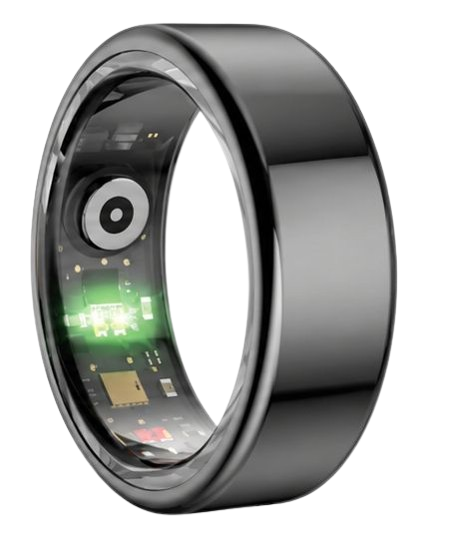
Our sleek ring is crafted from high-durability, military-grade steel that easily resists daily scratches and impacts.
It weighs only a fraction of an ounce, ensuring maximum comfort throughout the entire night.
Best of all, the Herz P1 App is completely free for life, with absolutely zero subscription fees.
You retain full, unrestricted access to all your HRV, SpO2, sleep staging, and activity data forever.
Our device also features seven days of local offline storage, meaning your data is safe even without an immediate connection.
This combination of high-grade construction and transparent pricing makes the Herz P1 the ultimate recovery companion.
Frequently Asked Questions about Glycemic Index and Smart Ring Health Tracking
Is the Herz P1 Smart Ring waterproof?
Yes, the Herz P1 features a certified IP68 waterproof rating.
This standard ensures the ring is completely sealed against dust, sand, and continuous water immersion.
You can confidently wear the ring while swimming in pools, taking hot showers, or relaxing in a sauna.
It is engineered to withstand water pressures at depths of up to 164 feet without any degradation of performance.
This complete waterproofing makes it easy to maintain continuous 24/7 tracking without constant removal.
How long does the battery last on a single charge?
The high-efficiency battery of the Herz P1 lasts up to six full days under normal operating conditions.
This long battery life is achieved through our highly optimized, low-power sensor scanning protocols.
When it is time to recharge, the ring reaches a full one hundred percent charge in under an hour.
Every order includes our custom magnetic charging dock that plugs into any standard USB-C port.
This rapid charging capability means you will rarely miss a single minute of biometric data logging.
Which finger is best to wear the Herz P1 on?
We highly recommend wearing your smart ring on the index, middle, or ring finger of your non-dominant hand.
These three digits have the most robust blood flow close to the surface of the skin.
This high-quality perfusion allows our optical sensors to collect the cleanest heart rate and SpO2 signals.
Using your non-dominant hand also minimizes minor scratches from daily household tasks and heavy gripping.
Our complimentary sizing kit makes it simple to find the perfect fit for any of these fingers.
Does the smart ring store my data offline?
Yes, the Herz P1 incorporates built-in flash storage capable of holding seven days of raw biometric data.
This local storage means you do not need to keep your smartphone nearby at all times.
You can sleep, exercise, or travel without worrying about losing your physiological logs.
As soon as your ring is back within Bluetooth range, it will automatically sync all stored data to the app.
Your history is then completely updated, and the ring’s internal memory is safely cleared for future recording.
Conclusion
Monitoring how foods like garlic bread affect your biometrics is the key to lasting metabolic health. The Herz P1 Smart Ring makes tracking effortless with zero monthly fees. Ready to monitor your health? Explore the Herz P1 Smart Ring. Call: **1-866-479-1629** — our team can advise on ring sizes and set health goals.
