

Built to Last. Save Up to 69% Today.
The Herz P1 Smart Ring tracks HRV, Sleep, Heart Rate & SpO2 around the clock. No subscriptions. No renewals. Ever.

In This Article
- Demystifying Glycemic Metrics: Discover how the addition of processed starches alters the baseline metabolic impact of lean poultry.
- The Breading Effect: Learn why simple breading transformations can dramatically compromise your blood glucose stability.
- Diabetes-Friendly Hacks: Practical substitution guidelines and cooking techniques designed to keep your meals blood-sugar safe.
- Continuous Physiological Tracking: How wearable biometrics like the Herz P1 Smart Ring offer insights into systemic glucose responses.
What Is the Chicken Patty Glycemic Index and Does It Raise Blood Sugar?
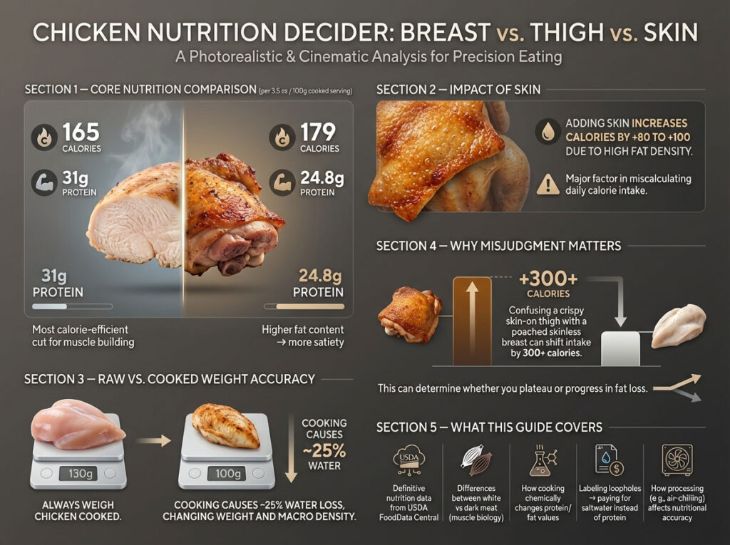
To evaluate the chicken patty glycemic index, we must first examine the foundational ingredients of this popular food.
Pure, unprocessed chicken breast consists entirely of protein and healthy fats, containing zero carbohydrates.
Consequently, raw or simply grilled poultry has a glycemic index of zero.
However, commercial chicken patties are rarely made of plain, unprocessed meat.
Manufacturers typically use refined binders, thickeners, wheat-based breading, and cornstarches to achieve a desirable texture.
These added ingredients introduce a significant amount of fast-digesting carbohydrates to the product.
As a result, a standard breaded chicken patty carries a glycemic index ranging from 45 to 65, depending on the thickness of the coating.
This puts breaded options into the low-to-moderate glycemic index category.
While this might seem manageable, the glycemic index is only one side of the metabolic coin.
The total glycemic load of the meal increases dramatically when you place that patty inside a traditional white flour bun.
When you consume these fast-acting starches, your digestive enzymes quickly convert them into glucose.
This rapid absorption can trigger sharp postprandial spikes, testing your body’s insulin sensitivity.
For individuals managing diabetes, tracking these hidden carbohydrate inputs is essential to achieving what is metabolic health.
Eating these high-carbohydrate variations frequently can lead to elevated baseline glucose levels over time.
Furthermore, standard frozen chicken patties often contain unhealthy hydrogenated oils from pre-frying processes.
These trans fats worsen systemic inflammation and can decrease your overall insulin sensitivity.
To manage this effectively, you must understand exactly how your unique metabolism responds to these combination meals.
Our bodies process macronutrient mixtures differently depending on our current stress, physical activity, and sleep quality.
If you want to track this in real time, the Herz P1 Smart Ring monitors these subtle physiological markers around the clock — explore it here.

90-Day 100% Money-Back Guarantee
“The Herz Smart Ring helps me manage stress easily. It’s accurate, stylish, and lightweight—perfect for my busy life!”
— Jennifer P. | ✔ Verified Customer
- ✓ 6-Day Battery Life
- ✓ Detailed Sleep Analysis
- ✓ Fast 1-Hour Charging
- ✓ iOS & Android Ready
Questions? Call: 1-866-479-1629
How Processed Breading Impacts Your Chicken Patty Blood Sugar Response
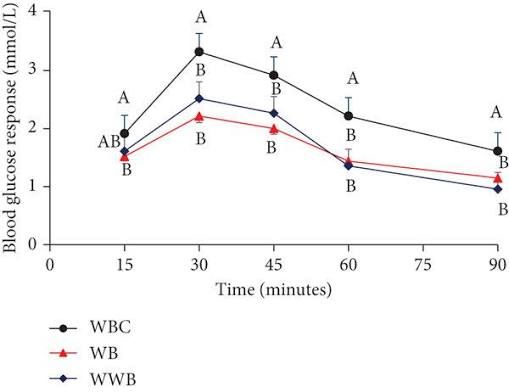
To grasp the true impact of processed poultry on your health, we must investigate how standard coatings disrupt your glucose levels.
Breading acts as a metabolic accelerator because it relies primarily on highly refined starches.
When these carbohydrates are fried, they form a dense, dehydrated matrix that is incredibly easy for your stomach to break down rapidly.
This rapid breakdown results in a swift release of simple sugars straight into your bloodstream.
Because of this, many people ask: do chicken patties cause diabetes when consumed as a regular dietary staple?
While a single food item rarely causes a chronic disease on its own, repeated high-glycemic meals create chronic metabolic strain.
This continuous metabolic strain forces your pancreas to pump out large amounts of insulin to clear the excess glucose.
Over several years, this hyperinsulinemia can gradually exhaust your pancreatic beta cells and worsen insulin resistance.
If you compare a commercial chicken burger to whole proteins, the physiological differences are quite staggering.
For example, exploring the salmon glycemic index reveals a food that has an absolute zero glycemic rating.
Salmon provides robust omega-3 fatty acids and clean proteins that actively stabilize your cell membranes and support insulin pathways.
In contrast, standard chicken patties are often loaded with refined starches and oxidized seed oils that can promote systemic inflammation.
Furthermore, standard white flour breading lacks the natural dietary fiber required to slow glucose absorption in your small intestine.
This lack of fiber ensures that any carbohydrates present are absorbed into your system almost immediately.
The resulting glucose spike can be followed by a sharp insulin surge, leading to reactive hypoglycemia.
This dramatic dip in blood sugar often leaves you feeling fatigued, mentally foggy, and craving more fast-acting carbohydrates.
Breaking this cycle requires a detailed understanding of how specific food choices affect your body’s internal balance.
The Herz P1 Smart Ring offers a practical solution by continuously tracking your heart rate variability (HRV) and sleeping biometrics.
By observing how your nighttime recovery patterns correlate with what you eat, you can make highly informed dietary adjustments.
Analyzing Chicken Patties Nutrition: Protein, Fats, and Hidden Carbohydrates

To truly understand this food, we must take a closer look at standard chicken patties nutrition profiles.
A typical 85-gram breaded chicken patty purchased from the frozen section contains approximately 200 calories.
Within this serving, you will find roughly 11 grams of protein, 10 grams of fat, and 15 grams of carbohydrates.
While the protein content seems beneficial, the ratio of carbohydrates to protein is quite high for a meat-based dish.
Additionally, much of that fat content comes from refined vegetable oils used during the pre-frying process.
These seed oils contain high levels of omega-6 fatty acids, which can promote systemic inflammation when eaten in excess.
This nutrient structure differs vastly from whole, unprocessed protein sources.
For instance, comparing hard boiled eggs and diabetes management highlights the power of clean, natural foods.
Eggs deliver an outstanding combination of complete proteins and vital micronutrients without any added carbohydrates.
They have an absolute zero glycemic rating, helping to support stable insulin levels and steady energy throughout the day.
When you consume a highly processed chicken patty instead, you are introducing refined starches that challenge your metabolism.
This processed food profile raises the chicken burger glycemic index, making it a less-than-ideal choice for daily wellness.
Furthermore, many frozen options contain high levels of sodium to preserve flavor and extend shelf life.
Excessive sodium intake can raise blood pressure and put extra strain on your cardiovascular system, especially if you have existing metabolic concerns.
To help you visualize these differences, let us look at how these common foods compare directly:
| Food Choice (Standard Serving) | Estimated Glycemic Index | Carbohydrates (Grams) | Primary Metabolic Impact |
|---|---|---|---|
| Grilled Chicken Breast (100g) | 0 | 0g | Highly stabilizing; supports muscle recovery and steady metabolism. |
| Commercial Breaded Chicken Patty (85g) | 50 – 65 | 14g – 18g | Moderate glycemic response; can cause noticeable glucose fluctuations. |
| Hard Boiled Egg (1 Large) | 0 | 0.6g | Excellent stability; zero insulin impact; rich in healthy fats. |
| Salmon Fillet (100g) | 0 | 0g | Anti-inflammatory; zero glycemic impact; supports long-term vascular health. |
As this comparison shows, choosing unprocessed or minimally processed options makes a massive difference in managing your daily glucose load.
When you select foods with a lower glycemic impact, you reduce the immediate demand on your pancreas.
This mindful approach is a key part of developing a sustainable plan for long-term health and vitality.
To help you monitor this balance, tracking daily metabolic trends is incredibly beneficial.
Wearable devices allow you to observe how your body recovers from different nutritional choices over time.
The Herz P1 Smart Ring fits seamlessly into this health-focused lifestyle by providing 24/7 physiological monitoring.
By keeping an eye on your key metrics, you can easily see which meals support your body’s natural rhythm.
Diabetes-Friendly Chicken Burger Hacks to Prevent Glucose Spikes
If you love the taste of a classic chicken burger, you do not have to give it up entirely.
With a few smart adjustments, you can easily transform this meal into a metabolic-friendly option.
First, always choose unbreaded chicken patties whenever possible.
You can make your own at home using ground chicken breast, fresh herbs, and finely chopped vegetables.
To mimic the satisfying crunch of traditional breading, try coating your homemade patties in almond flour or crushed pork rinds.
These low-carb alternatives keep the glycemic index exceptionally low while delivering a delicious, crispy texture.
Next, think carefully about the bun you choose to pair with your patty.
Traditional white buns are packed with refined grains that can trigger sharp overnight-glucose-spikes if eaten for dinner.
Instead, try wrapping your patty in fresh, crisp romaine lettuce leaves or choosing a high-fiber, low-carb keto bun.
Adding healthy fats like sliced avocado or sugar-free mayonnaise can also help slow down your digestion.
These healthy fats slow gastric emptying, which in turn slows down the rate at which glucose enters your bloodstream.
This simple hack is a powerful way to build robust metabolic fitness over time.
Additionally, always try to pair your chicken burger with a fresh, fiber-rich side salad rather than potato french fries.
The soluble fiber in leafy greens acts like a sponge in your digestive tract, helping to blunt any potential glucose response.
By implementing these easy hacks, you can enjoy a comforting meal without experiencing a major blood sugar roller coaster.
Over time, these consistent, positive choices help protect your blood vessels and improve your cellular energy levels.
Understanding the connection between your diet and your body’s recovery is crucial for your long-term wellness journey.
The Herz P1 Smart Ring makes this process simple by providing effortless, continuous tracking of your body’s vital signals.
Its lightweight, sleek design allows you to monitor your health markers day and night without any distraction.
The Hidden Impact of High-Glycemic Foods on Sleep Quality and HRV
Many people do not realize that what they eat for dinner directly impacts how well they sleep.
When you consume a high-glycemic meal, your blood sugar rises rapidly and then falls sharply a few hours later.
This sudden drop in glucose can trigger a stress response in your body during the night.
To raise your blood sugar back to a safe level, your brain releases stress hormones like cortisol and adrenaline.
These stress hormones can wake you up, disrupt your sleep stages, and prevent you from getting deep, restorative sleep.
If you regularly eat processed, breaded chicken patties late in the evening, you might notice your sleep quality suffers.
This sleep disruption can be measured through your heart rate variability (HRV) and deep sleep percentages.
A lower HRV during sleep indicates that your autonomic nervous system is stuck in a stressed, sympathetic state.
Over time, poor sleep quality and chronic nighttime stress can worsen insulin resistance, creating a frustrating health cycle.
To break this cycle, it is incredibly helpful to track your overnight physiological metrics with a reliable wearable.
While bulky smartwatches can be uncomfortable to wear to bed and require frequent charging, smart rings offer a sleek, comfortable alternative.
The Herz P1 Smart Ring is crafted from ultra-lightweight, military-grade steel and features an elegant, thin profile.
It monitors your sleep architecture, HRV, and blood oxygen levels around the clock with zero monthly subscription fees.
By wearing the ring every night, you can easily see how different dinners affect your resting heart rate and recovery.
With a reliable 6-day battery life and an IP68 waterproof rating, the Herz P1 is designed to support your wellness journey every single day.
Frequently Asked Questions About Chicken Patties and Metabolic Tracking
To help you get the most out of your health-tracking journey, our team has gathered the most common questions from our community.
Is the Herz P1 Smart Ring waterproof?
Yes, the Herz P1 features a premium IP68 waterproof rating, making it completely safe for everyday life.
You can confidently wear it while washing your hands, taking a shower, swimming in a pool, or relaxing in a hot tub.
The durable, military-grade steel outer shell is engineered to withstand water pressure up to 164 feet deep.
How long does the battery last on the Herz P1?
The Herz P1 is designed with advanced power-saving technology to deliver up to 6 days of continuous battery life on a single charge.
When it is time to power up, the ring charges fully in under 1 hour using the included magnetic charging dock.
This long-lasting battery life means you can track your sleep and daily activity without the constant worry of charging.
Which finger is best to wear the smart ring on?
For the most accurate biometric readings, we recommend wearing the Herz P1 on your index, middle, or ring finger.
The blood vessels in these fingers are highly accessible to our advanced optical sensors, ensuring clear data collection.
Make sure the ring fits snugly but comfortably, without rotating too easily or pinching your skin.
Does the Herz P1 store data offline if my phone is disconnected?
Yes, the ring features secure local storage that can hold up to 7 days of historical biometric data offline.
Once you open the free companion app and reconnect via Bluetooth, your data syncs automatically to your dashboard.
This allows you to disconnect from your phone during workouts or sleep while keeping your tracking completely seamless.

Conclusion
Managing your metabolic wellness is all about making smart, informed choices every single day.
By understanding food metrics and adapting your favorite recipes, you can enjoy delicious meals while keeping your blood sugar stable.
Ready to monitor your health every day?
Explore the Herz P1 Smart Ring and see if it fits your lifestyle.
Call: 1-866-479-1629 — our team can help you advise on the correct ring size and set personalized health goals.
