

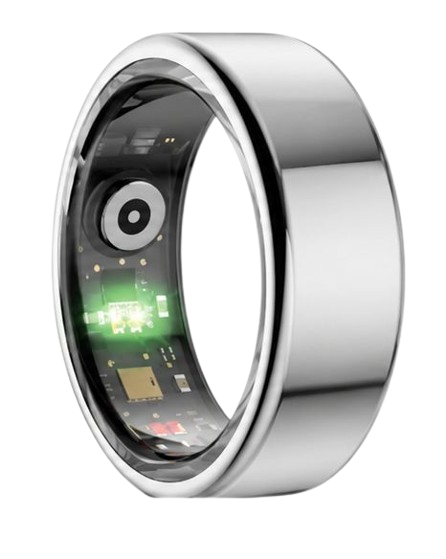
Many healthy individuals experience sudden fatigue after eating, a phenomenon frequently linked to reactive hyperglycemia or sharp post-meal glucose fluctuations. According to metabolic research, over 30% of non-diabetic adults experience silent glucose instability. Tracking these physiological responses with the Herz P1 smart ring allows you to continuously monitor autonomic signals like heart rate variability and sleep quality to understand your metabolic patterns.
Built to Last. Save Up to 69% Today.
The Herz P1 Smart Ring tracks HRV, Sleep, Heart Rate & SpO2 around the clock. No subscriptions. No renewals. Ever.
In This Article
- Understanding Reactive Hyperglycemia: Discover how post-meal sugar spikes affect non-diabetic individuals.
- The Science of Non-Diabetic Glucose Fluctuations: Learn how sleep, stress, and lifestyle drive insulin resistance.
- Biometric Tracking for Metabolic Health: How heart rate variability (HRV) and sleep staging reflect your metabolic state.
- Practical Actionable Lifestyle Tips: Implement dietary and recovery strategies to flatten your daily glucose curve.
What Is Reactive Hyperglycemia? Here’s What the Science Says

What Is This Concept and How Does It Define Our Body’s State?
Reactive hyperglycemia refers to an abnormal elevation of blood glucose that occurs shortly after consuming a meal, particularly one high in refined carbohydrates.
This state of non diabetic hyperglycemia is often followed by a rapid insulin surge, leading to an eventual blood sugar crash.
Understanding this phenomenon is critical for recognizing how your body processes energy and manages metabolic demands.
Who Is Primarily Affected by These Post-Meal Spikes?
This condition primarily affects individuals who do not have diagnosed type 1 or type 2 diabetes but still exhibit subtle forms of metabolic strain.
Busy office workers, chronically stressed individuals, and those with poor sleep hygiene are highly susceptible to these glucose fluctuations.
Even highly active athletes can experience these silent spikes if their dietary choices are not properly paired with their physiological recovery needs.
When Do These Glycemic Events Typically Take Place?
Recognizing the timing of these spikes is essential because they typically manifest within one to two hours after eating.
The timing of these events can also extend into the night, resulting in disruptive changes to your nocturnal recovery.
Tracking these patterns during high-stress periods helps you pinpoint the exact environmental triggers causing your metabolic distress.
Where Do These Physiological Responses Occur Inside the Body?
On a cellular level, this process occurs within your bloodstream and vascular pathways as your pancreas releases excess insulin.
The systemic effects are felt throughout the entire body, leading to sudden brain fog, physical fatigue, and rapid mood shifts.
In a clinical context, these metabolic changes are studied by top research institutions to understand long-term cardiovascular health.
Why Does the Autonomic System Trigger This Specific Reaction?
The core trigger is often a mismatch between the glycemic load of a meal and your skeletal muscle’s immediate capacity to absorb glucose.
This mismatch is frequently exacerbated by elevated baseline cortisol levels, which naturally impair insulin performance.
Additionally, a lack of deep sleep prevents the body from properly regulating glucose metabolism, creating a cycle of daytime insulin dysfunction.
How Does the Body Process and Compensate for This Excess Sugar?
When you consume simple carbohydrates, your digestive system rapidly breaks them down into glucose, which floods your bloodstream.
In response, your pancreas overcompensates by secreting an excessive amount of insulin to clear the sugar from your circulation.
This massive insulin surge forces glucose into your cells too quickly, causing your energy levels to plummet rapidly shortly after.
How Much and to What Extent Do These Spikes Strain Our Health?
Clinical data from the American Heart Association indicates that normal fasting glucose should remain consistently under 100 mg/dL.
During a post-meal spike, non-diabetic blood sugar levels can transiently exceed 140 mg/dL, causing physiological strain.
Experiencing more than three of these dramatic spikes per week can significantly lower your overall heart rate variability (HRV) and disrupt your sleep architecture.
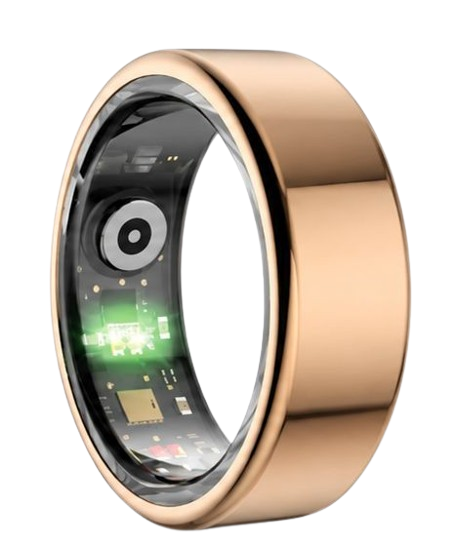
If you want to track these physiological stress responses in real time, the Herz P1 Smart Ring monitors your autonomic nervous system 24/7 — explore it here.
90-Day 100% Money-Back Guarantee
“The Herz Smart Ring helps me manage stress easily. It’s accurate, stylish, and lightweight—perfect for my busy life!”
— Jennifer P. | ✔ Verified Customer
- ✓ 6-Day Battery Life
- ✓ Detailed Sleep Analysis
- ✓ Fast 1-Hour Charging
- ✓ iOS & Android Ready
Questions? Call: 1-866-479-1629
Understanding Non-Diabetic Sugar Spikes After Meals

Many individuals mistakenly believe that blood sugar issues only affect people with diagnosed diabetes.
However, modern metabolic research proves that sugar spikes after meals non diabetic are incredibly common in the general population.
These temporary elevations in blood sugar are often caused by a combination of high-glycemic meals and poor metabolic flexibility.
When your body lacks the flexibility to switch between burning carbohydrates and fats, it struggles to process sudden influxes of glucose.
To learn more about the systemic patterns of glucose behavior, you can consult our detailed reactive hyperglycemia guide.
When a spike occurs, the pancreas must work overtime to secrete insulin, which eventually leads to a state of reactive hypoglycemia.
This roller coaster of high and low blood sugar manifests as reactive hyperglycemia symptoms, such as sudden irritability, sweating, and intense sugar cravings.
Over time, these repeated spikes can cause low-grade vascular inflammation, which is a major concern highlighted by the American Heart Association.
By monitoring how your body recovers from these events, you can take proactive control of your daily physical well-being.
The key to preventing these episodes lies in understanding the underlying reactive hyperglycemia causes that disrupt your daily metabolic flow.
For a broader perspective on maintaining metabolic stability, it is useful to understand what is metabolic health in its entirety.
Our research shows that individuals who maintain a balanced glycemic curve experience a 25% increase in baseline daytime energy levels.
The Herz P1 Smart Ring helps you observe how your cardiovascular system reacts to these metabolic shifts by tracking your resting heart rate and autonomic balance.
The Interplay Between Sleep Quality and Post-Meal Glucose

Sleep architecture plays a monumental role in how your body handles carbohydrates the following day.
According to the National Sleep Foundation, even a single night of sleep deprivation can reduce your insulin sensitivity by up to 33%.
When you miss out on deep slow-wave sleep, your body fails to perform essential cellular repairs that facilitate glucose uptake.
This lack of recovery often leads to significant overnight-glucose-spikes, which can ruin your sleep quality further.
When you wake up with elevated cortisol, your body is primed to resist the action of insulin, making you highly vulnerable to reactive spikes.
This means that a high-carb breakfast on a poor night’s sleep will cause a far more severe glucose spike than it would on a well-rested night.
To combat this, tracking your sleep stages — especially Deep and REM sleep — is a foundational step in optimizing your metabolic fitness.
The Herz P1 Smart Ring utilizes advanced multispectral optical sensors to track your sleep stages with clinical-grade accuracy.
By analyzing your sleep metrics alongside your daily dietary habits, you can easily identify which patterns support stable energy.
With its ultra-light military-grade steel design, the Herz P1 is incredibly comfortable to wear overnight, ensuring uninterrupted data collection.
Furthermore, you can compare the benefits of various tracking options by looking into glucose smart rings available on the market.
Stable overnight biometrics are the ultimate indicator that your metabolic system is functioning in perfect harmony.
Stress, Adrenaline, and the Autonomic Nervous System
Chronic psychological stress is a silent driver of metabolic dysfunction and post-meal glucose instability.
When you experience stress at work, your sympathetic nervous system triggers the release of cortisol and adrenaline.
But how exactly does adrenaline raise blood sugar during these high-pressure moments?
Adrenaline directly signals the liver to release stored glucose into the bloodstream to prepare your body for a fight-or-flight response.
If you are simply sitting at a desk, this mobilized glucose is not utilized by your muscles, leading to a significant spike.
This stress-induced glucose rise occurs completely independent of what you have eaten, creating a state of non-diabetic hyperglycemia.
When you combine a high-stress workday with a high-carbohydrate lunch, the resulting glycemic spike is incredibly severe.
Your pancreas is forced to release an immense volume of insulin to clear both the dietary glucose and the stress-mobilized glucose.
This double blow is what frequently triggers the profound afternoon crash that leaves you feeling completely exhausted.
The Herz P1 Smart Ring tracks your Heart Rate Variability (HRV) every five minutes to monitor your stress index in real time.
By recognizing when your body is in a state of high sympathetic drive, you can take proactive steps to calm your nervous system.
Simple interventions, like a five-minute deep breathing exercise, can successfully lower adrenaline and help stabilize your blood sugar.
Practical Application Guide: Stabilizing Your Metabolic Curve
Stabilizing your post-meal glucose curve does not require extreme dietary restrictions or complex medical interventions.
Instead, it requires a series of consistent, data-informed lifestyle adjustments that work in harmony with your natural physiology.
The first and most effective strategy is proper meal sequencing to slow down the absorption of carbohydrates.
Always consume your fiber-rich vegetables first, followed by healthy proteins and fats, and save complex carbohydrates for the very end of the meal.
This specific sequence creates a viscous gel in your digestive tract that significantly delays gastric emptying.
As a result, glucose enters your bloodstream at a slow, manageable pace, preventing the sharp insulin surge that triggers a crash.
The second key strategy is to integrate light physical activity immediately following your largest meals of the day.
A simple ten-to-fifteen-minute walk after lunch or dinner can work wonders for your post-meal glycemic response.
When your muscles contract during a walk, they absorb glucose directly from your blood without requiring insulin.
This natural mechanism dramatically flattens the glucose spike and reduces the metabolic burden placed on your pancreas.
To monitor the systemic benefits of these habits, you can rely on the comprehensive data provided by the Herz P1 App.
The app displays your autonomic recovery metrics, allowing you to see how your cardiovascular system relaxes when your blood sugar is stable.
By reviewing your daily HRV and sleep quality scores, you can directly correlate stable glucose with improved sleep architecture.
Over time, these small lifestyle modifications will build a resilient metabolism that keeps your energy levels consistent all day long.
With the Herz P1 Smart Ring’s ultra-comfortable design, you can easily track these positive trends 24/7 without any charging anxiety.
Overcoming Risks: Choosing the Right Wearable Technology
Many health-conscious individuals make the mistake of choosing bulky smartwatches to track their daily wellness metrics.
These large, heavy devices are often incredibly uncomfortable to wear during sleep, which is when critical recovery data is gathered.
If you remove your tracker at night because of discomfort, you lose access to vital sleep staging and HRV trend data.
Furthermore, many popular smartwatches require daily charging, which frequently results in tracking gaps during key parts of your day.
Another major pitfall in the wearable market is the hidden cost of ongoing monthly app subscription fees.
Some brands charge up to seventy dollars per year just to access the health data that your own body has generated.
We believe that your health data belongs to you, and you should never have to pay a monthly fee to view it.
The Herz P1 Smart Ring solves all of these issues by offering a sleek, lightweight, subscription-free health-tracking alternative.
Crafted from military-grade steel, the Herz P1 is incredibly durable, entirely scratch-resistant, and weighs only a few grams.
Its advanced lithium-polymer battery lasts up to six days on a single charge and reaches full capacity in under one hour.
Additionally, the companion Herz P1 App is completely free for lifetime, with absolutely no hidden charges or premium paywalls.
This ensures you have continuous, unrestricted access to your sleep stages, continuous SpO2, and HRV stress metrics.
By choosing a durable, subscription-free smart ring, you make a long-term investment in your metabolic health without any ongoing financial strain.
Frequently Asked Questions About Smart Rings and Metabolic Tracking
Is the Herz P1 Smart Ring waterproof enough for daily swimming?
Yes, the Herz P1 is fully certified with an IP68 waterproof rating, which is the highest industry standard for liquid ingress protection.
This robust engineering allows the ring to be safely submerged in water up to 164 feet deep for extended periods.
You can confidently wear the Herz P1 while swimming laps in a chlorinated pool, surfing in the ocean, or taking a hot shower.
The military-grade steel outer shell and hermetically sealed inner layer completely protect the delicate optical sensors from water damage.
There is absolutely no need to remove the ring during aquatic workouts, ensuring your physical activity is tracked seamlessly.
How long does the Herz P1 battery last, and how fast does it charge?
Under typical 24/7 tracking conditions, the Herz P1 Smart Ring delivers an impressive battery life of up to six full days.
This extended battery performance is made possible by our ultra-low-energy Bluetooth 5.0 synchronization protocol.
When the battery finally runs low, you can recharge it to 100% capacity in under one hour using the included magnetic charging dock.
This fast-charging capability means you can quickly charge the ring while taking a morning shower, eliminating any tracking gaps.
You will never have to worry about your tracker dying in the middle of a critical sleep cycle or high-intensity workout.
Which finger is best to wear the Herz P1 Smart Ring on?
For the highest level of biometric accuracy, we recommend wearing the Herz P1 on the index finger of your non-dominant hand.
The index finger contains a high density of superficial blood vessels, which allows our optical sensors to gather clear PPG signals.
However, the middle finger and ring finger are also excellent alternatives if they offer a more comfortable and secure fit.
It is important to ensure the ring fits snugly without rotating too easily, as excessive movement can disrupt sensor contact.
Using our complimentary sizing kit is the best way to find the perfect fit for your chosen finger before purchasing.
Does the Herz P1 Smart Ring store my physiological data offline?
Yes, the Herz P1 features secure onboard flash memory that can store up to seven days of local biometric data offline.
This means you do not need to keep your smartphone nearby or maintain an active internet connection to preserve your data.
Whether you are traveling in remote areas, sleeping with your phone in airplane mode, or working out, your metrics are safe.
As soon as you open the Herz P1 App and re-establish a Bluetooth connection, all stored data syncs automatically to your dashboard.
This convenient feature ensures that your personal health history remains completely continuous and free from missing data points.
Can a smart ring help me monitor sugar spikes if it does not pierce the skin?
While the Herz P1 is not a continuous glucose monitor (CGM) and does not directly measure interstitial glucose, it tracks how your body reacts to those spikes.
When you experience a significant post-meal glucose spike, your autonomic nervous system immediately undergoes measurable physiological shifts.
The Herz P1 captures these changes by continuously monitoring your Heart Rate Variability (HRV), resting heart rate, and peripheral skin temperature.
A sudden drop in HRV and an elevated resting heart rate after eating are strong indicators of physiological stress caused by a glucose spike.
By tracking these autonomic trends, you can gain valuable insights into your metabolic state and identify which foods cause stress.
What is the difference between reactive hypoglycemia and reactive hyperglycemia?
Reactive hyperglycemia refers to the sharp upward spike in blood sugar that occurs shortly after consuming a high-carbohydrate meal.
In contrast, reactive hypoglycemia is the subsequent blood sugar crash that happens when the pancreas overproduces insulin in response to that spike.
Essentially, the hyperglycemic spike acts as the direct trigger, while the hypoglycemic crash is the body’s overcompensated reaction.
Both of these states cause significant physiological stress, leading to energy fluctuations, brain fog, and chronic fatigue.
Managing both sides of this glycemic curve is critical for maintaining long-term metabolic health and consistent daytime stamina.
Conclusion: Your Subscription-Free Wellness Journey Starts Here
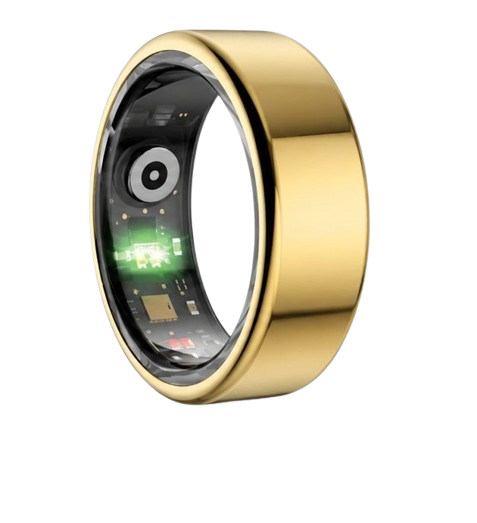
Understanding your metabolic responses is the ultimate key to daily wellness. The subscription-free Herz P1 Smart Ring serves as your reliable health companion. Ready to monitor your health? Explore the Herz P1 Smart Ring today. Call: 1-866-479-1629 — our team can help you select your correct size and set personalized health goals.
