

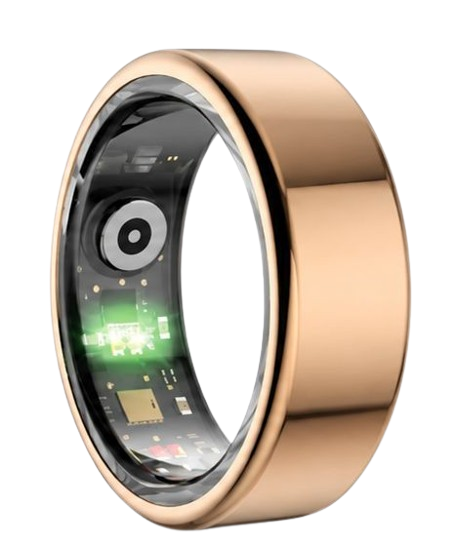
Managing sudden energy crashes after eating is a common struggle, which is why we created this comprehensive reactive hyperglycemia guide to help you decode your body’s unique physiological responses. By understanding the link between glucose shifts, sleep quality, and daily stress, you can take control of your well-being. The Herz P1 Smart Ring continuously tracks critical biomarkers like HRV, resting heart rate, and sleep cycles to reveal how your daily choices impact your systemic recovery.
Built to Last. Save Up to 69% Today.
The Herz P1 Smart Ring tracks HRV, Sleep, Heart Rate & SpO2 around the clock. No subscriptions. No renewals. Ever.
In This Article
- Defining the Causes: A complete 5W2H breakdown of post-meal glucose spikes and reactive sugar crashes.
- Autonomic Connections: Understanding how adrenaline, physical stress, and metabolic health interact.
- Sleep Architecture Pitfalls: Tracking how overnight blood sugar spikes fragment deep sleep and lower HRV.
- Wearable Intelligence: Harnessing continuous biometric data to identify patterns and reclaim your energy.
What Triggers Post-Meal Sugar Crashes? The Core Science of Reactive Hyperglycemia

To master your metabolism, you must first understand how your body processes fuel after a meal.
Many individuals suffer from mid-afternoon fatigue, sudden brain fog, and intense sweet cravings without knowing why.
These uncomfortable sensations are typical reactive hyperglycemia symptoms, which eventually lead to a rapid drop in blood sugar levels.
This cycle is technically referred to as postprandial hypoglycemia, occurring shortly after a transient phase of reactive hyperglycemia.
Our team at Herz P1 believes that health optimization starts with accurate knowledge and continuous biological tracking.
To help you understand this complex phenomenon, we have structured the essential science using the comprehensive 5W2H framework below.
What is Reactive Hyperglycemia?
This condition refers to a rapid rise in blood sugar levels immediately following a meal, which is then met with an overproduction of insulin.
The resulting flood of insulin clears glucose from your bloodstream too quickly, causing your blood sugar to plummet below your normal fasting baseline.
Essentially, it represents an exaggerated, poorly timed hormonal counter-response to glycemic loads.
Who Does it Affect?
This metabolic pattern primarily impacts individuals experiencing early insulin resistance, high stress, or general autonomic nervous system imbalances.
However, it can also frequently occur as a form of non diabetic hyperglycemia in healthy people who consume unbalanced, high-glycemic meals.
Busy office workers and sleep-deprived parents are especially vulnerable due to their elevated baseline cortisol levels.
When Does it Typically Occur?
The initial glucose surge peaks around 30 to 60 minutes after eating a meal rich in refined carbohydrates or simple sugars.
The subsequent crash usually manifests between 90 minutes and 4 hours post-meal, leaving you feeling suddenly exhausted and weak.
It can also show up in the middle of the night if your late-evening snacks cause metabolic instability.
Where in the Body Does This Happen?
The entire process takes place within your bloodstream, your pancreas, your liver, and your autonomic nervous system.
Your digestive tract rapidly absorbs simple sugars, forcing your pancreatic beta cells to release massive amounts of insulin.
Meanwhile, your brain feels starved of glucose during the crash, triggering emergency signals to your adrenal glands.
Why Does This Response Happen?
The core issue is a loss of metabolic flexibility and insulin sensitivity at the cellular level.
When cells do not respond efficiently to initial insulin signals, the pancreas overcompensates by dumping excess insulin into your blood.
This hormonal overreaction is often worsened by chronic mental stress and a lack of restful slow-wave sleep.
How Does It Impact Your Daily Life?
When blood sugar drops too fast, your brain triggers a release of stress hormones to force the liver to release stored glucose.
This survival mechanism causes you to feel anxious, shaky, sweaty, and mentally unfocused during the middle of your workday.
Over time, these chronic glucose rollercoasters strain your cardiovascular system and accelerate metabolic decline.
How Much Glycemic Variation is Normal?
Ideally, healthy individuals should maintain post-meal glucose curves that do not spike more than 30 to 40 mg/dL above baseline.
A sudden spike of 50 mg/dL or more, followed by a drop below 70 mg/dL, indicates significant glycemic volatility.
By understanding these patterns, you can begin making dietary and lifestyle changes to stabilize your energy.
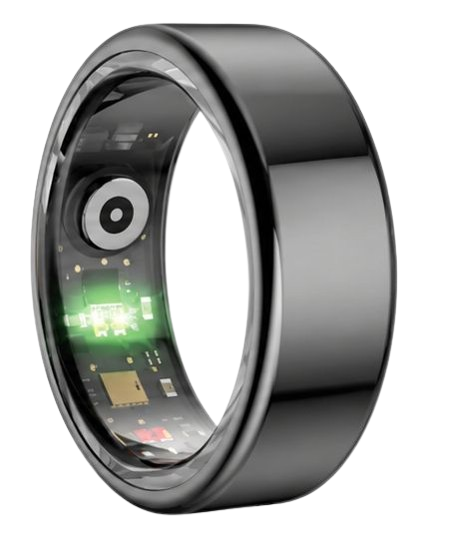
If you want to track how these physiological stresses affect your body in real time, the Herz P1 Smart Ring monitors your heart rate variability (HRV) and sleep patterns 24/7 — explore it here.
90-Day 100% Money-Back Guarantee
“The Herz Smart Ring helps me manage stress easily. It’s accurate, stylish, and lightweight—perfect for my busy life!”
— Jennifer P. | ✔ Verified Customer
- ✓ 6-Day Battery Life
- ✓ Detailed Sleep Analysis
- ✓ Fast 1-Hour Charging
- ✓ iOS & Android Ready
Questions? Call: 1-866-479-1629
Understanding the Broader Picture: Glycemic Variability and Metabolic Health

Evaluating your long-term wellness requires looking beyond isolated post-meal events.
You must understand what is metabolic health to fully grasp why these blood sugar spikes occur.
Metabolic health is characterized by your body’s ability to process and distribute energy efficiently without causing systemic inflammation or tissue damage.
When you have high glycemic variability, your body experiences frequent, dramatic highs and lows in blood glucose.
This metabolic instability acts as a direct physical stressor on your blood vessels and vital organs.
Studies supported by the American Heart Association demonstrate that glycemic variability is often a more reliable predictor of cardiovascular strain than average blood sugar markers like HbA1c.
In addition, you should understand how your nervous system reacts to these sudden glucose drops.
When blood sugar levels plunge, your brain enters a state of perceived starvation.
This energy emergency triggers a rapid survival response, but does adrenaline raise blood sugar directly?
Yes, adrenaline is a primary counter-regulatory hormone released by your adrenal glands to force the liver to release stored glycogen into the bloodstream.
While this adrenaline rush successfully rescues your blood sugar levels, it also causes unpleasant physical sensations.
You may experience sudden heart palpitations, cold sweats, internal anxiety, and a highly elevated resting heart rate.
If these hormonal spikes happen frequently, they can deplete your adrenal reserves and leave you feeling chronically exhausted.
Furthermore, these sudden surges of adrenaline impair your heart rate variability (HRV) by shifting your body into a sympathetic, fight-or-flight state.
This autonomic imbalance is precisely what the Herz P1 Smart Ring detects through its advanced multi-spectral optical sensors.
By monitoring your HRV every five minutes, the Herz P1 helps you visualize how metabolic events translate into physical stress.
Overnight Glycemic Volatility: How Blood Sugar Spikes Impact Your Sleep Architecture

Many people suffer from disrupted sleep, midnight awakenings, and morning fatigue without pointing to the correct cause.
The culprit is very often overnight-glucose-spikes caused by late-evening meals or poor metabolic processing.
When you consume a heavy or high-glycemic meal close to bedtime, your blood sugar rises sharply while you sleep.
As your pancreas struggles to manage this spike during your inactive hours, it releases an excessive amount of insulin.
This delayed hormonal response causes a middle-of-the-night blood sugar crash, usually occurring between 2:00 AM and 4:00 AM.
To rescue your brain from this drop in fuel, your body releases a surge of cortisol and adrenaline.
This sudden chemical alarm immediately pull you out of deep, restorative sleep stages into a light, fragmented sleep state.
You might wake up feeling anxious, hot, or wide awake with a racing heart, completely unaware that your blood sugar just crashed.
According to the National Sleep Foundation, healthy sleep architecture requires smooth, uninterrupted transitions between deep slow-wave sleep and rapid eye movement (REM) cycles.
Deep sleep is critical for physical tissue repair, muscle recovery, and cellular detoxification.
REM sleep is essential for emotional regulation, memory consolidation, and general cognitive performance.
Overnight glucose crashes systematically rob your brain of these critical deep and REM sleep phases.
As a result, you wake up feeling unrefreshed, mentally sluggish, and physically stiff.
The Herz P1 Smart Ring offers a non-invasive way to track these invisible nighttime metabolic disruptions.
While the ring does not measure blood glucose directly, it monitors the direct physiological consequences of overnight crashes.
It captures the micro-arousals, elevated heart rates, and drops in HRV that accompany nighttime adrenaline surges.
By reviewing your daily sleep score and HRV charts on the subscription-free Herz P1 App, you can easily identify which late-night foods are destroying your sleep.
Practical Application Guide: Improving Your Metabolic Fitness with Wearable Data
Achieving stable energy levels requires a proactive approach that connects your nutrition, sleep, and physical activity.
This process is often referred to as building metabolic fitness, which means training your body to transition smoothly between burning carbohydrates and fats.
To optimize this process, many health enthusiasts are now turning to specialized glucose smart rings and continuous biometric monitors.
By pairing nutritional adjustments with wearable physiological insights, you can create a highly personalized health blueprint.
We recommend starting with a few simple, scientifically validated lifestyle adjustments to stabilize your post-meal glucose responses.
1. Master the Order of Your Food Consumption
Eating your meals in a specific sequence can dramatically reduce your post-meal glucose spikes.
Always consume your non-starchy vegetables and dietary fiber first, followed by your proteins and healthy fats.
Save your starches, complex carbohydrates, and simple sugars for the very end of the meal.
This simple habit slows down gastric emptying and delays the absorption of glucose into your bloodstream.
This prevents the rapid rise in blood sugar that triggers excessive insulin releases and subsequent energy crashes.
2. Utilize the Power of a Post-Meal Walk
A brief, light 10-to-15-minute walk after eating is one of the most effective ways to clear glucose from your blood.
Your contracting skeletal muscles absorb glucose directly from your circulation without requiring insulin.
This natural mechanism prevents insulin over-secretion, effectively flattening your postprandial glucose curve.
By flattening this curve, you completely avoid the severe drop in blood sugar that causes afternoon brain fog.
3. Pair Your Carbohydrates with Healthy Fats and Proteins
Never eat “naked” carbohydrates, such as a piece of fruit or a sweet pastry, on an empty stomach.
Always combine your carbohydrates with a source of high-quality protein, dietary fiber, or healthy fats.
For example, pair an apple with almond butter, or enjoy your morning toast with sliced avocado and eggs.
The presence of fats and proteins slows digestion, ensuring a slow, steady release of energy instead of a volatile spike.
4. Optimize Your Sleep Environment to Support Metabolic Recovery
Prioritize early, high-quality sleep to keep your baseline insulin sensitivity high.
Keep your bedroom cool, quiet, and completely dark to prevent environmental disruptions from elevating your nighttime cortisol.
Avoid eating any heavy meals or high-carbohydrate snacks within three hours of your scheduled bedtime.
This simple boundary ensures your body can transition into deep slow-wave sleep without managing blood sugar crashes.
5. Monitor Your Autonomic Trends with the Herz P1 Smart Ring
Check your Herz P1 App every morning to evaluate your overnight recovery metrics.
Look for subtle changes in your average HRV and resting heart rate after trying different evening meals.
If you notice a sudden drop in HRV or a higher sleeping heart rate, review your diet from the previous evening.
This consistent tracking teaches you exactly which foods support your metabolic stability and which ones disrupt your recovery.
Overcoming Wearable Risks and Common Biometric Pitfalls
Many consumers make the mistake of wearing bulky, uncomfortable smartwatches to bed to track their sleep and recovery.
These large devices often shift during the night, leading to inaccurate sensor readings and highly fragmented data.
Furthermore, the bright screens of smartwatches can accidentally turn on, disrupting your natural melatonin production.
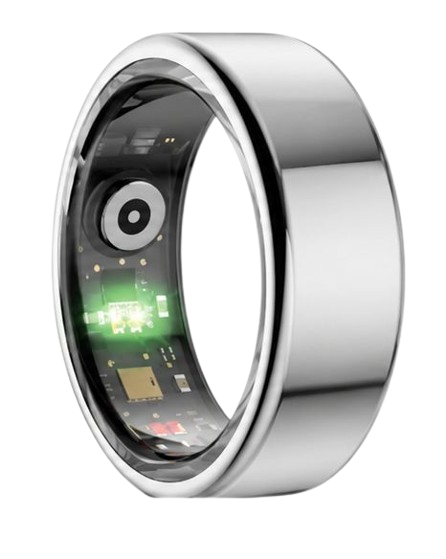
The Herz P1 Smart Ring solves this problem with its lightweight, low-profile design made from military-grade steel.
It sits comfortably on your finger, maintaining continuous contact with your blood vessels without causing sleep disruptions.
Another major frustration for wearable users is the hidden cost of ongoing monthly app subscription fees.
Many popular health brands lock your personal health data behind expensive paywalls after you buy their hardware.
We believe your health data belongs entirely to you, which is why the Herz P1 App is 100% free for a lifetime.
To help you see the differences, we have provided a clear comparison table of the leading wellness trackers below.
| Core Health Metric | Herz P1 Smart Ring | Standard Smartwatches | Traditional Wrist Bands |
|---|---|---|---|
| Ongoing Monthly Subscription | ✓ Zero Monthly Fees | ✗ Often requires $10/mo | ✗ Often locks advanced data |
| Sleep Wearability & Comfort | ✓ Lightweight ring (3.5g) | ✗ Bulky, heavy, and hot | ✗ Uncomfortable strap |
| Battery Longevity | ✓ 6 Days of Battery | ✗ Requires daily charging | ✓ 5 to 7 days |
| PPG Sensor Positioning | ✓ Finger base (strong signal) | ✗ Wrist bone (poor contact) | ✗ Wrist skin surface |
| Continuous HRV Tracking | ✓ Every 5 minutes | ✗ Periodically or on-demand | ✗ Only during sleep hours |
Frequently Asked Questions About Herz P1 and Metabolic Tracking
Is the Herz P1 Smart Ring waterproof?
Yes, the Herz P1 is fully certified with an IP68 waterproof rating, making it safe for continuous immersion in water up to 164 feet (50 meters).
You can confidently wear it while swimming, taking a hot shower, washing dishes, or relaxing in a dry sauna.
The seamless outer shell of the ring is constructed from military-grade steel to protect the inner sensors from moisture and pressure.
How long does the battery last, and how long does it take to charge?
The Herz P1 battery lasts up to 6 full days on a single charge under normal 24/7 operating conditions.
It features a rapid-charging design that takes under 1 hour to charge completely from 0% to 100%.
This allows you to quickly charge your ring during your morning shower, ensuring you never miss a single minute of health tracking.
Which finger is best to wear the Herz P1 Smart Ring on?
For the highest biometric tracking accuracy, we recommend wearing the Herz P1 on your index, middle, or ring finger.
These fingers have larger blood vessels near the skin surface, which allows our optical PPG sensors to capture clean heart rate signals.
Make sure the inner sensor bumps sit snugly against the palm side of your finger to maintain constant skin contact.
Does the Herz P1 store health data offline if my phone is not nearby?
Yes, the Herz P1 features local memory storage that can securely save up to 7 days of raw physiological data offline.
You can go on a long weekend trip or sleep without your smartphone in your bedroom without losing any of your metrics.
Once you open the companion app, the ring will automatically sync all your saved biometric data over a secure Bluetooth connection.
Conclusion
Stabilizing your post-meal glucose spikes is an essential foundation for reclaiming your daily focus and long-term metabolic health.
The subscription-free Herz P1 Smart Ring offers a reliable, comfortable, and military-grade tool to track your recovery trends every single day.
Ready to monitor your health every day? Explore the Herz P1 Smart Ring and see if it fits your lifestyle. Call: 1-866-479-1629 — our team can help you advise on the correct ring size and set personalized health goals.
Note: Individual results may vary depending on individual health conditions, age, and lifestyle habits. This article is intended for general health reference purposes only.
