

Managing diabetes requires a precise understanding of how summer fruits like peaches and blood sugar interact in your daily life. Fortunately, clinical research shows that you can enjoy this juicy stone fruit without experiencing a dangerous glycemic spike. By tracking your body’s subtle metabolic reactions with a premium wearable like the Herz P1 Smart Ring, you can decode real-time biometrics to balance your nutrition and energy levels naturally.
Built to Last. Save Up to 69% Today.
The Herz P1 Smart Ring tracks HRV, Sleep, Heart Rate & SpO2 around the clock. No subscriptions. No renewals. Ever.

In This Article
- The Glycemic Impact of Peaches: Why the glycemic index of peaches is safe for diabetics when managed correctly.
- Biometric Feedback Loops: How monitoring your heart rate variability (HRV) and sleep patterns helps you understand metabolic stress.
- Practical Portion Guide: Step-by-step methods to enjoy fresh peaches alongside other low-glycemic foods.
- Smart Ring Analytics: How the subscription-free Herz P1 tracks your recovery, autonomic nervous system, and sleep architecture.
Do Peaches Spike Blood Sugar? The Scientific Truth Revealed

Many people ask do peaches raise blood sugar when planning their seasonal diet.
The simple answer is that peaches do not cause severe blood sugar spikes when eaten in moderation.
Let us break down the science of peaches and blood sugar using a structured clinical perspective.
The peach glycemic index is surprisingly low.
Specifically, the average peach gi index sits at approximately 38.
Any food with a score under 55 is considered a low-glycemic food.
This low rating means the natural sugars in the fruit absorb into your bloodstream at a steady, manageable pace.
This process is highly beneficial for anyone wondering is peach good for diabetes.
The primary reason for this slow release is the fruit’s dietary fiber content.
One medium-sized fresh peach provides about 2.2 grams of dietary fiber.
This soluble fiber forms a gel-like substance in your digestive tract.
It slows down the enzymatic breakdown of simple carbohydrates.
As a result, your pancreas does not have to pump out an emergency flood of insulin to handle the sugar.
This makes peaches a much safer option than high-sugar tropical fruits.
For comparison, you might wonder is papaya high in sugar compared to stone fruits.
Papaya has a higher glycemic index of around 60, which requires much tighter portion control.
Similarly, you may ask are plums high in sugar when shopping for fresh organic produce.
Plums are actually very low in sugar and share a similar safe glycemic profile with peaches.
Eating peaches matters most when you pair them strategically with healthy proteins or fats.
Consuming a peach on an empty stomach might cause a faster rise in glucose than eating one after a balanced meal.
This metabolic reaction occurs systemically throughout your cardiovascular and endocrine networks.
A medium peach contains roughly 15 grams of total carbohydrates.
This portion fits comfortably within most diabetic daily meal plans.
However, every individual possesses a unique metabolic rate and insulin sensitivity.
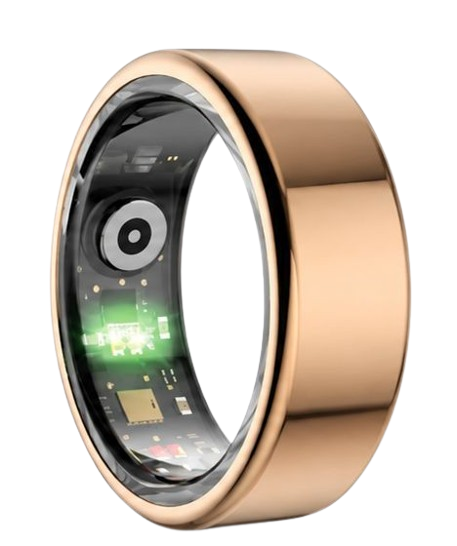
To track how your body responds to these foods in real time, the Herz P1 Smart Ring monitors sleep recovery patterns, stress markers, and physiological indicators 24/7 — explore it here.
90-Day 100% Money-Back Guarantee
“The Herz Smart Ring helps me manage stress easily. It’s accurate, stylish, and lightweight—perfect for my busy life!”
— Jennifer P. | ✔ Verified Customer
- ✓ 6-Day Battery Life
- ✓ Detailed Sleep Analysis
- ✓ Fast 1-Hour Charging
- ✓ iOS & Android Ready
Questions? Call: 1-866-479-1629
How Your Autonomic Nervous System and HRV Respond to Glucose Spikes

Your overall metabolic health and autonomic nervous system are closely linked.
When you experience a sudden surge in blood sugar, your body treats it as a mild physiological stress event.
The sympathetic nervous system activates to help process the sudden nutrient load in your bloodstream.
This shift causes a temporary drop in your heart rate variability, also known as HRV.
HRV measures the tiny, millisecond variations in time between consecutive heartbeats.
A higher HRV indicates a relaxed, resilient autonomic nervous system that adapts easily to changes.
A lower HRV shows that your body is working hard under physical or mental stress.
Understanding what is metabolic health requires looking at these continuous biometric patterns.
When you eat foods with a high glycemic index, your body works much harder to maintain homeostasis.
This extra metabolic effort lowers your overall autonomic recovery capacity during the day.
By tracking these subtle shifts, you can build true metabolic fitness over time.
According to the American Heart Association, keeping blood glucose within a stable range protects vascular health.
Large glycemic swings can damage delicate blood vessels over years of neglect.
This arterial stress can lead to systemic, low-grade inflammation.
This inflammation directly impacts your cardiac autonomic control mechanisms.
A low-glycemic fruit like a peach minimizes this physiological strain on your system.
Because the peach glycemic index is low, it does not trigger a dramatic stress response in your body.
Your HRV remains stable, reflecting a balanced and healthy internal state after eating.
Many wearable devices fail to capture these subtle shifts because they only sample heart rate occasionally.
The Herz P1 Smart Ring resolves this issue by monitoring your HRV every five minutes.
It utilizes highly accurate multi-wavelength PPG optical sensors built into the inner band.
These sensors capture autonomic signals directly from the rich capillary beds of your finger.
You can see exactly how your physical recovery responds to different foods in your daily routine.
This data empowers you to make smarter, personalized nutritional decisions every day.
Sleep Architecture and Blood Sugar: Why Overnight Glucose Spikes Ruin Your REM Cycles
Your dietary choices during the day directly influence your sleep quality at night.
This is particularly true for late-night snacks that alter your glucose levels.
If you eat high-glycemic foods before bed, your blood sugar spikes during the initial hours of sleep.
As insulin works to bring glucose down, your body may experience mild nocturnal hypoglycemia.
This sudden drop in sugar triggers the release of cortisol and adrenaline into your bloodstream.
These stress hormones are designed to raise your blood sugar back to a safe level quickly.
However, they also cause sudden micro-arousals that you might not even remember.
These micro-arousals fragment your sleep architecture and keep you from getting deep rest.
They are especially disruptive to your REM and deep sleep cycles.
The National Sleep Foundation states that stable glucose levels are vital for healthy, deep sleep.
Deep sleep is when physical tissues repair and growth hormone levels balance.
REM sleep is crucial for cognitive processing, emotional regulation, and memory consolidation.
If you are wondering is peach good for diabetes at night, the answer lies in smart portion control.
A small slice of peach paired with some raw almonds makes an excellent bedtime snack.
The healthy fats and protein in the almonds further slow the absorption of fructose.
This keeps your overnight glucose curve incredibly flat.
Other summer fruits may affect your sleep patterns differently depending on their glycemic load.
For example, you might ask is cantaloupe good for a diabetic before sleep.
Cantaloupe has a slightly higher glycemic index than peaches and should be consumed carefully.
Therefore, it requires smaller portions to prevent overnight sleep disruptions and blood sugar spikes.
You might also wonder is honeydew good for diabetics who struggle with sleep quality.
Honeydew melon possesses a moderate glycemic index and should be consumed in moderation during the day.
Peaches remain one of the most reliable and delicious options for late-afternoon or evening cravings.
The Herz P1 Smart Ring tracks your precise sleep stages with an 82% agreement rate versus medical polysomnography.
It monitors your deep, REM, light, and awake cycles continuously without disturbing your rest.
If you experience a midnight glucose crash, the Herz P1 will log a sudden spike in overnight stress levels.
This gives you the precise biofeedback needed to adjust your evening meals for optimal health.
Practical Application Guide: Balancing Peaches and Blood Sugar in Your Daily Life

Enjoying summer fruits does not require complete restriction or anxiety about your health.
You simply need to learn how to balance your plate using scientific portion methods.
Here is a practical guide to incorporating peaches into a diabetic-friendly lifestyle.
First, always focus on food pairing to slow down digestion.
Never eat a peach completely by itself if you are highly sensitive to sugar.
Instead, combine it with a high-quality source of lean protein or healthy fat.
For example, you can slice a fresh peach into unsweetened Greek yogurt.
The protein and fat in the yogurt slow down gastric emptying in your stomach.
This technique significantly flattens your post-meal glucose curve.
Second, watch your portion sizes closely when planning meals.
One medium peach is the perfect serving size for most people managing diabetes.
Avoid canned peaches that are packed in heavy sugary syrup.
These canned varieties contain massive amounts of added sugars that cause high glycemic reactions.
They will easily cause the rapid blood sugar spikes you want to avoid.
Third, timing is incredibly important for metabolic regulation.
The best time to eat fruit is during or immediately after physical activity.
Your muscles use glucose for energy during exercise, pulling it straight from your blood.
This means your body can absorb the fructose from the peach without requiring as much insulin.
Using the Herz P1 Smart Ring makes monitoring these lifestyle changes incredibly simple.
The companion app provides a clear, daily wellness score based on your body’s signals.
You can easily see how your sleep and recovery metrics improve as your diet stabilizes.
The ring is made of military-grade steel and is completely waterproof up to 164 feet.
This means you can wear it during intense workouts, swims, and hot showers.
You never have to take it off, ensuring you capture every single biometric data point.
Analyzing Your Daily Metabolic Trends via Heart Rate Variability
Your cardiovascular system responds to nutritional stress in real time.
When you consume a meal that causes systemic inflammation, your resting heart rate often rises.
At the same time, your HRV will drop as the sympathetic nervous system takes over control.
By checking the Herz P1 app every morning, you can identify these subtle patterns.
The app displays easy-to-read charts of your HRV trends over the last 7 days.
If you notice your average HRV is rising, your metabolic fitness is improving.
This shows your healthy lifestyle changes and food pairings are working well.
If your HRV drops suddenly, it may indicate a need to adjust your diet.
This level of continuous, subscription-free tracking helps you take control of your health.
You no longer have to guess how your body is responding to summer fruits.
Overcoming Health Tracking Risks and Common Wearable Mistakes
Many people buy expensive, heavy smartwatches to monitor their health.
However, they quickly run into several frustrating problems during daily wear.
First, wearing a bulky, heavy smartwatch to sleep is highly uncomfortable for most users.
The thick watch casing often presses against your skin and wrist bone.
This discomfort can cause micro-arousals that ruin your sleep data accuracy.
The watch may also shift during the night, leading to missed heart rate readings.
The Herz P1 Smart Ring solves this comfort issue completely for all-day wear.
It is incredibly lightweight and weighs only a few grams on your finger.
The sleek, rounded inner band sits flush against your skin for perfect contact.
You will barely notice it is on your finger while you sleep soundly.
Second, many popular wearable brands charge hidden fees to access your data.
They lock your personalized health metrics behind expensive monthly app subscriptions.
This means you must pay a recurring fee just to view your own heart rate and sleep trends.
This ongoing cost can quickly add up to hundreds of dollars over a few years.
The Herz P1 App is entirely free for a lifetime with no hidden charges.
There are no hidden fees, paywalls, or monthly subscriptions of any kind.
You get full, unrestricted access to all your biometric reports forever.
Third, many wearable devices are made of fragile, plastic materials.
They can easily scratch, crack, or break during daily chores or intense workouts.
The Herz P1 is crafted from highly durable, military-grade steel.
It is designed to withstand heavy daily wear, gym sessions, and outdoor adventures.
It also features an IP68 waterproof rating for maximum moisture protection.
This means you do not have to remove it when washing dishes, swimming, or showering.
By choosing a durable, subscription-free smart ring, you protect both your wallet and your health data.
Frequently Asked Questions About Peaches, Diabetes, and Smart Rings
To help you optimize your health, we have gathered the most common questions from our community.
Here are the clear, scientific answers you need to make informed decisions.
Is the Herz P1 Smart Ring waterproof?
Yes, the Herz P1 Smart Ring is fully waterproof with an IP68 rating.
It is certified for continuous submersion in water up to 164 feet deep.
This makes it completely safe for lap swimming, showering, bathing, and washing your hands.
You never have to worry about water damage during your daily routines or exercise.
How long does the Herz P1 battery last on a single charge?
The Herz P1 features an advanced, highly energy-efficient battery.
It provides up to 6 days of continuous, 24/7 biometric tracking.
When the battery runs low, it charges from 0% to 100% in under 1 hour.
This rapid charge time ensures you never miss important sleep or stress data.
Which finger is the best to wear the smart ring on?
For the highest tracking accuracy, we recommend wearing the ring on your index, middle, or ring finger.
The blood vessels in these fingers are close to the surface of the skin.
This allows the optical PPG sensors to capture clean, reliable heart rate signals.
Make sure the ring fits snugly but comfortably without rotating too easily on the digit.
Does the Herz P1 store biometric data offline?
Yes, the Herz P1 has built-in local memory storage for your convenience.
It can securely store up to 7 days of historical health data offline.
When you reconnect the ring to your smartphone via Bluetooth, all data syncs automatically.
This means your tracking is never interrupted, even during long flights or off-grid trips.
Can diabetics eat fresh peaches every single day?
Yes, diabetics can eat fresh peaches daily as part of a balanced diet.
You should focus on portion control and healthy food pairings to protect your sugar levels.
One medium peach contains about 15 grams of carbohydrates and plenty of healthy fiber.
Pairing the fruit with a handful of walnuts or unsweetened Greek yogurt is highly recommended.
This approach helps keep your post-meal blood sugar curve incredibly stable over time.
Conclusion
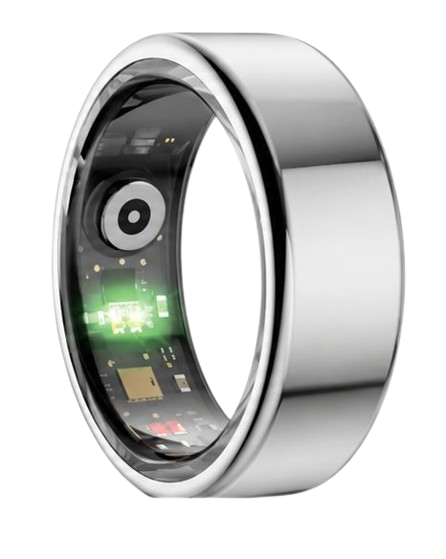
Ready to monitor your health every day? Explore the Herz P1 Smart Ring and see if it fits your lifestyle. Call: 1-866-479-1629 — our team can help you advise on the correct ring size and set personalized health goals.
