
Understanding the core principles of thermotherapy is the first step toward optimizing your muscle recovery and unlocking profound sleep benefits. If you struggle with persistent muscle soreness or wake up feeling unrefreshed, incorporating strategic thermal sessions into your routine can transform your physical wellbeing. By tracking your body’s cardiovascular response to these sessions with the Herz P1 Smart Ring, you can directly monitor physiological shifts without dealing with bulky smartwatches or restrictive monthly subscription fees.
Built to Last. Save Up to 69% Today.
The Herz P1 Smart Ring tracks HRV, Sleep, Heart Rate & SpO2 around the clock. No subscriptions. No renewals. Ever.
In This Article
- Learn how to design and execute a highly effective thermotherapy protocol for athletic recovery.
- Explore the deep biological mechanisms of thermal therapy, including blood flow, vasodilation, and microcirculation.
- Discover the critical link between evening sauna sessions, heart rate reduction, and deep sleep architecture.
- Compare heat and cold exposure techniques to master contrast therapy and autonomic nervous system conditioning.
- Understand how to track your body’s cardiovascular response to heat using a comfortable, subscription-free smart ring.
How to Utilize Thermotherapy for Muscle Recovery: A Step-by-Step Guide
Before beginning your thermal recovery journey, you must gather a few basic items to ensure a safe and highly productive session.
You will need access to a reliable heat source, such as a dry sauna, steam room, warm bath, or electric heating pad.
You also need a large bottle of mineral-rich water to maintain hydration, a clean towel, and a comfortable environment to cool down afterward.
Finally, prepare a wearable tracker like the Herz P1 Smart Ring to log your physiological response and overnight recovery metrics.
-
Step 1: Define Your Recovery Goals and Heat Medium
Setting a precise physical objective is the foundation of any successful thermal session.
You must decide if your focus is relieving immediate muscle tightness or boosting systemic blood flow.
If you choose dry saunas, your goal is likely systematic relaxation and sweating.
If you prefer warm baths or steam rooms, you are targeting localized myofascial release.
For acute muscle soreness, localized heat application works best.
For general physical exhaustion, whole-body thermal exposure is superior.
Consider your current readiness score before stepping into a high-temperature environment.
High cardiovascular strain requires a gentler heat approach.
Low strain means your body can tolerate a more intense thermal stimulus.
Always match the temperature of your selected medium to your current level of fatigue.
Write down your session goals so you can trace your biometric progress over time.
Clear targets ensure you do not over-stress your nervous system during recovery.
This targeted planning forms the foundation of smart athletic biohacking.
-
Step 2: Prepare Your Body and Monitor Hydration
Proper hydration is a non-negotiable step before exposing your body to intense heat.
Thermal exposure causes immediate fluid loss through heavy sweating.
You must consume at least sixteen ounces of mineral-rich water prior to your session.
Dehydration thickens the blood and artificially elevates your heart rate.
This cardiovascular strain can skew your resting biometric readings.
Ensure your skin is clean and free of heavy lotions that block sweat glands.
Enter the sauna or warm bath in a calm, focused state of mind.
Taking deep, belly breaths prepares your autonomic nervous system for the heat stimulus.
If you feel lightheaded before starting, postpone the session immediately.
Your body must be in a stable baseline state to reap the benefits of heat.
Hydration status directly impacts how quickly your body recovers from thermal stress.
Keep a water bottle nearby during the preparation phase to maintain fluid balance.
Preparing your body ensures safety and maximizes muscle-relaxation outcomes.
-
Step 3: Implement the Heat Session and Track Duration
Limit your initial heat exposure to between fifteen and twenty minutes maximum.
Beginners should start with shorter intervals to build thermal tolerance.
Keep the temperature of a dry sauna between 150 and 175 degrees Fahrenheit.
If using a warm bath, aim for a comfortable 100 to 104 degrees Fahrenheit.
During the session, focus on slow, rhythmic breathing to engage your parasympathetic nervous system.
This breathing pattern helps lower your perceived exertion in the heat.
Heat promotes vasodilation, which dramatically increases microcirculation to tired muscles.
This process delivers oxygen and vital nutrients while flushing out metabolic waste.
Exit the heat immediately if you experience dizziness, nausea, or rapid heart palpitations.
Tracking how your heart rate adapts in real time is critical for safety.
Consistent heat application teaches your cardiovascular system to become more efficient.
Over time, you will notice your body handles physical stressors with greater ease.
This adaptive response is a key mechanism of athletic recovery.
-
Step 4: Execute a Controlled Cool-Down Period
Transitioning out of a high-heat environment requires a careful, gradual approach.
Do not immediately jump into a freezing cold pool or take an ice-cold shower.
Spend five to ten minutes resting in a room-temperature environment first.
Wrap yourself in a dry towel to prevent your body temperature from dropping too rapidly.
Drink another glass of water containing electrolytes to replace lost sodium and potassium.
A sudden temperature crash can shock your cardiovascular system and trigger a stress response.
Your goal is to gently guide your autonomic nervous system back to baseline.
Lie down or sit quietly while your breathing returns to its normal rhythm.
This transition phase is when your body begins the deep process of tissue repair.
Allowing a natural cool-down prevents post-sauna headaches and lingering fatigue.
It also prepares your heart to settle into a calm, restorative state before sleep.
Treat the cool-down with the same respect as the heat session itself.
-
Step 5: Evaluate Long-Term Biometric Responses
Evaluating your overnight biometric data is the final, crucial step of this recovery guide.
Check your resting heart rate the morning after a thermal session.
A lower sleeping heart rate indicates that your body successfully processed the thermal stress.
You should also analyze how to improve hrv trends to verify your autonomic balance.
A rise in heart rate variability suggests that your parasympathetic nervous system is dominant.
Compare these metrics to nights when you did not use thermal therapy.
Consistent tracking helps you identify the optimal frequency of your heat sessions.
You might find that three sauna sessions per week yield the best recovery scores.
Keep a digital journal of your subjective muscle soreness alongside your ring data.
Over thirty days, these insights will reveal your personal blueprint for physical recovery.
Data-driven recovery eliminates the guesswork and protects you from overtraining.
This analytical approach empowers you to make proactive choices for your long-term health.
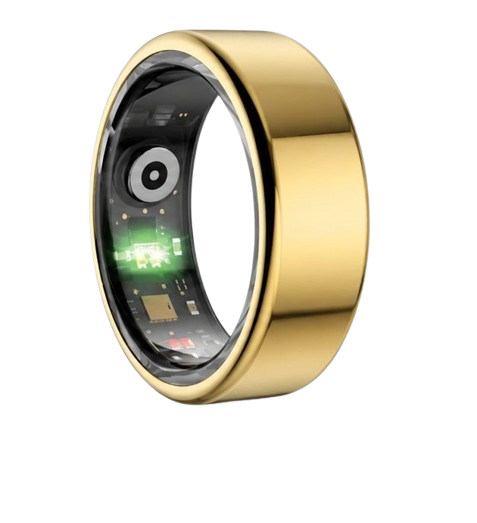
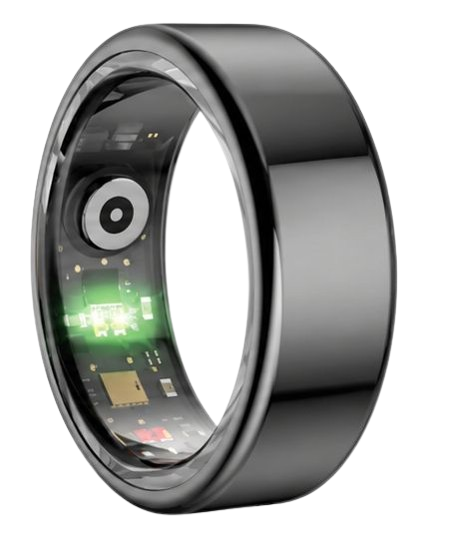
The Herz P1 Smart Ring makes tracking this thermal recovery journey seamless and effortless.
While bulky smartwatches are uncomfortable to wear during sleep or in hot environments, our ultra-lightweight ring sits comfortably on your finger.
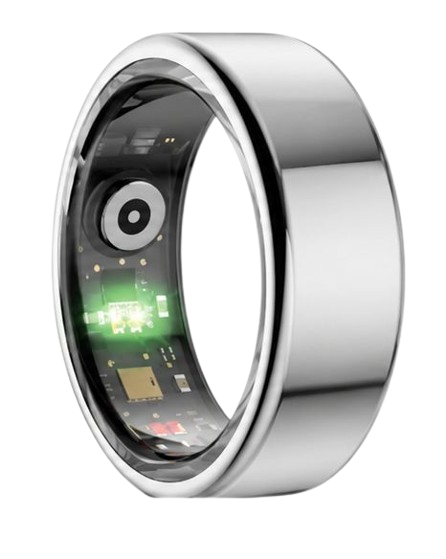
Built from military-grade steel and boasting an IP68 waterproof rating, the Herz P1 is designed to withstand both sweat and hot baths.
The advanced optical sensors monitor your biometrics 24/7 without requiring any manual tracking.
You can view all your trend data in our free companion app with zero monthly subscription fees.
It acts as your personal digital health assistant, delivering precise insights on your recovery.
Try the Herz P1 Smart Ring risk-free with our 90-day money-back guarantee.
It is the ultimate tool for anyone serious about mastering muscle recovery and thermal health.
Elevate your physical rehabilitation today with a wearable that prioritizes comfort and accuracy.
Experience the freedom of comprehensive health tracking without recurring software costs.
90-Day 100% Money-Back Guarantee
“The Herz Smart Ring helps me manage stress easily. It’s accurate, stylish, and lightweight—perfect for my busy life!”
— Jennifer P. | ✔ Verified Customer
- ✓ 6-Day Battery Life
- ✓ Detailed Sleep Analysis
- ✓ Fast 1-Hour Charging
- ✓ iOS & Android Ready
Questions? Call: 1-866-479-1629
Understanding Thermotherapy: Definition, Physiology, and Vasodilation
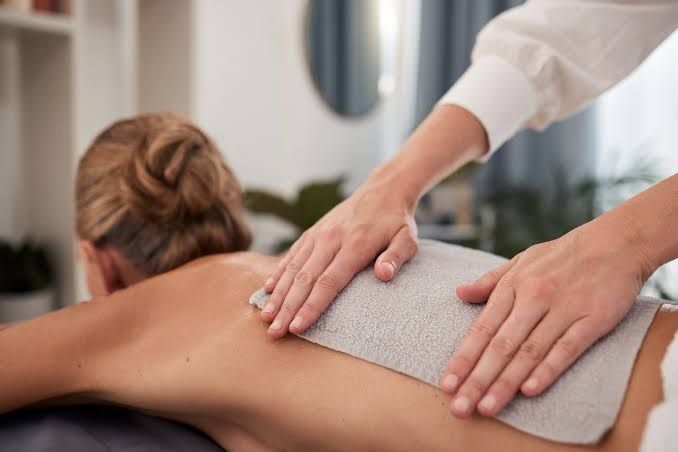
To understand how heat heals, we must establish a clear thermotherapy definition and explore its physiological mechanisms.
At its core, what is thermotherapy but the therapeutic application of heat to the body to encourage physical rehabilitation?
Sometimes referred to as thermal therapy or thermo therapy, this practice dates back to ancient civilizations who utilized natural hot springs.
Modern medical science confirms that applying heat triggers immediate systemic changes in your blood vessels.
This process is known as vasodilation, where blood vessels expand to accommodate increased blood flow.
Vasodilation dramatically enhances microcirculation, delivering a rush of oxygenated blood to damaged muscle tissues.
The increased blood supply brings essential nutrients like amino acids and glucose directly to fatigued muscle fibers.
Simultaneously, this enhanced circulation accelerates the removal of metabolic waste products like lactic acid.
Reducing the buildup of these waste products is crucial for mitigating delayed onset muscle soreness.
According to the American Heart Association, heat exposure also reduces cardiovascular stiffness and improves overall vascular function.
This physiological response acts as a gentle, passive workout for your blood vessels and heart muscle.
The soothing warmth also helps to decrease muscle spasm activity and increase joint range of motion.
This makes it an invaluable tool for both active athletes and individuals recovering from chronic physical strain.
By understanding these cellular mechanisms, you can appreciate why heat is such a powerful recovery aid.
Tracking these internal cardiovascular shifts is simple when you possess the correct biometric tracking tools.
With continuous monitoring, you can watch your body adapt to these thermal stressors over time.
Thermal Therapy and Sleep Architecture: Sauna Before Bed
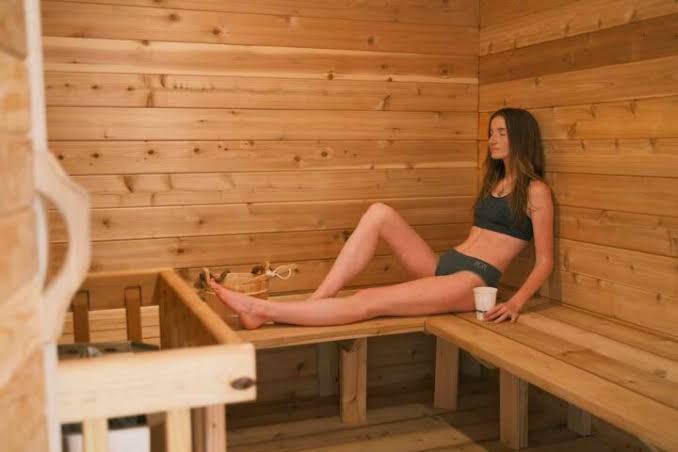
One of the most profound benefits of evening thermal therapy is its dramatic impact on your sleep architecture.
Taking a warm bath or using a sauna before bed helps regulate your body’s internal thermostat.
The National Sleep Foundation notes that a rapid decline in core body temperature signals the brain that it is time to sleep.
When you expose your skin to heat, blood rushes to your extremities, allowing heat to dissipate rapidly once you exit.
This cooling effect mimics the natural temperature drop that occurs during the transition into deep rest.
By accelerating this temperature shift, you can fall asleep faster and experience higher-quality recovery.
Understanding the balance between deep sleep vs light sleep is essential for evaluating your nightly restoration.
Deep sleep is the critical stage where your muscles repair, tissues grow, and growth hormones are released.
Many people ask, why do i wake up tired even after spending eight full hours in bed?
The culprit is often a severe deficit in deep, slow-wave sleep caused by high evening stress levels.
Exposing your body to heat before sleep promotes the release of endorphins and reduces circulating cortisol.
This shift in neurochemistry calms your mind and prepares your body for uninterrupted physical healing.
Your heart rate naturally slows down, allowing your cardiovascular system to rest deeply overnight.
Observing these intricate sleep patterns requires an incredibly precise and comfortable wearable tracking device.
With the right data, you can confirm whether your evening thermal habits are truly driving deep-sleep improvements.
Over time, optimizing this pre-bed routine will lead to brighter mornings and sustained daytime energy.
The Science of Contrast Therapy: Heat vs. Cold Exposure
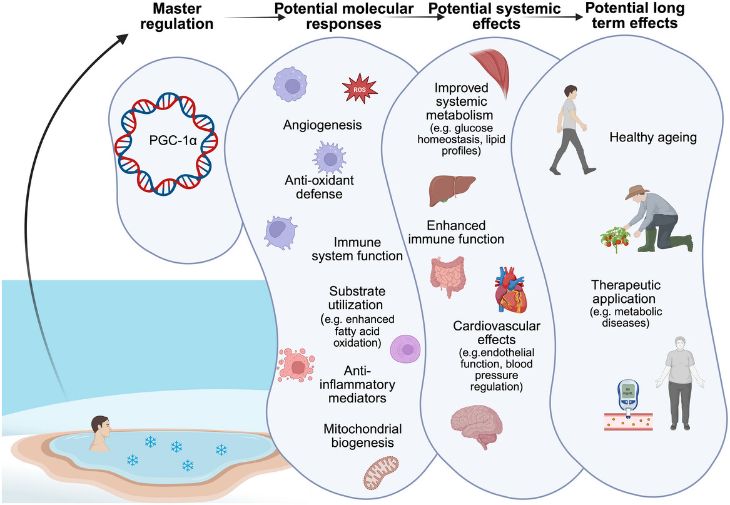
Alternating between hot and cold environments, known as contrast bath therapy, is a legendary recovery protocol.
This technique harnesses the power of both extreme heat and strategic cold exposure to stimulate your tissues.
When you apply heat, your blood vessels dilate to increase blood flow and relax muscle tension.
When you plunge into cold water, those same blood vessels rapidly constrict to protect your core organs.
This rapid alternation creates a powerful “pumping” action within your circulatory and lymphatic systems.
This biological pump flushes out stagnant fluids, swelling, and metabolic waste from damaged muscle tissues.
It also stimulates your autonomic nervous system, challenging both the sympathetic and parasympathetic branches.
The cold exposure triggers a brief, controlled stress response, followed by a deep rebound into relaxation.
This autonomic exercise strengthens your body’s ability to handle physical and psychological stress over time.
Many athletes use contrast therapy to accelerate recovery after intense endurance workouts or competitive matches.
It provides a non-invasive way to reduce joint stiffness and alleviate acute muscular discomfort.
However, executing this advanced protocol requires careful attention to your body’s physiological limits.
Monitoring how your resting vitals respond to contrast sessions is crucial for preventing excessive nervous system fatigue.
If your overnight recovery scores drop after a session, it is a sign to reduce the intensity of the cold stimulus.
Balancing hot and cold therapies ensures you reap the maximum benefits of physical rehabilitation.
Using smart metrics helps you tailor this powerful technique to your body’s unique daily needs.
Monitoring Thermal Recovery with the Herz P1 Companion App
Transforming raw physiological data into actionable wellness strategies is incredibly simple with the Herz P1 companion app.
Our software was built to help you decode vital body signals without any confusing medical jargon.
Once you open the app, you will see a clear, intuitive dashboard displaying your daily metrics.
You can easily analyze your overnight trends to see the direct physical impact of your evening saunas.
The software allows you to understand how to read sleep graphs to pinpoint when deep-sleep cycles occur.
If you notice your deep sleep increased after a warm bath, you have found a winning routine.
You can also view your real-time heart rate variability trends to assess your nervous system’s stress levels.
Our advanced optical sensor takes biometric readings every five minutes to build a highly detailed health profile.
Because the Herz P1 is designed for comfortable 24/7 wear, you will forget you are even wearing it.
Unlike bulky wrist trackers that scratch your skin and disrupt your sleep, our ring sits quietly on your finger.
The military-grade steel construction ensures it remains scratch-free during heavy gym workouts or chores.
You can wear it in the shower, the sauna, or the pool thanks to the robust IP68 waterproof design.
This seamless integration into your daily life ensures you never miss a single minute of tracking data.
Accessing your physical insights should be a lifetime benefit, not a costly recurring luxury.
That is why our app features zero monthly subscription fees, ensuring your data belongs entirely to you.
Avoiding Heat Tracking Pitfalls and Wearable Discomfort
Many health enthusiasts make the critical mistake of wearing heavy, bulky smartwatches to monitor their sleep.
These large wrist-bound devices frequently shift during the night, resulting in fragmented and inaccurate sensor readings.
They are also incredibly uncomfortable, often waking you up and defeating the entire purpose of tracking.
Another common pitfall is falling for hidden subscription traps that lock your health data behind monthly paywalls.
We believe you should never have to pay a recurring fee to access your own personal biometric data.
That is why the Herz P1 app is entirely free for a lifetime, with no annoying paywalls or renewals.
When practicing thermotherapy, it is also crucial to avoid physical over-exposure and severe dehydration.
Staying in a hot sauna for too long can cause excessive cardiovascular strain and drive down your HRV.
Always listen to your body’s subtle warning signals rather than forcing yourself to hit a specific time goal.
If you feel dizzy or experience heart palpitations, exit the heat immediately and sip mineral-rich water.
Balancing active heat exposure with proper physical rest is the key to unlocking long-term wellness benefits.
With the right wearable companion, you can safely navigate your thermal recovery journey with total confidence.
FAQ – Thermotherapy and Biometric Tracking
Yes, the Herz P1 features an exceptional IP68 waterproof rating.
This certifies that the ring is fully protected against dust and continuous water submersion.
You can safely wear it while swimming, showering, bathing, or washing your hands.
It is designed to withstand depths of up to 164 feet, making it perfect for aquatic workouts.
The hermetically sealed military-grade steel shell prevents any water from reaching the advanced optical sensors.
You can even keep it on during intense, sweat-inducing dry sauna sessions without worrying about damage.
The Herz P1 delivers a highly impressive six days of battery life on a single charge.
This allows you to track your biometrics continuously without the anxiety of a daily charging routine.
Our advanced power-saving technology ensures the ring monitors your heart rate and sleep patterns efficiently.
When you do need to charge, the device reaches full power in under one hour.
Simply place it on the sleek magnetic charging dock while you take your morning shower.
This lightning-fast charging cycle makes maintaining a consistent health profile incredibly convenient.
The index finger is the highly recommended choice for achieving the most accurate optical sensor readings.
This finger typically has a strong blood flow profile near the skin’s surface, which helps the PPG sensors.
However, the middle finger and ring finger are also excellent alternative options that provide highly reliable data.
Ensure the ring fits snugly but comfortably around the base of your chosen finger.
It should not slide around easily, but it should still allow you to rotate it with a gentle pull.
We provide a complimentary sizing kit with every order to help you discover your perfect fit.
Yes, the Herz P1 is engineered with local memory that stores up to seven days of biometric data offline.
This means you do not need to keep your smartphone nearby or connected to Bluetooth at all times.
The ring will continue to track your heart rate, HRV, sleep cycles, and SpO2 levels silently.
Once you open the companion app near your phone, all stored data will sync automatically in seconds.
This feature is incredibly useful for off-grid camping trips, long flights, or tech-free sleep environments.
You can rest easy knowing that your valuable physiological data is never lost or interrupted.
Conclusion
Embracing thermotherapy is a scientifically proven pathway to faster muscle recovery and deeper, more restorative sleep.
By pairing your physical sessions with the Herz P1 Smart Ring, you gain complete, subscription-free control over your daily biometric data.
Ready to monitor your health every day? Explore the Herz P1 Smart Ring and see if it fits your lifestyle. Call: 1-866-479-1629 — our team can help you advise on the correct ring size and set personalized health goals.
