

Many people struggle with waking up frequently during the night, yet they fail to understand how much of this restlessness is normal. Tracking your average awake time during sleep is the first step toward reclaiming your energy and health. The Herz P1 Smart Ring continuously tracks your overnight biometric data to help you decode sleep disruptions without bulky equipment or expensive subscriptions.
Built to Last. Save Up to 69% Today.
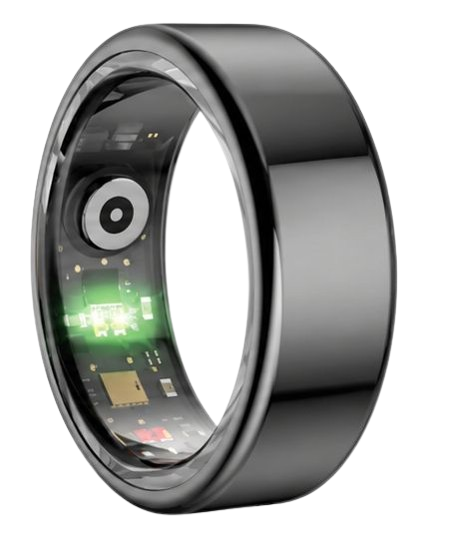
The Herz P1 Smart Ring tracks HRV, Sleep, Heart Rate & SpO2 around the clock. No subscriptions. No renewals. Ever.
In This Article
- Discover how much average awake time during sleep is healthy for your body.
- Learn how smart ring sensors track micro-awakenings and sleep efficiency.
- Explore clinical strategies to reduce waking up during sleep and wake up refreshed.
- Find out how to read and analyze your nightly sleep charts with the Herz P1.
What is the Average Awake Time During Sleep? Here’s What the Research Says
Understanding your sleep architecture is critical for long-term health.
The term average awake time during sleep refers to the total duration of wakefulness after you initially fall asleep.
In sleep medicine, this metric is widely known as Wake After Sleep Onset, or WASO.
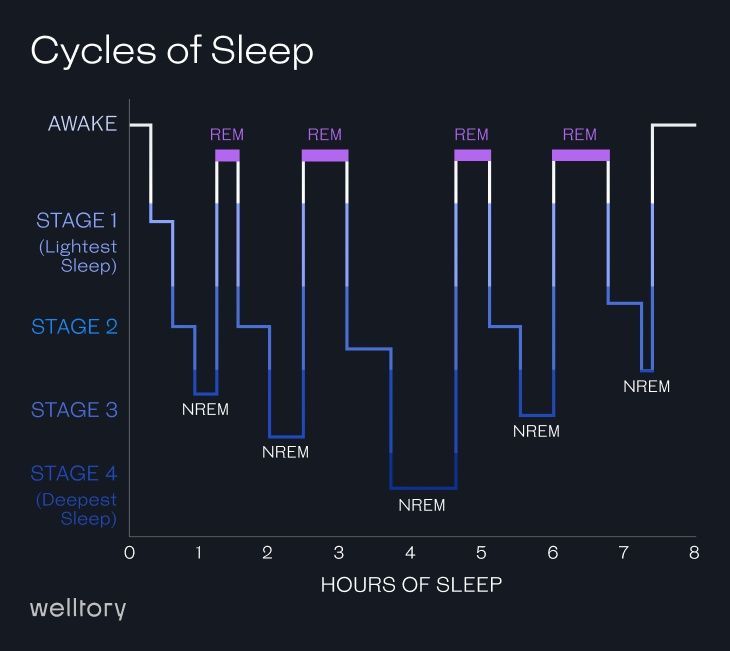
Every adult experiences brief micro-awakenings throughout the night as they transition between various sleep cycles.
Most of these awakenings last only a few seconds, leaving no conscious memory when you wake up in the morning.
According to the National Sleep Foundation, an average awake time of up to 20 to 30 minutes per night is entirely normal.
This normal range typically constitutes about 5% to 10% of your total time spent in bed.
If you spend more than 30 minutes awake each night, your sleep efficiency may be dropping below optimal levels.
Sleep scientists measure sleep efficiency as the ratio of total sleep time to the total time spent in bed.
An efficiency score above 85% is widely considered healthy and restorative for most adult populations.
If you spend 8 hours in bed but are awake for 60 minutes, your sleep efficiency drops to approximately 87.5%.
While this seems high, even minor decreases can affect your daytime cognitive functions, memory recall, and physical coordination.
Poor sleep efficiency can leave you wondering why do i wake up tired even after spending a full eight hours in bed.
These disruptions affect busy professionals, parents, and older adults who face daily physiological and psychological stressors.
Micro-awakenings typically occur during the transitions between light sleep stages and REM sleep.
Your body naturally enters a lighter sleep state every 90 to 120 minutes as a protective evolutionary mechanism.
However, environmental factors like noise, sudden light, or temperature fluctuations can prolong these waking windows.
Physiological triggers such as elevated heart rate or drops in blood oxygen levels also play a major role in keeping you awake.
To accurately monitor these patterns, medical researchers historically relied on overnight polysomnography tests in sleep laboratories.
Today, advanced biometric sensors allow you to monitor these micro-disruptions from the comfort of your home.
Our team developed the Herz P1 Smart Ring to provide precise sleep analysis without the hassle of bulky clinical equipment.
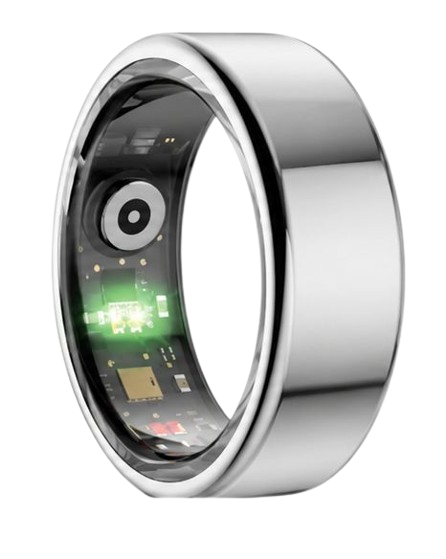
If you want to track this in real time, the Herz P1 Smart Ring monitors your sleep stages 24/7 — explore it here.
90-Day 100% Money-Back Guarantee
“The Herz Smart Ring helps me manage stress easily. It’s accurate, stylish, and lightweight—perfect for my busy life!”
— Jennifer P. | ✔ Verified Customer
- ✓ 6-Day Battery Life
- ✓ Detailed Sleep Analysis
- ✓ Fast 1-Hour Charging
- ✓ iOS & Android Ready
Questions? Call: 1-866-479-1629
Understanding Waking Up During Sleep: The Biological Drivers
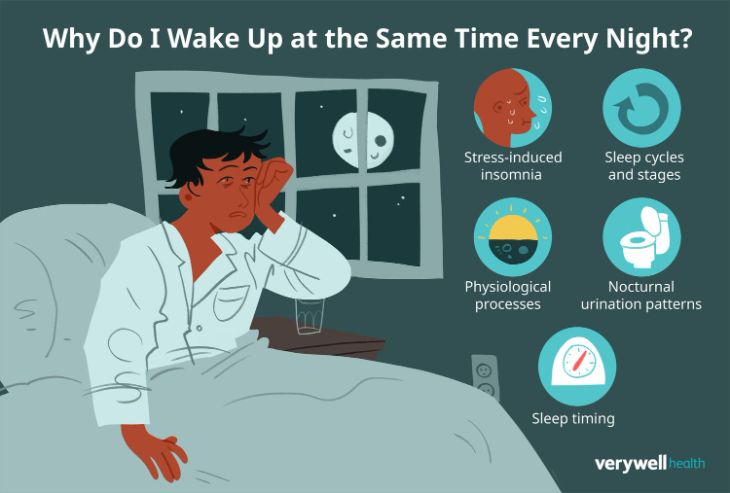
Frequent awakenings can indicate that your body is struggling to maintain autonomic stability during the night.
Your autonomic nervous system continuously balances the sympathetic “fight-or-flight” and parasympathetic “rest-and-digest” pathways.
When stress levels are high, cortisol and adrenaline remain elevated even during deep sleep states.
This hormonal imbalance prevents your heart rate from dropping to its lowest, most restorative nightly baseline.
The American Heart Association notes that an elevated resting heart rate during sleep is closely linked to higher cardiovascular strain.
A sudden spike in heart rate can trigger the brain to wake up, causing fragmented sleep cycles.
This biological process explains why you might find yourself waking up during sleep at the exact same hour every single night.
These sudden awakenings are often accompanied by a drop in blood oxygen saturation levels, also known as SpO2.
When your throat muscles relax too much, minor airway blockages cause transient, brief drops in blood oxygen levels.
The brain immediately detects this oxygen drop and triggers a micro-arousal to restore proper, unobstructed breathing.
You might not remember these quick events, but they dramatically reduce your overall sleep quality and next-day energy.
In addition to stress hormones, lifestyle factors like late-night screen exposure can trigger nocturnal wakefulness.
Artificial blue light suppresses the natural secretion of melatonin, a hormone essential for sleep onset and maintenance.
When melatonin levels are low, your body is much more susceptible to waking up at the end of each sleep cycle.
By tracking your nightly metrics, you can identify if a lifestyle habit is causing these physiological awakenings.
By tracking these subtle physiological fluctuations, you can identify the hidden patterns behind your restless nights.
The Herz P1 Smart Ring utilizes dual-wavelength photoplethysmography sensors to capture these vital fluctuations with professional accuracy.
Our device monitors heart rate variability (HRV) and blood oxygen saturation to help you identify the root causes of sleep fragmentation.
How Smart Rings Track Sleep Stages and Micro-Awakenings
Modern consumer technology has made it incredibly simple to monitor complex sleep architecture without wires.
Many users look up their awake time during sleep oura and seek a comparable, high-fidelity alternative.
The finger is actually the ideal anatomical location for capturing high-quality physiological signals.
The digital arteries in your fingers are much closer to the skin surface compared to the blood vessels in your wrist.
This structural advantage allows smart rings to collect cleaner pulse wave data than traditional wrist-based smartwatches.
A high-precision track sleep awakenings smart ring uses advanced photoplethysmography to measure blood flow changes.
The ring projects light into the blood vessels and measures how much light is reflected back to the sensor.
When your heart beats, blood volume in the finger increases, altering the reflected light pattern.
The PPG sensors in a smart ring capture blood pulse volume changes at a very high sampling frequency.
This continuous sampling allows the device to detect subtle variations in your heart rhythm, known as pulse rate variability.
These micro-variations correspond closely with changes in your autonomic nervous system activity during sleep transitions.
By pairing this cardiovascular data with motion signals, the algorithm classifies each epoch into specific sleep stages.
By analyzing these pulse patterns, the sleep algorithm calculates your respiratory rate, HRV, and active sleep stages.
An integrated 3-axis accelerometer tracks minor hand movements to distinguish between deep sleep, light sleep, and active wakefulness.
If you move your hand frequently, the ring records this as an active arousal period on your timeline.
This combined approach ensures that even minor movements are logged with impressive clinical accuracy.
With the Herz P1, you gain access to these detailed metrics without paying any monthly app subscription fees.
Deep Sleep vs. Light Sleep Disruptions
To optimize your physical recovery, you must understand how your brain moves between different sleep phases.
Your body requires a healthy balance of deep sleep vs light sleep to function properly during the day.
Deep sleep is the physically restorative stage where muscle tissues repair and cellular energy is replenished.
During light sleep, your brain processes memories and cleanses itself of metabolic waste accumulated during the day.
If you experience frequent micro-awakenings, your brain may fail to transition smoothly into deeper, more restorative cycles.
This cycle interruption leaves you feeling physically exhausted and mentally foggy the next morning.
By learning how to get longer deep sleep, you can naturally reduce your average awake time during the night.
The Herz P1 Smart Ring uses advanced multispectral sensors to detect these transitions with clinical precision.
It helps you visualize exactly when your sleep is disrupted so you can adjust your lifestyle accordingly.
Practical Ways to Improve Sleep Efficiency and Reduce Awake Time

Reducing your nightly wakefulness requires a combination of behavioral changes and environmental optimization.
Many people ask how much awake time is normal during sleep and how they can lower their own metrics.
The most effective strategy is to maintain a consistent sleep-wake schedule, even on weekends.
Going to bed and waking up at the exact same time helps anchor your body’s circadian rhythm.
A stable circadian rhythm minimizes the release of cortisol during the late-night hours.
You should also optimize your sleep environment by keeping your bedroom cool, dark, and quiet.
The ideal sleeping temperature for most adults is between 60 and 67 degrees Fahrenheit.
Avoid consuming heavy meals, alcohol, or caffeine within four hours of your bedtime.
While alcohol may make you fall asleep faster, it severely fragments your sleep architecture during the second half of the night.
Blue light exposure from smartphones and computer screens also suppresses natural melatonin production.
Try to replace screen time with a relaxing wind-down routine, such as reading a book or practicing deep breathing.
You can also practice relaxation techniques like progressive muscle relaxation or mindfulness meditation before bed.
These practices help lower your baseline heart rate and prepare your nervous system for deep restorative rest.
Consistent physical exercise during the day is another highly effective way to deepen your overnight sleep stages.
However, avoid high-intensity workouts within three hours of bedtime, as this can temporarily elevate your core temperature.
These simple changes can dramatically lower your overnight WASO score within just a few weeks.
Using the best smart ring for sleep tracking allows you to measure the direct impact of these positive lifestyle changes.
How to Read and Interpret Sleep Graphs on the Herz P1 App
Understanding your daily sleep metrics does not require a degree in neuroscience.
Our companion app features an intuitive dashboard that simplifies complex physiological data.
When you open the app, you will see a detailed visual breakdown of your nightly sleep phases.
Learning how to read sleep graphs is essential for identifying specific disruption patterns.
Look for thin vertical bars on your timeline, which represent brief moments of wakefulness.
If these awake spikes are concentrated at the end of your sleep cycle, it may indicate a drop in blood sugar or early morning light exposure.
Frequent middle-of-the-night spikes often point to physiological stress, snoring, or environmental noise.
The app displays these metrics in easy-to-read charts that highlight patterns over days, weeks, and months.
For example, you can compare your average awake time on weekdays versus weekends to identify sleep debt trends.
The interface also overlays your heart rate and SpO2 data directly onto your sleep stage timeline.
This comprehensive view helps you see if a sudden heart rate spike was the cause of a specific awake event.
By tracking these trends over several weeks, you can pinpoint the exact factors that disrupt your rest.
The Herz P1 provides customized, data-driven suggestions based on your personal metrics to help you improve sleep efficiency.
This proactive approach empowers you to make informed decisions about your daily wellness and recovery routines.
Overcoming Pitfalls: Bulky Trackers and Hidden Subscription Fees
Many individuals who want to track their health make the mistake of wearing bulky smartwatches to bed.
These large, heavy wristbands can easily snag on bedsheets and disrupt your natural sleeping positions.
The physical discomfort of a heavy watch can actually increase your average awake time during sleep.
Smartwatches also require frequent charging, meaning you often have to plug them in overnight.
Missing even a single night of tracking data can disrupt your weekly trends and health averages.
In contrast, a lightweight smart ring offers a highly comfortable, non-intrusive alternative for 24/7 wear.
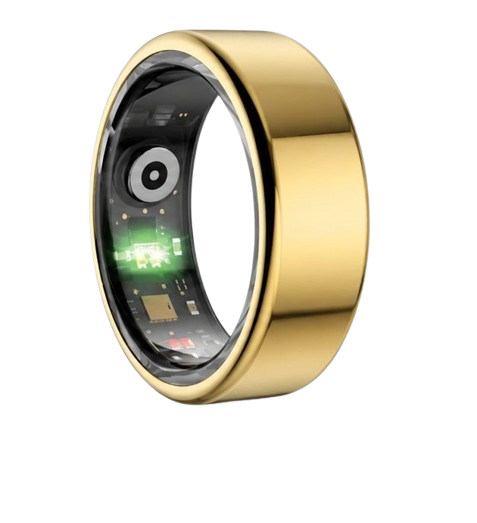
The Herz P1 Smart Ring is crafted from military-grade steel that is incredibly durable yet surprisingly lightweight.
Smart rings offer an elegant solution by packing advanced biomedical sensors into a sleek, comfortable band.
The interior of the Herz P1 is coated with a medical-grade, hypoallergenic resin that feels smooth against the skin.
This design prevents sweat buildup and skin irritation during long hours of sleep and daily workouts.
You will barely notice the ring on your finger as you drift off into a deep, uninterrupted slumber.
Another common mistake is choosing a wearable brand that locks your health data behind a monthly paywall.
Some companies charge substantial subscription fees just to let you view your own physiological metrics.
We believe that access to your personal health data should be a basic right, not a recurring expense.
The Herz P1 App is completely free for a lifetime, with no hidden fees or subscription requirements.
This transparent model makes it one of the best sleep tracker rings for long-term health monitoring.
Frequently Asked Questions About Sleep Tracking and Awake Time
Is the Herz P1 Smart Ring fully waterproof?
Yes, the Herz P1 features a premium IP68 waterproof rating.
This rating ensures that the ring can be safely submerged in water up to 164 feet deep.
You can wear it while washing your hands, showering, swimming, or relaxing in a hot tub.
Its durable outer shell protects the delicate internal sensors from moisture damage in any environment.
How long does the Herz P1 battery last on a single charge?
The Herz P1 Smart Ring is equipped with a high-efficiency battery that lasts up to 6 days.
This long battery life allows you to monitor your health continuously without daily charging interruptions.
When the battery runs low, the ring can be fully recharged in under 1 hour using the included magnetic charging dock.
This quick-charging capability ensures that you never miss crucial overnight sleep metrics.
Which finger is best for wearing the smart ring?
For the most accurate biometric readings, we recommend wearing the ring on your index finger.
The middle finger and ring finger are also highly effective alternative options.
Ensure the ring fits snugly but comfortably without rotating too easily during your daily activities.
A proper fit is essential for keeping the optical sensors aligned with the blood vessels on the palm side of your finger.
Does the smart ring store biometric data offline?
Yes, the Herz P1 has built-in memory that can store up to 7 days of local biometric data offline.
This means you do not need to keep your smartphone nearby or connected to Bluetooth while you sleep.
The ring will automatically sync all stored data to the app the next time your phone is within Bluetooth range.
This local storage capability ensures that your data remains safe and continuous even during travel.
Conclusion
Monitoring your sleep metrics is the ultimate way to reclaim your energy and focus.
By tracking your average awake time during sleep, you can make informed adjustments to your daily habits and bedroom environment.
Ready to monitor your health every day? Explore the Herz P1 Smart Ring and see if it fits your lifestyle. Call: 1-866-479-1629 — our team can help you advise on the correct ring size and set personalized health goals.
