

Do you wake up feeling completely exhausted even after spending a full eight hours in bed? Your nocturnal breathing patterns hold the hidden keys to your overall physical recovery. Monitoring your respiratory rate during sleep is a vital way to track your physiological wellness. The Herz P1 smart ring monitors your breaths per minute automatically while you sleep. Let us explore what your personal breathing metrics tell us about your daily health.
Built to Last. Save Up to 69% Today.
The Herz P1 Smart Ring tracks HRV, Sleep, Heart Rate & SpO2 around the clock. No subscriptions. No renewals. Ever.
In This Article
- Discover the scientific definition of breaths per minute during your nightly rest cycles.
- Learn how your autonomic nervous system regulates your nocturnal breathing.
- Explore the differences between high and low respiratory rate trends.
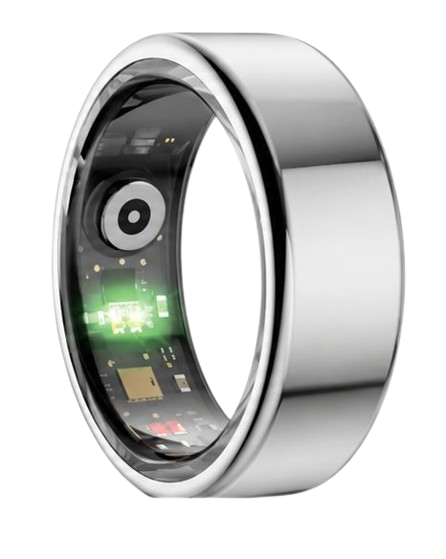
- Uncover how the Herz P1 Smart Ring tracks sleep architecture without subscription fees.
What is a Normal Respiratory Rate During Sleep? Understanding Your BRPM
Your body performs a complex symphony of regulatory processes while you rest in bed.
The term respiratory rate during sleep refers to the number of breaths you take each minute.
Medical professionals define one breath cycle as a complete inhalation followed immediately by a full exhalation.
This biological metric is typically measured in breaths per minute, which is widely abbreviated as BRPM.
Every individual should care about this metric because it serves as an early indicator of cardiovascular stress and physical fatigue.
Nocturnal tracking is especially critical for busy professionals, competitive athletes, and anyone struggling with poor morning energy.
The human brain controls this vital function automatically through specialized respiratory centers located in the brainstem.
This continuous monitoring happens without any conscious effort on your part throughout the night.
Your primary breathing rate normally decreases when you transition from wakefulness into deep, restorative sleep phases.
Your metabolic demand drops significantly when your skeletal muscles relax and your brain activity slows down.
This decline in physical demand allows the heart and lungs to rest and recover from daily exertion.
For a healthy adult, a normal respiratory rate while sleeping ranges between 12 and 20 breaths per minute.
This range can vary slightly based on age, general fitness levels, and biological sex.
Athletes often display lower baseline rates due to highly efficient lung capacity and strong cardiac muscle walls.
If you want to track this in real time, the Herz P1 Smart Ring monitors your critical sleep metrics 24/7 — explore it here.
90-Day 100% Money-Back Guarantee
“The Herz Smart Ring helps me manage stress easily. It’s accurate, stylish, and lightweight—perfect for my busy life!”
— Jennifer P. | ✔ Verified Customer
- ✓ 6-Day Battery Life
- ✓ Detailed Sleep Analysis
- ✓ Fast 1-Hour Charging
- ✓ iOS & Android Ready
Questions? Call: 1-866-479-1629
The Physiology of Nocturnal Breathing: What Happens in the Brainstem
Your automatic breathing patterns rely heavily on the balance between your sympathetic and parasympathetic nervous systems.
When you fall asleep, your parasympathetic nervous system becomes dominant and naturally slows down your heart rate.
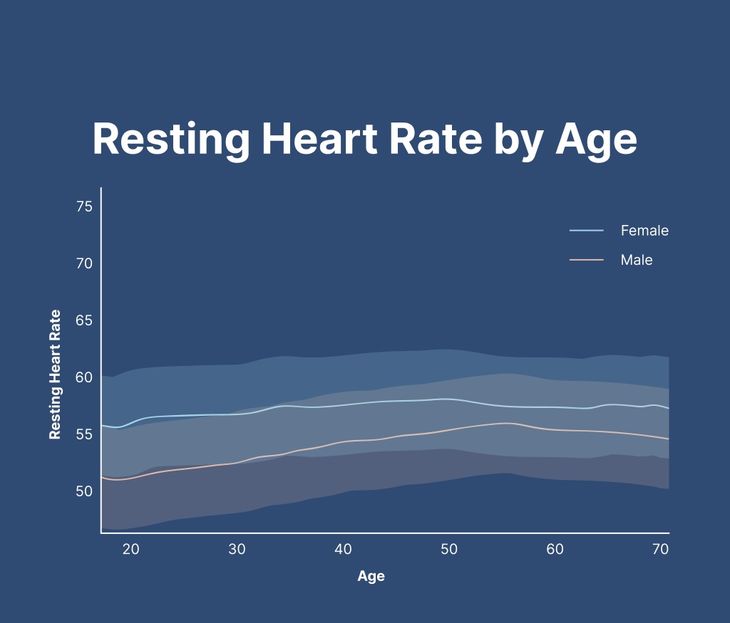
This transition helps lower your resting heart rate to its lowest daily levels.
At the same time, chemical receptors in your major blood vessels monitor carbon dioxide and oxygen levels constantly.
If carbon dioxide levels rise slightly, your brainstem prompts your diaphragm to expand and increase your respiratory rate.
This feedback loop operates continuously to maintain your vital blood oxygen saturation levels above 95 percent.
A highly trained athlete might show a much lower athlete resting hr because their cardiovascular system functions with high efficiency.
Their bodies require fewer breaths per minute to oxygenate tissues because of superior stroke volume.
For most people, a steady, low rate indicates that the heart and lungs are resting in deep, parasympathetic recovery.
Understanding these biological feedback loops helps you recognize the subtle signs of physical stress before they impact your daily life.
High vs. Low Respiratory Rate While Sleeping: What the Fluctuations Mean
Deviations from your personal baseline breathing rate can reveal valuable insights about your current physiological recovery status.
A sudden spike in your resp rate while sleeping often suggests that your body is actively fighting off an underlying infection.
When you develop a fever, your metabolic rate increases, which forces your lungs to work faster to meet elevated cellular oxygen demands.
Other common causes of a high overnight rate include drinking alcohol close to bedtime, sleeping in a hot room, or experiencing acute psychological stress.
Alcohol relaxes the airway muscles, which can lead to shallow, rapid breathing patterns to compensate for restricted airflow.
Conversely, a lower-than-average average respiratory rate while sleeping usually indicates a state of deep physical relaxation and restorative recovery.
However, an abnormally low rate can sometimes be caused by central nervous system depressants, sleep medications, or severe exhaustion.
A consistently low rate combined with shallow breaths might also suggest a need to evaluate your overall sleep environment.
When your body experiences high physical stress, you may also observe a low hrv while sleeping on your tracking dashboard.
These combined metrics suggest that your nervous system is struggling to transition into a peaceful, restorative state.
Over time, chronic breathing irregularities and elevated stress can accelerate your biological cardiovascular age.
By monitoring these critical patterns daily, you can make informed lifestyle adjustments to protect your long-term heart health.
How Sleep Stages Affect Your Sleep Breathing Patterns
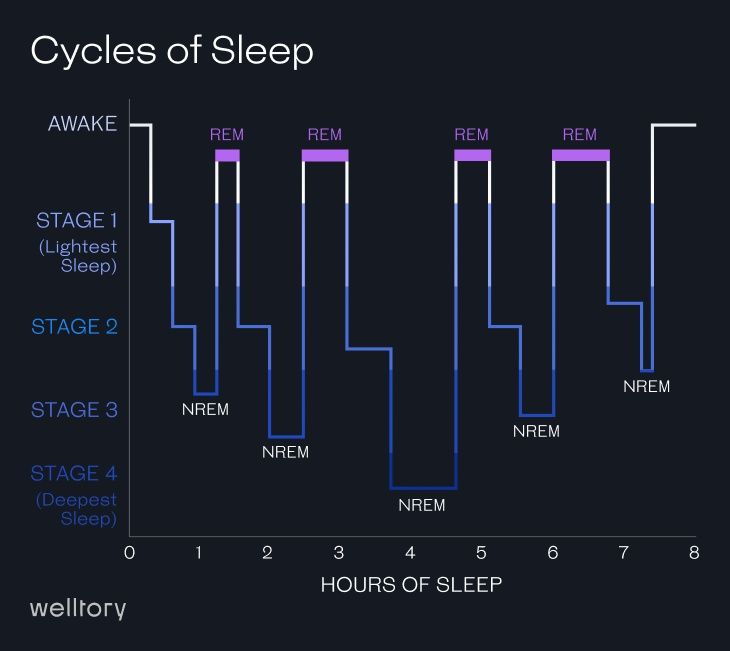
Your nocturnal breathing is not completely uniform; instead, it shifts dynamically as you cycle through different sleep stages.
During non-rapid eye movement sleep, which includes light and deep sleep stages, your breathing remains highly regular and predictable.
The deep sleep stage represents the most stable phase of nocturnal breathing, where your breaths per minute sleeping drop to their lowest daily rates.
This stability allows your body to focus energy on cellular repair, tissue growth, and immune system rejuvenation.
When you transition into rapid eye movement sleep, your breathing patterns become highly irregular, shallow, and fast.
This variability occurs because your brain is highly active during vivid dreaming states, which stimulates your respiratory centers erratically.
Your body temporarily paralyzes major voluntary muscles during REM sleep to prevent you from physically acting out your dreams.
This natural state of paralysis means your breathing relies almost entirely on the movement of your diaphragm muscle.
Tracking these shifts helps you confirm that your body is successfully cycling through all necessary phases of recovery.
Advanced Smart Ring Technology: How Herz P1 Tracks Your Sleeping Breath Rate
Many traditional wrist-worn fitness trackers rely on bulky motion sensors that can easily slide around during the night.
The compact Herz P1 Smart Ring utilizes advanced photoplethysmography technology to measure your biometrics from the base of your finger.
This localized monitoring leverages the highly concentrated blood vessels in your fingers to capture stable, medical-grade readings.
The optical PPG sensor shines a gentle light into your skin to detect the volumetric changes in your blood vessels with each heartbeat.
As your chest rises and falls during breathing, the physical pressure inside your chest cavity alters your peripheral blood flow slightly.
The Herz P1 algorithms analyze these tiny variations in pulse wave amplitude to calculate your exact respiratory rate with clinical precision.
This advanced method delivers a highly reliable measurement of your overnight breathing patterns without requiring uncomfortable chest straps.
The ring combines this data with your heart rate variability trends to generate your comprehensive daily readiness score.
This clear, intuitive score tells you exactly how prepared your body is to handle physical and mental stress each morning.
If your readiness score is low, the app will gently advise you on how to improve hrv through simple lifestyle changes.
By wearing the lightweight ring consistently, you build a highly detailed map of your biological trends over weeks and months.
Practical Strategies to Optimize Your Respiratory Rate and Sleep Quality
Improving your nocturnal breathing does not require complex medical interventions or restrictive clinical equipment.
One of the most effective ways to stabilize your overnight breathing is to practice conscious nasal breathing during the day.
Nasal breathing naturally filters, warms, and humidifies the incoming air, which reduces irritation in your delicate upper airways.
You can also optimize your sleeping environment by keeping your bedroom temperature between 60 and 67 degrees Fahrenheit.
A cool room helps lower your core body temperature, which naturally supports deeper sleep and steadier breathing rates.
Additionally, avoiding heavy meals and alcohol for at least three hours before bedtime prevents airway relaxation and digestive discomfort.
Elevating your head slightly with a supportive pillow can also prevent your tongue from partially blocking your airway while you sleep.
These simple adjustments work together to minimize physical breathing disruptions and enhance your morning vitality.
Overcoming Wearable Obstacles: Smartwatch Sleep Discomfort vs. Smart Ring Freedom
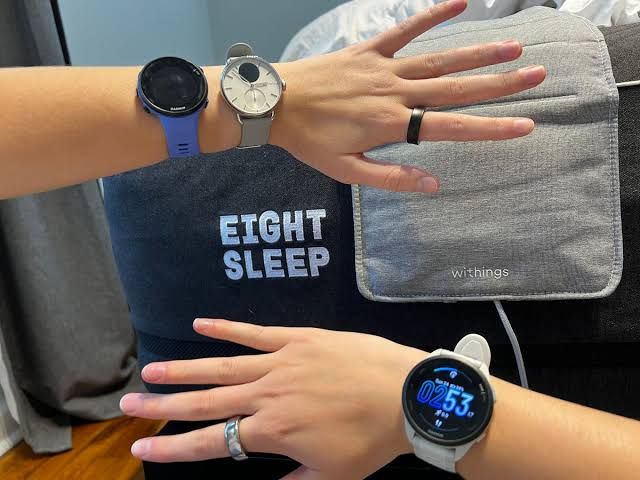
Many health-conscious individuals struggle to track their sleep because bulky smartwatches are highly uncomfortable to wear in bed.
A heavy watch can easily snag on bedsheets, irritate sensitive skin, and lose contact with your wrist when you turn over.
These frequent movements can create significant gaps in your overnight health data and disrupt your natural sleep cycles.
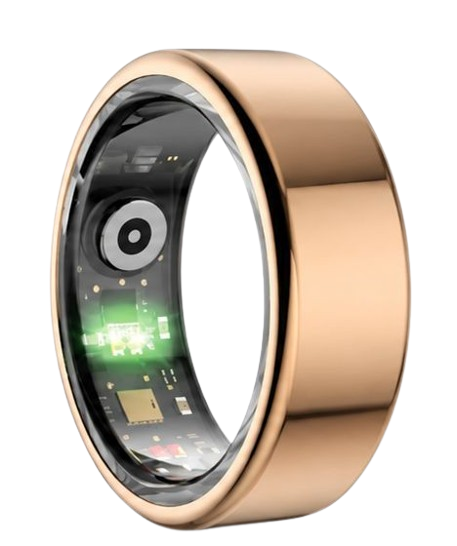
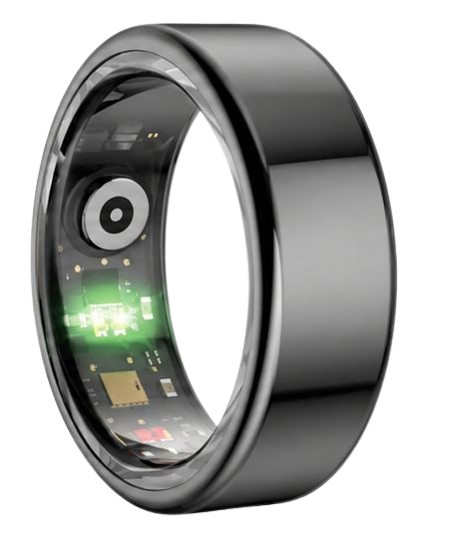
The Herz P1 Smart Ring solves these common comfort issues by packing advanced sensors into a sleek, military-grade steel band.
Weighing only a few grams, the ring fits comfortably around your finger and remains virtually unnoticeable throughout the night.
Furthermore, many popular fitness trackers lock your personal health data behind expensive, recurring monthly subscription fees.
We believe that you should never have to pay a monthly fee to access your own physiological information.
The Herz P1 App is completely free for lifetime use, which ensures you enjoy unlimited access to your health metrics forever.
Frequently Asked Questions About Sleep Respiratory Rates
Is the Herz P1 Smart Ring waterproof?
Yes, the Herz P1 Smart Ring features a robust IP68 waterproof rating that allows it to withstand continuous water exposure.
You can confidently wear the ring while washing your hands, taking a hot shower, or swimming in a pool.
The hermetically sealed design protects the internal optical sensors from moisture damage up to depths of 164 feet.
How long does the battery last on a single charge?
The highly efficient battery inside the Herz P1 provides up to 6 days of continuous monitoring on a single charge.
When the battery runs low, you can fully recharge the device in under 1 hour using the included magnetic charging cradle.
This rapid charging capability ensures you never have to miss a single night of valuable sleep tracking.
Which finger is the best option to wear the smart ring on?
The Herz P1 Smart Ring is designed to work optimally on your index, middle, or ring finger.
The index finger of your non-dominant hand often provides the most consistent blood flow readings for the PPG sensor.
Ensure the ring fits snugly without being too tight, allowing the internal sensors to maintain gentle, steady contact with your skin.
Does the Herz P1 store my health data offline?
Yes, the ring features built-in storage memory that can securely hold up to 7 days of local health data offline.
You do not need to keep your smartphone nearby or connected to Bluetooth while you sleep at night.
The ring will automatically sync all your recorded breathing and sleep metrics as soon as you open the companion app.
Conclusion: Your Practical Guide to Restorative Sleep
Monitoring your overnight breathing metrics provides a clear, science-backed picture of your physical recovery status.
The subscription-free Herz P1 Smart Ring makes it incredibly simple to track these key signals without comfort issues.
Ready to monitor your health every day? Explore the Herz P1 Smart Ring and see if it fits your lifestyle. Call: 1-866-479-1629 — our team can help you advise on the correct ring size and set personalized health goals.
Note: Individual results may vary depending on individual health conditions, age, and lifestyle habits. This article is intended for general health reference purposes only.
