

Restless nights and high morning stress often stem from a fragmented evening transition, but establishing a structured wind down routine can reduce sleep onset latency by up to 30 percent. By leveraging the clinical-grade biometric sensors of the Herz P1 smart ring, you can track precisely how your autonomic nervous system responds to your evening habits. This guide will show you exactly how to design a personalized routine to optimize your nightly recovery.
Built to Last. Save Up to 69% Today.
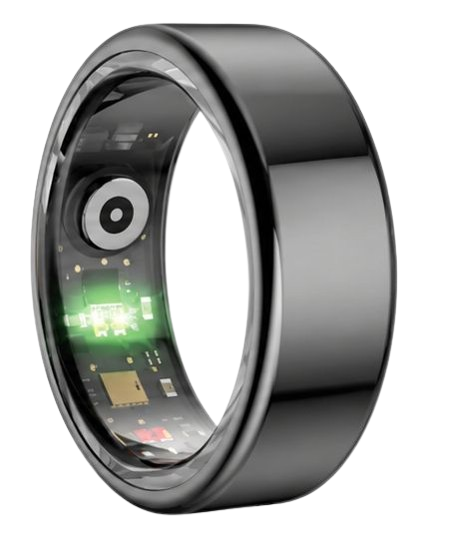
The Herz P1 Smart Ring tracks HRV, Sleep, Heart Rate & SpO2 around the clock. No subscriptions. No renewals. Ever.
In This Article
- Step-by-Step Recovery Guide: Learn to build a structured evening habits baseline.
- The Physiology of Sleep Onset: Explore how HRV, heart rate drop, and SpO2 govern sleep quality.
- Advanced Lifestyle Optimization: Discover how to use wearable data to eliminate bad habits.
- Resolving Tracking Pitfalls: Solve the issues of bulky smartwatches and costly subscription services.
How to Build a Custom Wind Down Routine: A Step-by-Step Guide
To design a highly effective evening recovery pattern, you must approach your lifestyle habits with clinical structure and intentional design.
Before beginning, you will need a few basic tools to set up your evening environment successfully.
First, secure a quiet, cool sleeping space with complete control over lighting and temperature.
Second, obtain a precise health tracker to monitor your autonomic nervous system responses overnight.
Third, commit to a consistent evening schedule for at least seven consecutive days to establish a reliable baseline.
-
Step 1: Set a Snug and Consistent Bedtime Anchor
You cannot build a reliable evening schedule without a consistent daily sleep anchor point.
Choose a target bedtime that comfortably allows you to get seven to nine hours of high-quality sleep.
Commit to going to bed at this exact time every single day, including on your weekends off.
This consistency trains your internal circadian clock to expect sleep at a predictable time.
Over time, your body will naturally begin to release melatonin as this targeted hour approaches.
Avoid changing this anchor point by more than thirty minutes to prevent circadian disruption.
-
Step 2: Initiate a Complete Digital Sunset
You must turn off all glowing electronic screens at least sixty minutes before your target bedtime.
The bright blue light emitted from smartphones and tablets closely mimics high-noon sunlight.
This artificial light tricks your brain into stopping the natural synthesis of essential sleep hormones.
Without adequate melatonin, your body cannot easily transition into deeper restorative stages.
Instead of late-night scrolling, try reading a physical book under warm, dim yellow light.
This simple environmental boundary prevents mental overstimulation and calms your active mind.
-
Step 3: Select Gentle, Low-Stimulation Evening Habits
Engage in light, relaxing physical movements to release stored muscle tension from your workday.
Utilizing designated calming activities for sleep helps lower your elevated blood pressure.
Perform gentle yoga poses, simple neck stretches, or light foam rolling to soothe your joints.
Avoid highly strenuous workouts or heavy cardiovascular lifting during this sensitive evening transition.
Intense physical exertion raises your core body temperature and delays your natural sleep onset.
Keep your evening movements slow, deliberate, quiet, and completely non-competitive.
-
Step 4: Optimize Your Bedroom Climate and Lighting
Your bedroom must be designed as a cool, dark, and exceptionally quiet sanctuary for rest.
Set your bedroom thermostat to between sixty and sixty-eight degrees Fahrenheit each evening.
Your physical core temperature must drop slightly to initiate the biological sleep process.
Use heavy blackout curtains to block out bright external streetlights and vehicle beams.
Consider using a premium white noise machine to mask sudden, disruptive background sounds.
A comfortable physical environment removes the most common obstacles to deep nightly recovery.
-
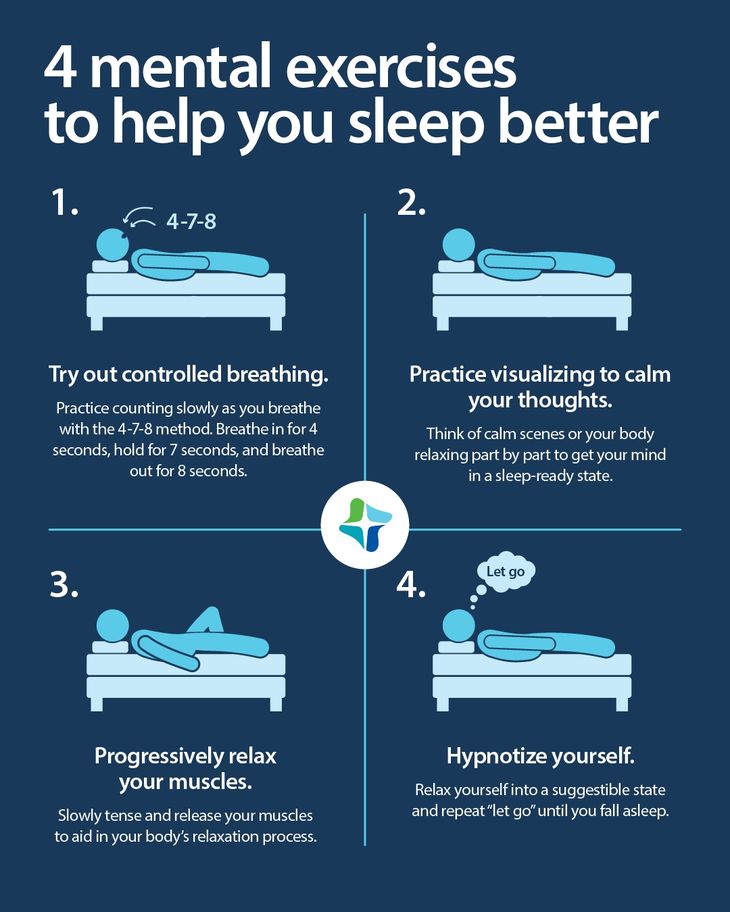
Step 5: Practice Diaphragmatic Vagal Nerve Stimulation
Take five to ten minutes to practice slow, deep, diaphragmatic breathing in a comfortable position.
Slow, controlled breathing is a highly effective way to learn how to relax before bed.
Try inhaling deeply for four seconds, holding for seven, and exhaling fully for eight.
This rhythmic pattern directly stimulates your vagus nerve to slow down an overactive pulse.
It shifts your entire autonomic nervous system out of an anxious fight-or-flight state.
Focusing on the physical breath prevents your mind from racing with tomorrow’s stressful tasks.
-
Step 6: Eliminate Late-Night Meals and Cognitive Stimulants
Stop consuming any form of dietary caffeine at least eight hours before your targeted bedtime.
Avoid eating large, complex, or highly acidic meals within three hours of going to sleep.
Digesting heavy food forces your cardiovascular system to pump extra blood to your gut overnight.
This workload prevents your resting heart rate from dropping to its lowest, most restorative baseline.
If you require a bedtime beverage, choose a warm cup of caffeine-free herbal chamomile tea.
Giving your digestive system a complete break allows your major organs to focus on deep recovery.
-
Step 7: Log and Refine Your Patterns
Keep an honest, consistent journal of your daily evening behaviors to spot patterns over time.
Documenting your nightly things to do before bed reveals surprising physiological impacts.
Note the nights you read a book versus the nights you watched television in bed.
Compare these evening activities to how energetic and refreshed you feel when waking up.
Identifying these direct connections helps you weed out subtle, highly disruptive nightly behaviors.
Over time, you can continuously refine your recovery routine based on actual, personal observations.
Tracking all of these highly sensitive physiological variables manually can quickly become tedious and inaccurate.
The Herz P1 smart ring makes health data collection completely automatic and exceptionally accurate.
It continuously measures your physiological responses to your evening routine without any conscious effort.
You can watch your sleep quality scores rise as you refine and perfect your nightly habits.
This puts real, scientifically validated biometric insights directly at your disposal for optimal health.
90-Day 100% Money-Back Guarantee
“The Herz Smart Ring helps me manage stress easily. It’s accurate, stylish, and lightweight—perfect for my busy life!”
— Jennifer P. | ✔ Verified Customer
- ✓ 6-Day Battery Life
- ✓ Detailed Sleep Analysis
- ✓ Fast 1-Hour Charging
- ✓ iOS & Android Ready
Questions? Call: 1-866-479-1629
How Your Autonomic Nervous System Controls Evening Recovery

Your autonomic nervous system is divided into two primary, highly responsive physiological branches.
The sympathetic branch drives your active, high-energy fight-or-flight response during busy daytime hours.
The parasympathetic branch handles your essential, calming rest-and-digest recovery functions throughout the night.
Transitioning cleanly from sympathetic dominance to parasympathetic calm is crucial for biological restoration.
According to the National Sleep Foundation, this vital transition requires a deliberate winding down for the night.
A successful evening shift is characterized by a gradual drop in your active heart rate.
It is also characterized by a measurable rise in your resting Heart Rate Variability, or HRV.
HRV measures the subtle, millisecond-level variation in time between your consecutive heartbeats.
The American Heart Association notes that higher HRV scores indicate an adaptable and resilient cardiovascular system.
If your heart rate remains elevated throughout the night, your body is failing to recover.
This prolonged elevation prevents deep muscle repair and keeps your system under physical stress.
Chronic lack of overnight cardiovascular recovery leads directly to persistent morning exhaustion.
Using a highly precise multispectral sensor allows you to track these critical shifts dynamically.
You can adjust your evening habits based on cold, hard data rather than subjective guesswork.
How Sleep Stages and Blood Oxygen Influence Nightly Restoration

Your brain moves through highly distinct cycles of light, deep, and rapid eye movement sleep.
Deep sleep is the physical phase where cells regenerate, tissues repair, and growth hormones release.
REM sleep is the cognitive phase where your brain processes daily memories and emotional events.
Achieving a healthy balance of these stages requires a highly structured calming bedtime routine.
Your blood oxygen saturation, or SpO2, is another critical biometric indicator of nightly health.
Healthy individuals must maintain an average overnight SpO2 level between ninety-five and one hundred percent.
Even minor drops in oxygen levels can trigger micro-arousals that kick you out of deep sleep.
These brief, stress-inducing awakenings are often entirely unnoticed by the sleeping individual.
However, they fragment your sleep architecture and leave you feeling utterly exhausted by morning.
Advanced optical ring sensors utilize specialized multi-wavelength light arrays to detect these subtle oxygen shifts.
The Herz P1 uses highly calibrated red and infrared sensors to monitor SpO2 continuously.
This allows you to spot environmental sleep issues, such as poor bedroom ventilation.
Correcting these air quality issues helps you maintain stable oxygenation and deeper sleep stages.
Optimizing Your Evening Habits with Smart Ring Analytics
Having access to premium physiological data is only useful if you know how to apply it.
When you open the companion Herz P1 App, you are greeted with an intuitive Daily Recovery Score.
This score combines your resting heart rate, your HRV trends, and your total sleep stage balance.
If your daily recovery score is high, your body is fully prepared for high-intensity training.
If your recovery score is notably low, you should scale back your physical workload.
You can directly observe how a late-night dinner or a glass of wine impacts your metrics.
Many users notice their resting heart rate remains elevated for hours after eating heavy meals.
This clear, undeniable visual feedback makes it far easier to break bad sleep habits permanently.
Traditional fitness smartwatches are often far too bulky and uncomfortable to wear while sleeping.
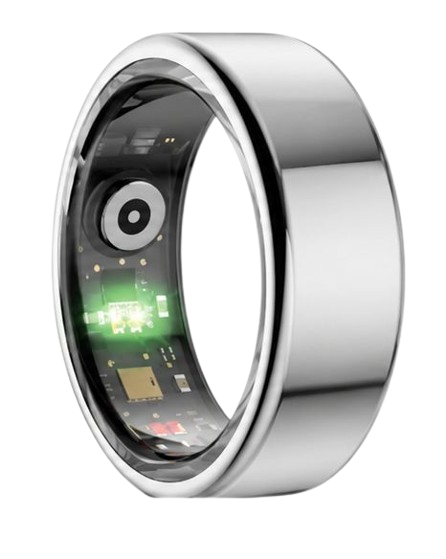
The Herz P1 is meticulously crafted from military-grade steel and weighs only three grams.
Its ultra-slim, low-profile design ensures you can wear it twenty-four hours a day without irritation.
This seamless comfort ensures reliable data collection during your daily workouts and overnight rest.
Avoiding Common Pitfalls in Health Tracking
A highly prevalent mistake in health tracking is wearing a heavy, glowing smartwatch to bed.
Bulky watches frequently snag on blankets, irritating your skin and waking you up mid-cycle.
Additionally, bright smartwatch screens can accidentally activate at night, disrupting your melatonin synthesis.
Another major financial risk is choosing health tracking brands that hide metrics behind paywalls.
Many popular wearable companies require costly monthly app subscriptions to view your biometric data.
These recurring fees can easily add up to hundreds of dollars over a few short years.
Our team believes your personal biological data should always belong to you completely free.
The Herz P1 companion software is entirely free for life, with absolutely no subscription requirements.
This commitment ensures you can monitor your health metrics continuously without any added stress.
You gain full, lifetime access to advanced sleep staging and detailed HRV trends on day one.
Frequently Asked Questions About Smart Rings
Is the Herz P1 Smart Ring waterproof?
Yes, the Herz P1 features a highly robust IP68 waterproof rating for maximum durability.
This certified rating means the ring can withstand water pressure up to fifty meters deep.
You can safely wear it while swimming laps, taking hot showers, or washing dishes.
Its outer shell protects the delicate internal sensors from moisture in any daily environment.
How long does the battery last on a single charge?
The Herz P1 battery lasts up to six full days under standard continuous usage conditions.
This long battery life completely eliminates the annoyance of constant daily charging rituals.
When the battery finally runs low, the device reaches full charge in under one hour.
The compact magnetic charging cradle fits easily on your nightstand or in your travel bag.
Which finger is best to wear the smart ring on?
For the most consistent and accurate optical readings, we recommend wearing it on your index finger.
The middle finger and ring finger are also highly excellent alternative locations for tracking.
Ensure the selected size fits snugly but comfortably without rotating too easily on the skin.
Our complimentary sizing kit helps you find the perfect fit before your ring is shipped.
Does the Herz P1 store health data offline?
Yes, the ring contains built-in memory that stores up to seven days of biometric data offline.
It will continue to track your sleep stages and heart rate even if your phone is off.
All of your stored metrics will sync automatically once the ring reconnects to the app.
This ensures you never lose valuable wellness data while traveling or during phone upgrades.
Conclusion: Unlock the Power of Better Rest and Deeper Recovery
A structured evening transition is the absolute key to unlocking restorative sleep and sustained daytime energy.
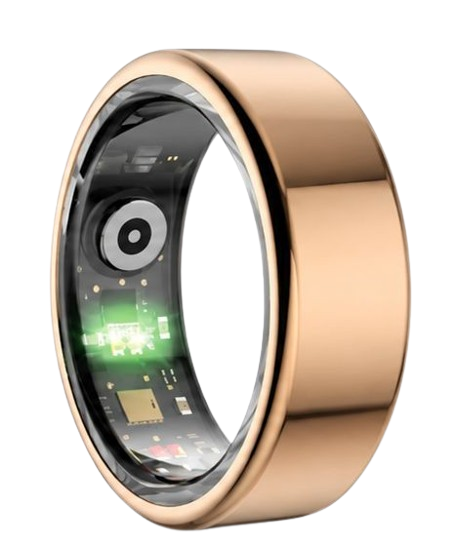
The Herz P1 Smart Ring offers the continuous, subscription-free biometric tracking you need to refine your nightly habits.
Ready to monitor your health every day?
Explore the Herz P1 Smart Ring and see if it fits your lifestyle.
Call: **1-866-479-1629** — our team can help you advise on the correct ring size and set personalized health goals.
Note: Individual results may vary depending on individual health conditions, age, and lifestyle habits. This article is intended for general health reference purposes only.
