

Finding the best snooze time is more than a convenience; it is a vital step toward restoring your natural circadian rhythm. Research shows that 64% of adults struggle with waking up, trapped in repetitive alarm cycles. By using the Herz P1 smart ring to track your biometric signals, you can understand how your body reacts to early alarms and conquer morning fatigue.
Built to Last. Save Up to 69% Today.
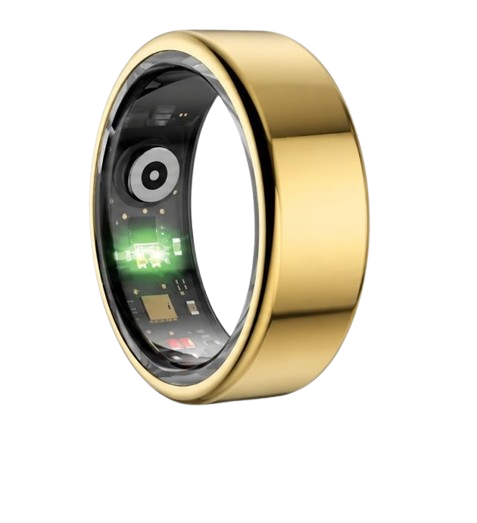
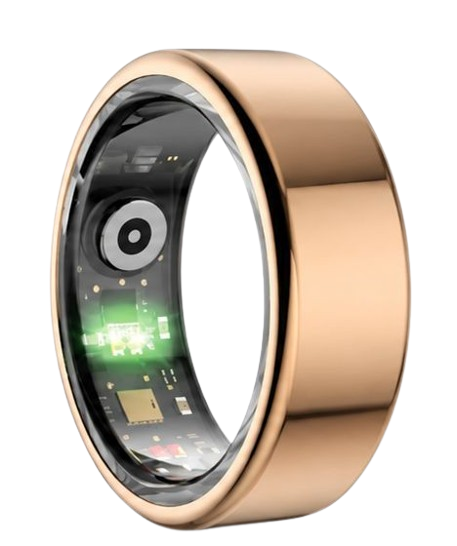
The Herz P1 Smart Ring tracks HRV, Sleep, Heart Rate & SpO2 around the clock. No subscriptions. No renewals. Ever.
In This Article
- Step-by-Step Guide: How to stop snoozing and optimize your daily rise time.
- The Science of Sleep Inertia: Why fragmented sleep cycles leave you feeling tired.
- Biometric Analysis: How heart rate variability and blood oxygen saturation shape your recovery.
- Real-world Troubleshooting: Selecting the correct ring fitment for uninterrupted tracking.
How to Stop Snoozing and Master Waking Up Faster: A Complete Step-by-Step Guide

Prerequisites: What You Need to Get Started
To successfully reprogram your morning routine, you must prepare your sleep environment and commit to consistent wake-up conditions.
Ensure you have a dim, quiet sleeping space that facilitates deep rest without external interruptions.
You will also need a reliable physiological tracking tool to monitor how sleep adjustments impact your cardiovascular recovery.
-
Step 1: Identify Your Primary Sleep Chronotype
Your genetic biological clock determines when your body naturally releases melatonin to prepare for sleep.
You can discover your specific sleep chronotype by observing when you feel most alert on free, unstructured days.
Aligning your bedtime with this natural cycle is critical to ensuring your body transitions smoothly through all recovery phases.
Forcing an unnatural sleep schedule creates chronic circadian mismatch, making it extremely difficult to wake up alert.
-
Step 2: Establish a Standard Bedtime and Rise Time
Your nervous system thrives on absolute behavioral consistency to maintain hormonal balance.
Going to bed and waking up at the exact same hour every day trains your brain to anticipate wakefulness.
This biological predictability minimizes the morning shock that typically prompts you to press the snooze button.
Maintaining this habit is the most effective defense against consistently waking up tired.
-
Step 3: Implement an Incremental Alarm Strategy
Instead of setting multiple alarms minutes apart, use a single, highly distinct alarm tone placed across the room.
If you absolutely must snooze, understand how long is a snooze and aim to limit it to a single nine-minute interval.
Setting the ideal snooze time to exactly nine or ten minutes matches historical mechanical design and prevents deep sleep relapse.
Snoozing repeatedly for longer periods will only guarantee you feel exhausted in the morning.
-
Step 4: Expose Yourself to Bright Light Immediately upon Waking
Natural light is the primary external cue that tells your internal clock to stop producing melatonin.
Open your curtains or turn on bright overhead lights within two minutes of your alarm sounding.
This sudden light exposure triggers a healthy morning cortisol spike that rapidly clears away sleepiness.
Actively chasing bright light early in the day is a proven method to cure that persistent groggy feeling.
-
Step 5: Track and Refine Your Sleep Metrics Daily
Objective physical data is essential to prove whether your new morning habits are actually working.
Reviewing your nightly recovery metrics allows you to make precise adjustments to your sleep duration.
Shift your sleep window in short, fifteen-minute increments until you find your optimal schedule.
This analytical approach is the ultimate key to learning how to wake up early and not feel tired.
The Herz P1 smart ring is designed specifically to support you through this lifestyle transition.
By measuring your real-time heart rate and movement patterns, it provides the precise feedback needed to optimize your morning routine without guess-work.
90-Day 100% Money-Back Guarantee
“The Herz Smart Ring helps me manage stress easily. It’s accurate, stylish, and lightweight—perfect for my busy life!”
— Jennifer P. | ✔ Verified Customer
- ✓ 6-Day Battery Life
- ✓ Detailed Sleep Analysis
- ✓ Fast 1-Hour Charging
- ✓ iOS & Android Ready
Questions? Call: 1-866-479-1629
The Biological Cost of Snoozing: How Fragmented Alarms Disrupt Your Sleep Cycles
When you abruptly interrupt a sleep state to press the snooze button, you immediately shock your central nervous system.
The brain often responds to this sudden awakening by trying to plunge back into deep or REM sleep stages.
This incomplete, highly fragmented return to sleep triggers a profound physical state known as sleep inertia.
Suffering from intense sleep inertia symptoms can impair your short-term memory and motor skills for hours.
To prevent this severe brain fog, you must learn to calculate the best snooze time for waking up based on natural sleep duration.
An average human sleep cycle lasts approximately ninety minutes, repeating four to six times over a normal night.
Alarms that go off in the middle of these cycles interrupt critical restorative processes, leaving you feeling tired after waking up.
The National Sleep Foundation states that fragmented sleep patterns significantly lower overall daytime cognitive performance.
By learning how to find the optimal snooze duration on smart alarms, you can ensure you wake up during light sleep phases.
Waking up during light sleep allows your body to transition to an active state with minimal cardiovascular resistance.
Conversely, repeatedly interrupting deep or REM sleep stages causes physical weariness and elevated morning stress.
By using smart physiological monitoring, you can easily understand how snoozing affects REM cycles and structure your habits to avoid it.
How Heart Rate Variability (HRV) and SpO2 Reveal Your True Recovery

Your autonomic nervous system continuously signals its state of stress or recovery through subtle heart rate patterns.
Heart Rate Variability, or HRV, is the scientific measurement of the variation in time between each consecutive heartbeat.
The American Heart Association emphasizes that a highly variable heart rate indicates excellent physical recovery and cardiovascular fitness.
A low HRV score, however, suggests your sympathetic nervous system is stuck in an overactive fight-or-flight mode.
When you rely on repeated alarms, your body experiences successive, artificial adrenaline spikes that lower your morning HRV.
This stress response strains your blood vessels and prevents your body from establishing a calm, efficient waking state.
Additionally, measuring blood oxygen saturation (SpO2) is critical for identifying potential airway obstructions that disrupt sleep.
A sudden dip in nocturnal oxygen levels forces your brain to wake up briefly, fracturing your deep recovery phases.
If you suffer from low nocturnal SpO2, you will likely find yourself waking up exhausted regardless of your total sleep duration.
By monitoring these combined metrics, you can easily pinpoint why your body demands additional snooze time every morning.
This deep physiological insight is the first step toward building the habits required to stop chronic morning sleepiness.
With precise tracking, you can safely eliminate the guess-work and design a routine that protects your heart from morning alarm shock.
Mastering Morning Energy: How to Read Your Biometrics on the Herz P1 App
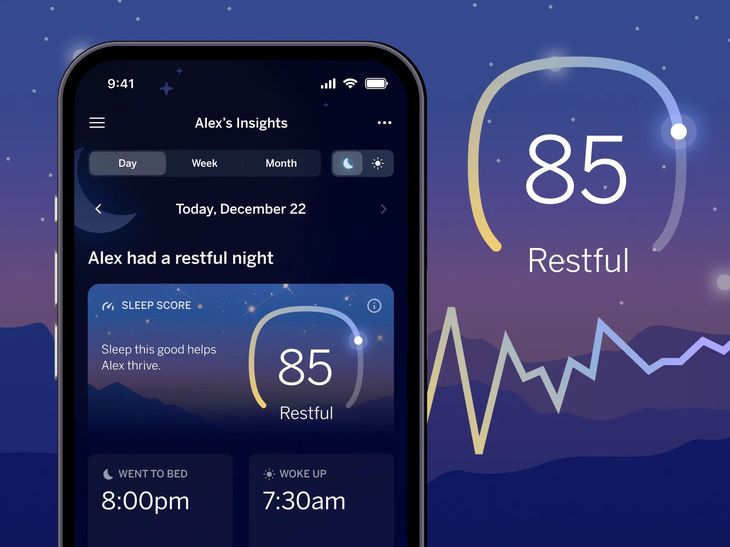
The Herz P1 App consolidates your biological signals into a straightforward, highly actionable daily dashboard.
Each morning, you receive an overall Sleep Score calculated from your heart rate, movement, and sleep stage duration.
This score tells you exactly how much time you spent in light, deep, and REM sleep phases over the night.
If your deep sleep percentage falls below fifteen percent, your muscle and tissue recovery will be incomplete.
If your REM sleep is insufficient, you will likely struggle with focus, memory retention, and morning mood swings.
The app also tracks your real-time HRV Stress Index, providing a clear picture of your autonomic nervous system.
You can use this objective stress data to plan your physical activity and workload for the day ahead.
If your recovery metrics are exceptional, your body is fully prepared to handle high-intensity exercise or demanding projects.
If your recovery metrics are poor, you should focus on hydration, light stretching, and early rest to rebuild your energy.
Because the Herz P1 is crafted from lightweight, military-grade steel, it remains incredibly comfortable for continuous 24/7 wear.
This compact, highly durable design ensures you can track your health metrics uninterrupted during sleep and intense physical exercise.
By leveraging this continuous biometric stream, you can implement a long-term plan to improve morning wake routines.
Over time, these precise habits will teach your body how to become a morning person without relying on caffeine or constant alarms.
Overcoming Wearable Pitfalls: Ditching Bulky Smartwatches and Costly Subscriptions
Many individuals try to manage their sleep health by wearing oversized, heavy smartwatches to bed.
However, these bulky devices easily shift on the wrist, leading to frequent sensor gaps and highly inaccurate sleep readings.
The physical discomfort of a heavy watch can also cause micro-awakenings that disrupt your deep sleep cycles.
Additionally, smartwatches suffer from poor battery life, requiring you to charge them daily and miss vital overnight data.
Another major frustration in the wearable technology market is the hidden cost of recurring software subscriptions.
Many popular smart rings lock your physiological data behind paywalls, demanding monthly fees to view your own health trends.
At Team Herz P1, we believe your personal biological data should always belong to you without ongoing financial barriers.
The Herz P1 companion app is completely free for a lifetime, with absolutely no monthly subscriptions or hidden fees required.
By choosing a sleek, subscription-free device, you protect both your physical comfort and your personal wellness budget.
This allows you to focus entirely on analyzing your data, perfecting your sleep, and waking up refreshed every single day.
Frequently Asked Questions About Snooze Habits and Smart Rings
Is the Herz P1 Smart Ring waterproof?
Yes, the Herz P1 is built to military-grade standards and features a premium IP68 waterproof rating.
It is fully certified to withstand continuous submersion in fresh water up to a depth of 164 feet.
You can safely wear it while swimming, taking hot showers, washing hands, or sweating during intense workouts.
How long does the Herz P1 battery last on a single charge?
The ring features an advanced low-energy chipset that delivers up to 6 days of continuous battery life.
It charges incredibly fast, reaching a full one hundred percent capacity in under 1 hour of charging.
This efficient charging cycle eliminates the frustration of daily charging associated with traditional smartwatches.
Which finger is best to wear the smart ring on?
For the absolute highest sensor accuracy, we recommend wearing the ring on your index finger.
The middle finger and ring finger are also highly effective alternatives if you prefer a different fit.
Ensure the inner sensor bump rests comfortably against the palm side of your finger to maintain constant skin contact.
Does the Herz P1 store health data offline?
Yes, the ring possesses secure built-in flash memory that stores up to 7 days of physiological data offline.
You do not need to keep your smartphone nearby or connected to Bluetooth throughout the night.
All recorded metrics will automatically sync to your app the next time you open the connection.
Can the smart ring help me identify my optimal rise time?
The ring measures your specific nocturnal sleep phases to show exactly when you enter light sleep.
By reviewing this sleep architecture, you can schedule your alarm to chime during your lightest recovery phase.
This scientific adjustment prevents you from waking up deep in a dream state, eliminating morning grogginess.

Improving your morning energy starts with understanding your body’s biometric signals. The Herz P1 Smart Ring offers a seamless, subscription-free way to monitor recovery. Ready to monitor your health every day? Explore the Herz P1 Smart Ring and see if it fits your lifestyle. Call: **1-866-479-1629** — our team can advise on the correct ring size.
