

According to clinical data from the National Sleep Foundation, nearly 43% of active adults experience cognitive hyperarousal at bedtime, struggling constantly with the frustrating dilemma of how to stop overthinking at night. To break this exhausting cycle, our team at Herz P1 has created a comprehensive, evidence-based guide combining advanced cognitive therapy techniques with real-time biometric tracking to help you calm your racing mind, activate your parasympathetic nervous system, and transition effortlessly into deep, restorative sleep tonight.
Built to Last. Save Up to 69% Today.
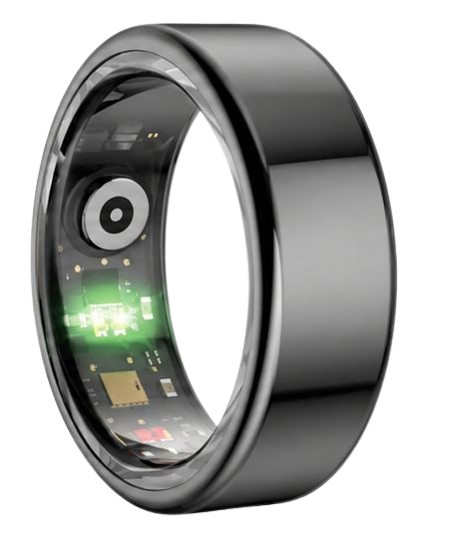
The Herz P1 Smart Ring tracks HRV, Sleep, Heart Rate & SpO2 around the clock. No subscriptions. No renewals. Ever.
In This Article
- Step-by-Step Wind-Down Protocol: Master cognitive defusion and physiological breathing exercises to stop mental chatter instantly.
- The Physiology of Midnight Overthinking: Discover how the autonomic nervous system blocks sleep stages and how heart rate variability relates to bedtime anxiety.
- Advanced Sleep Analytics: Learn how continuous biometric sensors decode your deep, light, and REM sleep phases.
- Practical Daily Habits: Identify common environmental, timing, and device-related pitfalls that sabotage overnight recovery.
How to Stop Overthinking at Night: A Step-by-Step Wind-Down Guide
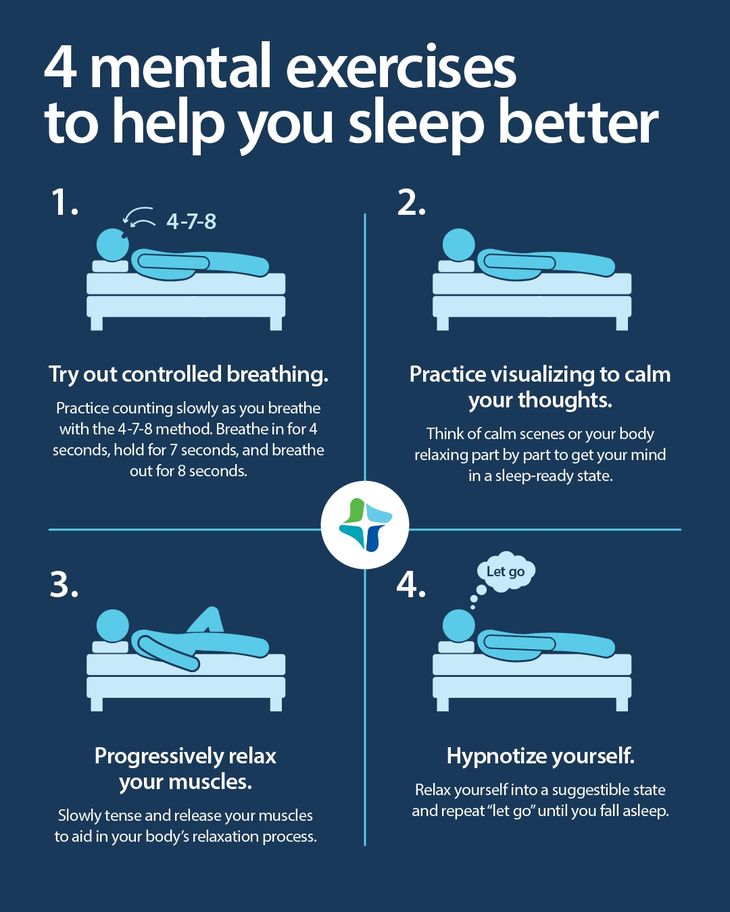
When you struggle with can’t sleep overthinking, trying to force your brain to quiet down often creates more frustration.
To break this psychological loop, you need a systematic, repeatable transition routine.
This tutorial provides a clear path to disengage active thinking, lower your somatic arousal, and prepare your body for rapid sleep onset.
Prerequisites / What You’ll Need
To successfully perform this wind-down routine, you will need a physical journal or sheet of scrap paper, a pen, a comfortable chair or space on the edge of your bed, and a dimly lit room completely free of bright digital screens.
-
Step 1: Perform a Strategic Bedtime Brain Dump
Sit at a desk or the edge of your bed with a paper journal thirty to forty-five minutes before turning off the lights.
Spend five minutes writing down every single pending task, worry, or unresolved thought currently occupying your working memory.
Do not organize, edit, or judge what you write; simply transfer the mental clutter onto the physical page.
Once you are finished, write down one clear action step for tomorrow next to the most urgent items to signal your brain that the planning phase is officially closed.
Closing the notebook creates a powerful psychological boundary, transforming abstract worries into manageable tasks waiting safely outside your sleep space.
-
Step 2: Engage the Physiological Sigh

Lie flat on your back in bed and place one hand on your abdomen to practice breathing that targets how to relax before bed.
Take a deep, slow inhalation through your nose, expanding your lower belly rather than your chest.
Immediately follow that initial inhalation with a second, sharp sip of air through your nose to fully inflate the tiny air sacs in your lungs.
Release the breath through your mouth with a long, slow, passive sigh, letting your entire body sink heavily into the mattress.
Repeat this dual-inhale, long-exhale sequence five to eight times to quickly stimulate your vagus nerve and slow your resting heart rate.
-
Step 3: Establish a Cognitive Anchor
Quiet your active mind by giving it a highly repetitive, non-emotional cognitive task to focus on instead of personal worries.
Avoid trying to simply block thoughts, and instead choose a neutral mental exercise to help you learn how to stop thinking when trying to sleep.
Slowly trace the letters of the alphabet in your mind, visualizing each letter being drawn slowly in soft chalk on a blackboard.
Alternatively, mentally list items in a completely non-stimulating category, such as naming a different fruit, country, or physical object for each letter of the alphabet.
If your mind wanders back to personal planning or work anxiety, gently acknowledge the distraction without self-criticism and return to your current letter.
-
Step 4: Execute a Progressive Muscle Relaxation Sequence
Shift your awareness away from cognitive loops and deep into physical sensations to discover practical things to do before bed.
Start at your toes, curling them tightly under your feet for five seconds while holding a shallow breath.
Release the tension suddenly on an exhale, paying close attention to the warm, heavy sensation of relaxation replacing the tightness.
Move slowly up your body, tensing and releasing your calves, thighs, glutes, abdomen, shoulders, and jaw in successive stages.
By the time you reach the muscles in your face and forehead, your physical body will feel profoundly relaxed, making sleep natural.
-
Step 5: Relocate If You Do Not Drift Off Within Twenty Minutes
Avoid lying awake in bed for more than twenty minutes while your brain spins in hyperactive thoughts.
Lying awake frustrated teaches your brain to associate your bed with stress, vigilance, and cognitive worry.
Get out of bed quietly, move to a dimly lit room, and sit in a comfortable chair to read a physical book or listen to calming sounds.
Keep the lighting very low, do not check your smartphone or look at any digital clocks, and focus on a calming bedtime routine.
Return to bed only when you feel the physical signs of heavy sleepiness, such as drooping eyelids, warm limbs, and a slow, deep breath rhythm.

Integrating Biometric Tracking for Optimal Control
While mastering these mental techniques is essential, having a reliable way to monitor your biological progress provides unparalleled clarity.
The Herz P1 Smart Ring serves as a gentle, non-obtrusive companion to help you track your sleep stages, HRV trends, and daily stress index without any annoying screen distractions at bedtime.
By observing your overnight data, you can see exactly which wind-down methods produce the highest recovery scores, tailoring your nightly routine with objective biometric confidence.
Explore the subscription-free tracking capabilities of the Herz P1 Smart Ring to take active charge of your nightly recovery today.
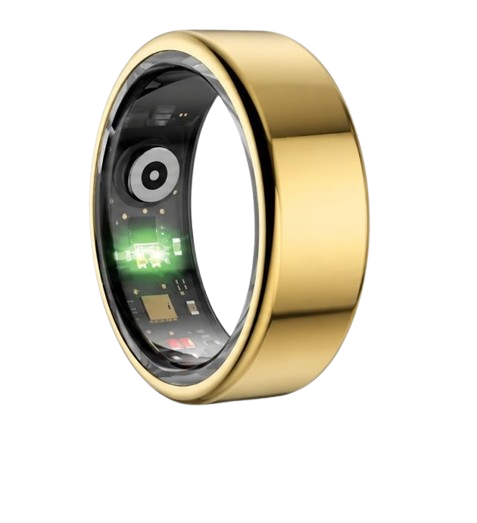
90-Day 100% Money-Back Guarantee
“The Herz Smart Ring helps me manage stress easily. It’s accurate, stylish, and lightweight—perfect for my busy life!”
— Jennifer P. | ✔ Verified Customer
- ✓ 6-Day Battery Life
- ✓ Detailed Sleep Analysis
- ✓ Fast 1-Hour Charging
- ✓ iOS & Android Ready
Questions? Call: 1-866-479-1629
The Science of Bedtime Overthinking: Why Your Mind Races at Night

To understand why do i overthink at night, we must look closely at autonomic nervous system dynamics.
During the busy daytime hours, your mind is highly occupied with external inputs, sensory stimulation, and immediate tasks.
These daytime activities effectively mask low-grade worry, keeping your sympathetic nervous system active but highly focused.
The moment you turn off the lights and lie down in a dark room, all external sensory inputs are suddenly removed.
In this sensory vacuum, your brain naturally shifts focus inward, scanning for potential threats, unresolved social conflicts, or future plan scenarios.
If you have high daily stress, your amygdala interprets these quiet thoughts as immediate threats, initiating a classic fight-or-flight response.
This stress response elevates cortisol and adrenaline, making it practically impossible to fall asleep quickly.
This physiological reaction is a primary reason why many people say they can’t sleep overthinking when trying to rest.
Clinical studies from the National Sleep Foundation confirm that chronic mental arousal directly interferes with your normal sleep cycle transitions.
When your mind is racing, your body cannot easily drop into slow-wave deep sleep or enter restorative REM cycles.
You can effectively track this physiological arousal by checking your heart rate variability, or HRV, which is a key biometric marker of autonomic balance.
A higher overnight HRV score indicates a relaxed, parasympathetic-dominant nervous system ready for deep rest.
Conversely, a low overnight HRV score reveals lingering sympathetic dominance, showing that your body is still actively fighting daily stress.
By monitoring these continuous trends, you can easily use a smart ring for stress management to optimize your recovery.
Understanding Sleep Architecture: How Biometric Smart Rings Track Rest
Advanced health tracking devices use multi-spectral optical sensors to decode your physiological signals during the night.
Your finger contains a dense network of superficial blood vessels, making it an ideal location for photoplethysmography (PPG) technology.
By shining specific wavelengths of light through your skin, these sensors measure subtle changes in blood volume with each heartbeat.
This allows the device to calculate heart rate, heart rate variability, respiration rate, and blood oxygen saturation (SpO2) with high accuracy.
Your sleep is structured into distinct, recurring stages: Light Sleep, Deep Sleep, REM Sleep, and brief periods of wakefulness.
During slow-wave Deep Sleep, your heart rate slows down dramatically, your blood pressure drops, and your muscles fully relax to allow physical tissue repair.
During REM Sleep, your brain wave activity increases to levels similar to wakefulness, hosting vivid dreams and facilitating emotional and cognitive processing.
If you struggle with bedtime anxiety, your brain remains hyper-vigilant, which significantly reduces the time you spend in deep and REM sleep stages.
The Herz P1 Smart Ring uses these accurate PPG sensor inputs to analyze your unique sleep stages without disturbing your comfort.
Because the finger base offers a much stronger pulse signal than the wrist, the ring provides highly reliable overnight data.
This continuous monitoring allows you to see how different lifestyle habits, dinner choices, or bedtime routines affect your recovery.
With this detailed information, you can easily discover how to manage anxiety with smart rings by making simple, data-driven routine adjustments.
Using the Herz P1 Health Dashboard to Calm Bedtime Stress
Using the Herz P1 companion app is a simple, highly effective way to track your recovery trends and daily stress response.
Every morning, the app syncs your overnight data to generate a comprehensive Sleep Score ranging from 0 to 100.
This score evaluates your sleep duration, sleep latency, deep sleep percentage, REM sleep percentage, and overnight resting heart rate.
If you see a low score, you can look at the detailed timeline to find exactly when your sleep was interrupted.
The real-time HRV Stress Index is another valuable tool that updates throughout the day to show your physiological strain.
If your stress index rises significantly during the afternoon, it is a clear sign to implement a calming wind down routine before heading to bed.
The Herz P1 Smart Ring is specifically engineered for comfortable 24/7 wear, making it an ideal sleep tracking companion.
Unlike heavy, bulky smartwatches that can irritate your wrist or catch on bedsheets, the lightweight ring is barely noticeable on your finger.
This minimalist design helps prevent sleep disruptions while ensuring continuous, highly accurate biometric tracking all night long.
The companion app is completely free for lifetime use, providing detailed physiological insights without any hidden subscription fees.
Common Sleep Tracking Pitfalls and How to Avoid Them
Many health-conscious individuals unknowingly make simple mistakes that compromise their overnight sleep tracking accuracy.
One very common error is wearing a heavy, bulky smartwatch to bed to track sleep stages.
Large smartwatches can easily slide out of position during natural body movements, creating sensor gaps and unreliable data.
Additionally, the physical bulk of a smartwatch can cause physical discomfort, occasionally waking you up during delicate REM cycles.
Another major frustration in the wearable market is the hidden cost of ongoing monthly app subscriptions.
Many premium wellness trackers lock your personal physiological data behind paywalls, requiring monthly fees just to view basic sleep breakdowns.
We believe your personal health data should belong entirely to you without any recurring financial barriers.
The Herz P1 App is completely free for lifetime use, ensuring you always have full access to your sleep and stress metrics.
By choosing a sleek, subscription-free smart ring, you avoid both physical discomfort and ongoing financial commitments.
Frequently Asked Questions About Herz P1 Sleep Tracking
Is the Herz P1 Smart Ring waterproof?
Yes, the Herz P1 is fully certified with an IP68 waterproof rating, making it completely safe for everyday water exposure.
You can wear the ring while washing your hands, taking a shower, washing dishes, swimming in a pool, or relaxing in a hot tub.
The durable outer shell and medical-grade inner casting ensure that water never interferes with the internal biometric sensors.
How long does the Herz P1 battery last on a single charge?
The Herz P1 Smart Ring delivers a long battery life of up to six days under normal continuous tracking conditions.
It uses an efficient magnetic charging cradle that recharges the ring from zero to one hundred percent in under one hour.
This fast charge time makes it easy to quickly power your ring during your morning shower, ensuring you never miss sleep data.
Which finger is the best choice to wear the smart ring?
For the highest level of biometric sensor accuracy, we highly recommend wearing the ring on your index, middle, or ring finger.
These three digits have the strongest blood flow and the most optimal tissue density for optical PPG sensors.
Ensure the ring fits snugly without rotating too easily, yet remains comfortable enough to wear through natural temperature changes.
Does the Herz P1 store my biometric data offline?
Yes, the ring has secure onboard storage that saves up to seven days of continuous biometric data offline.
This means you do not need to keep your smartphone nearby or leave your Bluetooth connection active overnight.
The moment you open the app, the ring automatically syncs all stored data to your personal dashboard in seconds.
Conclusion: Empower Your Sleep Journey with Herz P1
Mastering your cognitive wind-down is the ultimate key to silencing a busy mind and securing refreshing nightly sleep.
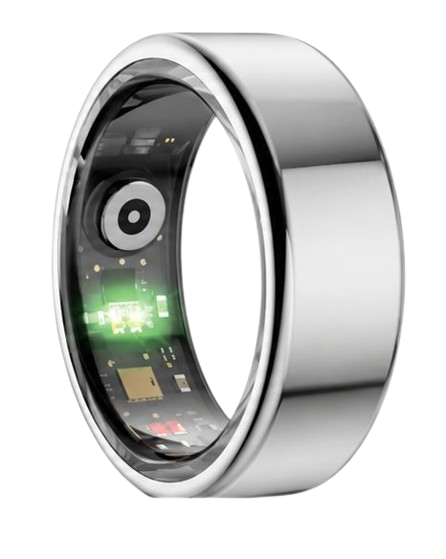
The Herz P1 Smart Ring stands ready as your reliable, subscription-free health companion, offering elegant comfort and precision tracking.
Ready to monitor your health every day? Explore the Herz P1 Smart Ring and see if it fits your lifestyle. Call: 1-866-479-1629 — our team can help you advise on the correct ring size and set personalized health goals.
Note: Individual results may vary depending on individual health conditions, age, and lifestyle habits. This article is intended for general health reference purposes only.
