

Why Do Babies Smile in Their Sleep? Science & Biometrics Explained
Wondering why do babies smile in their sleep? While watching an infant smiling in sleep feels magical, it is actually rooted in active REM cycles and early neurological development. Understanding these biometric patterns helps us optimize our own rest—and with the screen-free, ultra-lightweight Herz P1 Smart Ring, you can track your family’s sleep health and recovery trends effortlessly.
Take Back Your Sleep.
Take Back Your Life.
- Fall asleep faster & sleep deeper
- Stop waking up in the middle of the night
- Wake up refreshed & full of energy
- The Core Mechanism: Learn how subcortical brain activity triggers neonatal smiling.
- REM vs. Active Sleep: Understand how infant sleep architecture differs dramatically from adult stages.
- Reflexive vs. Social Smiles: Discover the developmental timeline from involuntary twitches to conscious joy.
- Parental Biometric Health: How tracking your own Heart Rate Variability (HRV) and Sleep Score protects you from burnout.
1. Why Do Babies Smile in Their Sleep? The Neurological and Biometric Reality

Quick Answer
Yes and no. The short answer is that newborn smiles during sleep are mostly physiological reflexes driven by active REM sleep, not dreams of happy memories or conscious thoughts. However, to choose the right tracking products to optimize your family’s rest, you must first understand how biometric sleep stages evolve from infancy to adulthood and how parents can recover from chronic sleep disruptions.
Detailed Explanation of Why Do Babies Smile in Their Sleep
When you witness a baby smiling in sleep, your heart likely melts. For centuries, folklore suggested that these early grins were signs of babies communicating with angels or reacting to gas. Today, sleep scientists and pediatric neurologists look at biometric data to answer the core question: why do babies smile in their sleep?
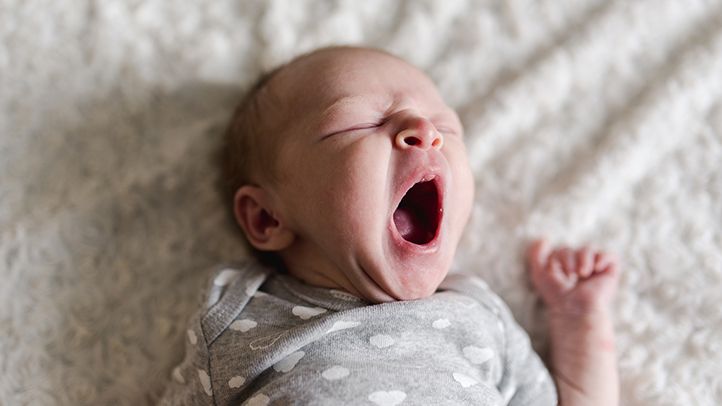
During early infancy, a baby’s brain undergoes rapid neurological mapping. An infant smiling in sleep is primarily experiencing what is called a “reflexive smile.” Unlike the social smiles that emerge later in development, these early grins are involuntary physical responses. They are triggered by subcortical electrical impulses in the brainstem, which naturally activate facial muscles during the active sleep stage.
In newborns, sleep is broadly categorized into two phases: active sleep (the precursor to Rapid Eye Movement, or REM sleep) and quiet sleep (similar to Non-REM sleep). Infants spend up to 50% of their total sleep time in active REM sleep, compared to just 20% to 25% in adults. This high proportion of REM sleep is crucial for sensory processing, memory consolidation, and neural pathway construction. During active sleep, you will notice rapid eye movements beneath the eyelids, tiny limb twitches, irregular breathing, and of course, those fleeting smiles.
As the infant brain matures, the frequency of reflexive smiles decreases. By the time a child reaches two to three months of age, their visual cortex and social processing centers develop, leading to the emergence of conscious, social smiles in response to a parent’s face or voice. But in those first few weeks, the primary reason behind why do babies smile in their sleep is purely physiological, reflecting the healthy firing of synapses during deep neural integration.
When to Monitor Baby Sleep Patterns (And When to Relax)
Parents often wonder if they should keep a constant watch on their baby’s facial expressions or sleeping postures. Understanding when these patterns are healthy is essential for parental peace of mind:
- Normal Behaviors: Quick, fluttery smiles, gentle limb twitching, soft vocalizations, and irregular breathing patterns during active sleep are completely normal. There is no need to intervene or wake the baby.
- When to Observe Closely: If the baby’s smiling is accompanied by rhythmic, repetitive jerking of the limbs that does not stop when you gently touch them, or if there are long pauses in breathing accompanied by a blue tint around the lips. In these rare cases, consult a pediatrician.
For healthy infants, tracking sleep doesn’t require over-monitoring. However, for parents, the story is very different. Navigating the exhausting landscape of early parenthood—marked by 3 AM awakenings, a racing mind, and non-restorative sleep—takes a massive toll on adult biometrics. While your baby is blissfully smiling through their active sleep, you might be experiencing severe brain fog and elevated stress levels.
The Solution for Exhausted Parents: Screen-Free Biometric Tracking
To break the cycle of exhaustion, parents need accurate, simple, and actionable recovery data. However, traditional smartwatches present serious issues in a nursery environment: they are bulky, uncomfortable to sleep in, and feature bright screens that can wake a sleeping baby during late-night feedings. Furthermore, constant screen notifications contribute to a racing mind when you are trying to fall back asleep.
This is where the Herz P1 Smart Ring offers a perfect alternative. Crafted from ultra-lightweight titanium, it is entirely screen-free and subscription-free. It rests comfortably on your finger, tracking your Sleep Stages (REM, Deep, Light), Heart Rate Variability (HRV), and resting heart rate. By translating complex algorithmic biometric data into an intuitive daily Recovery Score, it helps you understand exactly how well your body is coping with nighttime disruptions—without adding screen-induced blue light to your bedroom.
- Zero Screen Distractions: No glowing screens or vibrating alerts to wake you or your baby at 3 AM.
- Subscription-Free Model: Buy the ring once and access all your health trends forever without hidden monthly costs.
- High-Precision Biometrics: Medical-grade sensors monitor HRV and sleep stages to help you optimize your daily energy levels.
Section FAQs
Q: Why do babies smile in their sleep?
A: Babies smile in their sleep due to subcortical reflexes that fire during active REM sleep, stimulating facial muscles. It is a sign of healthy neurological development, not conscious dreaming.
Q: At what age do babies start smiling socially?
A: Social smiling typically begins between 6 and 12 weeks of age, when the baby is awake and responding directly to visual cues, voices, or faces.
Q: Does gas make babies smile in their sleep?
A: While a passing bubble of gas can sometimes cause a physical grimace that resembles a smile, scientific consensus shows that most sleep smiles are triggered by central nervous system activity during REM sleep.
2. Decoding the Science: Active Sleep vs. Quiet Sleep in Infants

To truly comprehend why do babies smile in their sleep, we must explore infant sleep architecture. Unlike adults, whose sleep is structured into distinct, 90-minute cycles containing light, deep, and REM sleep, newborns operate on shorter, 50-minute cycles. This unique structure explains why we see more frequent physical signs of sleep, such as a baby smiling in sleep states.
During early life, infant sleep is divided into two primary modes:
- Active Sleep: This is the infant equivalent of REM sleep. In this stage, the brain is highly active, breathing is rapid and irregular, and the eyes can be seen moving beneath the eyelids. This is precisely when neonatal sleep patterns showcase involuntary twitches, vocalizations, and reflexive smiles.
- Quiet Sleep: This phase resembles non-REM deep sleep in adults. The baby lies completely still, breathing is slow and highly rhythmic, and there are no facial movements. It is during this stage that physical growth, tissue repair, and immune system consolidation occur.
So, why do infants smile in their sleep so much more frequently than older children or adults? The answer lies in the sheer volume of active sleep they experience. Because newborns spend half of their sleeping hours in this highly active stage, their facial muscles are constantly being stimulated by random electrical signals flowing from the brainstem. This process helps explain why do newborns smile even when they have no prior real-world experiences to dream about.
This rapid firing of motor reflexes is also why a baby’s sleep can seem so restless. It is very common for parents to mistake active sleep for wakefulness, intervening and accidentally waking a baby who was actually sound asleep. Recognizing the signs of active sleep—such as fluttering eyelids, breathing shifts, and quick smiles—can prevent parents from unnecessarily disrupting their infant’s sleep cycles.
As adults, we no longer experience reflexive sleep smiles, but our own sleep architecture remains just as vital. When our REM or deep sleep stages are disrupted by late-night stress, bad sleep habits, or bulky technology, our overall health suffers. Staring at bright phone screens or bulky smartwatch faces in the middle of the night only worsens our ability to transition smoothly between sleep stages. That is why screen-free biometric solutions have become so essential for modern wellness enthusiasts.
3. The Parental Connection: Managing Your Recovery While Navigating Parenthood
While understanding why do babies smile in their sleep provides comfort, it doesn’t change the physical reality of parental exhaustion. The early years of raising a child are frequently defined by fragmented rest, 3 AM awakenings, and the constant mental load of caring for a newborn. Over time, this chronic sleep disruption leads to accumulated sleep debt, severe brain fog, and elevated stress levels.
When your sleep is broken, your heart rate variability (HRV) typically drops, and your resting heart rate increases. These biometric markers are clear indicators that your autonomic nervous system is stuck in a fight-or-flight state, making it even harder to fall back asleep when you finally get the chance. Many parents find themselves lying awake with a racing mind, unable to rest despite being completely exhausted.
To break this cycle, tracking your body’s stress and recovery biometrics is crucial. However, the operational issues of traditional smartwatches often make things worse. Many popular trackers require daily charging, meaning they sit on a charger overnight instead of monitoring your sleep. Others have bulky designs that press uncomfortably against your wrist or bright screens that flash with every movement, waking you or your baby during quiet moments.
Reclaim Your Recovery with the Herz P1 Smart Ring
Stop guessing why you feel exhausted. Track your HRV, deep sleep stages, and daily Recovery Score with an ultra-lightweight, screen-free titanium ring that never demands a monthly subscription fee.
By using a screen-free tracking method like the Herz P1, you can monitor how your body responds to the demands of parenting without any added digital distraction. The ring’s medical-grade sensors silently record your REM sleep in newborns transitions and your own deep sleep cycles. It translates these complex biometric data points into a clear, daily Recovery Score, showing you when your body has recovered enough for a workout and when you should prioritize rest.
Understanding why do babies smile in their sleep reminds us of how natural and restorative sleep is meant to be. By utilizing comfortable, non-intrusive tracking technology, we can work to restore our own healthy sleep cycles, protecting our physical and mental well-being while enjoying these precious early developmental milestones with our children.
To understand how sleep patterns mature over the first year of life, scientists look at how active sleep transitions into adult-like REM sleep:
| Age Range | Active Sleep % | Primary Sleep Characteristics |
|---|---|---|
| 0 – 2 Months | 50% | Involuntary muscle twitches, frequent reflexive smiling, and short sleep cycles. |
| 3 – 6 Months | 35% – 40% | Emergence of circadian rhythms, reduction in reflexive smiling, and longer quiet sleep phases. |
| 6 – 12 Months | 25% – 30% | Establishment of structured NREM/REM sleep cycles; social smiles dominate during waking hours. |
Whether you are analyzing a baby sleeping in sleep habits or assessing your own daily recovery patterns, tracking biometric trends offers valuable insight into your family’s overall well-being. Consistently monitoring sleep architecture helps parents make informed adjustments to their routines, leading to more restorative nights and energetic days.
Disclaimer: Results may vary depending on individual physical activity levels, unique health conditions, and daily tracking patterns. The Herz P1 Smart Ring is a wellness tracking device designed to monitor general fitness trends and recovery biometrics, and is not intended to diagnose, treat, or cure any medical condition.
