

What to Do with Old CPAP Machines: A Complete Guide to Donating, Selling, and Recycling
Wondering what to do with old cpap machines? Instead of letting valuable equipment gather dust, you can donate, sell, or safely recycle it. Reclaiming your sleep is an ongoing journey; while transitioning your therapy, you can effortlessly monitor your rest and recovery with the screen-free Herz P1 Smart Ring.
Take Back Your Sleep.
Take Back Your Life.
- Fall asleep faster & sleep deeper
- Stop waking up in the middle of the night
- Wake up refreshed & full of energy
Key Guide Highlights:
- Responsible Disposal: Discover clear guidelines on how to safely donate, sell, or recycle your therapy equipment.
- Legal Limitations: Understand why selling on traditional peer-to-peer marketplaces is restricted by the FDA.
- Preparation Steps: Learn how to clean your device, extract usage hours, and gather necessary accessories before donating.
- Transitioning Care: Learn how to replace bulkier equipment with elegant, screen-free sleep tracking to protect your evening peace.
What to Do with Old CPAP Machines: Your Quick Options
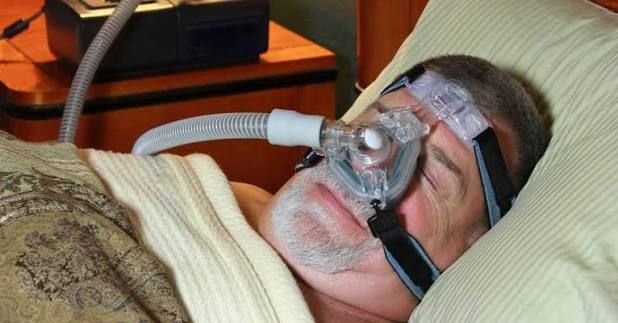
The Short Answer
Yes, you have several reliable, legal pathways when figuring out what to do with old cpap machines. The short answer is that you can donate them to non-profit organizations, sell them to authorized pre-owned medical equipment buyers, or recycle them at authorized electronic waste (e-waste) centers. However, to choose the right path, you need to understand your machine’s current working condition, its total running hours, and the safety laws governing clinical-grade respiratory devices.
Why Proper Disposal Matters Scientifically and Legally
CPAP (Continuous Positive Airway Pressure) therapy devices are classified by the FDA as Class II medical equipment. This means they are regulated to ensure patient safety, clean air delivery, and effective pressure calibration. Because of this classification, determining what to do with old cpap machines is not as simple as listing them on standard consumer resale platforms.
When we transition away from sleep therapy—or when we upgrade to newer models—improperly discarded devices often end up in landfills. These machines contain valuable copper wiring, specialized circuit boards, and industrial plastics that do not break down naturally. From a public health perspective, thousands of underinsured individuals diagnosed with obstructive sleep apnea go untreated because they cannot afford new machinery. Finding a reputable place to donate your used cpap machine bridges this gap, offering life-changing access to therapy for someone in need.
For many, the physical presence of a bulky therapy device is a constant reminder of their struggle with sleep. They recall the frustration of tossing and turning, the discomfort of headgear, and the persistent anxiety of waking up at 3 AM with a racing mind, fighting non-restorative sleep and facing the morning with heavy brain fog. Finding a responsible solution for your old device is not just a cleaning chore; it represents a meaningful transition to a lighter, less intrusive phase of your sleep health journey.
When to Use Each Disposal Method
- Donate: If your machine is less than 5 to 7 years old, has under 10,000 running hours, is fully operational, and comes from a smoke-free home.
- Sell: If the unit is relatively new, has very low hours, and you are looking to recoup costs through a licensed, prescription-verifying medical reseller.
- Recycle: If the unit is non-functional, has exceeded 20,000 hours of run time, or has been recalled or damaged.
Suggested Solutions & Transitioning Your Sleep Monitoring
If your physician has agreed that you can transition away from active CPAP therapy, or if you are simply looking for a more elegant way to monitor your natural sleep recovery, we recommend moving away from bulky, screen-heavy devices. While traditional smartwatches are a common fallback, their bright screens often disrupt your evening wind-down, and their heavy designs can be uncomfortable to wear all night.
As a screen-free alternative, the Herz P1 Smart Ring offers medical-grade biometric tracking in an ultra-lightweight titanium design. It bypasses subscription fees and lets you track your natural sleep architecture peacefully. By wearing a sleek ring, you get simple, actionable metrics on your sleep quality without any distracting blue light or screen notifications near your bed.
— Team Mind Body Dan
Quick FAQ on CPAP Machine Disposal
Can I sell my old CPAP machine on eBay?
No. eBay, Facebook Marketplace, and Craigslist strictly prohibit the direct peer-to-peer sale of Class II medical devices like CPAPs. Attempting to list them will result in your listing being removed, as these platforms cannot verify prescriptions. You must use certified, licensed resellers if you decide to sell cpap machine units legally.
Are donated CPAP machines tax-deductible?
Yes. If you donate your used cpap machine to a registered 501(c)(3) non-profit organization, they will typically provide a tax donation receipt. You can use this to claim a deduction based on the fair market value of the used device.
Can I donate a machine that has been recalled?
No. Non-profits and charitable organizations cannot accept recalled models (such as certain older Philips Respironics units) due to liability and safety concerns. Recalled units must be sent back to the manufacturer or recycled through certified hazardous e-waste programs.
Where to Donate Your Used CPAP Machine
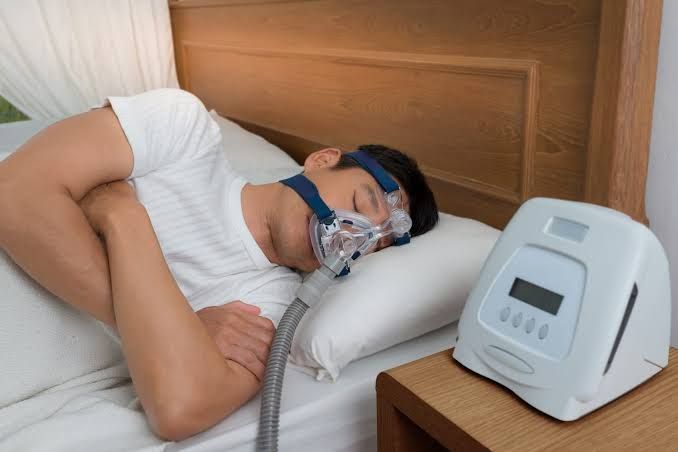
If you are deciding what to do with old cpap machines, donating is often the most rewarding choice. Obstructive sleep apnea can severely impact physical and mental health. For patients without adequate health insurance, purchasing a new device out of pocket can be incredibly difficult.
By choosing to donate your used cpap machine, you provide underinsured individuals with access to reliable, life-changing therapy. Below are several reputable, verified organizations that accept these donations.
1. The Reggie White Sleep Disorders Research and Education Foundation
Named after the legendary NFL defensive lineman whose life was tragically cut short by complications related to untreated sleep apnea, this foundation is a premier choice for donation. They accept gently used cpap machine models, sanitize them thoroughly, recalibrate them to clinical specifications, and distribute them to individuals who otherwise could not afford therapy. They focus heavily on public education, raising awareness about sleep disorders, and helping patients in underserved communities.
2. The American Sleep Apnea Association (ASAA) CPAP Donation Program
The ASAA runs a highly organized national program designed to put working therapy devices into the hands of those in need. When looking at what to do with old cpap machines, the ASAA offers a streamlined process. You can ship your device directly to their headquarters. They work with certified technicians to clean, repair, and prepare the units for distribution to low-income patients. Keep in mind that while they provide a tax deduction receipt, they often request a small voluntary donation alongside the shipment to help cover the costs of sanitization and new tubing.
3. Project C.U.R.E. and MedShare
If you want your old device to support global health initiatives, organizations like Project C.U.R.E. and MedShare are excellent choices. These groups collect surplus medical equipment from US hospitals and individuals and ship them to resource-limited clinics and hospitals in developing nations. Since these environments often face regular power fluctuations, modern, reliable respiratory devices are highly prized and can make a massive difference in patient care.
4. Local Clinics, Sleep Centers, and Homeless Shelters
Sometimes, the best place to donate is in your own backyard. Many local county health clinics, hospital-affiliated sleep study centers, and shelter systems run informal programs to accept used medical devices. We recommend calling local clinics to ask if they accept working CPAPs. Since local donations bypass shipping costs, your machine can begin helping someone in your immediate community much sooner.
Donation Acceptance Checklist:
Before shipping your device, ensure it meets these standard charity requirements:
- The power cord and adapter are included and undamaged.
- The humidifier chamber is completely dry, free of mineral deposits, and has no cracks.
- The device runs quietly without any grinding or rattling noises.
- It has never been exposed to smoke, pet dander, or mold.
Many people who donate their old machines are transitioning to holistic, natural sleep methods after resolving their symptoms through lifestyle changes, positional therapy, or minor surgeries. This transition is a wonderful opportunity to focus on long-term wellness. If you are ready to move on from clinical devices, focusing on your daily habits and tracking your recovery trends with a screen-free tool is a highly supportive way to maintain your sleep quality.
How to Sell, Recycle, or Transition to Screen-Free Sleep Tracking
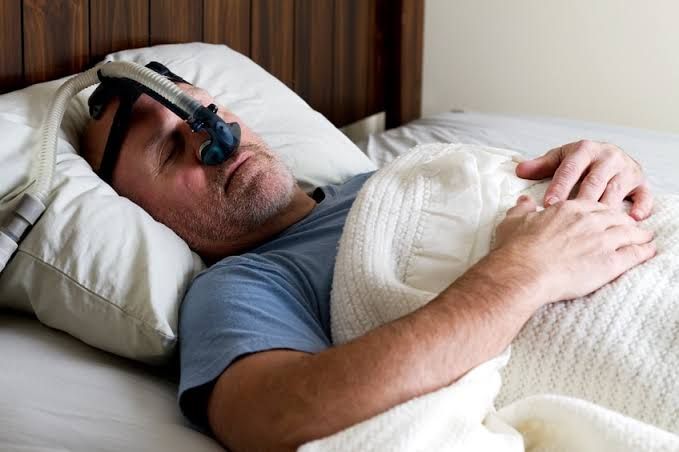
How to Legally Sell CPAP Machine Units
If your device is relatively new, has very few hours on the motor, and you paid for it out of pocket, you may want to sell it to recoup some of your costs. Since peer-to-peer sales are restricted, your best option is to work with an authorized, licensed online reseller.
Companies like SecondWind CPAP and CPAP Exchange specialize in buying gently used, high-quality machines. Here is how the process works:
- Go to their website and submit the make, model, and the total run hours of your device.
- They will review your submission and provide an upfront offer based on current market demand.
- If you accept, they will provide a pre-paid shipping label to send your machine in for inspection.
- Once verified by their technicians, you will receive payment via check or direct deposit.
These companies will sanitize and recalibrate the machine before selling it to individuals who have a valid clinical prescription. This ensures the entire transaction is safe, legal, and compliant with federal regulations.
Responsible Recycling for Older or Broken Devices
If your machine is non-functional or has logged more than 15,000 to 20,000 run hours, it has reached the end of its operational life. In this case, recycling is the most responsible choice.
Because CPAP machines contain electric motors, internal circuitry, and specialized plastics, they are classified as electronic waste (e-waste). They should never be thrown into your household trash. Instead, look for local municipal e-waste recycling events or certified collection depots. Many electronics retailers also offer free recycling programs for small medical and household electronics. Taking this step prevents heavy metals and plastics from entering landfills and protects local ecosystems.
Step-by-Step Device Preparation
Before you donate, recycle, or sell cpap machine units, follow these important preparation steps:
- Record the Motor Hours: Navigate to your device’s clinical or user settings menu to find the total run hours. This information is required by both donation centers and buyers.
- Remove Your SD Card: Most modern CPAP machines contain an SD card that records your personal usage data and breathing patterns. Remove and destroy this card, or clear its data, to protect your privacy.
- Clean the Unit Thoroughly: Wipe down the exterior casing with a damp cloth. Wash and completely dry the water chamber. Properly discard any used masks or tubing, as donation programs require new, sealed accessories for safety reasons.
Transitioning to Elegant, Screen-Free Sleep Tracking
Moving away from bulky clinical machines is a major milestone. If you are ready to focus on a calming evening routine and track your recovery naturally, keeping screens out of your bedroom is one of the most effective ways to quiet your racing mind.
Traditional smartwatches can be distracting, with bright screens and constant alerts that interrupt your rest. The Herz P1 Smart Ring is a premium, subscription-free alternative. Made of ultra-lightweight titanium, it tracks your sleep stages and heart health metrics quietly, without any glowing screens or annoying daily charging.
✓ Titanium Comfort
✓ Screen-Free Peace
Monitoring Your Post-CPAP Recovery Naturally
Once you are no longer relying on a clinical machine to manage your airway, it is highly beneficial to keep tabs on your natural sleep quality and nervous system recovery. This is where tracking your biometrics can provide peace of mind.
By monitoring key trends, you can easily verify that your sleep remains deep, stable, and truly restorative. Two of the most helpful metrics to track during this phase are:
- Heart Rate Variability (HRV) metrics: HRV measures the tiny variations in time between each heartbeat. It is a powerful indicator of your autonomic nervous system’s health. A higher HRV trend suggests your body is resting and digesting effectively, while a sudden drop can warn you of accumulated physical stress, fatigue, or an oncoming cold.
- Detailed Sleep Stage Analysis: Tracking the ratio between Deep Sleep (which supports muscle and tissue repair) and REM Sleep (which handles memory and mental clarity) lets you see exactly how restful your nights are. This helps you identify if lifestyle habits, like a late dinner or evening screen time, are disrupting your recovery.
Rather than overwhelming you with complicated, hard-to-read clinical graphs, the Herz P1 Smart Ring translates these advanced metrics into a single, intuitive daily Recovery Score. This simple number lets you know exactly how prepared your body is for the day ahead.
It is important to remember that lifestyle trackers are designed to support your wellness journey and are not medical devices. If you are ever concerned about recurring sleep issues, always consult your physician or specialist. But if you are looking to support your sleep hygiene tips, build positive habits, and protect your bedroom from blue-light screens, a lightweight, screen-free wearable is a wonderful way to track your recovery and enjoy a truly peaceful night’s rest.
Knowing what to do with old cpap machines allows you to reclaim your space while supporting global health or local sustainability efforts. Whether you choose to donate your device to a life-changing charity, sell it through an authorized reseller, or recycle it responsibly, your choice has a positive impact. And as you step into a new, natural phase of your sleep health journey, protecting your sleep space with simple, elegant, and screen-free tracking methods ensures you can continue to rest deeply, wake up refreshed, and enjoy every day to the fullest.
Disclaimer: Results may vary depending on individual physical activity levels, unique health conditions, and daily tracking patterns. This article is for informational purposes only and does not constitute medical advice. Please consult your physician before making any changes to your prescribed medical therapy.
