

What Causes Vivid Dreams and Why Do They Feel So Real?
Ever wake up with a racing mind after intense, life-like dreams, feeling completely unrefreshed? Understanding what causes vivid dreams and tracking sleep architecture is key. Biometrics like HRV reveal why this happens, and the screen-free Herz P1 Smart Ring offers the perfect tool to reclaim your energy.
Take Back Your Sleep.
Take Back Your Life.
- Fall asleep faster & sleep deeper
- Stop waking up in the middle of the night
- Wake up refreshed & full of energy
Key Highlights: Decoding Your Nightly Journeys
- The REM Connection: Highly intense dreams are almost exclusively born in the Rapid Eye Movement (REM) stage, where your brain’s emotional center is highly active while logical filters remain offline.
- Autonomic Balance: Elevated physiological stress, lower Heart Rate Variability (HRV), and evening stimulants trigger brain hyper-arousal, leading to highly memorable, chaotic dreams.
- Tracking Recovery: Transitioning away from bulky smartwatches to lightweight, screen-free alternatives like the Herz P1 Smart Ring allows you to map your REM cycles and sleep stages comfortably without disturbing blue light.
The Mechanics of Mind-Bending Nights: What Are Vivid Dreams?
Quick Answer
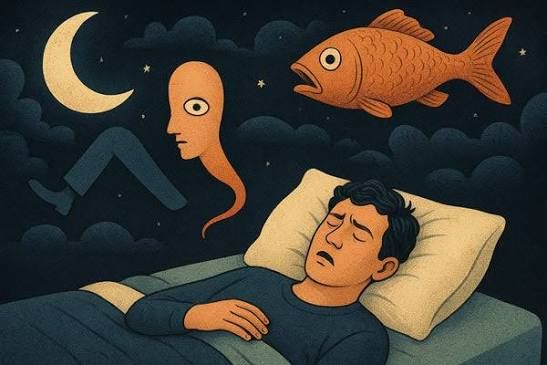
Yes, experiencing intensely realistic dreams is a normal neurological response, but whether they indicate healthy sleep depends on your daily recovery trends. The short answer is that while vivid dreams are harmless on their own, experiencing them alongside chronic exhaustion often points to fragmented sleep or elevated sympathetic nervous system arousal. To choose the right lifestyle adjustments or tracking tools, you need to understand how your brain transitions between restorative deep sleep and active dreaming states.
At their core, what are vivid dreams? They are dreams that feel incredibly realistic, rich in sensory details, and emotionally intense. When you experience these night-time adventures, you might wake up with your heart racing, fully convinced that the events occurred. These dreams are primarily generated during the Rapid Eye Movement (REM) phase of your sleep architecture, which occurs in waves throughout the night, growing progressively longer toward the morning hours.
For many of us, the problem is not just the dreaming itself; it is the physical toll it takes. You might experience the emotional weight of a 3 AM awakening, lying in bed with a racing mind, unable to fall back asleep. In the morning, you face profound brain fog and a heavy dependency on coffee to mask what was ultimately non-restorative sleep. While your body was still, your brain was working overtime, leaving you physically exhausted when the alarm rings.
When to Track Your Sleep Stages (And When Not To)
Monitoring your sleep stages is highly beneficial if you want to understand if your vivid dreaming is accompanied by frequent micro-arousals or poor autonomic recovery. By looking at trends in your Heart Rate Variability (HRV) and the ratio of Deep sleep to REM sleep, you can make informed lifestyle adjustments. However, tracking may not be helpful if it triggers “orthosomnia”—an unhealthy obsession with achieving perfect sleep numbers that ironically heightens the very anxiety that causes restless nights in the first place.
To understand how your body is recovering without adding screen-induced stress, we highly recommend integrating a sleek, distraction-free tracker. The Herz P1 Smart Ring is an ideal, screen-free companion. Rather than waking up to a glowing smartwatch screen that displays text alerts and prompts immediate screen interactions, this elegant titanium ring works silently in the background, translating complex biometric data into a simple, actionable Daily Recovery Score via its intuitive companion app.
Quick Sleep Assessment: Are Your Dreams Exhausting You?
Ask yourself these three questions to evaluate your current sleep quality:
- Do you wake up feeling physically tired even after spending 8 hours in bed?
- Are your dreams highly emotional, frantic, or stress-filled?
- Are you relying on multiple cups of coffee to clear morning brain fog?
Frequently Asked Questions About Vivid Dreaming
Q: Do vivid dreams mean you are getting bad sleep?
A: Not necessarily. Dreaming is a vital cognitive function for emotional processing and memory consolidation. However, if your dreams are highly stressful and frequently wake you up, your sleep becomes fragmented, leading to daytime fatigue.
Q: How do sleep stages affect dreaming?
A: While light dreaming can occur in non-REM stages, the most structured, memorable, and visually intense dream sequences occur during REM sleep, when brain activity closely resembles waking levels.
Q: Can tracking my HRV help me manage vivid dreaming?
A: Yes. Monitoring your HRV (Heart Rate Variability) helps you see if your autonomic nervous system is in a state of chronic stress before you sleep. Lower HRV values correlate with heightened physiological arousal, which can trigger more intense, exhausting dream cycles.
The Science-Backed Triggers: What Causes Vivid Dreams?

If you frequently ask yourself, “why do i dream so much?” you are not alone. Our brain and bodily systems are closely linked, meaning that daily stress, sleep habits, and metabolic changes directly influence how our brain functions during the night. By looking closer at these factors, we can begin to uncover the real triggers behind these intense dream states.
1. High Stress and Elevated Cortisol Levels
When you are stressed, your body produces higher levels of cortisol and adrenaline. This keeps your autonomic nervous system in a state of heightened sympathetic arousal—often referred to as the “fight-or-flight” response. If you don’t decompress before going to bed, your brain stays highly alert, leading to dreams that are emotionally intense and chaotic. You may ask yourself, “why are my dreams so vivid lately?” Chronic daily stress is often the primary reason, as it forces your brain to process emotional strain during sleep.
2. Sleep Deprivation and the REM Rebound Effect
When you don’t get enough sleep, your brain prioritizes deep sleep first to recover physically, cutting short your REM sleep. Once you finally get a full night’s rest, your brain quickly makes up for lost time by entering prolonged, highly intense REM phases. This phenomenon, known as “REM rebound,” explains why your dreams feel incredibly realistic after a period of poor sleep. If you want to understand the deeper vivid dreams meaning, it is often simply your brain trying to catch up on vital emotional processing.
3. Hormonal Fluctuations and Pregnancy
Hormones play a significant role in managing sleep cycles. Significant changes in estrogen and progesterone, especially during pregnancy, menstruation, or menopause, can dramatically affect sleep architecture. These hormonal shifts often lead to more frequent awakenings during REM sleep, making you highly likely to remember your dreams in vivid detail.
4. Certain Medications and Alcohol Consumption
Many common medications, including beta-blockers, antidepressants, and sleep aids, can alter brain chemistry and affect REM sleep cycles. Interestingly, while alcohol acts as a sedative and helps you fall asleep quickly, it actually suppresses REM sleep during the first half of the night. As the alcohol wears off, your body experiences a rebound effect, resulting in intense and sometimes disruptive dreams during the early hours of the morning.
The Screen-Free Path to Healthier Sleep
Many modern smartwatches disrupt rest with late-night screen notifications, vibration alerts, and bright blue light. They also demand frequent, daily charging, which can disrupt your sleep tracking habits. The Herz P1 Smart Ring solves these issues with its lightweight titanium design, long-lasting battery life, and complete lack of screen distractions.
By focusing on core biometric data, it translates your Sleep Stages and HRV trends into clear, actionable advice, helping you make healthy lifestyle adjustments without subscription fatigue.
Actionable Strategies to Reduce Emotional Dream Fatigue
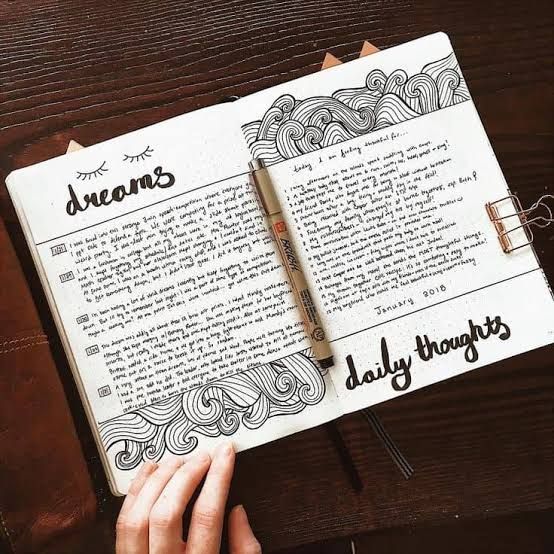
If your night-time adventures are leaving you feeling exhausted and worn out, you don’t have to just live with it. By actively tracking your sleep patterns and addressing vivid dreams, you can support your nervous system and enjoy more restorative, peaceful rest. Here are several practical, science-backed steps you can take today:
Establish a Mindful Evening Wind-Down Routine
Your brain needs a clear signal that it is safe to transition from daytime vigilance to nighttime rest. Try reading a physical book, practicing light stretching, or writing in a journal before bed. Putting your thoughts on paper helps clear your mind, reducing the mental clutter your brain has to sort through during REM sleep. Most importantly, avoid using screens in bed; blue light suppresses melatonin production and keeps your nervous system artificially alert.
Monitor Your Heart Rate Variability (HRV) Trends
Your Heart Rate Variability (HRV) is a key indicator of your autonomic nervous system’s health. A higher HRV suggests your body is resting and digesting (parasympathetic dominance), while a lower HRV indicates stress and alert mode (sympathetic dominance). By monitoring your nightly HRV trends, you can see how daytime stressors and late-night habits affect your recovery, helping you make healthier choices before bed.
| Sleep Metric | What It Measures | Why It Matters for Dreaming |
|---|---|---|
| HRV (Heart Rate Variability) | The variation in time between consecutive heartbeats. | Lower HRV correlates with higher stress, which can lead to more intense and exhausting dreams. |
| REM Sleep Ratio | The percentage of your total sleep spent in the REM stage. | Helps identify potential “REM rebound” after periods of sleep deprivation. |
| Deep Sleep Duration | The most physically restorative stage of your sleep cycle. | Essential for physical recovery, helping ensure you wake up feeling truly refreshed. |
Track Comfortably and Consistently
To get a clear picture of your sleep architecture, consistency is key. However, sleeping with a bulky smartwatch can be uncomfortable and even disrupt your rest. This is why many people prefer the elegant comfort of the Herz P1 Smart Ring. Designed to be worn on your finger, its lightweight titanium construction is virtually unnoticeable during the night, allowing you to easily track your sleep stages without any subscription fees or hidden costs.
By monitoring these key biometrics, you can move away from guessing and start making data-informed decisions to improve your rest. Over time, you can watch your Daily Recovery Score improve as you learn what causes vivid dreams in your personal routine and take steps to enjoy more restful, refreshing sleep.
Disclaimer: Results may vary depending on individual physical activity levels, unique health conditions, and daily tracking patterns. The content provided on Mind Body Dan is for informational and educational purposes only and should not be considered medical advice. Always consult with a qualified healthcare professional before making changes to your sleep routine or starting any new wellness program.
