

What Is UPPP Surgery and Its Success Rate for Sleep Apnea?
If you wake up gasping at 3 AM with a racing mind, you are not alone. Traditional treatments fail many, leading them to consider non-invasive tracking and recovery optimization. But is uvulopalatopharyngoplasty or uppp surgery the answer? Let’s dive deep into success rates, costs, and holistic monitoring tools like the Herz P1 Smart Ring to see.
Take Back Your Sleep.
Take Back Your Life.
- Fall asleep faster & sleep deeper
- Stop waking up in the middle of the night
- Wake up refreshed & full of energy
- Defining UPPP: Understand how uvulopalatopharyngoplasty reshapes tissue in the throat to clear the airway.
- Realistic Success Rates: Analyze why the immediate success rate of up3 surgery may taper over several years.
- Financial Considerations: Learn about the variables that dictate overall uppp surgery cost.
- Non-Invasive Monitoring: Discover how screen-free biometric tracking helps monitor your biological recovery trends.
Is UPPP Surgery Right for You? A Complete Breakdown

Quick Answer: It depends on your unique anatomy, airway obstruction severity, and previous experience with CPAP machines. The short answer is that uppp surgery can be highly effective for a specific subset of people who have localized soft tissue blockages in the throat. However, to choose the right path forward, you must understand how your body recovers and monitors sleep quality before committing to surgical intervention.
Living with sleep apnea can feel like an endless uphill battle. You crawl into bed exhausted, hoping for a night of deep, restorative sleep. Instead, you face agonizing 3 AM awakenings, gasping for air as your throat tissues collapse and choke off your oxygen supply. The resulting brain fog, morning headaches, and chronic fatigue start to feel like a permanent part of who you are. This persistent struggle is what drives many people to explore surgical options like uvulopalatopharyngoplasty, commonly referred to as uppp surgery or up3 surgery.
But what exactly is this procedure, and how does it fit into the broader landscape of cpap alternatives? At its core, this traditional sleep apnea surgery is designed to widen your upper airway. During the procedure, a surgeon removes excess tissue from the back of your throat. This typically includes the uvula (the small dangle of tissue at the back of your mouth), portions of the soft palate, and any redundant throat tissue or tonsils. By clearing these obstructions, the physical path for air becomes wider, reducing the vibrations that cause snoring and preventing the airway collapse that leads to obstructive sleep apnea events.
While the prospect of a permanent structural change sounds appealing, we must recognize that uppp surgery is a major invasive option. It is not a quick fix or a guaranteed cure-all. Before deciding to undergo this procedure, patients must undergo thorough anatomical evaluations to pinpoint exactly where their airway is collapsing. If your collapse occurs lower in the throat near the base of the tongue, a standard up3 surgery targeting only the upper soft palate may not yield the improvements you hope to see.
When to Use vs. When Not to Use UPPP Surgery
Evaluating your eligibility for this surgical route requires analyzing several personal health factors:
- When to consider it:
- You have documented, moderate-to-severe obstructive sleep apnea with clear airway blockage at the soft palate level.
- You have tried and failed CPAP therapy due to claustrophobia, skin irritation, or physical discomfort.
- You have enlarged tonsils or an elongated uvula that physically limits nasal and oral airflow.
- When to avoid it:
- Your airway obstruction is multi-level or located primarily at the base of the tongue.
- You struggle with central sleep apnea, where the brain fails to send breathing signals (surgery only alters physical airway structures).
- You are looking for an easy, pain-free path to better sleep; recovery from throat surgery can be highly intensive.
For individuals who are unsure if their throat tissues are the primary issue, or for those who simply want to try a less invasive approach first, objective sleep tracking is a logical starting point. Understanding your nightly recovery patterns is key to managing sleep health. By focusing on your daily wellness routines, practicing consistent sleep hygiene, and monitoring how your body responds to simple lifestyle modifications, you can make highly informed choices.
— Team Mind Body Dan
This is where screen-free health technology shines. Traditional smartwatches can be bulky, glowing in the dark and waking you up just as you finally drift off. A lightweight, elegant biometric device like the Herz P1 Smart Ring offers a seamless way to track your sleep trends. Built from durable, medical-grade titanium, it sits comfortably on your finger all night. It continuously monitors your sleep stages (Deep, REM, Light) and your Heart Rate Variability (HRV), giving you a clear picture of how relaxed your nervous system actually is without subscription paywalls or irritating notifications. Tracking these baseline trends before scheduling a consultation for sleep apnea surgery ensures you have concrete, personalized data to share with your healthcare team.
Frequently Asked Questions About UPPP Basics
Is UPPP surgery painful?
Yes, recovering from tissue removal in the throat is widely recognized as highly uncomfortable. Most patients require prescription pain management for the first 10 to 14 days and must adhere to a strict liquid or soft-food diet during this healing window.
Will UPPP surgery completely eliminate my snoring?
While up3 surgery significantly reduces tissue vibration—which is the main cause of heavy snoring—it does not guarantee that snoring will stop entirely. If residual blockages exist in your nasal passages or lower throat, minor snoring may persist.
How do I know if my airway collapse is at the soft palate?
A specialized ear, nose, and throat (ENT) physician will perform an endoscopic evaluation, often during a drug-induced sleep endoscopy (DISE), to visualize exactly where your airway narrows or collapses when you are asleep.
Understanding UPPP Surgery Success Rates and Long-Term Outcomes
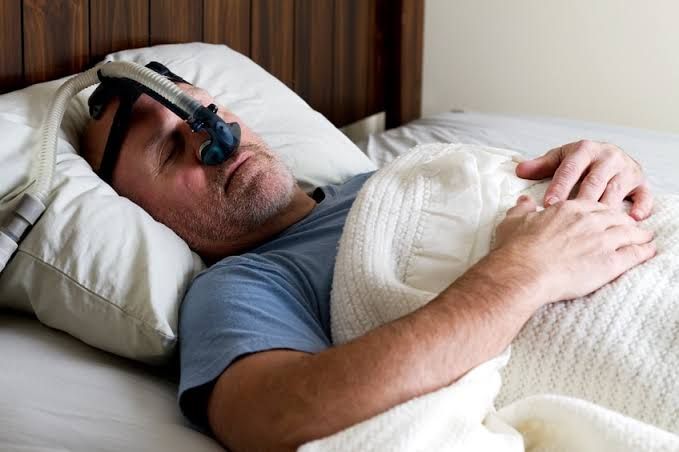
When considering any major surgical procedure, the most critical question on your mind is naturally: *Will this actually work?* The clinical effectiveness of uvulopalatopharyngoplasty is somewhat nuanced. In medical literature, “success” is typically defined as achieving at least a 50% reduction in your Apnea-Hypopnea Index (AHI) score alongside an overall AHI below 20. It is crucial to understand that a clinical success does not always equate to a complete cure for sleep apnea; many patients still require mild support or behavioral adjustments after their procedure.
Statistically, the initial success rate of standard uppp surgery hovers around 50% to 60%. When surgeons combine this throat restructuring with additional target areas—such as removing tonsils or addressing nasal obstructions like a deviated septum—the initial success rate can rise. However, long-term studies reveal a common trend: the effectiveness of sleep apnea surgery can decline over time. Over a span of 5 to 10 years, throat tissues naturally lose their elasticity, weight fluctuations occur, and general aging can cause the airway to become more pliable, sometimes resulting in a return of airway collapse symptoms.
Because surgical structural changes can yield varying long-term outcomes, relying solely on how you “feel” in the morning can be misleading. Monitoring objective physiological markers like blood oxygenation trends, resting heart rate, and heart rate variability (HRV) during sleep stages gives you a clear, data-informed perspective on whether your body is actually staying in a relaxed parasympathetic state throughout the night.
To help visualize how uppp surgery compares with other standard interventions, we can look at average clinical efficacy rates and patient compliance over time:
| Treatment Modality | Initial Success Rate | Long-Term Compliance / Retention | Key Consideration |
|---|---|---|---|
| CPAP Therapy | 90% – 95% (When used consistently) | 40% – 60% (High abandonment rates) | Highly effective but uncomfortable for daily wear |
| UPPP Surgery | 50% – 60% | Permanent structure (No compliance needed) | Invasive; effectiveness may decrease over 5-10 years |
| Oral Appliances | 60% – 70% (Mild to moderate cases) | 70% – 80% | Convenient, but requires custom dental fittings |
As illustrated, while CPAP therapy remains the gold standard for clinical efficacy, actual adherence is notoriously low because many people struggle to sleep while strapped to a loud machine. This is where surgical options appear highly attractive: they are permanent, requiring no daily effort once the initial recovery phase is complete. However, given that the success of up3 surgery is not guaranteed, having a non-invasive, daily wellness monitor is critical to understanding your progress.
For example, measuring hrv tracking trends offers direct insight into autonomic nervous system recovery. If your body is constantly battling physical airway restrictions, your nervous system remains in a fight-or-flight state, causing your HRV to drop. Conversely, as airway restrictions clear—whether through lifestyle changes, structural surgeries, or target therapies—your body relaxes, and your nighttime HRV trends upward, signaling healthier autonomic balance. The Herz P1 Smart Ring makes monitoring these vital health trends effortless. It delivers detailed, easy-to-read HRV and sleep cycle data directly to your smartphone, with no ongoing subscription fees or glowing screens to interrupt your resting environment.
Key Sub-Questions on UPPP Outcomes
What is the primary reason UPPP surgery fails?
Failure most commonly occurs because of airway collapse at levels other than the soft palate. If the tongue base collapses backward or if the lateral walls of the pharynx are highly pliable, removing tissue from the top of the throat will not prevent apnea events.
Can I use a CPAP machine after UPPP if needed?
Yes. In fact, many patients who do not achieve a complete resolution of symptoms find that they can use their CPAP machine at a much lower, more comfortable pressure setting after undergoing uppp surgery.
Does weight gain affect the surgery’s success?
Yes, significant weight gain after surgery is one of the most common reasons why sleep apnea symptoms return, as excess fatty tissue can accumulate in the neck area and constrict the surgically widened airway.
UPPP Surgery Cost, Recovery Timeline, and Non-Invasive Tracking

Before moving forward with any surgical plan, it is vital to understand both the financial commitment and the physical recovery involved. The overall uppp surgery cost can vary widely depending on your location, your specific surgical team, and whether you require additional concurrent procedures like tonsillectomy or nasal septoplasty. Generally, without health insurance, the cost ranges from $5,000 to over $10,000. If the procedure is deemed medically necessary after a documented sleep study and failed CPAP trials, most health insurance providers will cover a significant portion of the cost, though out-of-pocket deductibles and copays will still apply.
The physical recovery timeline is another crucial aspect to prepare for. You should plan for a minimum of two weeks away from work and strenuous physical activities. The initial 7 to 10 days are usually the most intense, characterized by severe throat pain that can make swallowing fluids a challenge. Ensuring proper hydration is critical during this period to prevent complications and support tissue healing. Minor bleeding is a common risk, but any major bleeding requires immediate medical attention. Your surgeon will schedule a follow-up sleep study roughly 3 to 6 months post-surgery to objectively assess the changes in your AHI score.
Bridging the Gap Between Clinical Procedures and Daily Wellness
Whether you choose to undergo surgery or prefer a holistic lifestyle approach, success lies in understanding your body’s personal sleep patterns. Reclaiming your energy starts with capturing accurate, non-invasive metrics that show exactly how your body recovers each night.
For those looking to optimize their sleep hygiene and monitor recovery without the physical stress of an operating room, non-invasive habits can provide excellent support. Simple, everyday actions can yield meaningful changes in your sleep quality. For example, practicing side-sleeping techniques prevents gravity from pulling your tongue backward, while addressing chronic nasal congestion through steam inhalation or saline rinses ensures clear breathing pathways. Some individuals also find success by utilizing gentle mouth taping techniques to encourage natural nasal breathing and prevent throat dryness, while others explore focused throat exercises to strengthen the airway muscles and reduce airway collapse.
A crucial part of any sleep-improvement journey is establishing a consistent feedback loop. If you make lifestyle modifications, how do you know if they are working? Rather than relying on guesswork, a screen-free wearable like the Herz P1 Smart Ring offers an objective way to track your progress. With its lightweight, titanium design, you won’t even notice it’s on your finger as you drift off to sleep. By measuring detailed sleep stages (Deep, REM, and Light), heart rate variations, and active recovery indicators, the Herz P1 Smart Ring translates complex biometrics into a clear, daily Sleep and Recovery Score. This subscription-free tracker provides reliable, empowering insights to help you take charge of your sleep health naturally.
Frequently Asked Questions on UPPP Costs and Recovery
Are there long-term side effects of UPPP?
Some patients report long-term sensations of throat dryness, minor changes in the tone of their voice, or a feeling that liquids sometimes travel upward into the nasal cavity when swallowing. These side effects are usually mild but should be discussed thoroughly with your surgeon beforehand.
How long after surgery can I return to exercise?
Most surgeons recommend avoiding heavy lifting, intense cardio, or strenuous workouts for at least 14 days following surgery to prevent elevated blood pressure, which could trigger bleeding in the healing throat tissues.
Is a sleep study required before insurance covers UPPP?
Yes. Health insurance companies almost universally require a formal sleep study (either in-lab or home-based) documenting the severity of your obstructive sleep apnea before they will authorize coverage for surgical interventions.
Disclaimer: Results may vary depending on individual physical activity levels, unique health conditions, and daily tracking patterns. This content is for informational and educational purposes only and should not be considered medical advice. Always consult a qualified medical professional before making any decisions regarding surgeries or major changes to your treatment plan.
