

Can Thyroid Issues Ruin Your Rest? How Hormone Imbalance Affects Sleep
Are you struggling with a racing mind, 3 AM awakenings, or chronic brain fog despite spending eight hours in bed? The hidden culprit might be the delicate link between your thyroid and sleep. By monitoring key biometrics like HRV and Sleep Stages with a screen-free Herz P1 Smart Ring, you can finally reclaim your rest without subscription fees.
Take Back Your Sleep.
Take Back Your Life.
- Fall asleep faster & sleep deeper
- Stop waking up in the middle of the night
- Wake up refreshed & full of energy
- Hormonal Havoc: Both overactive and underactive thyroid glands directly disrupt your circadian rhythm, causing distinct patterns of insomnia or non-restorative sleep.
- Symptom Breakdown: Hyperthyroidism triggers a racing mind, night sweats, and fast heart rate, while hypothyroidism leads to extreme fatigue, sleep apnea, and morning joint stiffness.
- Biometric Tracking: Monitoring physiological markers like HRV, resting heart rate, and sleep stages provides objective insights into how hormone levels affect your recovery.
- Screen-Free Solutions: Emphasizing natural sleep hygiene and adopting screen-free tracking methods protects sensitive nervous systems from sleep-disrupting blue light.
The Science of Hormone Imbalance: How Your Thyroid and Sleep Are Intertwined
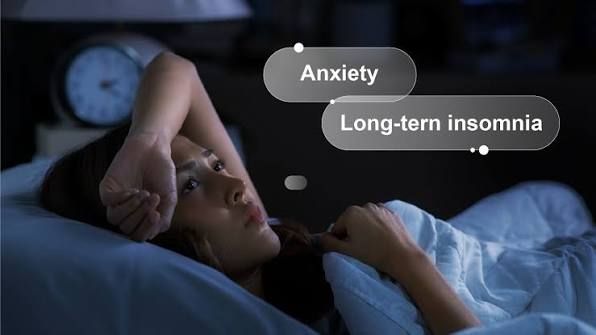
Quick Answer: Yes, your thyroid hormones directly control your metabolism, body temperature, and heart rate, meaning any hormonal imbalance will immediately disrupt your sleep-wake cycles. The short answer is that thyroid health dictates how deeply you sleep and how easily you wake. However, to choose the right recovery strategies and monitoring tools, you must first understand the fundamental science of how the thyroid and sleep connection functions within your endocrine system.
At our core, we at Team Mind Body Dan believe that understanding your biology is the first step toward reclaiming your energy. The butterfly-shaped gland sitting at the base of your neck acts as the master control center for your body’s energy expenditure. By releasing triiodothyronine (T3) and thyroxine (T4), the thyroid influences almost every tissue in your body, including the brain regions responsible for regulating circadian rhythms and sleep stages.
When this delicate system falls out of balance, your sleep architecture crumbles. Sleep architecture refers to the natural progression through the various stages of sleep, including light sleep, deep sleep, and Rapid Eye Movement (REM) sleep. Let us look closely at how the two primary forms of thyroid dysfunction impact these crucial recovery phases.
Hyperthyroidism and Sleep: The Engine That Won’t Turn Off
If you are dealing with an overactive thyroid, a condition known as hyperthyroidism, your body is effectively running on overdrive. It is the physiological equivalent of leaving your car idling at maximum RPMs all night. This constant state of hyperarousal is a primary reason why hyperthyroidism and sleep make such poor bedfellows.
When thyroid hormone levels are excessively high, your sympathetic nervous system—responsible for the “fight or flight” response—is overstimulated. This manifests in several disruptive sleep symptoms:
- The Racing Mind: You lie in bed staring at the ceiling, your brain jumping from one anxious thought to the next. The mental noise makes sleep onset nearly impossible.
- Elevated Resting Heart Rate: Even while lying completely still, your heart may pound or flutter, keeping your body in an alert state that prevents transition into deep sleep.
- Night Sweats and Heat Intolerance: Because thyroid hormones regulate thermogenesis, hyperthyroidism raises your baseline body temperature, causing sudden night sweats that trigger immediate awakenings.
For those experiencing these symptoms, the question “does thyroid affect sleep” is answered nightly by hours of tossing, turning, and sweating. The nervous system simply cannot settle down enough to descend into the deeper, restorative phases of sleep.
Hypothyroidism and Sleep: The Fatigue That Never Ends
On the opposite end of the spectrum lies hypothyroidism, where an underactive thyroid fails to produce sufficient hormones. While you might assume that a sluggish metabolism would make falling asleep easier, the reality of hypothyroidism and sleep issues is far more complicated and frustrating.
People with an underactive thyroid often experience severe, overwhelming daytime fatigue, yet they wake up feeling completely unrefreshed. This is because hypothyroidism severely destabilizes sleep quality. Instead of smooth transitions between sleep stages, individuals suffer from fragmented sleep, frequently waking up briefly without even realizing it.
Furthermore, hypothyroidism is a significant risk factor for obstructive sleep apnea (OSA). A lack of thyroid hormones can cause fluid retention and muscle weakness in the upper airway, leading to collapse during sleep. These repeated pauses in breathing cause micro-arousals, stripping you of precious deep sleep and leaving you with intense morning brain fog and physical aches.
When to Track Your Biometrics (and When to Seek Professional Support)
When navigating thyroid sleep problems, tracking your biometrics is incredibly valuable, but it is essential to understand the scope of wearable technology. Smart rings and fitness trackers do not diagnose medical conditions. Instead, they serve as objective mirrors reflecting your physiological trends.
Who should track: If you are already working with a medical professional to optimize your thyroid health, tracking metrics like Heart Rate Variability (HRV), resting heart rate, and sleep stages is highly beneficial. It allows you to see how your lifestyle adjustments, dietary changes, and stress-management practices are improving your body’s recovery over time.
Who should wait: If you are experiencing severe, sudden physical symptoms—such as an extreme resting heart rate, rapid unexplained weight changes, severe breathing difficulties during sleep, or profound depression—your first step must always be a comprehensive clinical evaluation, including a full thyroid blood panel.
A Screen-Free, Subscription-Free Solution for Comfortable Monitoring
If you decide that tracking your sleep trends is the right path forward, the type of device you choose matters immensely. Many traditional smartwatches are bulky, distracting, and feature bright screens that light up with every movement in bed. This blue light exposure is highly detrimental, especially for those whose thyroid issues already leave their nervous systems hyper-sensitive and prone to a racing mind.
The Herz P1 Smart Ring offers an elegant, non-invasive alternative. Crafted from ultra-lightweight, medical-grade titanium, it sits comfortably on your finger, completely free of screens or vibrating notifications. It silently gathers clinical-grade biometric data while you sleep, translating complex physiological signals into straightforward, easy-to-read trends on your phone the next morning. Best of all, it operates on a lifetime subscription-free model, ensuring you own your health data forever without hidden monthly fees.
Frequently Asked Questions About Thyroid and Sleep
Q: Does thyroid affect sleep directly, or is it just the stress of having a thyroid issue?
A: It does both. While managing a chronic health condition certainly causes mental stress, thyroid hormones physically interact with neurotransmitters and brain regions that regulate sleep. The hormone imbalance itself directly disrupts sleep architecture, regardless of your stress levels.
Q: Can hypothyroid sleep issues cause weight gain?
A: Yes, indirectly. Hypothyroidism already slows your metabolism, but when you combine that with poor sleep quality, your body’s hunger hormones (leptin and ghrelin) get disrupted. This leads to increased cravings and reduced energy levels, making physical activity more challenging.
Q: How long does it take for sleep to improve once thyroid levels normalize?
A: While physical symptoms may begin to improve within a few weeks of balancing hormone levels, sleep patterns can take several months to fully stabilize. Your body needs time to rebuild healthy circadian rhythms and restore deep sleep cycles.
Decoding the Biometric Signals of Thyroid Sleep Problems

To understand the full impact of hormone imbalance on your body, you must look beyond basic step counts. The real story of tracking thyroid sleep problems lies deep within your autonomic nervous system. By looking closely at specific biometric markers, we can map exactly how thyroid dysfunction is affecting your sleep and daytime recovery.
When you utilize an advanced wearable, you gain access to metrics that reveal your inner physiological state. Let us break down the three most critical biometric signatures affected by thyroid-driven sleep issues: Heart Rate Variability, Resting Heart Rate, and Sleep Stage Analysis.
Heart Rate Variability (HRV): Your Autonomic Nervous System’s Mirror
Heart Rate Variability (HRV) is the variation in time between consecutive heartbeats, measured in milliseconds. Unlike a steady heart rate, a healthy heart is constantly shifting its timing to meet environmental demands. High HRV indicates a resilient, adaptable nervous system that transitions easily between states of action and rest. Low HRV, conversely, indicates that your body is locked in a state of chronic stress, unable to recover efficiently.
In cases of hyperthyroidism, the excessive circulation of thyroid hormones keeps your body in a persistent sympathetic-dominant state. Your nervous system is constantly fighting an invisible battle, which severely suppresses your HRV. When you wake up, your tracker might show a very low heart rate variability tracking score, confirming that your body remained tense and unrecovered all night.
For those with hypothyroidism, the story is different but equally challenging. While your resting heart rate might be low, your overall metabolic sluggishness can prevent your heart from responding dynamically to subtle physiological shifts during sleep, also resulting in flat, low-recovery HRV patterns.
An optimal nervous system should show a steady rise in HRV during the deep hours of the night, indicating active repair. If your thyroid levels are imbalanced, your overnight HRV graph will often remain flat and low, indicating your body failed to enter a restorative state. Understanding these trends helps you identify which lifestyle habits—such as evening wind-down routines or dietary adjustments—actually help lower your nervous system’s stress response.
Resting Heart Rate (RHR) and Sleep Stage Analysis
Your resting heart rate is a direct reflection of your metabolic demand. In hyperthyroidism, your sleeping heart rate may remain elevated, closely mimicking daytime levels. This prevents your body from dropping into deep sleep, the physically restorative stage where muscles repair and tissue grows. Instead, you spend the majority of the night in light sleep, easily woken by the slightest sound or change in room temperature.
In hypothyroidism, while your RHR might look low, your sleep stage analysis will often reveal a severe deficit in Deep and REM sleep. REM sleep is critical for cognitive function, memory consolidation, and mental clarity. A lack of REM sleep is a major contributor to the heavy morning brain fog and mental exhaustion so commonly associated with underactive thyroid conditions.
By observing these patterns over weeks rather than single days, you begin to see clear trends. This longitudinal view is invaluable for understanding how your body is coping, and it provides concrete, objective data that you can share with your healthcare provider.
Reclaiming Your Energy: Practical Habits and Screen-Free Tracking

Reclaiming your sleep when dealing with a hormone imbalance requires a multi-faceted approach. You cannot simply force your body to sleep deeply; instead, you must create the physiological conditions that allow sleep to occur naturally. This involves establishing consistent habits that support your endocrine system and adopting monitoring methods that do not add unnecessary stress to your life.
Let us explore the most effective, data-informed lifestyle adjustments for optimizing sleep hygiene when managing thyroid issues, and how tracking your progress without screens can transform your recovery.
1. Master Your Sleep Environment’s Temperature
Because thyroid hormones directly control your internal thermostat, temperature sensitivity is a major disruptor of sleep. Those with hyperthyroidism are prone to overheating, while those with hypothyroidism often struggle to stay warm, leading to tensed muscles and shallow breathing.
To support your body’s thermoregulation, aim for a bedroom temperature between 60°F and 67°F (15°C to 19°C). If you run cold due to hypothyroidism, use layered, breathable bedding (like bamboo or linen) so you can adjust your temperature throughout the night without waking up in a sweat. If you suffer from night sweats due to hyperthyroidism, look into cooling mattress pads and keep a glass of ice water on your nightstand.
2. Design a Nervous-System-Soothes Evening Wind-Down
If you are struggling with a racing mind and high nighttime heart rates, your evening routine should focus entirely on calming your sympathetic nervous system. Avoid high-intensity workouts, heavy meals, and intense emotional conversations within three hours of bedtime.
Instead, engage in activities that promote parasympathetic activation. Gentle stretching, reading a physical book, or practicing slow, deep diaphragmatic breathing can help lower your heart rate and signal to your brain that it is safe to transition into sleep. Consistency is key here; keeping a predictable routine helps stabilize your circadian rhythm, which is highly beneficial when managing does thyroid affect sleep symptoms.
3. Embrace Screen-Free tracking to Eliminate Nighttime Anxiety
Many individuals attempting to improve their sleep fall into a common trap: they use devices that actually contribute to their sleep struggles. Checking a bright smartwatch screen in the middle of the night because you woke up with a pounding heart instantly stimulates your brain. The blue light suppresses melatonin production, and seeing notifications or a poor sleep score in real-time triggers a spike in cortisol, locking you into another hour of wakefulness.
This is where screen-free wearable technology changes the game. By moving the tracking process from your wrist to a comfortable, screen-free ring, you eliminate the mental friction of constant notifications and glaring screens. You can simply live your life and sleep your sleep, knowing your biometrics are being captured accurately in the background.
Track Your Recovery Comfortably & Sustainably
The Herz P1 Smart Ring offers medical-grade biometric monitoring in an ultra-lightweight, screen-free titanium frame. By gathering raw physiological data without distracting notifications, it gives you the clear insights you need to optimize your daily recovery score—all without the burden of ongoing subscription fees.
By combining these practical daily habits with an unobtrusive, comfortable tracker, you can monitor how your body responds to lifestyle changes. If you observe your daily recovery score and deep sleep duration steadily rising, you will know your efforts are paying off. This objective feedback loop replaces stress with clarity, helping you reclaim your physical and mental well-being one restful night at a time.
Ultimately, navigating the relationship between your thyroid and sleep requires patience, self-compassion, and the right tools. Your sleep issues did not develop overnight, and finding your optimal balance will take time. But with consistent habits and gentle, screen-free monitoring, you can step off the path of constant exhaustion and step onto a path of lasting energy and deep, restorative sleep.
Disclaimer: Results may vary depending on individual physical activity levels, unique health conditions, and daily tracking patterns. The content provided in this article, including biometric observations, sleep trends, and lifestyle suggestions, is for informational and educational purposes only. It is not intended to serve as medical advice, diagnosis, or treatment. Always consult with a qualified healthcare professional or endocrinologist before starting any new health tracking regimen, making significant changes to your diet or lifestyle, or adjusting any ongoing medical treatments related to thyroid health.
