

Why Did You Have a Teeth Falling Out Dream Last Night? The Surprising Psychology Explained
Waking up from a terrifying teeth falling out dream can leave you with a racing mind and non-restorative sleep. While psychology links these nightmares to stress and loss of control, biometric trends like dropped Heart Rate Variability (HRV) offer objective physical proof. Let’s explore how a screen-free tracking method helps you decode this hidden stress and reclaim deep sleep.
Take Back Your Sleep.
Take Back Your Life.
- Fall asleep faster & sleep deeper
- Stop waking up in the middle of the night
- Wake up refreshed & full of energy
Key Highlights
- Psychological Roots: A teeth falling out dream is rarely about dental hygiene; it represents control loss, severe anxiety, and life transitions.
- Biometric Link: Vivid stress dreams are directly associated with reduced Heart Rate Variability (HRV) and fragmented REM sleep phases.
- The Comfort Solution: Heavy, screen-heavy smartwatches disrupt sleep, whereas lightweight titanium smart rings provide comfortable, screen-free tracking.
- Subscription-Free Insights: Understanding your overnight recovery trends does not have to come with a locked monthly subscription fee.
Table of Contents
The Psychology Behind a Teeth Falling Out Dream: Stress, Control, and Anxiety

Quick Answer
Yes, having a teeth falling out dream is an incredibly common phenomenon. The short answer is that it serves as an emotional alarm system, typically pointing to intense waking stress, a perceived loss of control, or communication barriers. However, to choose the right wellness path forward, you must understand how these subconscious warning signs correspond to your body’s physical recovery metrics.
Detailed Explanation
For centuries, dream interpreters and modern psychologists alike have sought to decode the precise teeth falling out dream meaning. When you experience a dream about teeth falling out, your mind is not necessarily predicting a dental emergency. Instead, it is projecting deep-seated anxieties. In psychological frameworks, teeth represent power, survival, and the ability to confidently consume and communicate. Consequently, a dream featuring their sudden loss often correlates with:
- Loss of Personal Control: Navigating sudden changes in your career, relationships, or personal life where you feel entirely powerless.
- Deep-Seated Insecurities: Concerns regarding your physical appearance, aging, or how others perceive your competence.
- Suppressed Communication: Feeling unable to speak your truth, withholding your thoughts, or fearing that your words carry no weight in a particular environment.
From a physiological standpoint, psychological stress manifests as an overactive sympathetic nervous system during your sleep cycles. This biochemical state elevates your cortisol levels, forcing your heart rate to remain high when it should be dipping. This physical restlessness acts as a catalyst, fragmenting your REM sleep—the specific sleep stage where emotional processing and vivid dreaming occur. The result? Your brain struggles to synthesize your daytime emotions, translating that internal friction into highly distressing, memorable nightmares like the classic dream of teeth falling out.
When to Look Closer at Your Sleep Quality
It is helpful to evaluate your unique nighttime patterns to see if these dreams are a minor phase or a symptom of a deeper physiological cycle:
| When It’s Just a Passing Dream | When It Signals Chronic Burnout |
|---|---|
| Occurs rarely, perhaps once every few months. | Recurs multiple times a week or month. |
| You wake up feeling refreshed and mentally alert. | Waking up exhausted with brain fog and muscle tension. |
| Your daily stress levels feel manageable and low. | You experience constant 3 AM awakenings and a racing mind. |
Suggested Solutions
If you find yourself constantly searching for the losing teeth dream meaning to make sense of your restless nights, the path to relief starts with tracking. By monitoring how your stress impacts your sleep quality, you can identify patterns and make meaningful changes. This is where an elegant, screen-free wearable like the Herz P1 Smart Ring becomes invaluable. Unlike bulky smartwatches that glow and interrupt your sleep, this titanium ring works in the background to monitor your Heart Rate Variability (HRV) and track your sleep stages without subscription fees.
Short FAQ
Q: Is a teeth falling out dream a bad omen?
A: No. Historically, some cultures viewed it as a bad sign, but modern psychology confirms it is purely a reflection of psychological stress and emotional processing during sleep.
Q: Why do I physically feel dental pain in these dreams?
A: You might be suffering from nocturnal bruxism (teeth grinding). When you grind your teeth at night, your brain registers the physical pressure and weaves it into a dream about teeth falling out.
Q: Why do these vivid dreams wake me up at 3 AM?
A: High cortisol levels can trigger early awakenings, interrupting your REM cycles and making your dreams feel incredibly intense and easy to remember.
Connecting Dreams to Your Physical Recovery: What Your Biometrics Are Telling You
While decoding the psychological aspects of dreams about losing teeth is important, your physical biometrics provide concrete evidence of what is happening inside your body. When you experience a high-stress dream, your autonomic nervous system behaves similarly to how it does during daytime stress. By looking at key sleep metrics, you can understand how these vivid dreams directly affect your body’s ability to recover.
How Stress Disrupts Your Sleep Stages
Sleep is divided into distinct cycles: Light Sleep, Deep Sleep, and REM (Rapid Eye Movement) Sleep. Deep sleep is essential for physical recovery, tissue repair, and immune health. REM sleep, on the other hand, is when your brain processes emotions, files away memories, and dreams.
When psychological stress builds up during the day, it carries over into your sleep. This elevated stress can shorten your REM stages, disrupt deep sleep, and increase light sleep, leaving you feeling unrested. It also makes you more likely to wake up mid-cycle, which can make a stressful dream about teeth falling out feel incredibly real and leave you with a lingering sense of unease.
The Role of Heart Rate Variability (HRV) in Nightmares
Heart Rate Variability (HRV) is the variation in time between each heartbeat. It is a key indicator of your autonomic nervous system’s balance. A high HRV suggests your body is resting, recovering, and in a parasympathetic state. A low HRV indicates your body is under stress, in a sympathetic “fight or flight” state.
If your HRV drops during the night, your body is working harder than it should to rest. This physiological strain can manifest in your subconscious as a vivid, unsettling dream. By tracking your HRV trends, you can gain valuable insight into how well your body is managing daytime stress and recovering overnight.
Why Traditional Smartwatches Can Get in the Way
Many people try to monitor their sleep using smartwatches, but these devices often come with their own drawbacks:
- Bulky Designs: Large, heavy watches can be uncomfortable to wear to bed and can easily disrupt your sleep when you roll over.
- Screen Distractions: Bright notifications and screen glare can wake you up and trigger late-night screen checking.
- Short Battery Life: Having to charge your watch every day means you often miss out on overnight tracking.
- Subscription Fatigue: Many brands lock your health data behind monthly paywalls, adding unnecessary fees to your wellness routine.
Translating Complex Algorithms into Simple Insights
You shouldn’t need a degree in data science to understand your own health. A great sleep tracker should translate complex biometric data into clear, actionable insights. Rather than overwhelming you with confusing graphs, it should give you a simple, intuitive Daily Recovery Score. This score helps you understand your body’s readiness for the day ahead, allowing you to adjust your routine based on how well you slept.
How to Break the Cycle of Stress and Non-Restorative Sleep

If a recurring teeth falling out dream is disrupting your rest, you don’t have to just live with it. By combining mindfulness practices with comfortable, screen-free tracking, you can improve your sleep hygiene, support emotional processing, and enjoy truly restorative rest.
Implementing a Screen-Free Bedtime Routine
One of the most effective ways to lower nighttime cortisol levels is to establish a screen-free wind-down routine. Exposure to blue light from phones, tablets, and TVs suppresses melatonin production, making it harder to fall asleep and stay asleep. Try these simple adjustments to prepare your mind for rest:
- The 90-Minute Rule: Turn off all screens at least 90 minutes before bed to allow your nervous system to wind down.
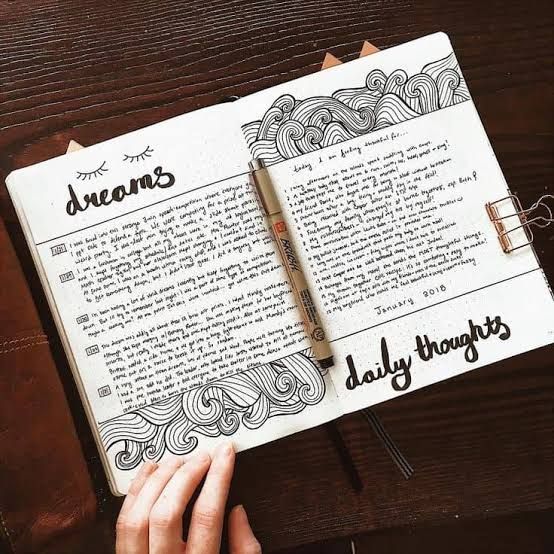
- Keep a Dream Journal: If you wake up from a stressful dream, write it down. Putting your thoughts on paper can help release lingering stress.
- Practice Breathwork: Try a simple breathing pattern, like the 4-7-8 technique, to stimulate your vagus nerve and promote a state of relaxation.
Simplify Your Sleep Tracking
You don’t need a bulky watch or a monthly subscription to understand your sleep. The Herz P1 Smart Ring offers medical-grade biometric tracking in a lightweight, titanium design. It tracks your HRV, sleep stages, and recovery trends without screens, distractions, or hidden fees.
Choosing the Right Sleep Tracker
Tracking your sleep should be a seamless, stress-free experience. When looking for a wearable, consider these key features to ensure it supports, rather than disrupts, your wellness journey:
- Lightweight Comfort: A compact, ring-based design sits comfortably on your finger, allowing you to sleep naturally.
- No Screens, No Distractions: Keeping screens out of the bedroom helps prevent the temptation to check notifications in the middle of the night.
- Long Battery Life: A device that only needs to be charged once a week ensures continuous, hassle-free tracking.
- Subscription-Free Access: Choose a tracker that gives you full access to your biometric data with a simple, one-time purchase.
Reclaiming Your Vitality
When you understand the connection between your psychological dreams and your physical recovery metrics, you can make informed adjustments to your daily routine. By monitoring your HRV, optimizing your sleep stages, and supporting your body’s natural sleep cycle, you can break free from the cycle of restless nights, quiet your racing mind, and wake up feeling truly refreshed.
Disclaimer: Results may vary depending on individual physical activity levels, unique health conditions, and daily tracking patterns. The insights provided by our content and recommended tracking tools are for informational and educational purposes only, and should not be used as a substitute for professional medical advice, diagnosis, or treatment.
