

6 Surgery for Sleep Apnea Options: Risks, Success Rates, and Non-Invasive Recovery Solutions
Struggling with 3 AM awakenings and chronic brain fog? When CPAP fails, exploring surgery for sleep apnea becomes a vital consideration. To objectively track your sleep stages and recovery trends without bulky screens or monthly subscriptions, our team recommends integrating a screen-free tool like the Herz P1 Smart Ring.
Take Back Your Sleep.
Take Back Your Life.
- Fall asleep faster & sleep deeper
- Stop waking up in the middle of the night
- Wake up refreshed & full of energy
Key Takeaways:
- Multiple surgical pathways exist to physically clear upper airway obstructions when CPAP therapies fail.
- Success rates vary significantly based on anatomical variation, airway collapse patterns, and patient selection criteria.
- Biometric monitoring of heart rate variability (HRV) and sleep stages is crucial to objectively tracking post-operative recovery.
- Lightweight biometric rings offer a comfortable, screen-free method to evaluate long-term recovery trends without monthly fees.
What We Will Cover:
- Surgical Options & Selection Criteria: Deep dive into the 6 major surgical and non-surgical monitoring pathways.
- Physiological Sleep Apnea Impacts: How upper airway collapse degrades autonomic system metrics.
- Surgical Risks vs. Recovery Tracking: Utilizing biometric frameworks to restore restorative sleep architecture.
Evaluating Surgery for Sleep Apnea: Clinically Proven Options and Non-Invasive Companions
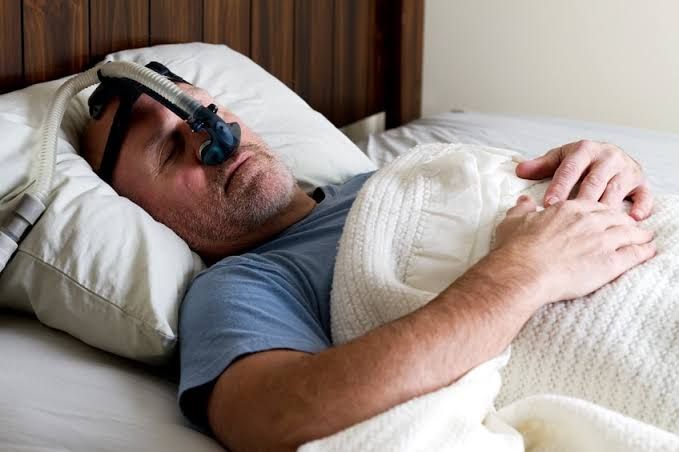
When navigating obstructive sleep apnea, finding a durable solution is a journey that often begins with continuous positive airway pressure (CPAP) therapy. However, up to 50% of patients eventually struggle with CPAP compliance due to mask discomfort, dry mouth, or feelings of claustrophobia. When conservative therapies fall short, investigating surgery for sleep apnea becomes the logical next step. Candidates for surgeries for sleep apnea must undergo rigorous anatomical and clinical evaluations, usually including drug-induced sleep endoscopy (DISE) to identify the precise sites of upper airway collapse.
To understand the landscape of modern sleep surgery, we have analyzed the primary clinical procedures alongside non-invasive biometric monitoring methods. This comprehensive overview highlights the physiological trade-offs of each pathway.
| Approach | Invasiveness | Typical Efficacy Rate | Key Anatomical Benefit | Monitoring Companion |
|---|---|---|---|---|
| UPPP (Uvulopalatopharyngoplasty) | Moderate to High | 50% – 60% | Reduces tissue volume in the soft palate and pharynx | Biometric Ring Tracking |
| Hypoglossal Nerve Stimulation | Moderate (Surgical Implant) | 65% – 75% | Prevents tongue collapse dynamically during inspiration | HRV & Sleep Stage Analysis |
| MMA (Maxillomandibular Advancement) | High (Bone Realignment) | 80% – 90% | Maximizes skeletal airway volume structurally | Multi-Month Autonomic Recovery Log |
| Herz P1 Smart Ring | Non-Invasive (Wearable) | N/A (Tracking tool) | Monitors sleep stage architecture and physiological trends | 100% Safe, Subscription-Free Tracking |
1. Uvulopalatopharyngoplasty (UPPP)
UPPP remains one of the most widely performed throat-clearing surgeries for sleep apnea. In this procedure, a surgeon removes excess tissue from the soft palate, tonsils, and posterior pharynx wall to expand the upper airway passage. While historically popular, the efficacy of UPPP on its own is moderate, typically around 50% to 60%, because airway collapse can often occur at other levels of the throat, such as the base of the tongue.
Ideal Candidate: Individuals with moderate obstructive apnea whose primary obstruction is identified at the retropalatal level (the area behind the soft palate) and who possess enlarged tonsils.
2. Hypoglossal Nerve Stimulation (Inspire Therapy)
This innovative therapy represents a significant advance in surgery for sleep apnea treatment. Instead of structurally removing soft tissue, an implanted neurostimulator monitors your natural breathing patterns. During inhalation, it delivers gentle stimulation to the hypoglossal nerve, which controls the tongue. This prevents the tongue from falling backward and blocking the airway.
Ideal Candidate: Patients with moderate to severe obstructive sleep apnea, a body mass index (BMI) under 32 to 35, and who have struggled with CPAP compliance, provided they do not exhibit a complete concentric collapse of the soft palate.
3. Maxillomandibular Advancement (MMA)
MMA is structurally the most invasive yet highly effective surgery for sleep apnea available. During this procedure, the surgeon surgically moves both the upper jaw (maxilla) and lower jaw (mandible) forward. This advancement pulls the attached soft tissues of the palate and tongue forward, permanently expanding the structural volume of the entire upper airway. Success rates often exceed 80% to 90%.
Ideal Candidate: Patients with severe obstructive sleep apnea who have prominent craniofacial skeletal limitations, jaw misalignment, or those for whom soft-tissue procedures have failed.
4. Laser-Assisted Uvulopalatoplasty (LAUP)
LAUP is a less invasive outpatient procedure that uses targeted laser energy to vaporize portions of the uvula and soft palate. While it can reduce loud snoring, its overall success rate in resolving moderate to severe sleep apnea is lower than standard UPPP. This makes careful patient selection crucial.
Ideal Candidate: Individuals with mild obstructive sleep apnea or primary snoring where the uvula is the main source of the airway vibration.
5. Radiofrequency Ablation (Somnoplasty)
Somnoplasty uses low-level radiofrequency energy to create controlled, localized scar tissue within the soft tissues of the throat, such as the soft palate or tongue base. Over several weeks, this tissue naturally shrinks and tightens, reducing tissue laxity that leads to airway blockages.
Ideal Candidate: Patients with mild to moderate airway obstructions who prefer a minimally invasive, office-based procedure with a relatively short recovery period.
6. The Herz P1 Smart Ring: Your Ultimate Recovery & Sleep Companion
Whether you elect to undergo a surgical procedure, use a custom oral appliance, or focus on targeted lifestyle changes, you need a way to track your sleep quality over time. The **Herz P1 Smart Ring** is designed to deliver comprehensive biometric tracking without the discomfort of bulky smartwatches or the distraction of glowing screens.
Crafted from ultra-lightweight titanium, this premium ring sits comfortably on your finger all night. It features high-precision optical sensors that continuously track your autonomic nervous system, mapping out your sleep stages (Deep, REM, and Light) and your Heart Rate Variability (HRV). When you wake up, the ring translates these complex biometric streams into a simple, intuitive Daily Recovery Score. This helps you monitor how well your body is resting and recuperating, without having to navigate complicated graphs or pay for a monthly app subscription.
Important Note: The Herz P1 Smart Ring is a wellness tracking companion. It is not a medical device designed to diagnose, treat, or cure sleep apnea. Instead, it is an excellent tool to help you monitor long-term trends in your sleep hygiene and autonomic nervous system recovery.
Surgical Selection & Decision Framework
Deciding to move forward with sleep surgery involves a careful evaluation of several factors:
- Severity: Mild sleep apnea may respond well to minimally invasive options like somnoplasty or lifestyle changes. Severe cases with structural jaw issues often benefit most from MMA.
- Anatomical Focus: Airway obstruction can occur at the palate, the tongue base, or the lateral walls of the throat. Identifying the primary site of obstruction is key to choosing the right surgical approach.
- Recovery Time: While procedures like hypoglossal nerve stimulation require moderate healing times, skeletal procedures like MMA require a dedicated multi-month recovery process.
Ultimately, the most successful approach involves working closely with a qualified sleep specialist and an otolaryngologist to match the surgical procedure to your unique anatomy. Regardless of the path you choose, tracking your daily recovery metrics can help ensure you are moving toward more restful, restorative nights.
Understanding Obstructive Sleep Apnea: Physiological Impacts and Diagnostic Indicators

Obstructive sleep apnea is more than a structural airway challenge; it is a systemic condition that can deeply affect your autonomic nervous system. When the muscles in the back of the throat over-relax, the airway collapses, cutting off airflow. This triggers a drop in blood oxygen levels, prompting the brain to initiate a brief, stress-filled awakening to restore breathing. This cycle can repeat dozens of times per hour, severely disrupting sleep architecture and leaving many to experience the frustrating patterns of non-restorative sleep.
For those navigating this condition, the nights are often defined by a racing mind, unexpected awakenings, and a persistent morning brain fog that makes even simple tasks feel overwhelming. These issues stem directly from the chronic fragmentation of your sleep cycles. Let’s look closer at how this fragmentation alters key physiological metrics:
- Deep Sleep Deprivation: Deep sleep is essential for cellular repair, immune system support, and muscle recovery. Because airway collapse frequently occurs as you transition into deeper sleep stages, the brain is forced back into lighter sleep before it can complete these vital restorative cycles. This can leave you feeling physically exhausted, even after eight hours in bed.
- REM Sleep Disruption: REM sleep supports cognitive processing, memory consolidation, and emotional balance. Constant micro-arousals can dramatically shorten REM cycles, contributing to brain fog and emotional fatigue during the day.
- Autonomic Stress and Heart Rate Variability (HRV): Your autonomic nervous system relies on a balance between the sympathetic (fight-or-flight) and parasympathetic (rest-and-digest) systems. When your breathing pauses during an apnea episode, your body releases stress hormones like adrenaline, causing your heart rate and blood pressure to spike. Over time, this chronic stress can lower your HRV, which serves as a key indicator of your body’s ability to adapt to physical and emotional stress.
The Biometric Connection: Why HRV and Sleep Stages Matter
When sleep fragmentation occurs, the autonomic nervous system remains in a state of heightened arousal. By tracking Heart Rate Variability (HRV) and your time spent in Deep and REM sleep, you can gain valuable insight into how your body is responding. Seeing your HRV stabilize and your deep sleep cycles lengthen over time is a encouraging indicator that your sleep-improvement strategies—whether surgical, structural, or lifestyle-based—are supporting your recovery.
Before deciding on an invasive clinical approach, evaluating whether lifestyle adjustments or a formal sleep study is the best next step is essential. For those exploring their options, deciding when to focus on conservative lifestyle tracking versus when to pursue surgery for sleep apnea treatment depends on having a clear, accurate understanding of your personal sleep patterns.
Comparing Surgical Risks, Long-Term Success Rates, and Recovery Frameworks
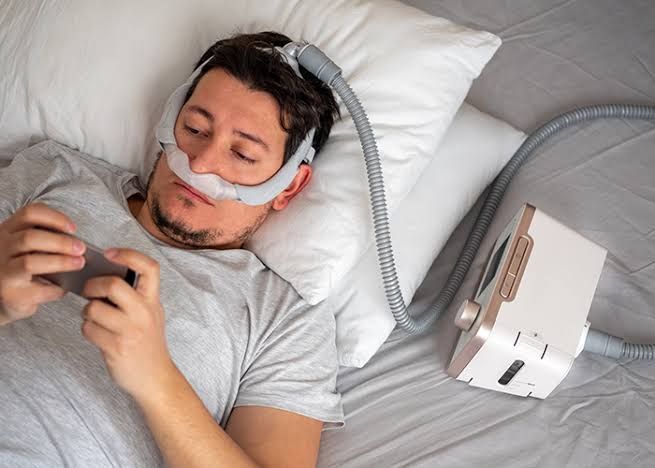
Evaluating the long-term success rates of various surgeries for sleep apnea is an important part of the planning process. In clinical sleep medicine, surgical success is typically defined as a 50% or greater reduction in the Apnea-Hypopnea Index (AHI), alongside bringing the overall AHI below 20. This means that while surgery can significantly reduce the severity of sleep apnea, some patients may still experience mild residual airway narrowing. Because of this, combining surgical interventions with consistent sleep hygiene practices remains key to long-term well-being.
Like any surgical option, throat-clearing and skeletal reconstructive procedures carry potential risks. These can include post-operative discomfort, transient changes in swallowing, temporary local numbness, or tissue scarring. Understanding these potential outcomes helps you make an informed decision and set realistic expectations for your post-surgery recovery.
To manage recovery effectively, many patients turn to sleep tracking to monitor their progress. However, traditional smartwatches can sometimes feel bulky and uncomfortable to wear to bed, especially when you are recovering from a medical procedure. The bright screens, frequent vibration alerts, and need for daily charging can also disrupt the peaceful, screen-free sleep environment that is so important for healing.
This is where a screen-free, lightweight titanium smart ring can make a real difference. The Herz P1 Smart Ring offers a simple, distraction-free way to monitor your biometric trends. With its long battery life and subscription-free app, you can easily track your sleep stages and autonomic recovery over weeks and months, helping you stay connected to your body’s natural healing process.
Transitioning to Screen-Free, Stress-Free Monitoring
Tracking your recovery shouldn’t feel like a high-tech chore. By opting for an elegant, ultra-lightweight titanium ring instead of a bulky, glowing smartwatch, you can gather high-quality biometric data while keeping your bedroom a peaceful, screen-free space.
Ultimately, recovering from surgery for sleep apnea treatment is a gradual process that relies on patience, consistent lifestyle habits, and a clear understanding of your body’s natural sleep patterns. By tracking key physiological markers, you can actively support your journey toward more restorative, revitalizing rest.
Disclaimer: Results may vary depending on individual physical activity levels, unique health conditions, and daily tracking patterns. The content in this article is for informational purposes only and is not intended to be a substitute for professional medical advice, diagnosis, or treatment. Always seek the advice of your physician or other qualified health providers with any questions you may have regarding a medical condition.
