

What Is Somniphobia and Why Does the Fear of Falling Asleep Hold Us Captive?
Do you dread bedtime due to a racing mind and non-restorative sleep? This exhausting struggle is often rooted in somniphobia, an intense fear of falling asleep. Understanding your body’s real-time biometric signatures, like Heart Rate Variability (HRV), is the first step. Our team designed a screen-free, titanium tracking solution to gently guide you back to restful sleep.
Take Back Your Sleep.
Take Back Your Life.
- Fall asleep faster & sleep deeper
- Stop waking up in the middle of the night
- Wake up refreshed & full of energy
What You Will Learn in This Article:
- The Biological Roots of Bedtime Fear: How somniphobia keeps your nervous system in a permanent fight-or-flight state.
- Deciphering Bedtime Metrics: What HRV, resting heart rate, and sleep stage analysis reveal about your nighttime anxiety.
- Somatic Self-Tracking: How to monitor your body’s true recovery without the stress of glowing screens or distracting notifications.
- A Path to Peace: Practical, non-invasive steps to transition from hyper-arousal to restorative, deep sleep stages.
Demystifying Somniphobia: The Biology of Bedtime Dread
Quick Answer
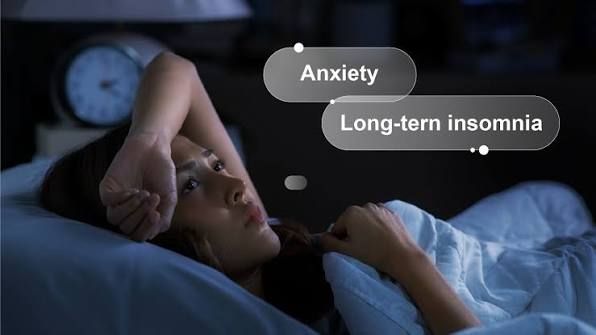
Yes, the paralyzing dread you feel as the bedroom darkens is a recognized psychological condition known as somniphobia. The short answer is that it is a persistent, irrational fear of sleep that triggers a physical fight-or-flight response. However, to find the right path forward, you must understand how this anxiety alters your physiological metrics, such as HRV and sleep stages, and how tracking these safely can return control to your hands.
Understanding Somniphobia and Bedtime Anxiety
For many, the setting of the sun represents peace and restoration. But for someone dealing with somniphobia, evening triggers a creeping sense of panic. This condition, frequently referred to as the fear of sleep, is not simply a mild reluctance to turn off the lights. It is a full-scale psychological response where the mind associates the act of drifting off with danger. Those afflicted might experience a racing mind, physical heart palpitations, and an overwhelming dread of nightmares, sleep paralysis, or losing control. Because of this, the mere thought of bedtime brings on intense somatic distress.
To understand this phenomenon, we must look at the terminology. Somniphobia is also closely related to terms like fear of sleeping, the clinical phobia of sleeping, or colloquially, somnophobia. Regardless of the label, the physiological mechanism remains identical: the autonomic nervous system undergoes a profound sympathetic hijack. Instead of transitioning into a parasympathetic state, where the heart rate slows and breathing stabilizes, the body releases cortisol and adrenaline. This prepares you to fight a threat that does not exist, keeping you awake for hours in a state of hyper-vigilance.
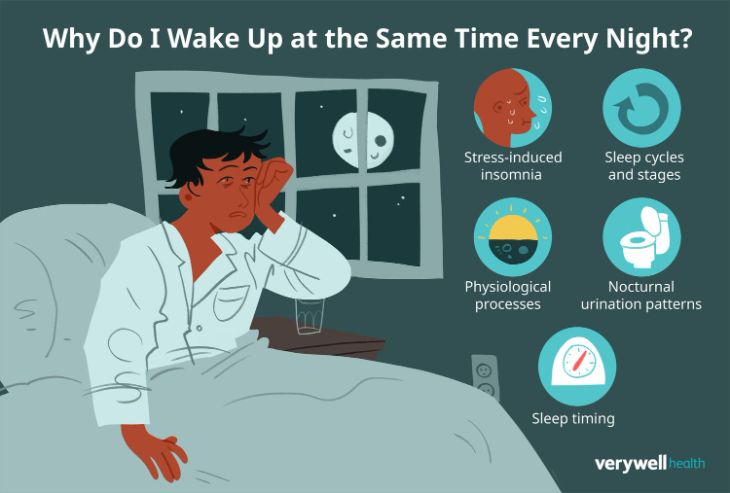
This state of hyper-vigilance directly impacts sleep architecture. When you finally fall asleep due to sheer exhaustion, the quality of that sleep is severely compromised. The body struggles to drop into deep sleep and REM cycles, which are essential for cellular repair and emotional processing. Instead, your sleep remains light and easily disrupted, often culminating in sudden 3 AM awakenings accompanied by a racing heart. This leaves you feeling entirely drained the next morning, perpetuating a relentless cycle of daytime exhaustion and nighttime fear.
When is Sleep Tracking Helpful—and When is It Not?
If you are struggling with bedtime dread, tracking your sleep can be a double-edged sword. It is crucial to identify where your habits fall on this spectrum:
- When to Use Somatic Tracking: Tracking is highly beneficial when you feel constantly exhausted but cannot pinpoint why. If you want to see objective proof that your body is recovering during the night, monitoring your Heart Rate Variability (HRV) and sleep stages can offer immense peace of mind. Seeing concrete data showing that your nervous system did, in fact, rest can help quiet a racing mind.
- When to Avoid Traditional Smartwatches: Traditional wrist-based trackers are often bulky and uncomfortable to sleep in. Crucially, they feature bright screens that flash notifications. If you wake up at 3 AM and immediately see a glowing screen displaying a poor sleep score or a high heart rate alert, your anxiety will spike. This phenomenon, known as “orthosomnia”—an unhealthy obsession with achieving perfect sleep data—actively worsens somniphobia.
The Mind Body Dan Insight on Screen-Free Tracking:
We have found that individuals struggling with bedtime anxiety benefit most from passive, screen-free tracking. By removing the immediate psychological feedback of a glowing wrist screen, you can capture highly accurate autonomic data without triggering the panic loop. This is why a lightweight, screenless wearable worn on the finger is often the ideal middle ground.
Suggested Solutions for Bedtime Peace
To break the grip of somniphobia, we recommend combining gentle cognitive restructuring with physiological tracking. Establishing a screen-free wind-down routine—such as progressive muscle relaxation or somatic breathing exercises—signals to your brain that it is safe to let go of control. To objectively monitor your progress without adding to bedtime stress, consider using a non-invasive device like the Herz P1 Smart Ring.
Crafted from ultra-lightweight, aerospace-grade titanium, the Herz P1 Smart Ring features no screen, no flashing notifications, and no vibration motors. It sits comfortably on your finger, collecting medical-grade biometric data while you sleep. The ring monitors your Sleep Stages (REM, Deep, and Light) and HRV continuously, translating complex physiological algorithms into an intuitive, daily Recovery Score. Best of all, it operates on a subscription-free model, ensuring you never face hidden monthly fees or paywalls to access your own health data.
Frequently Asked Questions
1. Is somniphobia a form of insomnia?
No, though they are closely related. Insomnia is the inability to fall or stay asleep despite having the desire and opportunity to do so. Somniphobia is an active, phobia-driven avoidance of sleep due to intense fear or dread of what might happen during sleep.
2. Can a wearable tracker actually improve my sleep anxiety?
Yes, provided it does not have a screen. A screen-free wearable allows you to gather objective trends over time. Seeing that your HRV is improving and that you are getting deep sleep—even when your mind tells you that you didn’t sleep at all—helps retrain your brain to trust your body again.
3. How does Heart Rate Variability (HRV) relate to fear of sleep?
HRV measures the variation in time between consecutive heartbeats. It is controlled by your autonomic nervous system. When you are anxious about sleeping, your sympathetic nervous system dominates, resulting in a low, flat HRV. Tracking your nightly HRV trends helps you see if your relaxation practices are successfully shifting your body into a calm, parasympathetic state.
The Vicious Cycle: How Bedtime Anxiety Alters Your Biometrics
The Physiology of Bedtime Hyper-Arousal
To truly understand how somniphobia disrupts your well-being, we have to look beneath the surface at your autonomic nervous system. The human body functions on a balance between two primary systems: the sympathetic nervous system (your “accelerator” or fight-or-flight response) and the parasympathetic nervous system (your “brakes” or rest-and-digest response). Under normal circumstances, as evening approaches, the brain’s pineal gland releases melatonin. This chemical shift signals the parasympathetic system to take over, causing your heart rate to slow, your blood pressure to drop, and your Core Body Temperature to decrease.
When you suffer from severe sleep anxiety, this delicate biological transition is completely derailed. The thought of falling asleep is perceived by the amygdala—the brain’s threat-detection center—as a danger equivalent to physical harm. In response, the amygdala fires, bypassing your conscious thought and triggering a massive release of cortisol and adrenaline. Instead of dropping into a peaceful resting state, your cardiovascular system stays highly active. Your heart rate remains elevated, and your blood vessels constrict.
This persistent cardiovascular activation can be clearly seen in physiological metrics:
| Biometric Marker | Healthy Rest State | Somniphobia State |
|---|---|---|
| Heart Rate Variability (HRV) | High (indicating adaptive, calm nervous system) | Low & Flat (indicating high-stress fight-or-flight) |
| Resting Heart Rate (RHR) | Gradual dip, reaching lowest point mid-sleep | Elevated, staying high throughout the night |
| Sleep Stages | Balanced REM, Deep, and Light cycles | Dominated by Light sleep; missing Deep & REM |
| Core Body Temperature | Drops naturally to initiate sleep stages | Stays elevated due to physiological stress |
The Impact on HRV and Sleep Architecture
Heart Rate Variability (HRV) serves as an exceptionally sensitive window into your autonomic nervous system. A high HRV means your body is resilient, relaxed, and highly capable of transitioning between activity and rest. When somniphobia takes hold, your autonomic nervous system stays locked in sympathetic drive. Consequently, your nightly HRV measurements drop significantly. This low, flatlined HRV indicates that your body is not actually recovering, even if you manage to spend eight hours in bed. It explains why you can sleep a full night and still wake up feeling completely exhausted, experiencing heavy brain fog and cognitive fatigue.
Furthermore, this constant state of alarm fragments your sleep architecture. When your nervous system is on high alert, your brain refuses to allow you to drop into Deep Sleep (slow-wave sleep) or REM (Rapid Eye Movement) sleep. Deep sleep is when the body releases growth hormone, repairs muscles, and clears metabolic waste from brain tissues. REM sleep is where emotional processing and memory consolidation occur. Without sufficient time in these critical stages, your mental resilience decreases, which in turn amplifies your anxiety surrounding bedtime the following night.
This dynamic is what we call the “bedtime feedback loop of dread.” The more exhausted you are, the more fragile your nervous system becomes, lowering your threshold for panic. When you lay down, your heart starts pounding, and your mind races. You begin to fear the very act of trying to sleep, viewing the bedroom as a place of struggle rather than a sanctuary of rest.
— Team Mind Body Dan
From Panic to Peace: Screen-Free Solutions for Sleep Reclaim
Somatic Tracking: Shifting Focus from Mind to Body
To overcome your anxiety surrounding bedtime, we must shift the focus away from forcing sleep to occur. Trying to force yourself to fall asleep is like trying to force yourself to digest food; it is an involuntary process that only happens when the body is truly relaxed. Instead of focus-monitoring your thoughts, shift your focus to your physical metrics. This is known as somatic self-tracking, and it is an incredibly powerful way to quiet a racing mind.
Instead of guessing why you feel exhausted, you can look at your biometric trends. If you monitor your nightly rest and notice that your resting heart rate is gradually dropping or that your HRV is stabilizing over a few weeks, your mind receives objective reassurance. This concrete data bypasses your anxious thoughts, showing your brain that your body is learning to rest. This builds confidence, making the bedroom feel like a safe, predictable space again.
However, how we track these metrics matters immensely. Using a standard smartwatch that lights up, vibrates, and pushes notifications can quickly trigger more anxiety. This is where a screen-free, distraction-free wearable becomes essential.
Why We Recommend the Herz P1 Smart Ring
Traditional trackers often add to bedtime stress with glowing screens, uncomfortable straps, and constant charging issues. The Herz P1 Smart Ring is different. Designed strictly for screen-free comfort, it works quietly in the background to help you reclaim your rest.
- Titanium Comfort: Extremely lightweight and hypoallergenic, making it comfortable to wear all night.
- Screen-Free Design: No bright displays or notifications to disrupt your sleep or wake you up at 3 AM.
- Subscription-Free: Pay once and own your data forever. No hidden monthly fees or paywalls.
- Deep Biometrics: Tracks HRV, RHR, and Sleep Stages (Deep, REM, Light) to provide a clear, daily Recovery Score.
Please note: The Herz P1 is a tracking tool designed to show trends; it does not replace clinical sleep diagnostics. It takes 3-5 days of consistent wear to establish your personal biometric baseline.
A Step-by-Step Guide to Reclaiming Bedtime Peace
If you are ready to overcome your fear of falling asleep, we suggest starting with these three evidence-backed somatic steps tonight:
- Establish a Screen-Free Wind-Down: Put away all phones, tablets, and laptops at least one hour before bed. Instead of scrolling, engage in a low-stimulation activity like reading a physical book under warm light or listening to soft audio.
- Practice the 4-7-8 Breathing Technique: Inhale through your nose for 4 seconds, hold your breath for 7 seconds, and exhale slowly through your mouth for 8 seconds. This deliberate breath pattern stimulates the vagus nerve, sending a physical signal to your brain to shift from fight-or-flight into parasympathetic rest.
- Monitor Trends Rather Than Individual Nights: Do not obsess over a single night of poor sleep. Instead, look at your weekly and monthly biometric trends. Focus on your HRV recovery and the gradual stabilization of your sleep stages over time. Let the data reassure you that progress is happening, even if it feels slow.
Living with somnophobia is an incredibly exhausting experience, but you do not have to navigate it in the dark. By understanding the biology of your dread and choosing gentle, screen-free tracking solutions, you can slowly retrain your nervous system to view rest as a safe harbor once again. Reclaiming your energy and mental peace begins with listening to your body’s quiet, nightly signals.
Disclaimer: Results may vary depending on individual physical activity levels, unique health conditions, and daily tracking patterns. The content provided in this article is for informational and educational purposes only and should not be construed as professional medical advice, diagnosis, or treatment. Always seek the advice of your physician or other qualified health provider with any questions you may have regarding a medical condition.
