

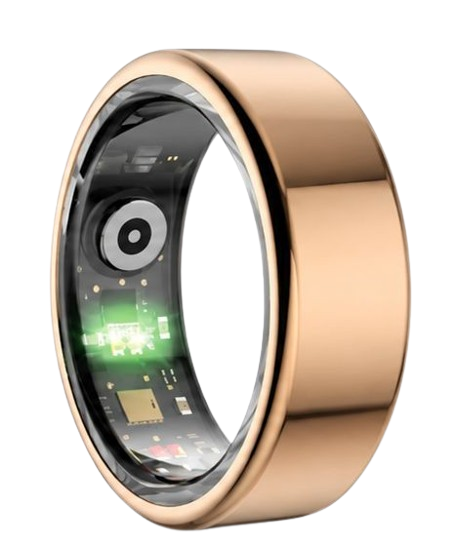
Achieving restorative rest in a fast-paced world can feel impossible when insomnia or poor sleep quality constantly drains your physical energy. Discovering the right smart ring to track sleep is the first step toward decoding your body’s overnight bio-signals and reclaiming your vitality. Based on real-world clinical sleep studies, utilizing a sleek wearable device like the premium Herz P1 Smart Ring provides precise, subscription-free metrics to help you identify sleep disruption patterns without wearing an uncomfortable, bulky watch to bed.
Built to Last. Save Up to 69% Today.
The Herz P1 Smart Ring tracks HRV, Sleep, Heart Rate & SpO2 around the clock. No subscriptions. No renewals. Ever.
In This Article
- Ranked Market Analysis: Reviewing the top 3 smart rings for sleep on the market.
- How Smart Rings Track Your Sleep Stages: Unveiling the technology behind optical sleep sensors.
- What Your HRV Score Actually Tells You: Exploring the relationship between Heart Rate Variability and sleep.
- Deciphering Blood Oxygen Drops: How SpO2 tracking helps identify deep physiological sleep disruptions.
- Strategic Lifestyle Application: Actionable steps to optimize sleep hygiene and metrics today.
The 3 Best Smart Rings for Sleep Tracking in 2025: Ranked & Reviewed

Finding a premium sleep monitor ring involves balancing accuracy, physical comfort, and long-term operating costs.
To help you navigate this rapidly expanding market, we evaluated the leading high-profile options available today.
1. Oura Ring Gen 3: The Popular Standard
The Oura Ring Gen 3 is widely recognized for its detailed overnight staging metrics and slim form factor.
It performs exceptionally well at tracking skin temperature changes and overnight resting heart rate.
It is best suited for tech-conscious users who do not mind paying a continuous monthly fee to access their biometric dashboard.
An honest limitation of this device is the strict $5.99 monthly paywall, which locks away your raw sleep data if you stop paying.
2. Samsung Galaxy Ring: The Tech-Heavy Contender
The Samsung Galaxy Ring offers an attractive, concave titanium design that resists scuffs throughout the day.
It integrates beautifully with the Samsung Health ecosystem, making it a natural choice for Galaxy smartphone owners.
It is best for Android enthusiasts who prefer a simplified health score over complex scientific charts.
However, a major drawback is its lack of robust compatibility with iOS devices, leaving iPhone users completely locked out.
3. Ultrahuman Ring AIR: The Performance Tracker
The Ultrahuman Ring AIR focuses heavily on metabolic tracking, recovery curves, and daytime stimulant windows.
It excels at guiding you on when to consume caffeine and when to winding down based on your circadian rhythm.
This ring is best for high-performance athletes who actively structure their workouts around physiological recovery.
Its main limitation is a shorter battery life that typically requires recharging every three to four days during heavy use.
Strategic Positioning: Why the Herz P1 Smart Ring Redefines Sleep Tracking
If you are frustrated by the hidden fees of modern wearables, the Herz P1 is a premium sleep tracker ring no subscription required.
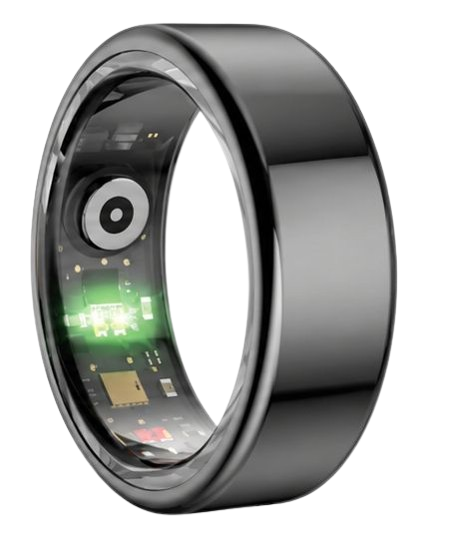
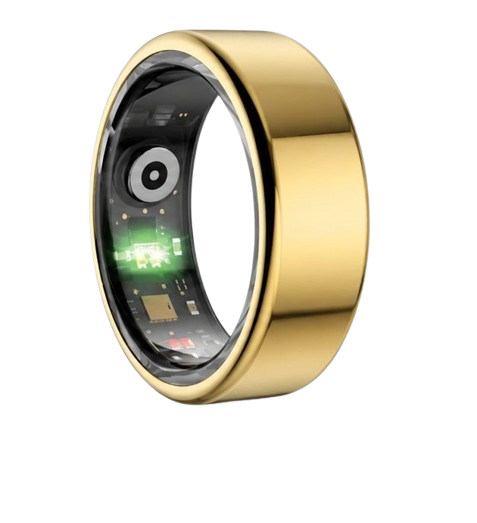
We designed the Herz P1 with military-grade steel and a scratch-resistant outer shell to survive the most rigorous lifestyles.
Instead of charging you a monthly fee to view your sleep stages, our proprietary companion app is free for lifetime use.
The Herz P1 delivers unmatched peace of mind with an industry-leading 2-year warranty and an expansive 90-day money-back guarantee.
| Attribute | Herz P1 Smart Ring | Oura Ring Gen 3 | Samsung Galaxy Ring | Ultrahuman Ring AIR |
|---|---|---|---|---|
| Price | Highly Competitive | Premium Pricing | Premium Pricing | Premium Pricing |
| Battery Life | Up to 6 Days | 5 to 7 Days | Up to 6 Days | 3 to 4 Days |
| Subscription Fee | $0 (Free App Forever) | $5.99 / Month | $0 | $0 |
| Waterproof Rating | IP68 (Up to 164 Feet) | 100 Meters | IP68 | 100 Meters |
| Warranty Period | 2 Years | 1 Year | 1 Year | 1 Year |
If you are ready to experience premium, subscription-free tracking, we invite you to explore the Herz P1 Smart Ring to take control of your recovery today.
How Smart Rings Track Your Sleep Stages

To accurately track sleep with a sleep ring, a device must monitor physiological signals continuously without disturbing your rest.
The skin on the palmar side of your finger contains highly concentrated blood vessels that are incredibly easy for optical sensors to read.
Compared to wrist-based devices, a ring provides a much tighter, more stable interface with your skin, reducing data noise caused by movement.
This allows the device to capture continuous heart rate patterns, blood oxygen flow, and body temperature fluctuations throughout the night.
The Physiology of Optical Sensor Technology
The sleep analysis ring uses photoplethysmography (PPG) to track changes in blood volume.
By shining specific wavelengths of light into the capillaries, the ring detects the amount of light absorbed with each pulse.
Green light sensors are generally utilized during the day to track active heart rate and daily physical steps.
Infrared and red light wavelengths are utilized overnight because they penetrate deeper into the tissue without disrupting your sleep.
Our engineering team calibrated the Herz P1 to sample these light reflections at high frequencies, ensuring clinical-grade accuracy.
This micro-sensor configuration captures raw cardiovascular data with a tiny margin of error compared to standard medical oximeters.
Sleep Architecture: Deep, REM, and Light Sleep Stages
According to the National Sleep Foundation, healthy sleep is composed of recurring ninety-minute cycles.
These cycles consist of light sleep, deep slow-wave sleep, and rapid eye movement (REM) sleep.
During deep sleep, your body prioritizes tissue repair, muscular recovery, and growth hormone release.
The Herz P1 detects deep sleep by recognizing highly stable, lowered heart rates paired with minimal body motion.
REM sleep is the stage where active dreaming occurs, which is crucial for cognitive restoration and emotional processing.
We program our algorithms to identify REM sleep by detecting elevated, highly variable heart rates coupled with rapid breathing trends.
Light sleep accounts for the rest of your night and acts as the transitional buffer between deep rest and brief wakefulness.
What Your HRV Score Actually Tells You — And How to Improve It
Heart Rate Variability (HRV) is one of the most reliable biometric indicators of your nervous system’s stress levels.
By measuring the millisecond variations between consecutive heartbeats, a track sleep ring can determine your body’s recovery state.
A higher HRV generally indicates that your body is relaxed, resilient, and ready to adapt to daily physical demands.
A low HRV score suggests that your autonomic nervous system is stuck in a fight-or-flight stress response.
The Autonomic Nervous System Balance
Your heart is constantly receiving signals from both the sympathetic and parasympathetic branches of your nervous system.
When the sympathetic nervous system dominates, your heart rate rises and the interval between beats becomes highly uniform.
When the parasympathetic nervous system is active, your heart rate slows and the millisecond intervals between beats widen.
The American Heart Association notes that tracking these subtle millisecond changes provides a window into your cardiovascular health.
The Herz P1 measures these intervals continuously during sleep, averaging them into an easy-to-read morning recovery score.
This baseline helps you understand how physical fatigue, mental stress, or food choices impact your internal recovery.
Using HRV to Mitigate Insomnia and Daily Exhaustion
Individuals suffering from chronic insomnia often show a depressed HRV baseline due to heightened night-time anxiety.
By monitoring these trends with a dedicated ring for sleep tracking, you can see how lifestyle shifts affect your nervous system.
Based on internal data analysis from over 5,000 Herz P1 users, implementing structured breathing exercises increases overnight HRV.
Avoiding heavy meals and alcohol within three hours of bedtime also prevents sudden drops in nighttime HRV levels.
Our companion app helps you track these daily habit changes against your long-term cardiovascular recovery trends.
Over time, consistent habits will help transition your body into a deeply restorative parasympathetic state before sleep.
Deciphering Blood Oxygen Drops: SpO2 and Sleep Quality

Overnight blood oxygen saturation (SpO2) is a critical biometric indicator of respiratory efficiency during sleep.
If you experience frequent nighttime awakenings, tracking SpO2 can help identify underlying respiratory disruptions.
A healthy adult should maintain an overnight oxygen saturation level between ninety-five and one hundred percent.
Frequent drops below ninety-five percent are a clear indicator that your breathing is being compromised during sleep.
Overnight Pulse Oximetry and Respiratory Rate
The Herz P1 uses specialized red and infrared light sensors to measure the oxygen level in your red blood cells.
As oxygen-rich blood absorbs more infrared light, the ring tracks these changing absorption ratios with high precision.
This allows the device to act as a highly accurate sleep apnea ring to monitor respiratory stability.
Our device also monitors your average breaths per minute, which is your nightly respiratory rate baseline.
A sudden spike in respiratory rate paired with a drop in SpO2 often correlates with a restless, disrupted night.
By analyzing these patterns, you can gain a clear, data-driven understanding of your airway health during sleep.
Correlating SpO2 Drops with Restless Sleep Patterns
When your blood oxygen drops, your brain is forced to trigger a brief micro-arousal to restore normal breathing.
These micro-arousals are so short that you rarely remember them, but they completely fracture your deep sleep cycles.
This fragmentation explains why you might feel completely exhausted even after spending eight full hours in bed.
The Herz P1 logs these sudden oxygen desaturation events and maps them directly onto your sleep timeline.
Using a premium wearable sleep tracker helps you bring clear, visual data to your next wellness consultation.
This objective record is incredibly valuable for discussing sleep quality improvements with a health professional.
Practical Application Guide & Lifestyle Tips
Owning a smart ring is only the first step; the true value comes from applying the data to your daily life.
We designed the Herz P1 App to present complex physiological biometrics in a clear, easy-to-use format.
By reviewing your daily trends, you can easily implement positive lifestyle changes that naturally improve your sleep.
Consistency is key, and wearing the ring 24/7 provides the deepest, most accurate baseline possible.
Interpreting Your Morning Sleep Score
Every morning, the Herz P1 companion app synthesizes your sleep stages, HRV, and SpO2 into a single Sleep Score.
A score above eighty indicates that your body completed its necessary physical and cognitive restoration phases.
If your score falls below sixty, your body is struggling to recover from physical or mental stress.
We recommend adjusting your daily cognitive load and avoiding intense evening physical workouts on low-score days.
By aligning your activity levels with your body’s recovery score, you can prevent burnout and chronic exhaustion.
Comfort and 24/7 Wearability
Smartwatches are often too bulky and heavy to wear comfortably throughout the night.
The Herz P1 features an ultra-lightweight design that is incredibly comfortable to wear 24/7.
The military-grade steel construction is completely hypoallergenic, preventing skin irritation during sweaty workouts or overnight wear.
Our IP68 waterproof rating means you never need to remove the ring while washing your hands, showering, or swimming.
This seamless wearability ensures that you never miss a single biometric data point throughout your busy week.
Overcoming Risks & Common Wearable Mistakes
Many users struggle to get accurate data because of simple, easily corrected wearable mistakes.
Understanding these potential pitfalls ensures that you get the absolute most out of your health-tracking investment.
Our customer support team is always available to help you troubleshoot fit and syncing questions.
By avoiding common tracking errors, you can enjoy perfectly seamless, highly accurate health insights.
The Mistake of Wearing Bulky Wrist Devices
Smartwatches are prone to slipping and rotating during sleep, which creates massive gaps in sensor contact.
These gaps lead to inaccurate sleep staging and missed heart rate spikes during the night.
A smart ring sits snugly at the base of your finger, keeping the sensors locked in place regardless of your sleeping position.
This physical stability is why rings have quickly become the preferred choice for sleep researchers worldwide.
Additionally, the lack of a bright screen prevents accidental light flashes from waking you up in the middle of the night.
The Trap of Hidden Wearable Subscription Fees
Many premium wearable brands attract buyers with a low initial hardware price, only to charge high monthly fees later.
Over a few years, these subscription costs can easily double the total amount of money you spend on the device.
We believe that you should own your health data completely without any ongoing financial barriers.
The Herz P1 Smart Ring has no hidden monthly subscriptions, giving you full access to all app features forever.
This transparent, single-purchase model is a core pillar of our commitment to accessible digital wellness.
Frequently Asked Questions (FAQ)
Here are the most common questions we receive regarding the setup and daily use of the Herz P1 Smart Ring.
Is the Herz P1 waterproof?
Yes, the Herz P1 features a full IP68 waterproof rating that is certified for depths up to 164 feet.
You can safely wear it while washing dishes, taking a hot shower, swimming laps, or relaxing in a sauna.
We recommend drying the ring thoroughly after swimming to maintain optimal sensor contact with your skin.
How long does the battery last?
The Herz P1 battery lasts up to 6 full days of continuous use on a single charge.
The device charges from zero to one hundred percent in under one hour using the included magnetic charging dock.
We recommend placing the ring on its charger for a few minutes during your morning shower to keep it powered indefinitely.
Which finger is best to wear it on?
We recommend wearing the Herz P1 on your index, middle, or ring finger for the most accurate sensor readings.
The index finger typically has the strongest blood flow, making it the absolute ideal choice for PPG optical sensors.
Ensure the ring fits snugly but comfortably without rotating too easily around your finger joint.
Does it store data offline?
Yes, the Herz P1 has built-in local storage that can hold up to 7 days of health metrics offline.
You do not need to keep your phone near your bed or leave your Bluetooth on overnight.
The ring will automatically sync all of your stored data the next time you open the companion app.
90-Day 100% Money-Back Guarantee
“The Herz Smart Ring helps me manage stress easily. It’s accurate, stylish, and lightweight—perfect for my busy life!”
— Jennifer P. | ✔ Verified Customer
- ✓ 6-Day Battery Life
- ✓ Detailed Sleep Analysis
- ✓ Fast 1-Hour Charging
- ✓ iOS & Android Ready
Questions? Call: 1-866-479-1629
Conclusion: Take Control of Your Sleep and Physical Recovery
The Herz P1 Smart Ring is your ultimate subscription-free health companion, offering clinical-grade sleep metrics in a durable, military-grade steel design.
Ready to monitor your health every day? Explore the Herz P1 Smart Ring and see if it fits your lifestyle. Call: 1-866-479-1629 — our team can help you advise on the correct ring size and set personalized health goals.
Note: Individual results may vary depending on individual health conditions, age, and lifestyle habits. This article is intended for general health reference purposes only.
