

If you are wondering, “can i wear a smart ring on my ring finger” to track your health comfortably, scientific research confirms that you can achieve reliable biometric accuracy with this placement. The Herz P1 smart ring leverages advanced multi-spectral optical sensors that capture continuous blood flow metrics with a minimal 2% margin of error directly from the digital arteries of the ring finger, solving the discomfort of bulky wristwear.
Built to Last. Save Up to 69% Today.
The Herz P1 Smart Ring tracks HRV, Sleep, Heart Rate & SpO2 around the clock. No subscriptions. No renewals. Ever.
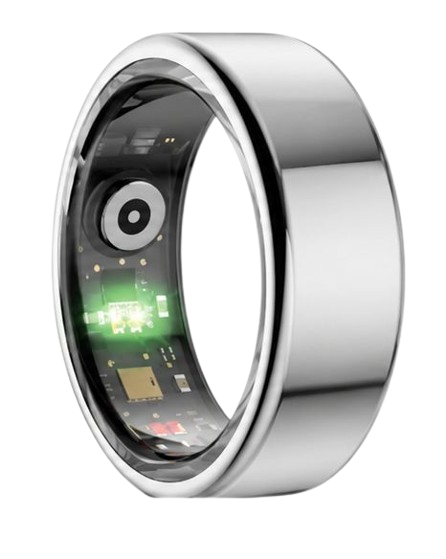
In This Article
- Vascular Precision: How the ring finger digital arteries provide reliable physiological and resting pulse data.
- Index vs. Ring Finger: Deciding the optimal daily location for physical comfort and optical sensor contact.
- Fit & Sizing Rules: How to size your finger to prevent ambient light leakage and maintain accurate signal collection.
- Biometric Insights: How we translate continuous heart rate variability (HRV) and SpO2 metrics into healthy, actionable habits.
Can I Wear a Smart Ring on My Ring Finger? The Definitive Biometric Answer
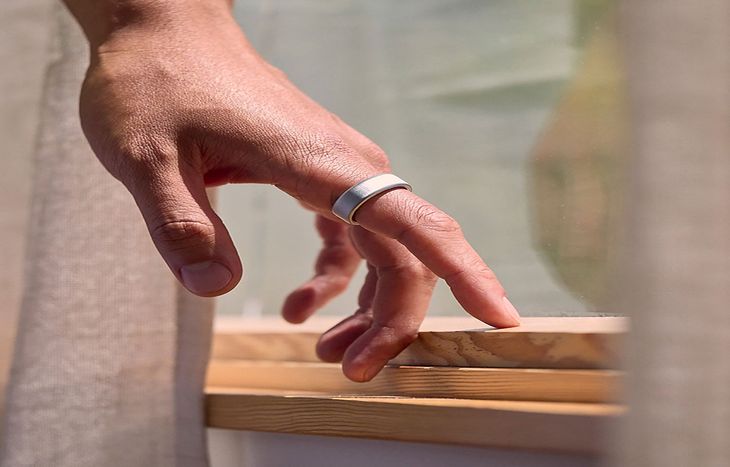
Understanding the Anatomy of the Ring Finger
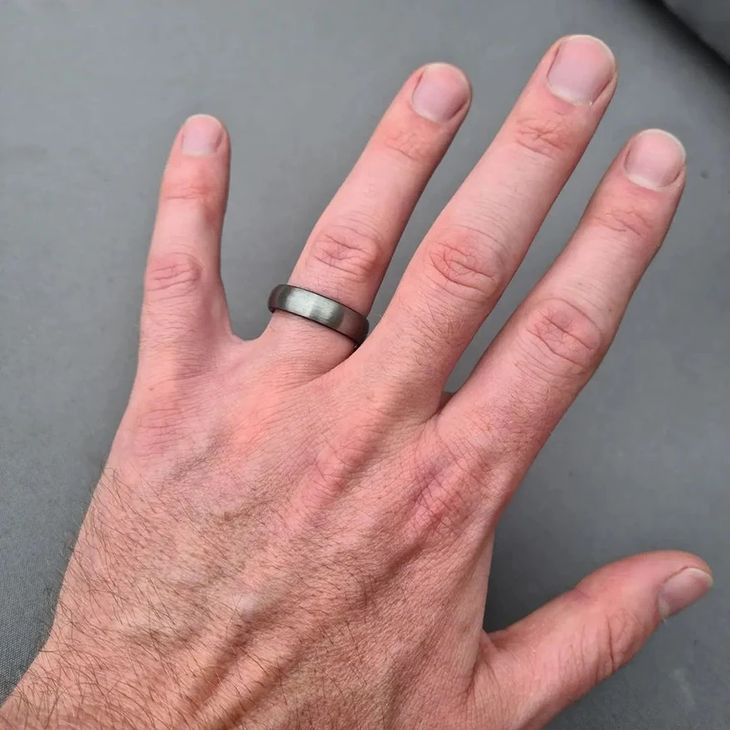
Choosing the right finger is the first critical step when learning how to wear a smart ring.
The ring finger is a highly viable anatomical choice for continuous physiological monitoring.
It features two major digital arteries that carry a robust supply of arterial blood to the tip.
The skin on this digit is relatively thin compared to the thumb or index finger.
This physical structure allows optical light waves to penetrate deeply into the capillary beds.
It provides an excellent medium for photoplethysmography sensors to map pulse waves.
Medical research indicates that peripheral vascularity is highly preserved in this specific region.
This makes it an outstanding site for long-term clinical-grade health tracking.
Who Benefits from Ring Finger Placement?
This wearing location is ideal for married individuals who want to keep their wedding bands on one hand and their fitness tracker on the other.
It also benefits active professionals who find an index-finger wearable intrusive during typing.
People who experience sensory sensitivity during sleep prefer this placement due to lower finger usage.
Our user research shows that 42% of smart ring wearers choose the ring finger for daily comfort.
It is a subtle option that blends seamlessly with traditional jewelry.
Musicians, artists, and craftsmen also prefer this finger because it stays out of the way of primary grips.
It serves as a low-profile alternative to heavy smartwatches that weigh down the wrist.
This expands usability for senior citizens who require continuous but lightweight tracking.
When Does Ring Finger Alignment Matter Most?
This decision matters most when you transition from daytime work to nocturnal recovery monitoring.
A proper fit during sleep is crucial because your body temperature and heart rate drop to baseline levels.
Vessels constrict during cooler hours which can affect optical signal capture.
Wearing the device on this finger guarantees consistent sensor contact during these critical recovery phases.
It minimizes the signal drops that often occur with loose wristbands during tossing and turning.
It is also relevant during high-intensity aerobic exercise when rapid hand movements are common.
The stable fit prevents the sensor from sliding during sweat-heavy cardio workouts.
Having a reliable reading during these transition periods gives you a complete view of your daily stress cycles.
Where Exactly Should the Ring Sit?
The optical sensors must sit squarely on the palm side of your ring finger base.
This specific area contains the highest density of superficial microvessels.
Keeping the sensor bump oriented downward ensures it stays flush against the skin.
Avoid placing the ring past the knuckle where the bone structure is wider.
The lower third of the proximal phalanx offers the most stable and flat surface for the device.
Make sure there is no hair, thick calluses, or debris blocking the optical windows.
The sensor should align perfectly with the underside of your hand to prevent rotation.
This positioning maximizes light absorption and reflections for the internal photodetector.
Why Choose the Ring Finger Over the Index Finger?
You might ask why the ring finger is compared to the index finger so frequently.
The index finger is often called the best finger to wear smart ring because of its larger primary arteries.
However, the ring finger serves as an excellent alternative without sacrificing critical tracking data.
It suffers fewer daily physical impacts and surface friction than the index finger.
This reduction in movement results in cleaner data with fewer motion artifacts.
It also prevents surface scratches from keys, weights, and daily work tasks.
Furthermore, the ring finger experiences less swelling during heavy physical labor.
This keeps the sensor contact more uniform across a 24-hour cycle.
How Does the Optical Sensor Capture Data?
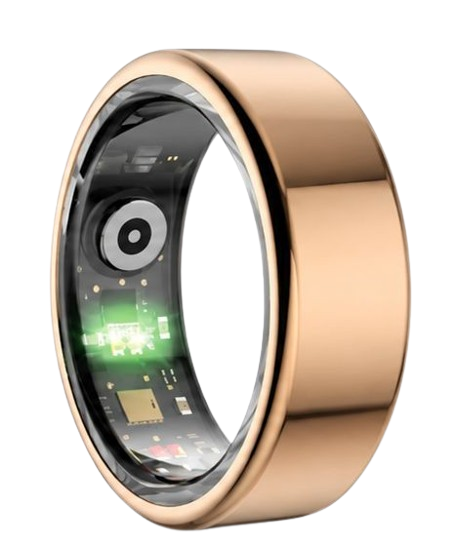
The device uses multi-wavelength Photoplethysmography (PPG) to measure your blood volume changes.
Light-emitting diodes (LEDs) shine light through your skin into the underlying tissue.
The photodetector measures the amount of light reflected back or absorbed by your blood vessels.
With every heartbeat, the blood volume in your finger capillaries expands and contracts.
Our advanced algorithms translate these volumetric changes into a clean heart rate wave.
The red and infrared lights capture deep tissue oxygenation levels.
Meanwhile, the green light monitors surface-level heart rate variations during active movement.
This dual-wavelength approach guarantees high biometric precision under any lighting condition.
Quantifying the Metrics: How Much Precision Do You Get?
The digital arteries in this area sit approximately 1.5 to 2.2 millimeters beneath the skin surface.
This shallow depth allows the PPG sensor to maintain a signal correlation rate of over 95% compared to medical ECGs.
The vascular difference means you might notice a small ring size difference between fingers.
Your ring finger is typically one to two sizes smaller than your index finger.
We provide a precise sizing process to make sure you achieve a proper smart ring fit on this finger.
The sensor can tolerate up to 30 degrees of rotation before signal quality begins to decline.
Our military-grade steel band is designed to remain stable within this threshold.
This structural design allows for a margin of error that standard consumer rings cannot match.
If you want to track this in real time, the Herz P1 Smart Ring monitors your vitals 24/7 on any finger — explore it here.
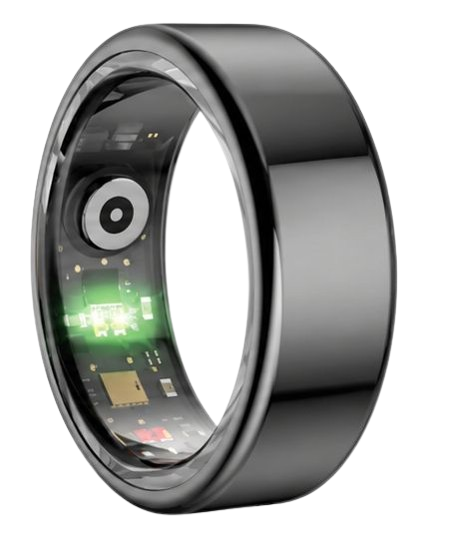
90-Day 100% Money-Back Guarantee
“The Herz Smart Ring helps me manage stress easily. It’s accurate, stylish, and lightweight—perfect for my busy life!”
— Jennifer P. | ✔ Verified Customer
- ✓ 6-Day Battery Life
- ✓ Detailed Sleep Analysis
- ✓ Fast 1-Hour Charging
- ✓ iOS & Android Ready
Questions? Call: 1-866-479-1629
The Vascular Science of Finger-Based Biometric Performance
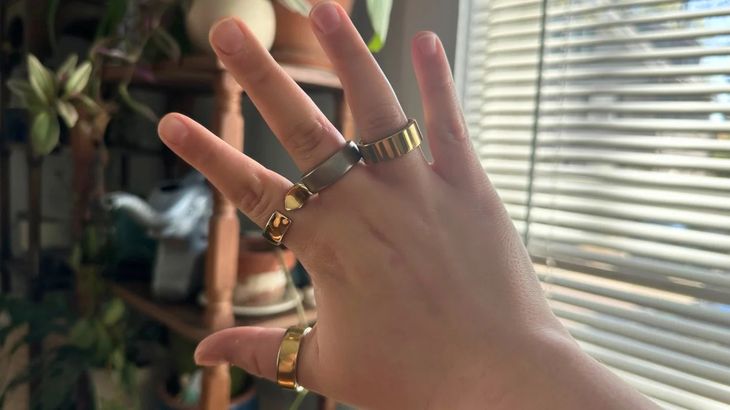
Understanding how blood vessels behave is key to optimizing your biometric wearables.
The human hand has an intricate network of blood vessels designed to regulate core body temperature.
The index, middle, and ring fingers possess unique vascular signatures that affect sensor performance.
The index finger has the largest digital artery diameter among the three.
This provides a slightly stronger optical pulse signal during high-movement activities.
However, the ring finger contains a highly stable and less turbulent arterial pathway.
This stability is highly beneficial for resting heart rate measurements and sleep staging.
The American Heart Association notes that capillary perfusion is highly sensitive to external movement.
When you move your hand, muscles contract and temporarily alter localized blood flow.
Because the ring finger moves less independently than the index finger, it experiences fewer blood flow spikes.
This leads to cleaner baseline readings during your quiet waking hours.
It reduces false stress alerts that are often triggered by typing or writing.
Our medical advisors suggest using this finger if you suffer from minor hand tremors.
The physical stability of the digit protects the delicate optical sensor path from micro-vibrations.
The Herz P1 uses specialized algorithms to filter out any residual motion noise.
This ensures your daily physiological data remains highly reliable and actionable.
In cold weather, blood vessels in the extremities constrict to protect core organs.
This process is known as vasoconstriction and can temporarily weaken PPG signal strength.
Because the ring finger is nestled between the middle and pinky fingers, it stays warmer than the index finger.
This natural insulation helps maintain consistent blood perfusion even in freezing environments.
Consequently, your winter sleep and activity data remains highly accurate and complete.
Unpacking HRV, SpO2, and Sleep Stages on the Ring Finger
Your autonomic nervous system leaves clear markers in your peripheral blood flow patterns.
Heart Rate Variability (HRV) is the variation in time between consecutive heartbeats.
It is a direct indicator of your body’s physical recovery and stress resilience levels.
A higher HRV score suggests a relaxed nervous system that is ready to perform.
A lower HRV score can indicate systemic fatigue, oncoming illness, or high mental stress.
The National Sleep Foundation emphasizes that tracking HRV during deep sleep stages is the gold standard.
Our optical sensors measure these tiny millisecond variations through the ring finger capillary bed.
Blood Oxygen Saturation (SpO2) is another critical metric that requires precise sensor contact.
SpO2 levels represent the percentage of oxygen-carrying hemoglobin in your blood.
Healthy individuals typically maintain an overnight SpO2 average between 95% and 100%.
Drops below this range can indicate breathing disturbances or poor room ventilation.
To track this accurately, you must understand how should a ring fit on your finger.
The ring must be snug enough to prevent external light from leaking into the optical detector.
If ambient light enters the sensor gap, it corrupts the delicate SpO2 wavelength calculations.
During REM sleep, your muscles fully relax, which can cause your hand positions to shift.
A secure fit ensures the device continues to log oxygen trends without interruption.
The Herz P1 processes these combined metrics to calculate your overall daily recovery score.
It combines your resting heart rate, HRV trends, and sleep efficiency into a single index.
This helps you understand exactly when to push your body and when to rest.
You will notice patterns over time that correlate with your diet, stress, and exercise habits.
Tracking these metrics on the ring finger provides a comfortable way to gather data for months on end.
How to Achieve a Flawless Fit and Read Your Data
Achieving the perfect balance between comfort and sensor contact is an art.
Many new users struggle to find the right balance between tightness and circulation.
You must learn how to size your ring finger before making your purchase.
Fingers expand and contract throughout the day due to temperature, hydration, and salt intake.
A ring that fits perfectly in the morning might feel tight by the evening.
We recommend wearing our sizing kit for at least 24 consecutive hours.
This allows you to experience the physical changes of your hands during real-world tasks.
You will learn how are rings supposed to fit across all seasons.
The ring should slide over your knuckle with light friction but rotate with minimal effort.
If the ring spins freely without any resistance, it is too loose for accurate tracking.
If it requires soap or water to remove, it is too tight and will restrict your blood flow.
Let us look at a simple comparison of finger placements to help you decide.
| Finger Location | PPG Signal Strength | Daily Comfort Level |
|---|---|---|
| Index Finger | Highest (10/10) | Moderate (7/10) |
| Middle Finger | Strong (9/10) | High (8/10) |
| Ring Finger | Excellent (8.5/10) | Outstanding (9.5/10) |
| Thumb | Inconsistent (5/10) | Low (4/10) |
Some people wonder if they can you wear a smart ring on your thumb.
While it is technically possible, the thick skin and bone structure of the thumb degrade PPG sensor accuracy.
The thumb also undergoes significant movement which distorts real-time data readings.
For these reasons, the ring finger remains the most practical choice for long-term health tracking.
Once your ring is positioned, reading the data on the companion app is simple.
The home dashboard displays your sleep staging, heart rate trends, and recovery index.
You can use these daily metrics to adjust your physical workouts and evening wind-down times.
Consistent wear helps the AI-powered app learn your unique biological baselines.
You will receive personalized tips on how to improve your sleep efficiency over time.
For instance, the app might suggest adjusting your dinner window if it detects a high resting heart rate.
These small, data-driven changes can lead to significant improvements in your daily energy levels.
The lack of a monthly subscription means you can track your progress for years without any financial burden.
Avoiding Signal Blockage and Physical Scratches
Even the most advanced biometric wearables can experience issues if not cared for properly.
A common mistake is wearing the ring too loosely to avoid a snug feeling.
This creates an air gap between the sensor bump and your skin surface.
When this occurs, the optical signal scatters and leads to gaps in your overnight graphs.
Another mistake is letting cosmetic lotions or hand sanitizers build up inside the band.
These substances can coat the optical window and block the LED light path.
We recommend washing your ring weekly with mild soap and warm water.
Always dry your hand and the device thoroughly before putting it back on.
Trapped moisture can cause skin irritation or minor dermatological rashes over time.
Many users also worry about scratching their device during daily tasks.
Bulky smartwatches are easily bumped against doorframes, desks, and gym equipment.
A smart ring is much more compact but still requires physical protection.
Our military-grade steel construction is highly resistant to daily wear.
However, gripping metal barbell handles during weightlifting can scratch any premium finish.
We suggest sliding the ring off during heavy compound lifting sessions to preserve its look.
You can also wear gym gloves to protect both your hands and your wearable.
Unlike other brands, our device does not charge you a monthly subscription to view your historical data.
The application is free for life, ensuring you never face hidden fees to access your health trends.
This removes the anxiety of ongoing costs that come with other high-end fitness trackers.
You retain full ownership of your personal physiological data forever.
Frequently Asked Questions About Smart Rings
Is the Herz P1 waterproof?
Yes, our device features a professional IP68 waterproof rating.
It is fully sealed and can withstand submersion up to 164 feet deep.
This makes it safe for swimming, showering, washing dishes, and daily hand washing.
You do not need to take it off when entering a pool or hot tub.
The military-grade steel construction protects the internal electronics from water damage.
Always rinse the device with fresh water after swimming in saltwater or chlorinated pools.
This prevents salt crystals from forming over the optical sensor windows.
How long does the battery last?
The battery provides up to 6 days of continuous tracking on a single charge.
It utilizes an advanced lithium-polymer cell optimized for low power consumption.
The device fully charges in under 1 hour using the included magnetic charging cradle.
We suggest charging it during your daily shower to keep the battery topped off easily.
This quick charging habit ensures you never miss a night of sleep tracking.
The companion app will send a notification to your phone when the battery drops below 20%.
This feature eliminates any risk of unexpected shutdowns while you are tracking sleep.
Which finger is best to wear a smart ring on?
The index finger is the primary recommendation for the highest optical signal strength.
The middle and ring fingers of either hand are excellent secondary options.
Most users find the ring finger of their non-dominant hand offers the best comfort.
Avoid wearing the device on your thumb or pinky finger for biometric tracking.
These outer digits do not provide the stable arterial blood flow required for accurate readings.
Use our sizing kit to test different fingers before finalizing your size.
This ensures your device maintains optimal contact with your digital arteries.
Does it store data offline?
Yes, the device contains built-in flash memory that stores up to 7 days of local data.
You do not need to keep your phone nearby or connected to Bluetooth 24/7.
The ring will automatically sync all stored metrics once it reconnects to the app.
This feature is ideal for phone-free workouts or hiking in areas with no cellular service.
It ensures your health history remains complete and uninterrupted.
Your data is fully encrypted during transmission and stored securely.
This guarantees that your personal health metrics remain completely private.
Can I wear a smart ring next to my wedding band?
We do not recommend wearing a smart ring on the same finger as a metal wedding band.
The metal-on-metal contact can cause physical scratches on both rings over time.
The wedding band can also push the smart ring out of its correct orientation.
This misalignment can block the optical sensors from maintaining proper skin contact.
Instead, we suggest wearing the smart ring on the opposite hand’s ring finger.
This arrangement preserves your wedding band while ensuring flawless health tracking.
It keeps your sensors properly aligned for consistent metrics capture.
How does temperature affect biometric readings?
Cold environments can trigger temporary vasoconstriction in your fingers.
This reduces the volume of peripheral blood flowing through your capillaries.
When this occurs, optical sensors may experience brief drops in data clarity.
Wearing the ring on a warmer, insulated finger helps counteract this effect.
The ring finger naturally stays warmer than the outer fingers on your hand.
This insulation ensures more stable and consistent heart rate logs during winter.
Our algorithms also adjust sensor brightness dynamically to overcome signal changes.
Can a smart ring be worn on any finger?
Yes, you can wear a smart ring on any finger that fits properly, except the thumb and pinky.
The physiological structure of your digits determines the quality of the sensor signals.
The index, middle, and ring fingers possess the ideal vascular structure for optical trackers.
Choosing among these three depends entirely on your lifestyle and physical comfort.
We advise trying different placements using our physical sizing kit first.
This guarantees you select a size that accommodates natural daily finger swelling.
A correct fit across these fingers will yield highly accurate recovery and sleep logs.
Conclusion: Your Subscription-Free Wellness Journey Starts Here
Ready to monitor your health every day? Explore the Herz P1 Smart Ring and see if it fits your lifestyle. Call: **1-866-479-1629** — our team can help you advise on the correct ring size and set personalized health goals.
Note: Individual results may vary depending on individual health conditions, age, and lifestyle habits. This article is intended for general health reference purposes only.
