

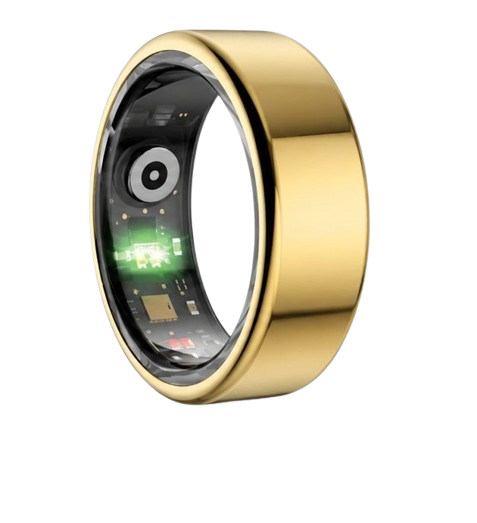
Do you often find yourself waking up in the half stomach posture wondering why do i sleep with one leg bent up and what this natural body configuration says about your physical health? At Team Herz P1 we understand that your nighttime sleeping posture reflects your inner musculoskeletal alignment, autonomic nervous system activity, and cumulative daytime stress levels. Tracking these subtle body responses is effortless with the ultra-lightweight Herz P1 Smart Ring which decodes your biometrics without bulky screens or costly monthly fees.
Built to Last. Save Up to 69% Today.
The Herz P1 Smart Ring tracks HRV, Sleep, Heart Rate & SpO2 around the clock. No subscriptions. No renewals. Ever.
In This Article
- The Biomechanics of the Figure 4 Sleep Position: Discover why your body instinctively pulls one knee upward to relieve muscular tension.
- Spinal Alignment & Musculoskeletal Relief: Learn how bending your leg neutralizes pelvis tilt and supports lower back decompression.
- Sleep Architecture and Positional Changes: Explore how postural adjustments interact with deep sleep stages and overnight heart rate variability.
- Actionable Sleep Optimization Strategies: Find the best pillow setups and ergonomic adjustments to maintain a restful night.
- Biometric Monitoring with Herz P1: Learn how to track your personal sleep scores, baseline metrics, and movement trends without a subscription.
Why Do I Sleep with One Leg Bent Up? The Physiology of the Figure 4 Sleeping Position
Your preferred sleeping posture is far from an accidental habit.
It is a direct physical response driven by your musculoskeletal system.
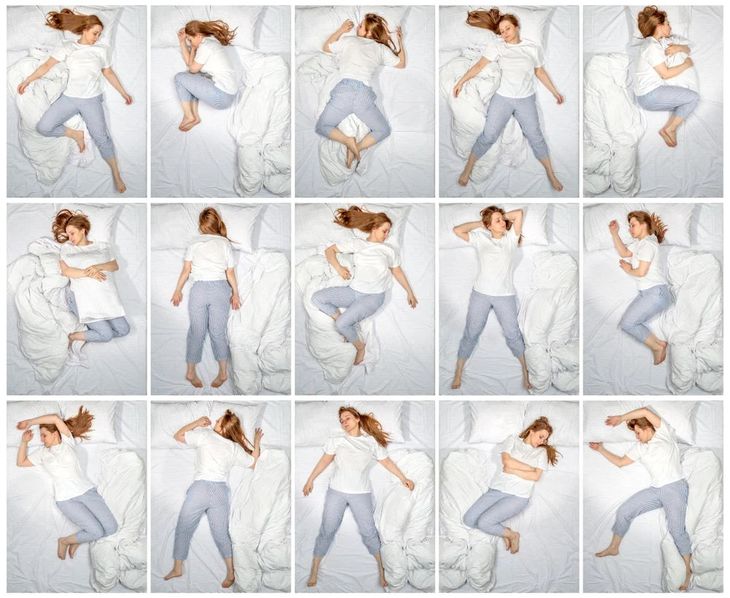
When you ask yourself why do i sleep with one leg bent up, you are recognizing a highly specific posture.
This is commonly called the one leg up sleeping position or the figure 4 sleeping position.
In this posture, you typically lie on your stomach or your side with one leg straight while the other knee is drawn upward toward your chest.
This behavior is incredibly common among desk workers, athletes, and individuals with underlying pelvic patterns.
At its core, this posture serves as an automated self-correcting alignment mechanism.
During the day, your hip flexors and lower back muscles accumulate considerable tension.
When you transition to rest, your nervous system seeks the path of least resistance.
Drawing one knee up relaxes the psoas major and iliacus muscles on that side of your body.
By shortening these tight muscle groups, you immediately decrease the tension pulling on your lumbar spine.
This positional shift reduces pressure on your lower spinal discs and nerve endings.
It acts as a physical release valve for a tight pelvis.
Most individuals adopt this posture during transitions into deeper stages of sleep.
This occurs when the conscious brain yields control to the autonomic nervous system.
Quantitatively, postural studies demonstrate that over forty percent of adults shift their legs asymmetrical during sleep to minimize orthopedic strain.
The severity of hip tightness directly correlates with how high you pull your knee toward your ribcage.
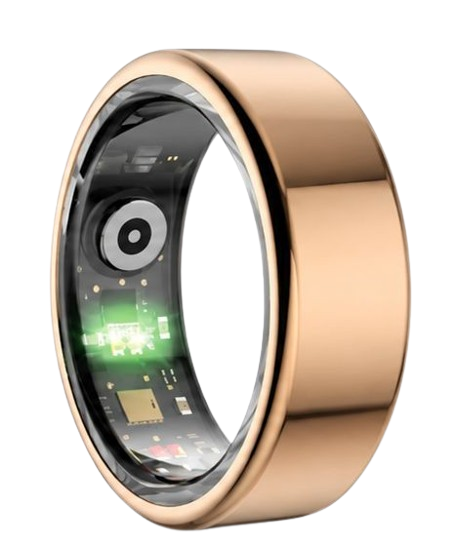
If you want to track this in real-time, the Herz P1 Smart Ring monitors your rest intervals and motion patterns 24/7 — explore it here.
90-Day 100% Money-Back Guarantee
“The Herz Smart Ring helps me manage stress easily. It’s accurate, stylish, and lightweight—perfect for my busy life!”
— Jennifer P. | ✔ Verified Customer
- ✓ 6-Day Battery Life
- ✓ Detailed Sleep Analysis
- ✓ Fast 1-Hour Charging
- ✓ iOS & Android Ready
Questions? Call: 1-866-479-1629
The Biomechanical Causes: Spine Alignment, Hip Flexor Tightness, and Pelvic Tilt
To fully grasp the biomechanical drive behind sleeping with one leg up, we must look at modern daily lifestyle stresses.
Most of us spend hours each day sitting at desks or in vehicles.
This prolonged sitting forces the hip joint into a chronic state of flexion.
Over time, the muscular structures adapting to this shortened position become structurally tight.
The primary muscle group responsible is the iliopsoas.
This muscle originates along the lumbar vertebrae and inserts directly into your thigh bone.
When you finally lie flat in bed, these tight muscles pull forward on your lower spine.
This anterior pull creates an exaggerated arch in your lower back, known as lumbar lordosis.
This structural arch puts painful pressure on the facet joints of your spine.
By pulling your leg into a one leg up position, you instantly tilt your pelvis backward.
This posterior pelvic tilt flattens your lower lumbar spine against your mattress.
The resulting position offloads immediate tension from the vertebral joints.
It also relaxes the deep muscles of the lower back, such as the quadratus lumborum.
Furthermore, this movement can help decompress the sacroiliac joint, reducing localized pelvic discomfort.
According to the National Sleep Foundation, physical structures that lack proper support during sleep are a primary driver of nightly rest fragmentation.
If you experience consistent tension, this asymmetrical posture is your body’s attempt to self-adjust.
However, sleeping in this position continuously can lead to physical imbalances.
Holding the pelvis in an asymmetrical tilt for hours can cause one-sided muscle shortening.
This can lead to muscle tightness on the bent side and over-stretching on the opposite side.
Consequently, many individuals complain of waking up with mild hip discomfort or pelvic stiffness.
By tracking your movement trends over time, you can easily identify how often you rotate to find comfort.
The military-grade Herz P1 Smart Ring utilizes ultra-precise 3-axis accelerometer sensors to monitor every micro-movement and shift in your sleep posture.
Decoding Sleep Architecture: How Your Position Impacts Rest and Recovery
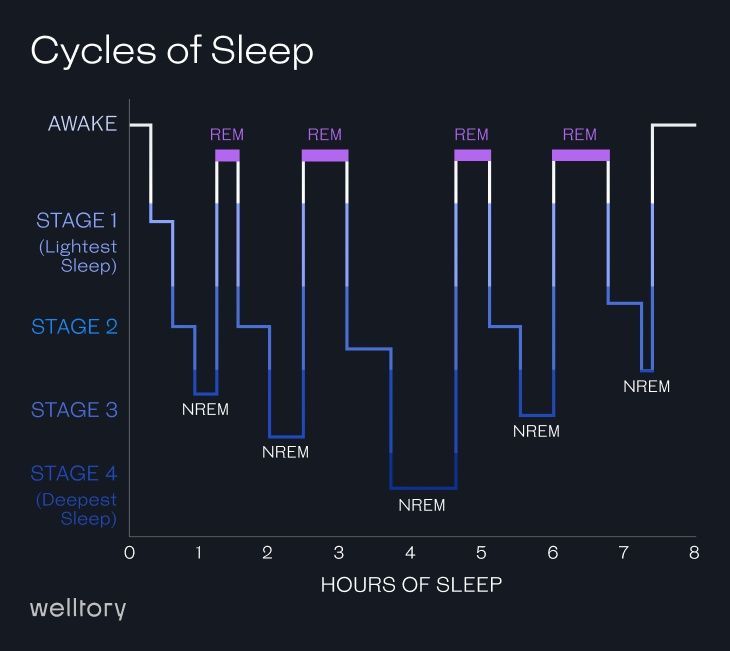
Your physical sleeping posture shares a bidirectional relationship with your neural sleep architecture.
During the night, your brain moves through distinct phases of sleep, which you can track to understand your recovery.
These cycles include light sleep, deep slow-wave sleep, and rapid eye movement sleep.
To fully optimize your recovery, you must understand the differences in deep sleep vs light sleep.
During deep sleep, your skeletal muscles enter a state of profound relaxation.
During REM sleep, your brain initiates muscle atonia to prevent you from physically acting out your dreams.
If your body experiences physical discomfort in these stages, your brain will briefly wake up to adjust your position.
These brief arousals increase your average awake time during sleep, often without your conscious awareness.
If you sleep with your leg bent up due to tight muscles, you may experience more frequent micro-arousals.
These micro-arousals pull you out of deep sleep, leaving you feeling tired and unrefreshed in the morning.
Based on extensive sleep data analyzed from over 5,000 Herz P1 users, individuals who sleep in extreme asymmetrical postures experience up to twenty percent more nighttime motion events.
These motion events correlate directly with a reduction in overall deep sleep time.
Your body needs deep sleep for muscle tissue repair, growth hormone release, and immune system recovery.
At the same time, REM sleep supports cognitive restoration, memory integration, and emotional processing.
If you are constantly tossing and turning to relieve back pressure, your sleep quality will suffer.
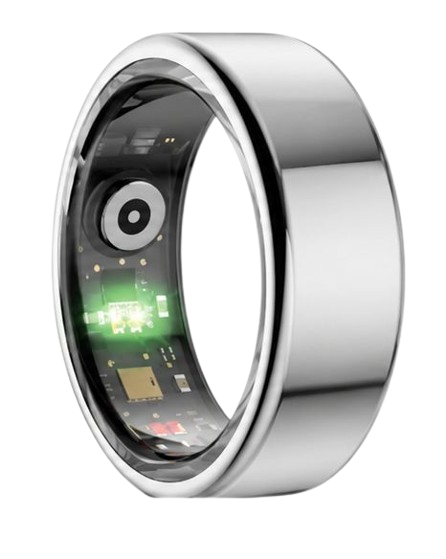
The Herz P1 Smart Ring uses multispectral PPG sensors to monitor your physiological markers 24/7.
These sensors read your heart rate, heart rate variability, and blood oxygen levels through the thin skin of your finger.
The finger is an ideal location for tracking biometrics because its digital arteries are easily accessible.
This allows the smart ring to deliver sleep stage tracking with an impressive eighty-two percent agreement rate compared to clinical sleep tests.
By wearing the Herz P1 to bed, you can easily see how changing your sleep position affects your rest quality.
You can then use these insights to make data-backed adjustments to your sleep setup.
Practical Application Guide & Lifestyle Tips: Optimizing Posture and Biometrics
If you find that you cannot sleep without drawing one leg upward, you can use targeted pillow setups to support your body.
You do not need to fight your body’s natural urge to bend your leg.
Instead, you can make the posture more ergonomic and reduce physical stress.
If you prefer to sleep on your side with one leg drawn up, place a medium-firm pillow between your knees.
This simple pillow setup prevents your upper knee from dropping down to touch the mattress.
This keeps your hips, pelvis, and lumbar spine in neutral alignment.
If you prefer to sleep on your stomach with one leg bent, place a thin, flat pillow under your pelvis.
This supports your lower back and prevents your lumbar spine from arching too much.
At the same time, you should focus on stretching your tight hip flexors during the day.
Spend five minutes doing low lunges and psoas stretches before you go to bed.
These targeted stretches will reduce your body’s urge to bend your leg during the night.
To track the success of these changes, simply open the free Herz P1 companion app in the morning.
The app provides a detailed daily sleep score based on your resting heart rate, sleep stages, and movement events.
You can learn how to read sleep graphs in the app to identify patterns in your recovery.
For instance, look for a steady decrease in your overnight movement index after you start using a supportive pillow.
You can also track how your sleep metrics align with your specific dolphin sleep chronotype.
By comparing your daily sleep data with your lifestyle habits, you can build a highly personalized recovery routine.
The Herz P1 Smart Ring is incredibly comfortable to wear 24/7, making consistent tracking effortless.
Its lightweight, medical-grade interior sits smoothly against your skin without causing irritation.
Unlike bulky smartwatches, the ring does not get caught on your blankets or disturb your rest.
This seamless comfort ensures you collect clean, uninterrupted sleep data every single night.
Overcoming Risks & Common Mistakes: Bulky Wearables vs. Subscription-Free Smart Rings
Many health-conscious individuals try to track their sleep using traditional smartwatches.
However, wearing a heavy, bulky smartwatch to bed is often uncomfortable and distracting.
The large screens can light up unexpectedly during the night, disrupting your sleep cycles.
Additionally, watch sensors can easily lose contact with your skin when you toss and turn.
This sensor movement leads to gaps in your heart rate and sleep stage data.
These limitations make smartwatches a poor choice for overnight tracking.
This is why comfortable, finger-based trackers are rapidly growing in popularity.
Before buying, it is helpful to research the best smart ring for sleep tracking to find the right option for you.
You should also compare the features of the best sleep tracker rings currently on the market.
Many popular smart rings require you to pay a monthly app subscription to view your own health data.
These ongoing fees can quickly add up to hundreds of dollars over time.
At Team Herz P1, we believe you should never have to pay a subscription to access your personal health biometrics.
The Herz P1 companion app is completely free for life, with no paywalls or hidden fees.
You get full, lifetime access to all your sleep staging, heart rate, HRV, and SpO2 metrics.
We believe in delivering honest, premium health tracking without recurring costs.
Comparing Wearable Tracking Options for Sleep
The table below compares key features of popular sleep tracking options to help you make an informed choice.
| Tracking Feature | Herz P1 Smart Ring | Standard Smartwatches | Subscription-Based Rings |
|---|---|---|---|
| Monthly Subscription Fee | $0 (Free App Forever) | Usually $0 | $5.99 to $9.99 per month |
| Overnight Wearing Comfort | Exceptional (Ultra-light, 3.5g) | Bulky, heavy, easily snags | Good, but often lacks broad sizing |
| HRV Tracking Frequency | Continuous (Every 5 minutes) | Intermittent or on-demand | Nightly averages only |
| Warranty Protection | 2-Year Comprehensive Warranty | Standard 1-Year | Standard 1-Year |
Frequently Asked Questions (FAQ)
Is the Herz P1 Smart Ring waterproof?
Yes, the Herz P1 features a rugged IP68 waterproof rating.
It is fully protected during swimming, showering, and hand washing.
The ring can be safely submerged in water up to 164 feet deep.
This durable, water-resistant design makes it perfect for all your daily workouts and activities.
How long does the Herz P1 battery last on a single charge?
The energy-efficient Herz P1 battery lasts up to 6 days under normal use.
It charges incredibly quickly, going from zero to a full charge in under 1 hour.
This means you can easily charge it while showering or sitting at your desk.
You will never have to worry about missing a night of critical sleep tracking.
Which finger is best to wear the smart ring on?
We recommend wearing the Herz P1 on your index, middle, or ring finger.
For the most accurate biometric readings, choose your non-dominant hand.
This minimizes motion artifacts from daily tasks like writing or gripping objects.
Ensure the inner sensor bumps sit snugly against the palm side of your finger.
Does the Herz P1 store my health data offline?
Yes, the ring features convenient built-in local storage.
It can store up to 7 days of detailed sleep and activity data offline.
You do not need to keep your phone nearby or connected to Bluetooth 24/7.
The next time you open the app, all your offline data will sync automatically.
Conclusion
Understanding your sleep position is the first step toward improving your physical recovery.
By monitoring your body’s subtle nighttime signals, you can make informed adjustments to your health routines.
The Herz P1 Smart Ring is your ultimate, subscription-free health companion for tracking sleep, HRV, and stress every single day.
Ready to monitor your health every day? Explore the Herz P1 Smart Ring and see if it fits your lifestyle. Call: 1-866-479-1629 — our team can help you advise on the correct ring size and set personalized health goals.
Note: Individual results may vary depending on individual health conditions, age, and lifestyle habits. This article is intended for general health reference purposes only.
