

The 4 Best Sleeping Positions for Your Health and Spine
Are you waking up with nagging back stiffness or fighting mid-day brain fog? Your choice of sleeping positions directly impacts spinal alignment and deep sleep architecture. Science shows that a misaligned spine reduces recovery metrics like HRV. Fortunately, tracking your recovery screen-free with a premium biometric smart ring helps you pinpoint exactly how your posture affects your sleep quality.
Take Back Your Sleep.
Take Back Your Life.
- Fall asleep faster & sleep deeper
- Stop waking up in the middle of the night
- Wake up refreshed & full of energy
- The Biomechanical Importance: Why your orthopedic alignment directly impacts cardiovascular recovery.
- Analyzing the Sleeping Positions: A deep, scientific breakdown of side, back, and stomach sleep.
- Top Sleep Support Solutions: Rigorous product evaluations to optimize physical recovery.
- Biometric Tracking: How real-time data translates into deep sleep and recovery trends.
Why Your Sleeping Position Matters: The Science of Spinal Alignment
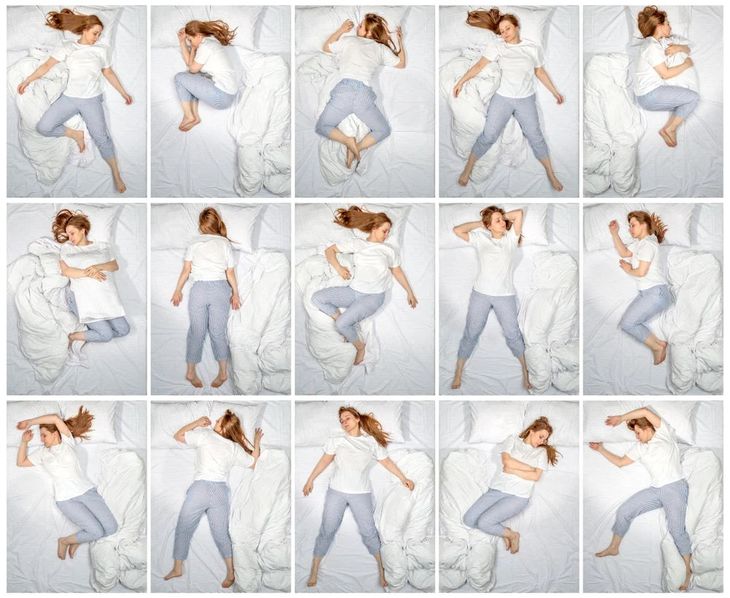
When you lie down at night, your musculoskeletal system does not simply shut off. Instead, it enters a critical state of structural decompression. The human spine is naturally curved in an “S” shape, consisting of the cervical, thoracic, and lumbar regions. When you maintain a correct sleeping posture, you allow the deep spinal muscles, intervertebral discs, and surrounding ligaments to completely relax.
Without a proper sleeping position, your muscles must remain partially contracted to shield your spine from hyperextension or unnatural twisting. This constant micro-tension is a hidden trigger for non-restorative sleep. You might wake up feeling like you have run a marathon, plagued by a racing mind and early-morning physical stiffness. Over time, poor spinal hygiene during sleep can manifest as chronic lower back pain, tension headaches, and decreased daytime cognitive performance.
To help you overcome these invisible sleep barriers, we have evaluated the absolute best sleep-support tools on the market. Our physical product testing and scientific review team selected these based on three critical criteria: biomechanical efficacy, daily user comfort, and biometric tracking capabilities.
How We Selected the Top Sleep Optimization Tools
- Ergonomic Support & Alignment: Does the product structurally keep the cervical, thoracic, and lumbar spine in a neutral line?
- Biometric Feedback & Quality Control: Does the device provide clear, objective, and subscription-free data on your sleep architecture to prove the physical changes are working?
- Material & Sleep-Hygiene Compliance: Are the materials comfortable, breathable, and supportive without causing mid-night awakenings or skin irritation?
Quick Comparison of Top Sleep Optimization Solutions
| Solution Name | Primary Focus | Key Metric Tracked | Pricing Model | Best For |
|---|---|---|---|---|
| Herz P1 Smart Ring | Biometric sleep quality tracking & recovery trends | HRV, REM, Deep Sleep, Recovery Score | Subscription-Free (Buy Once) | All sleeping positions, screen-free biohacking |
| Tempur-Pedic Symphony Pillow | Cervical spinal alignment & head contouring | Physical Neck Alignment | One-time purchase | Back and side sleepers |
| Coop Goods Adjustable Body Pillow | Pelvic alignment & lateral spinal support | Hip/Pelvis Decompression | One-time purchase | Dedicated side sleepers |
Detailed Reviews of the Top Sleep Solutions
1. The Herz P1 Smart Ring — The Ultimate Biometric Sleep Companion
To truly know if changing your sleeping positions is healing your body, you need objective data. This is where the Herz P1 Smart Ring stands out. This premium, screen-free biometric ring monitors your sleep architecture with incredible accuracy, translating heart rate variability, blood oxygen, and movement trends into an intuitive, daily Recovery Score.
Unlike heavy smartwatches that disrupt your sleep and need constant, annoying daily charging, the Herz P1 is forged from ultra-lightweight titanium. It sits comfortably and silently on your finger all night. Best of all, it features a completely subscription-free app model. You own your health data forever, without annoying monthly fees.
- Strengths: Beautiful screen-free titanium build, deep sleep stage analysis, excellent battery life, and absolutely zero subscription fees.
- Weaknesses: Does not feature a screen (which is deliberately designed to promote healthy, screen-free sleep habits).
- Ideal User: Health-conscious individuals seeking a highly comfortable, stylish, and data-rich way to track the biological impacts of their daily recovery and posture shifts.
2. Tempur-Pedic Symphony Pillow — Dynamic Cervical Support
Your head and neck require tailored physical support to maintain a proper sleeping position. The Tempur-Pedic Symphony Pillow features a dual-sided design contoured out of proprietary TEMPUR material. One side is gently arched to cradle back sleepers, while the other side is flatter to support the shoulders of side sleepers.
- Strengths: Superior pressure relief, highly durable, keeps its shape over years of use, and dual-profile geometry.
- Weaknesses: High initial cost; memory foam retains slight heat for hot sleepers.
- Ideal User: Sleepers who rotate between back and side positions and suffer from morning neck stiffness.
3. Coop Home Goods Original Body Pillow — Full Body Alignment
For side sleepers, keeping the knees stacked is vital to prevent pelvic rotation. The Coop Home Goods Body Pillow is stuffed with adjustable, shredded memory foam and microfiber. By hugging this pillow, you prevent your top shoulder from collapsing forward, while placing the lower half between your knees stabilizes your lower spine.
- Strengths: Fully customizable fill level, machine washable cover, excellent hypoallergenic properties.
- Weaknesses: Takes up a massive amount of physical space in the bed.
- Ideal User: Side sleepers struggling with chronic lower back, hip, or sacroiliac joint tension.
Choosing Your Ideal Tool: A Quick Buying Guide
If your primary struggle is morning aches and alignment, start by investing in a high-quality orthopedic pillow like the Tempur-Pedic Symphony. However, physical comfort is only half of the puzzle. To see if your body is actually entering deep, restorative sleep stages, pairing your physical setup with a screen-free sleep tracker is the most efficient way to track long-term recovery trends.
- Best Overall Bio-Tracker: The Herz P1 Smart Ring for its seamless, subscription-free daily metrics.
- Best for Neck Pain: Tempur-Pedic Symphony Pillow for dynamic head-and-neck contouring.
- Best for Lower Back Pain: Coop Home Goods Body Pillow to completely stabilize pelvic rotation.
Decoding the Best Sleeping Positions: Pros, Cons, and How to Optimize Them

Not all sleeping positions are created equal. In fact, your favorite sleep posture might be the very reason you wake up tossing and turning with a racing mind at 3 AM. Let us take an in-depth, biomechanical look at the three primary categories of sleep posture and how to optimize them.
1. Side Sleeping (The Lateral Position)
Side sleeping is widely regarded by sleep specialists as one of the best sleeping positions for overall health. It is exceptionally effective at keeping the airways open, making it the premier choice for individuals who snore or struggle with mild obstructive sleep apnea.
Furthermore, left-side sleeping is heavily backed by gastroenterological research. Due to the natural layout of our internal organs, resting on your left side positions the stomach below the esophagus, which drastically reduces gastric acid reflux. Additionally, left-lateral sleeping enhances lymphatic drainage and systemic circulation.
The Catch: If you do not maintain a correct sleeping posture, lateral sleeping can place asymmetric pressure on your shoulders and hips. Your top leg tends to slide forward, twisting your pelvis and pulling the lumbar spine out of its neutral alignment.
How to Optimize It: Place a contoured, medium-firm pillow under your head to bridge the gap between your neck and shoulder. Then, place a secondary, smaller pillow between your knees to keep your hips, knees, and ankles parallel. This simple adjustment stabilizes your pelvis and keeps your spine perfectly straight. Overnight, the physical recovery benefits can be monitored via a high-fidelity Heart Rate Variability (HRV) monitor, which tracks how well your autonomic nervous system relaxes in response to this structural comfort.
2. Back Sleeping (The Supine Position)
Back sleeping is often hailed as the gold standard for pure orthopedic health. When lying flat, gravity works in harmony with your body, distributing your physical weight evenly across the entire surface of your mattress. This minimizes concentrated pressure points, allowing your cervical, thoracic, and lumbar spine to rest in a completely natural, relaxed state.
As a secondary benefit, back sleeping keeps your face away from pillowcases, reducing the formation of friction wrinkles and preventing the accumulation of oils that can irritate facial skin.
The Catch: While highly beneficial for the spine, back sleeping can be a nightmare for your breathing. Gravity pulls the base of the tongue and the soft palate down toward the back of the throat. This restricts the airway, which can trigger snoring or worsen acid reflux.
How to Optimize It: Elevate your head slightly with a supportive pillow that conforms to the natural curve of your neck. To prevent lower back strain, place a bolster or rounded pillow beneath your knees. This slight bend in your knees unloads the tension on your psoas muscle, flattening the lower back against the mattress and instantly relieving pressure. Tracking these subtle adjustments using a reliable subscription-free smart ring allows you to see how different pillow heights directly affect your respiratory rate and sleep consistency.
3. Stomach Sleeping (The Prone Position)
Let’s be direct: stomach sleeping is generally considered the worst of all sleeping positions. While it is highly effective at stopping snoring because the airway remains entirely open, the orthopedic costs are incredibly high.
When you sleep on your stomach, gravity pulls your heavy midsection deep into the mattress, causing your lumbar spine to hyperextend (swayback). To breathe, you must rotate your head fully to one side for several consecutive hours. This places immense, unnatural rotational strain on the delicate ligaments and muscles of your cervical spine.
How to Optimize It (If you cannot sleep any other way): First, try to transition to a lateral sleep position using a full-body pillow to block yourself from rolling onto your stomach. If you absolutely must sleep prone, use an ultra-thin pillow under your head—or no pillow at all—to minimize neck extension. Additionally, slide a flat pillow beneath your pelvis and lower abdomen. This props up your hips, preventing your lower back from sinking and reducing the hyperextension of your lumbar spine.
How to Measure and Improve Your Sleep Quality: From Biometrics to Real Results

Changing your sleep posture is a fantastic first step, but how do you know if these changes are actually translating to deeper sleep? This is where biometric science bridges the gap. By wearing an ultra-comfortable, lightweight titanium wearable, you gain access to the unseen biological metrics of your overnight recovery.
Demystifying Your Sleep Architecture
A perfect night of sleep consists of cycling smoothly through several distinct stages:
- Light Sleep: Serves as the transitionary phase, relaxing your muscles and prepping your mind for deeper rest.
- Deep Sleep (Slow-Wave Sleep): The physical restoration phase. During deep sleep, your body secretes human growth hormone, repairs muscles, flushes cellular waste from the brain, and strengthens the immune system. If a bad sleep position causes you to toss and turn, your brain is kicked out of deep sleep, leaving you feeling physically exhausted.
- REM (Rapid Eye Movement) Sleep: The cognitive filing cabinet. REM sleep is where memory consolidation, emotional processing, and creative problem-solving take place. A racing mind or chronic stress often robs you of precious REM cycles.
The Core Biometric Indicator: Heart Rate Variability (HRV)
Heart Rate Variability (HRV) measures the microscopic variation in time between consecutive heartbeats. Managed by your autonomic nervous system, a high HRV indicates a relaxed, highly adaptable body (parasympathetic dominance). A low HRV signals that your body is under physical or mental stress (sympathetic fight-or-flight).
By stabilizing your spine in a good sleeping positions arrangement, you relieve the physical stress on your nervous system, allowing your overnight HRV to climb naturally.
Overcoming the 3 AM Awakenings
We have all been there: waking up at 3 AM with a racing mind, checking our phones, and staring at a glaring screen that completely destroys our melatonin production. Traditional smartwatches can exacerbate this anxiety, buzz with late-night notifications, and require constant charging.
By transitioning to a screen-free, distraction-free smart ring, you remove the blue-light distraction entirely. You can rest easy knowing your ring is silently monitoring your metrics in the background, calculating your daily Recovery Score based on deep biometrics, and providing simple, actionable guidance when you wake up.
The Proper Way to Sleep: Step-by-Step Routine
- Keep the Spine Neutral: Select a head pillow that keeps your ears aligned with your shoulders.
- Support the Limbs: Side sleepers should use a knee pillow; back sleepers should place a bolster under their knees.
- Go Screen-Free: Remove phones, bright watches, and flashing lights from the bedroom.
- Track with Intention: Wear a comfortable biometric ring to monitor your recovery trends without the burden of screens or expensive subscriptions.
Embracing a proper way to sleep is not about achieving perfection overnight. It is about understanding the simple mechanics of your body, choosing the right physical support, and tracking your trends over time. When your spine is aligned and your mind is calm, deep, restorative sleep follows naturally.
Disclaimer: Results may vary depending on individual physical activity levels, unique health conditions, and daily tracking patterns. The content provided in this article is for informational and educational purposes only and should not be construed as medical advice, diagnosis, or treatment. Always consult with a qualified healthcare professional before making significant changes to your sleep, exercise, or health routines.
