

How to Sleep Comfortably in a Tent for Restorative Outdoor Recovery
Struggling to find deep, restorative rest while sleeping in a tent? Outdoor environments naturally reset our circadian rhythms, yet cold ground and noise can trigger elevated heart rate variability (HRV) and fragmented sleep. To bridge this gap, our team at Mind Body Dan recommends tracking your recovery with screen-free tools like the subscription-free Herz P1 Smart Ring.
Take Back Your Sleep.
Take Back Your Life.
- Fall asleep faster & sleep deeper
- Stop waking up in the middle of the night
- Wake up refreshed & full of energy
What You Will Learn in This Guide:
- The physiological impact of sleeping in a tent on your nervous system.
- How to isolate your sleep setup from cold ground temperatures using R-value metrics.
- Step-by-step techniques for optimizing tent layouts to achieve restorative sleep.
- How to naturally track your sleep stages and recovery in the wilderness without screen distractions.
The Science of Outdoor Sleep: Preparation and Gear Basics

There is a profound difference between surviving a night outdoors and achieving deep, restorative recovery while sleeping in a tent. Many campers head into the wilderness hoping to escape the chronic stress of modern life, only to find themselves staring at the tent ceiling at 3 AM. A racing mind, shivering muscles, and non-restorative sleep are common complaints of outdoor enthusiasts who do not properly prepare their sleeping environment.
When we venture away from our climate-controlled bedrooms, our bodies must work harder to maintain thermal equilibrium. This extra physiological strain directly impacts our sleep architecture. If you are cold, your body remains in a sympathetic (fight-or-flight) state, causing frequent micro-arousals. This means you spend less time in deeply rejuvenating sleep stages, waking up with brain fog and muscle soreness instead of feeling recharged. To understand how to prepare for a successful night outdoors, we must start with the fundamental physics of heat transfer and physical isolation.
Prerequisites for a Restful Tent Sleep
Before you pitch your tent, you must understand how your body loses heat to the ground. Conduction is the primary mechanism of heat loss when sleeping in a tent. The cold ground will actively draw warmth away from your body all night long unless you establish a high-quality thermal barrier. Many beginners make the mistake of focusing solely on the temperature rating of their sleeping bag, ignoring the crucial role of the sleeping pad beneath them.
To ensure a comfortable night’s rest, familiarize yourself with these key preparation factors:
- R-Value Assessment: The R-value measures a material’s thermal resistance. For warm summer nights, a pad with an R-value of 1 to 2 is sufficient. For spring and autumn, look for a rating of 3 to 4. For winter camping, a minimum R-value of 5 is necessary to keep your body warm.
- Moisture Management: Condensation inside a tent can quickly compromise the insulating properties of your sleeping bag. Proper ventilation is essential, even on cold nights, to allow water vapor from your breath to escape.
- Sleep Surface Leveling: Sleeping on an incline causes blood to pool in your head or feet, disrupting your cardiovascular balance and resulting in fragmented tent sleep cycles.
Step-by-Step Tent Setup for Premium Comfort
Creating a comfortable outdoor sleep environment requires a systematic approach. Follow these steps to optimize your sleep system:
- Clear the Ground: Remove all rocks, twigs, and pinecones from your tent footprint. Even a tiny pebble can create a painful pressure point that disrupts your deep sleep stages.
- Lay Down a Ground Tarp: Place a durable footprint under your tent to prevent ground moisture from seeping through the floor fabric.
- Position the Sleeping Pad: Inflate your pad to your preferred firmness. If you are using a closed-cell foam pad in addition to an inflatable pad for extra insulation, place the foam pad on the bottom and the inflatable one on top.
- Unpack Your Sleeping Bag Early: Give your down or synthetic sleeping bag at least an hour to loft up before you climb inside. Compressed insulation cannot trap warm air efficiently.
- Introduce Comfort Accessories: Use a compressible travel pillow or stuff a fleece jacket into a dedicated pillow sleeve to prevent neck strain.
While following these physical steps is essential, verifying their effectiveness can be challenging. Many campers wake up feeling exhausted without knowing exactly why. Did the cold ground disrupt their deep sleep? Did an uneven surface cause physical restlessness? To eliminate this guesswork, we recommend monitoring your sleep biometrics using a screen-free device like the Herz P1 Smart Ring. Constructed from ultra-light titanium, this elegant ring tracks your sleep stages and heart rate variability (HRV) without the bulky distraction of a traditional smartwatch.
Expert Tip: Avoid Bulky Smartwatches in the Wild
Traditional smartwatches are often too bulky to wear comfortably while sleeping in a sleeping bag, and their glowing screens can disrupt your natural melatonin production. Opting for a screen-free, lightweight smart ring ensures you capture critical recovery data without adding unnecessary glowing screens to your campsite.
Common Pitfalls and Mistakes
When learning how do you sleep comfortably in a tent, avoiding these common tactical errors can save you from a miserable night:
- Over-inflating Your Sleeping Pad: A rock-hard pad can cause shoulder and hip pain, especially for side sleepers. Keep a little give in the pad to contour to your body.
- Wearing Damp Clothes to Bed: Even if your clothes don’t feel wet, day-worn garments contain sweat. This moisture evaporates overnight, cooling your body and causing shivering. Always change into dry, dedicated sleepwear.
- Closing Every Tent Vent: Sealing your tent to stay warm traps respiratory moisture inside. This moisture condenses on the cold tent walls and drips onto your sleeping bag, rendering your insulation useless. Keep those mesh vents cracked!
Quick Campsite Sleep Checklist
Use this quick reference list before crawls into your sleeping bag to guarantee maximum sleep quality:
| Checklist Item | Target Standard |
|---|---|
| Tent Ground Angle | Flat, horizontal surface (0-2 degree slope) |
| Sleeping Pad Insulation | R-value matched to expected overnight low temperature |
| Ventilation Openings | At least two mesh vents open to allow cross-breeze |
| Nighttime Clothing | 100% dry merino wool or synthetic thermal base layers |
With these preparations complete, let’s explore how optimizing your immediate environment can turn sleeping in a tent into a deeply rejuvenating wellness practice.
Optimizing Your Sleep Environment: Site Selection and Body Temperature

The key to waking up refreshed after a night in the wild lies in environmental optimization. Understanding how to pitch your tent correctly can make all the difference. When you pitch your tent, you aren’t just setting up shelter; you are configuring a custom sleeping pod designed to shelter you from ambient noises and cold winds. If you setup your tent in a natural depression, cold air will pool around you all night, driving down your core body temperature and causing fitful sleep.
Instead, look for slightly elevated ground, preferably under a canopy of trees. Tree cover acts as a natural insulator, trapping radiant warmth and shielding your tent from heavy morning dew. Also, align your tent so the door faces away from prevailing winds to minimize drafts and flapping fabric, which can trigger stress responses and keep you from falling asleep.
Circadian Synchronization in the Outdoors
One of the greatest benefits of sleeping in a tent is the opportunity to synchronize your body’s internal clock with natural light cycles. Modern life exposes us to constant blue light, which tricks our brains into thinking it is daytime. When you camp, the natural progression of sunset triggers melotonin release, helping you wind down early. This natural reset is a cornerstone of deep, restorative circadian sleep.
To fully capitalize on this circadian reset:
- Ditch the Screens: Avoid checking your smartphone once night falls. The high-intensity blue light can interfere with your natural melatonin production, disrupting your sleep architecture.
- Embrace Natural Sounds: Rather than drowning out nature with white-noise apps, let the wind and rustling leaves soothe your nervous system. These natural acoustic patterns help lower your resting heart rate.
- Allow Morning Light In: Leave your tent rainfly windows slightly open so the morning sun can gently wake you, helping to halt melatonin production and boost daytime cortisol naturally.
The Role of Core Temperature in Deep Sleep
To initiate deep, non-REM sleep, your core body temperature must drop by about 1 to 2 degrees Fahrenheit. If your sleeping bag is too hot, or if you are shivering to stay warm, your body cannot achieve this crucial temperature dip. Utilizing a breathable sleep system allows your body to thermoregulate efficiently, improving deep sleep duration and overall recovery.
By implementing these camping sleeping tips, you can transform your tent into a restorative oasis. But how do you know if these environmental adjustments are actually improving your recovery? The only way to find out is to measure your body’s physiological responses.
Quantifying Your Outdoor Recovery: HRV and Sleep Architecture
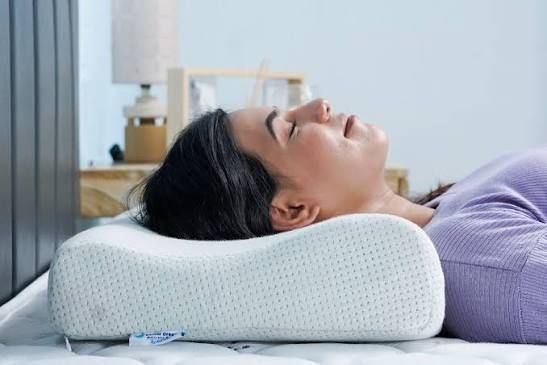
To truly master the art of sleeping in a tent, we must look beyond how we feel and focus on biological data. Our autonomic nervous system serves as an excellent indicator of sleep quality and recovery. By tracking key physiological markers, we can objectively evaluate how our bodies respond to the unique stressors and rhythms of sleeping outdoors.
Heart Rate Variability (HRV) is one of the most reliable metrics for assessing recovery. HRV represents the variation in time between consecutive heartbeats. A higher HRV indicates that your parasympathetic nervous system (the “rest-and-digest” mode) is active, signaling that your body is recovering well. Conversely, a low HRV suggests that your sympathetic nervous system is working hard to keep you warm or process physical discomfort, leaving you less recovered.
The Solution: Subscription-Free Screen-Free Biometrics
Many smart wearables can track these metrics, but most require daily charging and constant bluetooth connections. This is far from ideal when you want to enjoy a screen-free escape in nature. This is where the Herz P1 Smart Ring truly shines. This subscription-free smart ring lets you capture clinical-grade sleep data without the burden of hidden fees or battery anxiety.
By tracking your sleep metrics on your next camping trip, you can uncover key insights about your outdoor sleep architecture:
- Sleep Stage Architecture: Visualize the duration of your Light, Deep, and REM sleep phases. This helps you see if sleeping outdoors boosts your deep sleep recovery as much as it should.
- Heart Rate Variability (HRV): Monitor how your HRV changes overnight to assess your cardiovascular recovery and see how well your nervous system adapts to the cooler mountain air.
- Intuitive Recovery Score: The ring combines your sleep quality, physical activity, and heart rate trends into a single daily Recovery Score, giving you a clear picture of your energy levels for the day ahead.
One of the biggest concerns with sleep trackers is comfort. Traditional smartwatches can feel bulky and uncomfortable inside a warm sleeping bag. Additionally, their bright screens can accidentally light up in the dark, disrupting your melatonin flow and waking your partner. The Herz P1 Smart Ring resolves this operational issue with its screen-free, ultra-lightweight titanium design, allowing you to track your sleep metrics comfortably and discreetly all night long.
Track Your Outdoor Recovery Subscription-Free
No subscriptions, no hidden monthly fees. Buy once and own your physiological data forever. The Herz P1 Smart Ring offers a durable, lightweight, screen-free titanium body and a 7-day battery life, making it the perfect tracking companion for your next camping trip.
Synthesizing Your Outdoors Sleep Experience
By combining the science of thermal insulation, careful site selection, and advanced sleep tracking, you can transform sleeping in a tent from a restless, uncomfortable experience into a highly restorative retreat. The natural world has an incredible ability to ground us, lower our stress levels, and reset our circadian rhythm. With the right gear and mindful setup, you can enjoy all the benefits of the outdoors without sacrificing deep, restorative rest.
So on your next camping trip, take a moment to look at your site with fresh eyes. Lay down a reliable thermal barrier, vent your tent properly, and let your body sync with the natural rhythms of the earth. When you wake up, take a look at your nightly sleep metrics to see how well you recovered, and use those insights to continually improve your sleep setup.
— Team Mind Body Dan
To help you plan your next trip and build the ultimate outdoor sleep setup, we’ve compiled a quick list of resources and guidelines below. Happy camping, and sleep well!
- Read up on our comprehensive sleep architecture guide to understand the cycles of REM and Deep sleep stages.
- Learn how to avoid common outdoor sleeping pitfalls like damp gear and incorrect sleeping pad inflation.
Disclaimer: Results may vary depending on individual physical activity levels, unique health conditions, and daily tracking patterns. The information in this article is for educational purposes and should not be used as a substitute for professional medical advice. Always consult a physician before beginning any new physical regimen or health tracking program.
