

Is It Safe to Sleep in Your Car? The Ultimate Guide to Restful Roadside Sleep
Is sleeping in a car safe, or are you compromising your health and recovery? If you have ever experienced a racing mind and non-restorative sleep during road trips, we understand your pain. Let’s analyze the health risks of sleeping in a car and explore how comfortable, screen-free biometric tracking helps you reclaim your rest.
Take Back Your Sleep.
Take Back Your Life.
- Fall asleep faster & sleep deeper
- Stop waking up in the middle of the night
- Wake up refreshed & full of energy
- Legal Boundaries: Discover where and when sleeping in a car is permitted.
- Environmental Hazards: Master the risks of carbon monoxide, ventilation, and extreme weather.
- Ergonomic Setup: Practical strategies to achieve alignment in cramped cabins.
- Biometric Tracking: Learn how monitoring sleep stages and HRV reveals the real quality of roadside rest.
The Reality of Sleeping in a Car: Is It Safe and Legal?

Yes, sleeping in a car is generally safe and legal under the right conditions, but it requires careful preparation. The short answer is that while it serves as a viable emergency backup or road-trip strategy, long-term car sleeping can expose you to physiological stress, environmental hazards, and local legal restrictions. To choose the right approach, you need to understand the local laws, environmental parameters, and physical toll of is it safe to sleep in your car safely.
When you are planning on sleeping in a car, safety is a multi-dimensional puzzle. The most immediate hazards are environmental. Many people believe a vehicle’s cabin is airtight, leading to worries about running out of oxygen. While a modern vehicle is not completely airtight and will naturally exchange air, sleeping inside a completely sealed vehicle can lead to moisture buildup, stuffiness, and a rise in carbon dioxide levels. This often results in a waking state defined by a severe headache or intense grogginess.
A far more dangerous hazard is carbon monoxide (CO) poisoning. If you leave the engine running to power the heater or air conditioning while sleeping in a car, you risk letting odorless, colorless exhaust fumes seep into the cabin. This risk multiplies exponentially if the vehicle is parked in an enclosed space like a garage, or if the tailpipe becomes obstructed by snow, mud, or debris. Even in open spaces, wind patterns can redirect exhaust fumes under the chassis and directly into the ventilation system.
Legality is another major factor when considering sleeping in a car. While federal highways often feature rest stops designed to combat driver fatigue, state and local laws vary wildly. Some municipalities have strict anti-vagrancy or overnight parking bans that make sleeping in a vehicle on public streets illegal. Trespassing charges can also apply if you park on private business lots without explicit permission. Therefore, research is essential before choosing a location to settle in for the night.
When to Use vs. When Not to Use Car Sleeping
Understanding when sleeping in a car is appropriate—and when it should be strictly avoided—is crucial for protecting your physical well-being. This breakdown will help you self-identify your actual physiological needs:
- When to Use:
- During long road trips when severe drowsiness or micro-sleep risks make continuing to drive highly dangerous.
- As a planned, properly equipped car-camping adventure on public lands (such as Bureau of Land Management areas) where overnight stays are legal and expected.
- In emergency situations where sudden severe weather or road closures prevent you from reaching a safe indoor destination.
- When NOT to Use:
- In extreme weather conditions (sub-freezing temperatures or heat index values over 80°F) without specialized insulating gear or a professional auxiliary heating/cooling system.
- If you suffer from severe chronic neck pain, spinal misalignment, or circulatory disorders, as the restricted positioning can worsen these conditions.
- If you are highly prone to sleep anxiety or hypervigilance, which will prevent you from transitioning into deep, restorative sleep stages.
Suggested Solutions for Safer and Better Car Sleep
If you must sleep in your car, you can take practical steps to secure your safety and improve sleep quality. First, always turn the engine off. Never sleep with the engine running for extended periods. Instead, pack seasonal sleeping bags, insulated blankets, or high-R-value sleeping pads to manage cold temperatures. For hot weather, invest in mesh screen covers that slip over your window frames, allowing you to roll down the windows slightly to promote cross-ventilation while keeping bugs out.
Second, choose your parking spot with extreme care. Look for well-lit, designated overnight parking zones, such as authorized highway rest areas or welcoming commercial lots, and lock your doors. Ensure you park on flat ground; an uneven incline can cause blood pooling in your extremities, leading to elevated physical stress and tossing and turning throughout the night.
Finally, to truly understand how these unusual environments impact your recovery, consider monitoring your biological trends. While traditional smartwatches are bulky, uncomfortable to wear when curled up in a seat, and require frequent charging, a screen-free alternative is highly effective. Modern biometric tools like the Herz P1 Smart Ring offer a sleek, subscription-free titanium design that tracks your vital signs without annoying glowing screens or daily charging hassles. This lightweight ring monitors your heart rate variability (HRV) and translates complex biometric data into an intuitive Daily Recovery Score, helping you identify exactly how sleeping in a car affects your physiological resilience.
Section FAQ
Q: Is it safe to leave the heater running while sleeping in a car?
A: No, it is not recommended. Leaving your engine running to keep the heater on exposes you to a high risk of carbon monoxide poisoning. Additionally, it wastes fuel and can cause engine overheating. It is much safer to turn the engine off and use heavy, insulated blankets or a sub-zero sleeping bag to stay warm.
Q: How do you ventilate a car safely while sleeping?
A: Crack at least two windows open by approximately half an inch to create a gentle cross-breeze. This promotes healthy air circulation, minimizes carbon dioxide buildup, and prevents condensation from forming on the cold glass windows. To maintain safety and privacy, use slip-on mesh window screens to cover the openings.
Q: Can sleeping in a vehicle cause deep vein thrombosis (DVT)?
A: Yes, prolonged immobility in a cramped seating position can restrict blood flow in your legs, slightly increasing the risk of blood clots or DVT. To mitigate this risk, try to park on flat ground, clear out enough space to fully extend your legs, and stretch your body thoroughly before and after your rest period.
How to Sleep Comfortably in a Car: Your Blueprint for Restorative Rest

Knowing how to sleep comfortably in a car is the difference between waking up completely stiff with brain fog and waking up alert, energized, and ready for the day ahead. The primary challenge when sleeping in a car is alignment. Most car seats are built to support an upright, active driver, not a lying body. Sleeping in a reclined passenger seat places continuous, uneven strain on the lumbar spine, which can result in severe physical discomfort the following morning.
To avoid spinal strain, try to create a completely flat sleeping surface. In smaller sedans or hatchbacks, this may require folding the rear seats forward and using luggage, heavy storage bins, or custom wood platforms to level out the footwell gap. For larger SUVs or crossovers, lay the second row completely flat and slide the front seats forward as far as possible to maximize your overall legroom. This space allows you to stretch out fully when sleeping inside car cabins.
- Use an Inflatable Mattress: Invest in an inflatable air mattress specifically designed to bridge the gap of your back seats, ensuring orthopedic support for your lower back and neck.
- Prioritize Air Circulation: Keep fresh air moving by leaving at least two windows slightly cracked. This helps lower ambient humidity inside your vehicle.
- Block Light Pollution: Use reflective sunshades or custom magnetic fabric covers to block out ambient streetlights and protect your privacy.
- Practice Hygiene Setup: Ensure your temporary sleeping space remains clean and free of loose gear, which can shift during the night and disrupt your rest.
Light and noise are also major disruptors when you are sleeping in a car. Streetlights, passing cars, and early morning sunbeams can quickly penetrate your car windows, halting your brain’s natural production of melatonin. To combat this, carry a set of custom-cut reflective sunshades or magnetic blackout curtains. These simple tools insulate the vehicle against extreme heat and cold, and they effectively block light. Pair these with high-quality earplugs or a white-noise application on your phone to mask loud road noise and barking dogs.
Additionally, pay close attention to your body’s physiological reaction to this unfamiliar sleeping environment. When you sleep in a vehicle, your autonomic nervous system remains on alert, making it difficult to enter deep, restorative sleep. Measuring these trends with a screen-free, unobtrusive biometric tracker allows you to evaluate your physiological responses. Understanding your heart rate and sleep patterns ensures you can make informed adjustments to your temporary sleeping setup.
Understanding Your Body’s Recovery Metric Trends During Car Sleep
Your body speaks through data-informed metrics. When sleeping in a car, monitoring these key metrics can show you exactly how well you are recovering:
- Heart Rate Variability (HRV): HRV measures the variation in time between consecutive heartbeats. A high HRV indicates your parasympathetic system (“rest and digest”) is active, while a low HRV indicates your body is experiencing stress. Uncomfortable car sleep often triggers a lower HRV, indicating poor physical recovery.
- Sleep Stages (Deep, REM, Light): Cramped sleeping spaces and noise can disrupt your natural sleep architecture. This typically reduces the time spent in deep sleep (crucial for physical tissue recovery) and REM sleep (crucial for mental clarity), leading to brain fog the next day.
- Resting Heart Rate (RHR): An elevated resting heart rate overnight is a clear sign that your body is working hard to regulate its core temperature or cope with uncomfortable sleep positions.
The Toll of Non-Restorative Sleep: What Happens to Your HRV and Sleep Stages?
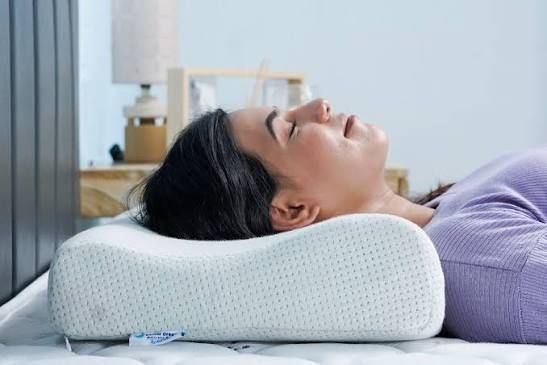
If you have ever woken up at 3 AM with a racing mind, staring at the cold dashboard, you know the frustration of non-restorative sleep. This type of rest leaves you physically exhausted and mentally drained. Over time, recurring poor sleep leads to brain fog and a reliance on unhealthy coping habits, like drinking too much caffeine, to get through the day. Waking up tired can make even simple daily tasks feel overwhelming.
When you are sleeping in a car, your sleep cycles are often fragmented. This environment makes it difficult for your body to transition from light sleep into deep and REM sleep stages. Deep sleep is when your body releases growth hormones to repair muscles and tissues, while REM sleep allows your brain to organize memories and process emotions. When noise, light, or an uncomfortable position wakes you up throughout the night, your brain restarts these cycles, depriving you of deep, restorative rest.
Reclaim Your Recovery with the Herz P1 Smart Ring
Stop guessing about your sleep quality. This premium, subscription-free titanium smart ring tracks your sleep stages, HRV, and heart rate to give you an intuitive Daily Recovery Score—completely screen-free and without daily charging worries.
By tracking your physiological trends during these challenging nights, you can make informed adjustments to your routine. Monitoring your HRV and sleep stages provides clear, objective feedback on how your body is recovering. If you see a low Recovery Score after sleeping in a car, it is a clear sign to prioritize a flat sleeping surface, use better earplugs, or plan a night in a proper bed.
Unlike bulky smartwatches that require daily charging and can disrupt your rest with glowing screens, the Herz P1 Smart Ring is designed for comfortable, screen-free tracking. Built from lightweight, medical-grade titanium, it fits comfortably on your finger and provides up to 7 days of battery life. It translates complex biometric algorithms into simple, actionable trends, helping you make the right adjustments to your sleep hygiene and sleep safely on road trips.
Ultimately, a successful health journey is built on small, consistent changes. Whether you are sleeping in your car during an exciting road trip or establishing a better bedtime routine at home, pay close attention to your body’s recovery signals. With the right preparation, a safe sleeping space, and reliable biometric insights, you can enjoy restful roadside sleep and wake up ready to tackle the day.
