

Are You Sleep Texting? What It Means and How to Stop It Permanently
Do you wake up to confusing messages you don’t remember sending? You might be experiencing the frustrating reality of sleep texting. This modern sleep phenomenon occurs when your brain gets caught between sleep cycles. At Team Mind Body Dan, we believe tracking your recovery with screen-free tools like the Herz P1 Smart Ring is key to reclaiming peaceful nights.
Take Back Your Sleep.
Take Back Your Life.
- Fall asleep faster & sleep deeper
- Stop waking up in the middle of the night
- Wake up refreshed & full of energy
Key Highlights: Reclaiming Your Sleep Quality
- What It Is: A parasomnia where a person drafts and sends text messages while semi-asleep.
- Main Triggers: High stress levels, a racing mind before bed, sleep deprivation, and keeping phones within arm’s reach.
- The Hidden Cost: Leads to chronic non-restorative sleep, brain fog, and disrupted circadian rhythms.
- Our Recommended Solution: Transition to a screen-free tracking approach with the Herz P1 Smart Ring to monitor biometrics without the distraction of notifications.
What Is Sleep Texting and Why Does It Happen?

Quick Answer: Yes, sleep texting is a real condition that falls under the category of sleep parasomnias. The short answer is that it occurs when your brain is caught in a transitional state between deep sleep and wakefulness, triggering automatic motor behaviors like grabbing your phone. However, to choose the right tracking and behavioral adjustments, you need to understand your unique physiological recovery and sleep patterns.
Have you ever woken up in the morning, opened your messaging apps, and felt a sudden jolt of panic? Seeing a string of incoherent, garbled messages sent at 3:00 AM can be incredibly unsettling. If this sounds familiar, you have experienced a modern parasomnia known as sleep texting. Much like sleepwalking or sleep-talking, this behavior happens entirely outside of your conscious awareness.
In today’s hyper-connected world, our mobile devices have become extensions of ourselves. Because we are conditioned to respond immediately to every ping, buzz, and chime, this deep-seated habit translates into our sleeping hours. When you are suffering from chronic stress or dealing with a racing mind, your brain struggles to transition smoothly through various sleep stages. Instead of entering the deep, restorative sleep your body needs, you remain in a light, easily disrupted state where automatic behaviors can take over.
This cycle of sleep texting does more than just cause social embarrassment. It actively robs you of your sleep quality, leading to severe brain fog, daytime fatigue, and a persistent feeling of exhaustion. To understand why your body is engaging in this behavior, we must look closer at the underlying physiological triggers and learn how to track our recovery patterns without adding more screens to our bedtime routines.
When to Take Action Against Nighttime Texting
For some, sending a random sleep text is a one-time, funny occurrence. But for others, it is a chronic symptom of high stress and poor sleep hygiene. It is crucial to self-identify your physiological needs to determine if your body is crying out for deeper recovery.
- Monitor Your Patterns If: You regularly wake up with unremembered sent messages, suffer from morning brain fog, or experience frequent 3 AM awakenings with a racing mind. This is when your body needs structured support and screen-free biometric monitoring.
- When Not to Worry: If it happens once every few years during an exceptionally hectic week, it may simply be a temporary reaction to acute stress. However, keeping an eye on your nightly recovery score can help ensure it does not become a recurring habit.
— Team Mind Body Dan
Frequently Asked Questions About Sleep Texting
Q: Is sleep texting a form of sleepwalking?
A: Yes, it is classified as a parasomnia, similar to sleepwalking. It occurs during non-rapid eye movement (NREM) sleep stages when your brain is partially awake enough to perform physical tasks but not conscious enough to form memories or make rational decisions.
Q: Can stress cause me to start texting in my sleep?
A: Absolutely. High stress levels trigger elevated cortisol production, keeping your sympathetic nervous system active. This prevents you from remaining in deep sleep, making you highly susceptible to waking up partially and responding automatically to your phone’s presence.
Q: How can I track my sleep if I need to keep my phone out of my room?
A: This is the exact dilemma many people face. Traditional smartwatches still require your phone to be nearby and often light up or vibrate, further disrupting your sleep. Using a screen-free, subscription-free tracking device like the Herz P1 Smart Ring allows you to capture precise biometric sleep data without bringing distracting screens or notifications into your sanctuary.
The Science of Nighttime Parasomnias and Biometric Tracking
To truly understand why you find yourself sleeping and texting, we must look at the architecture of human sleep. A normal night’s sleep consists of several repeating cycles, transitioning from Light sleep to Deep sleep, and eventually to REM (Rapid Eye Movement) sleep. Each stage plays a critical role in your physical and mental recovery.
When you are stressed or anxious, your nervous system remains in a heightened state of alert. This disruption prevents your brain from transitioning smoothly through these cycles. Instead of sinking deeply into NREM stage 3 (Deep sleep), your brain remains suspended in lighter stages. During these shallow transitions, a sudden stimulus—like a soft buzz from a notification or even just a change in your sleeping position—can trigger a partial arousal. Your motor cortex wakes up, enabling you to grab your device and start texting in sleep, while your prefrontal cortex (the area responsible for decision-making and conscious memory) remains completely asleep.
For many, this results in non-restorative sleep. Even if you “slept” for eight hours, you wake up feeling like you barely rested. This continuous cycle of disrupted sleep patterns leads directly to elevated stress levels during the day, which in turn causes more nighttime episodes.
Why Traditional Smartwatches Can Worsen Sleep Disruption
Many people turn to wearable fitness trackers or smartwatches to monitor their sleep, only to find that these devices make the problem worse. Here is why:
- Bright Screen Flares: A sudden wrist movement can activate a bright smartwatch screen, instantly waking your brain up at 3:00 AM and tempting you to engage in a sleep text session.
- Bulky Designs: Sleeping with a heavy, plastic, or metal watch on your wrist is uncomfortable, leading to tossing, turning, and frequent physical arousals.
- Vibrating Notifications: Incoming alerts on your wrist keep your sympathetic nervous system active, lowering your Heart Rate Variability (HRV) and ruining sleep quality.
This is where screen-free, lightweight tracking options make an immense difference. By utilizing a sleek, titanium ring on your finger, you get all the medical-grade biometric analysis you need—tracking your REM, Deep, and Light sleep stages, as well as your HRV and Daily Activity levels—without the constant distraction of a screen. You can monitor your trends, spot your triggers, and rebuild your healthy boundaries with technology, subscription-free.
Actionable Steps to Stop Texting in Your Sleep Permanently
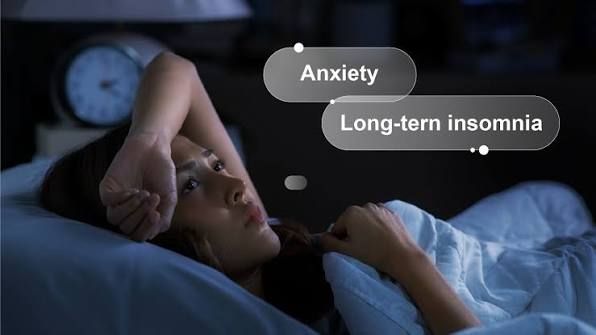
Overcoming the habit of sleeping and texting requires a combination of behavioral sleep hygiene adjustments and objective data tracking. When you understand your daily recovery metrics and optimize your bedroom environment, you can break the automatic link between your hands and your phone.
1. Establish a Screen-Free Bedroom Sanctuary
The single most effective way to prevent texting in sleep is to physically remove the temptation. If your phone is not within arm’s reach of your bed, your semi-conscious mind cannot access it during a midnight arousal. Charge your phone across the room or, even better, in another room entirely. Buy a classic, analog alarm clock to wake you up in the morning instead of relying on your smartphone.
2. Reduce Sympathetic Nervous System Activation Before Bed
A racing mind at bedtime is a primary trigger for parasomnias. When your brain is buzzing with unresolved daily tasks, your sleep is bound to be fragmented. Try introducing a 30-minute wind-down routine that does not involve digital devices. Reading a physical book, journaling your thoughts, or practicing deep breathing exercises can help lower your heart rate and raise your HRV, preparing your body for deep, restorative sleep cycles.
3. Monitor Sleep Quality Trends with Screen-Free Tech
To know if your behavioral adjustments are working, you need reliable data. However, using a tracker that constantly sends notifications to your wrist defeats the purpose of creating a peaceful, screen-free environment. A screen-free wearable, such as a premium smart ring, lets you capture detailed metrics like HRV, resting heart rate, and sleep stages. By looking at your daily Recovery Score in the morning, you can identify which habits truly support your deep rest and which ones trigger midnight arousals.
Why We Recommend the Herz P1 Smart Ring
We designed our advice to help you simplify sleep health. The Herz P1 Smart Ring aligns perfectly with this mission because it solves the exact issues that bulky, screen-heavy trackers create:
- Completely Screen-Free: No glowing screen to wake you up at 3:00 AM or distract you from falling asleep.
- Subscription-Free Model: Pay once, own forever. No hidden monthly fees to track your sleep metrics.
- Featherlight Titanium Design: Ultra-comfortable to wear all night long without disrupting your movement.
- Advanced Biometric Insights: Translates complex HRV and sleep stage algorithms into a simple, actionable daily Recovery Score.
- Long-Lasting Battery: No daily charging hassle, ensuring uninterrupted data monitoring night after night.
Conquering the Cognitive Load of Sleeping and Texting
If you find yourself constantly sleeping and texting, remember that this is a very common response to the modern world’s demands. Your brain is simply attempting to process information while in a state of partial arousal. By setting strict technological boundaries and monitoring your sleep with a comfortable, non-intrusive tracker, you can successfully quiet your mind and train your nervous system to stay in deep, restorative sleep all night long.
Do not let another night of interrupted sleep and confusing sent messages leave you feeling exhausted, foggy, and stressed. Reclaiming your sleep is about building a better relationship with your body, your mind, and your technology. Take your time, focus on consistent daily habits, and let screen-free insights guide your path back to energetic mornings.
Disclaimer: Results may vary depending on individual physical activity levels, unique health conditions, and daily tracking patterns. The information provided in this article is meant for educational and lifestyle optimization purposes only and should not replace professional medical advice.
