

Can Sleep Apnea Weight Loss Resolve Snoring and Airway Obstructions?
If you are battling the cycle of 3 AM awakenings, racing thoughts, and day-long exhaustion, you may wonder if shedding pounds can help. Let us explore the clinical connection between sleep apnea weight loss, metabolic health, and how tracking your patterns with a screen-free biometric smart ring can support your sleep recovery.
Take Back Your Sleep.
Take Back Your Life.
- Fall asleep faster & sleep deeper
- Stop waking up in the middle of the night
- Wake up refreshed & full of energy
Key Insights Covered in This Guide
- The Airway Connection: How structural neck fat deposits crowd your airway and trigger nightly snoring.
- The Hormonal Feedback Loop: Why poor sleep actively prevents weight loss and drives intense cravings.
- Reversibility Conditions: Identifying when sleep apnea is fully reversible and when anatomical structural factors require separate support.
- Screen-Free Biometrics: How monitoring sleep stages and Heart Rate Variability (HRV) gives you clear visibility into your respiratory recovery.
Understanding the Mechanics of Sleep Apnea Weight Loss

Quick Answer: Yes, structural weight reduction can significantly alleviate and sometimes entirely reverse obstructive airway issues. The short answer is that reducing physical neck tissue volume lowers the mechanical pressure on your windpipe, allowing for clear breathing and reduced snoring. However, to choose the right monitoring approach, you need to understand your body’s personal biometric baselines—including resting heart rate and Heart Rate Variability (HRV)—as indicators of respiratory recovery.
To truly understand how sleep apnea weight loss works, we must look at the mechanics of the human airway during sleep. Obstructive Sleep Apnea (OSA) is primarily a physical structural problem. When you lie down and transition into deep sleep stages, your upper airway muscles relax. For individuals carrying excess weight, fat deposits around the neck and throat—often referred to as pharyngeal fat pads—put constant downward pressure on the upper airway lumen. This extra weight causes the throat to collapse during inhalation, cutting off oxygen and forcing the brain to trigger a micro-arousal to resume breathing.
These constant awakenings ruin your sleep architecture, keeping you trapped in light sleep stages while drastically reducing your time spent in restorative deep sleep and REM cycles. Focusing on a targeted sleep apnea weight loss program reduces these fat deposits, relieving the physical weight on your throat. This expands your airway’s cross-sectional area, decreases snoring, and reduces the frequency of sleep-disrupting breathing stops.
Furthermore, fat accumulation in the abdominal region pushes up against the diaphragm, lowering overall lung volume. This reduction in functional residual capacity makes the airway more prone to collapse during sleep. Through systematic sleep apnea weight loss, you ease the pressure on your diaphragm, improving your lungs’ ability to stabilize your airway naturally throughout the night.
When is Sleep Apnea Reversible with Weight Loss?
While the mechanical benefits are clear, it is important to understand when weight reduction will be highly effective versus when other structural issues are at play:
- When to rely on weight management: If your loud snoring and airway issues started or worsened after gaining weight, a weight management plan is highly likely to improve or resolve your symptoms.
- When it may not be enough: If your airway issues stem from genetic skeletal features—such as a receded jaw (micrognathia), a narrow palate, or enlarged tonsils—losing weight can help, but it may not fully resolve the problem. In these situations, structural and clinical evaluations are necessary.
Monitoring Your Respiratory Recovery Trends Safely
As you work toward your weight goals, tracking your sleep quality helps you see if your breathing is improving. Many people use bulky smartwatches to track their sleep, but these devices often have bright screens, buzz with notifications, and need to be charged daily, which can disrupt your sleep even further.
The Herz P1 Smart Ring provides a comfortable, screen-free alternative. Made of lightweight titanium, it tracks your sleep stages, measures Heart Rate Variability (HRV), and gives you a clear daily Recovery Score without subscription fees or bright screens. This allows you to easily monitor your restorative sleep journey as your body fat percentage decreases.
Frequently Asked Questions
Q: How long does it take for weight loss to improve snoring and sleep apnea?
A: Many individuals notice a decrease in snoring intensity and fewer nighttime awakenings after losing just 5% to 10% of their body weight, which can happen within a few weeks of consistent lifestyle changes.
Q: Why does sleep apnea make it so difficult to lose weight in the first place?
A: Sleep disruptions throw off your hunger hormones, leptin and ghrelin. This hormonal imbalance increases your cravings for sugary foods and lowers your daytime energy, making it harder to stay active and stick to a healthy diet.
Q: Can I stop using my CPAP machine once I lose weight?
A: You should only make changes to your CPAP therapy under the guidance of a medical professional. Your doctor can perform a follow-up sleep study to confirm if your airway has stabilized enough to discontinue CPAP use.
Q: Is sleep apnea reversible with weight loss if I have had the condition for over a decade?
A: Yes. Even if you have struggled with airway obstruction for years, reducing the weight on your neck and chest relieves physical pressure on your airway, allowing your body to recover and sleep more comfortably.
The Biological Loop of Sleep Apnea and Weight Loss

Understanding the connection between sleep apnea and weight loss requires looking at how bad sleep affects your hormones. Sleep deprivation doesn’t just make you tired; it changes how your body processes energy. When your airway collapses repeatedly throughout the night, your body perceives it as a life-threatening stress event. This causes sudden spikes in adrenaline and cortisol, the body’s primary stress hormone.
High cortisol levels encourage your body to store visceral fat, especially around the midsection and neck. This visceral fat then puts more pressure on your airway, creating a frustrating cycle where sleep apnea leads to weight gain, and weight gain worsens your sleep apnea.
Additionally, sleep fragmentation disrupts your body’s hunger-regulating hormones:
The Hormonal Impact of Broken Sleep
- Leptin Suppression: Leptin, the hormone that tells your brain you are full, drops significantly when sleep is interrupted. This leaves you feeling constantly hungry, even after eating a full meal.
- Ghrelin Elevation: Ghrelin, which triggers hunger signals, spikes when sleep is fragmented. This causes strong cravings for high-calorie, sugary foods as your brain looks for quick energy to fight off fatigue.
- Insulin Resistance: Poor oxygen levels during sleep can lead to insulin resistance, making it harder for your body to manage blood sugar and more likely to store calories as fat.
This biological loop explains why asking can losing weight help sleep apnea is so important. By reducing your weight, you help break this cycle. As your airway clears, your cortisol levels drop, your hunger hormones balance out, and your body can process insulin more effectively.
This hormonal balance is also key to understanding is sleep apnea reversible with weight loss. When you reduce excess physical weight and restore healthy hormone function, your body can naturally keep your airway clear, helping you maintain a healthy weight over the long term.
Reclaiming Rest: Comfortable, Screen-Free Recovery Monitoring
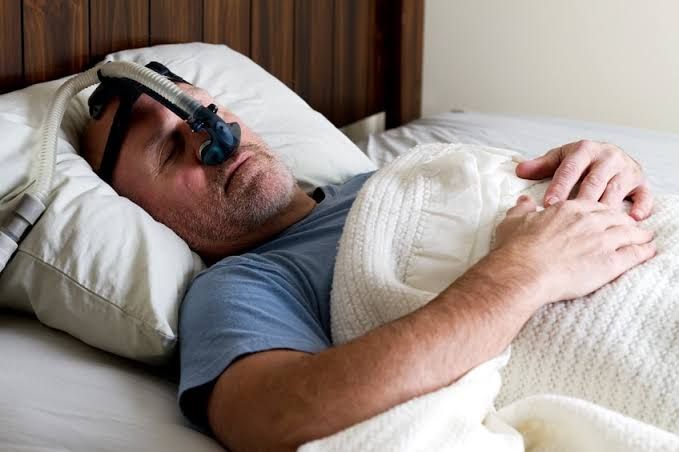
Many people struggle with sleep issues like waking up at 3 AM with a racing mind, feeling exhausted during the day, and dealing with chronic brain fog. These struggles are often made worse by heavy, bulky smartwatches that flash notifications, require daily charging, and emit sleep-disrupting blue light. Instead of helping you understand your health, these devices can become a source of stress and distraction.
At Mind Body Dan, we recommend screen-free wellness tracking to help protect your sleep environment. When working to reduce weight-induced airway obstruction, your primary goal should be to lower your body’s stress levels. Moving away from glowing screens and noisy notifications is an easy way to support your recovery.
A Comfortable, Screen-Free Way to Track Your Sleep
You don’t need a bulky, glowing screen on your wrist to understand your sleep. Choosing a screen-free smart ring helps you monitor your resting heart rate, sleep stages, and Heart Rate Variability (HRV) quietly and comfortably, keeping your bedroom a peaceful place to rest.
Focusing on lifestyle-based sleep recovery allows you to address both your weight and your sleep quality at the same time. As you lose weight, you’ll reduce physical strain on your lungs and chest wall, which helps minimize nighttime wake-ups and leads to smoother, more consistent breathing throughout the night.
Additionally, resolving snoring and sleep disruptions helps lower your nocturnal resting heart rate and supports your overall cardiovascular health. By tracking these biometrics quietly, you can see the clear benefits of your weight loss efforts reflected in deep, restorative sleep night after night.
Disclaimer: Results may vary depending on individual physical activity levels, unique health conditions, and daily tracking patterns. The information provided in this article is for educational and informational purposes only and is not intended to serve as medical advice, diagnosis, or treatment. Always consult with a qualified healthcare professional before making changes to your health, exercise, or medical routines.
