

Waking Up with a Dull, Throbbing Pain? The Truth About Sleep Apnea Headaches and Morning Relief Tips
Do you wake up with a heavy, throbbing head every morning? You might be experiencing sleep apnea headaches, a common sign of disrupted breathing during rest. By monitoring blood oxygen and sleep cycles, we can find natural paths to recovery. Meet the Herz P1 Smart Ring: screen-free daily health optimization to track your restoration.
Take Back Your Sleep.
Take Back Your Life.
- Fall asleep faster & sleep deeper
- Stop waking up in the middle of the night
- Wake up refreshed & full of energy
Key Takeaways:
- Discover how nocturnal oxygen drops dilate cerebral blood vessels, causing a distinct, dull pain across the forehead upon waking.
- Learn to distinguish between typical morning tension headaches and physiological discomfort caused by sleep-disrupted breathing.
- Understand why bulky wearables and bright smartwatches can disrupt sleep hygiene, making screen-free tracking options a superior alternative.
- Explore natural morning relief tips—including proper hydration, deep breathing, and position adjustments—to clear carbon dioxide from your system.
- See how tracking continuous overnight trends like HRV and sleep stages provides actionable data to optimize your recovery score.
Understanding Sleep Apnea Headaches: The Silent Disruption of Your Night

Quick Answer
Yes, repetitive pauses in nighttime breathing can directly cause head discomfort at dawn. The short answer is that sleep apnea headaches are triggered by carbon dioxide buildup and oxygen drops, forcing cerebral blood vessels to dilate. However, to choose the right lifestyle adjustments or recovery products, you need to understand how your unique sleep stages and nightly heart rate variability (HRV) respond to these physical stressors.
Detailed Explanation
For those struggling with sleep disruptions, waking up with a dull, band-like ache across the forehead is more than an annoyance—it is a physiological warning sign. When you experience obstructive events during the night, your airway collapses, temporarily halting the flow of oxygen to your lungs. This results in two major biochemical shifts: a sharp decline in blood oxygen levels (hypoxemia) and a corresponding accumulation of carbon dioxide in your bloodstream (hypercapnia).
As carbon dioxide levels rise, your body reacts to protect its most critical organ: the brain. The brain signals the cerebral blood vessels to dilate, allowing more blood to flow to the head in a desperate bid to deliver whatever oxygen is available. This sudden vasodilation, combined with elevated blood pressure from the physical stress of gasping for air, increases intracranial pressure. The result is a classic sleep apnea headache morning sensation—a dull, squeezing pressure on both sides of the head that is present the moment you open your eyes.
Many of our readers ask us, can apnea cause headaches even if they do not wake up gasping or snoring loudly? Absolutely. Silent breathing disruptions can occur throughout the night without ever fully waking you up. You might simply experience non-restorative sleep, waking up with extreme brain fog, a dry mouth, and a lingering sense of exhaustion, unaware that your brain was fighting for air dozens of times while you slept.
Unlike standard tension headaches or migraines, which are often unilateral and accompanied by sensitivity to light or sound, a typical sleep apnea morning headache is usually bilateral, symmetrical, and resolves within 30 to 90 minutes of getting out of bed. As you stand up, move around, and begin breathing normally, your body rapidly flushes out the excess carbon dioxide, allowing the dilated cerebral blood vessels to contract back to their normal size, which eases the pressure.
- The physiological mechanics of how nighttime oxygen drops dilate blood vessels and trigger pain.
- How to identify if your morning discomfort is linked to sleep apnea headaches.
- The psychological and physical toll of non-restorative sleep and racing mind symptoms.
- Actionable morning relief tips, lifestyle adjustments, and breathing patterns.
- Why screen-free smart wearables offer an elegant, subscription-free way to monitor sleep stages and HRV.
When to Monitor Your Sleep Trends (and When to Seek Help)
If you regularly experience a dull, band-like ache in the morning that fades as the day begins, tracking your biometrics can provide valuable insights into your recovery patterns. Monitoring sleep stages (REM, Deep, Light) and nighttime heart rate variability (HRV) helps you visualize how well your body recovers from daily stress. However, if your head discomfort is accompanied by sudden neurological issues, vomiting, severe visual disturbances, or high fever, these are red flags that require immediate consultation with a healthcare professional, rather than self-monitoring.
A Smarter, Screen-Free Approach to Tracking
If you are trying to understand how your sleep habits affect your physical comfort, using a tracker is highly beneficial. However, traditional smartwatches present a serious operational issue: they are often bulky, uncomfortable to sleep in, and feature bright screens that flash in the middle of the night, triggering a racing mind and worsening your sleep hygiene. Furthermore, many of these devices lock your personal biometric data behind expensive monthly subscription fees.
Our team at Mind Body Dan recommends a more elegant, screen-free alternative: the **Herz P1 Smart Ring**. Crafted from premium, ultra-lightweight titanium, it fits comfortably on your finger all night without any bulky distractions. It features medical-grade biometric sensors that track your sleep stages and heart rate variability, translating complex algorithms into a simple, actionable Daily Recovery Score—completely free of monthly subscriptions or hidden fees. By removing screen stimulation from your bedroom, you can gently transition into deep, restorative sleep while gathering the exact data you need to optimize your well-being.
- Premium, Screen-Free Design: No bright displays or midnight notifications to disrupt your nervous system.
- Medical-Grade Biometric Sensors: Accurate, continuous tracking of REM, Deep, and Light sleep stages.
- Subscription-Free Model: Buy the ring once and own all your health data forever, without recurring monthly costs.
- Ultra-Lightweight Titanium: So light and comfortable you will completely forget you are wearing it to sleep.
- Daily Recovery Score: Translates complex heart rate variability (HRV) and movement data into a simple, easy-to-understand score.
Frequently Asked Questions
Q: Can mild sleep apnea cause headaches every day?
Yes. Even mild breathing disruptions can cause significant oxygen drops and carbon dioxide accumulation during deep sleep stages, leading to a consistent sleep apnea headaches pattern upon waking.
Q: Why do these headaches go away after I get out of bed?
When you stand up and begin moving, your breathing rate and depth naturally increase. This extra ventilation rapidly clears the accumulated carbon dioxide from your blood, allowing the dilated cerebral arteries to contract, which relieves the pressure in your head.
Q: How does tracking my HRV help me manage my morning headaches?
Your HRV is a direct reflection of your autonomic nervous system. A low overnight HRV indicates that your body is locked in a sympathetic “fight or flight” stress response—often triggered by breathing lapses—while a high HRV shows that your body successfully reached a restorative state.
The Science of Nighttime Oxygen Drops: Why Apnea Triggers Headaches
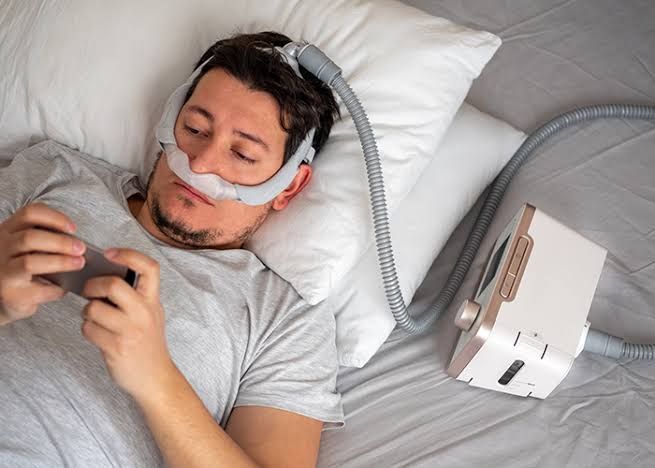
To understand the link between sleep quality and morning pain, we must look at the biochemical processes taking place inside your body during sleep. When we slide into sleep, our throat muscles naturally relax. For individuals prone to airway collapse, this relaxation leads to a partial or complete obstruction of the upper airway. This obstruction is the root cause of obstructive sleep apnea, and it has a profound effect on your cardiovascular and nervous systems.
Every time your breathing is restricted, your lungs cannot exchange carbon dioxide for oxygen. As blood oxygen saturation drops, your brain’s survival mechanisms are activated. The brain triggers a micro-arousal, releasing a quick burst of adrenaline and cortisol to shock your body just enough to restore muscle tone in the throat and clear the airway. While you might not fully wake up to conscious awareness during these micro-arousals, your body undergoes intense physical stress. Your heart rate spikes, your blood vessels constrict, and your deep, restorative sleep stages are instantly shattered.
This cycle of oxygen desaturation and carbon dioxide buildup directly triggers sleep apnea headaches. When carbon dioxide builds up in your tissues, it acts as a powerful vasodilator, widening the major arteries in your skull. This increased blood volume within a fixed cranial space puts pressure on the sensory nerves of the brain’s protective membranes. When you wake up, this physical swelling is felt as a dull, throbbing morning ache.
If you have struggled with this cycle, you know the emotional toll it takes. Waking up at 3 AM with a pounding head, a dry mouth, and a racing mind makes it feel impossible to fall back asleep. You lie there in the dark, watching the hours tick away, feeling a growing sense of hopelessness and frustration. This chronic fatigue bleeds into your workday, causing persistent brain fog, irritability, and a desperate reliance on multiple cups of coffee—which only further compromises your next night of sleep. By understanding your biometric trends, you can begin to see the direct correlation between sleep disruptions and physical symptoms, helping you take proactive steps to improve your sleep quality.
For those searching for answers, understanding how can apnea cause headaches is the first step toward reclaiming your health. When you track your nightly trends, you can easily see how poor breathing patterns correlate with a lower overall recovery score. This allows you to make informed decisions about your sleeping habits and sleep posture, shifting your mornings from stressful and painful to refreshed and energized.
Practical Morning Relief Tips and Screen-Free Sleep Strategies

If you find yourself waking up with a painful sleep apnea morning headache, there are several simple, natural strategies you can implement immediately to ease the pain and clear your head:
- Hydrate immediately upon waking: Dehydration compounds any vascular headache. Drinking a large glass of room-temperature water as soon as you sit up helps restore fluid balance and supports your body in flushing out metabolic waste.
- Practice deep diaphragmatic breathing: Sit up straight in bed, inhale deeply through your nose, expand your abdomen, and exhale slowly through pursed lips. This conscious deep breathing helps clear residual carbon dioxide from your bloodstream and rapidly increases blood oxygen saturation.
- Perform gentle neck and shoulder stretches: Nighttime breathing difficulties often lead to physical tension in your chest, neck, and shoulders as your body strains for air. Gently rolling your shoulders and tilting your neck from side to side can release this tension and improve blood flow.
- Transition to side sleeping: Sleeping flat on your back allows gravity to pull the tongue and soft tissues of your throat downward, increasing the likelihood of airway collapse. Utilizing a body pillow or a sleep positioning wedge to stay on your side can dramatically minimize these nighttime obstructions.
- Establish a screen-free evening transition: Remove tablets, phones, and traditional smartwatches from your bedroom at least one hour before bed. High-stimulation devices can trigger a racing mind, raise your resting heart rate, and suppress melatonin production, making sleep-disrupted breathing even more difficult to recover from.
Reclaim Your Rest with the Herz P1 Smart Ring
Ready to monitor your body’s recovery trends without the annoyance of a bulky, glowing screen on your wrist? The Herz P1 Smart Ring tracks your sleep stages, HRV, and heart rate to give you an elegant, subscription-free path to wellness.
The Role of Sleep Stages in Your Morning Comfort
To understand why a morning head pain occurs, we must look closely at our sleep architecture. Sleep is not a uniform state of unconsciousness; it is a highly active, complex series of cycles that our brains navigate every single night. These cycles are divided into light sleep, deep sleep, and Rapid Eye Movement (REM) sleep. Each stage plays a critical role in how we feel when we wake up.
Deep sleep, also known as slow-wave sleep, is the physical restoration phase. This is when your body repairs tissues, builds muscle, and strengthens the immune system. Your blood pressure drops, and your breathing slows. If your airways repeatedly collapse during this stage, your brain is forced to wake up to keep you alive, robbing you of this vital physical recovery. This interruption is a major reason why many experience a sleep apnea morning headache because the body never gets the deep, healing rest it needs to recover from daily wear and tear.
REM sleep, on the other hand, is when cognitive restoration happens. This is the dreaming stage, where your brain processes emotions, consolidates memories, and clears out metabolic waste. Because REM sleep is characterized by high brain activity and complete muscle relaxation, the muscles surrounding your airway are at their most vulnerable to collapse. This makes REM sleep a prime window for severe breathing disruptions and oxygen drops, directly contributing to a painful morning sensation.
When your sleep stages are constantly fractured, you accumulate a massive “sleep debt.” This debt manifests as the brain fog, memory issues, and emotional volatility that make your daily life feel like an uphill battle. By using an advanced tracker to monitor your sleep stages, you can identify if you are getting enough deep and REM sleep to prevent these physiological stress responses.
Why Heart Rate Variability (HRV) is Your Ultimate Recovery Compass
At Team Mind Body Dan, we believe that tracking basic metrics like step counts doesn’t give you the full picture of your health. To truly understand how sleep apnea causes headaches, we must measure the stress on your autonomic nervous system. The most precise way to do this is through Heart Rate Variability (HRV).
HRV is the tiny variation in time between each heartbeat, measured in milliseconds. It is controlled by your autonomic nervous system, which is divided into the sympathetic (“fight or flight”) and parasympathetic (“rest and digest”) branches. A high HRV means your body is resilient, adaptable, and highly capable of recovering from stress. A low HRV indicates that your body is stuck in a state of chronic stress, unable to fully relax.
When you experience breathing pauses at night, your sympathetic nervous system is repeatedly activated. Your body is flooded with stress hormones, causing your heart rate to spike and your HRV to plunge. By monitoring your HRV trends overnight, you can see the direct physical impact of these breathing disruptions. If you wake up with a dull ache and notice a corresponding drop in your nightly HRV, it’s a clear signal that your body spent the night fighting for balance rather than resting.
By keeping a close eye on your HRV trends, you can easily see if your sleep apnea cause headaches through chronic nervous system strain. This knowledge empowers you to make meaningful lifestyle adjustments—such as altering your diet, avoiding late-night alcohol, or changing your sleeping position—and immediately track the positive impact on your nightly recovery score.
Elevating Your Sleep Hygiene without Screen Overload
We live in an era of constant connectivity, but our brains were never designed to be stimulated 24/7. The blue light from our phones and smartwatches suppresses the natural production of melatonin, the hormone responsible for telling our bodies it’s time to sleep. Moreover, checking email or social media before bed fills our minds with stressful thoughts, leading to a racing mind and shallow breathing.
To truly support your respiratory health and avoid sleep apnea headaches, we must embrace screen-free tracking. This is why we are so passionate about the Herz P1 Smart Ring. By moving your health tracking from a bulky, bright smartwatch to a discreet, screen-free ring, you remove the temptation to check notifications in the middle of the night. You can sleep in complete comfort, knowing your biometrics are being captured with medical-grade accuracy, while your mind is allowed to drift into uninterrupted, healing rest.
Reclaiming your life from can apnea cause headaches concerns and waking up feeling energized is entirely possible when you listen to your body’s natural signals. By focusing on deep, restorative sleep stages, supporting your autonomic nervous system, and tracking your trends with a screen-free, subscription-free device like the Herz P1 Smart Ring, you can take control of your sleep, optimize your daily energy, and wake up refreshed every single day.
Disclaimer: Results may vary depending on individual physical activity levels, unique health conditions, and daily tracking patterns. This content is for informational and tracking-awareness purposes only and does not constitute medical advice. The Herz P1 Smart Ring is a wellness tracking device designed to monitor general trends and is not intended to diagnose, treat, or cure any medical condition.
