

Why Is Sleep and School Performance So Closely Linked? Science-Backed Insights for Students and Parents
Is a racing mind at 3 AM ruining your study schedule? Science shows a direct link between sleep and school performance. At Mind Body Dan, we believe tracking biometrics like HRV and sleep stages should be simple. Experience a screen-free path to recovery with the Herz P1 Smart Ring.
Take Back Your Sleep.
Take Back Your Life.
- Fall asleep faster & sleep deeper
- Stop waking up in the middle of the night
- Wake up refreshed & full of energy
What You’ll Learn In This Guide:
- The neurological link between specific sleep stages and cognitive performance.
- How chronic exhaustion triggers a continuous stress loop that destroys study retention.
- Practical, screen-free tracking methods to monitor sleep quality without adding digital strain.
- Simple sleep hygiene changes designed to improve focus, concentration, and classroom success.
Key Takeaways
- Memory Consolidation: Both REM and Deep sleep serve as the brain’s filing cabinet, organizing and storing the facts learned throughout the school day.
- Autonomic Balance: Heart Rate Variability (HRV) acts as an early warning system for cognitive burnout and physical fatigue.
- The Blue Light Trap: Bedtime screen routines suppress melatonin, leading to delayed sleep phase and non-restorative rest patterns.
- Screen-Free Solutions: Using a screen-free biometric tool like the Herz P1 Smart Ring delivers deep health insights without introducing late-night phone distractions or monthly subscriptions.
How Deeply Does Sleep and School Performance Impact Daily Learning?
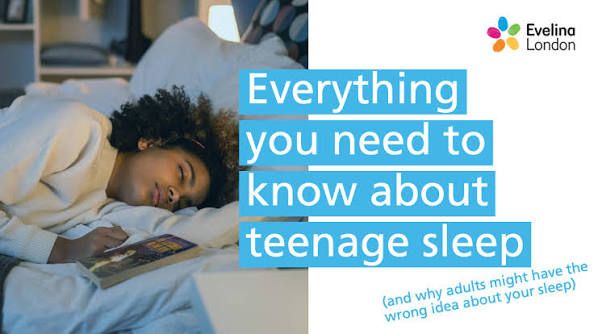
Quick Answer: Yes, the biological link between sleep and school performance is direct and absolute. A rested brain is primed to pay attention, solve complex problems, and store memory, while a sleep-deprived brain struggles to process basic information. To maximize these cognitive benefits, we must look beyond total bedtime hours and focus on optimizing deep sleep architecture, heart rate patterns, and systemic recovery.
Every student has experienced the dread of staring blankly at an exam paper, struggling to recall a concept studied just hours before. This sudden cognitive block is rarely a lack of intelligence; instead, it is often a direct result of neurological exhaustion. Understanding the connection between sleep and school performance requires analyzing how sleep cycles function as the brain’s internal maintenance crew.
To understand how does sleep affect academic performance, we must look at the prefrontal cortex, the hub for critical thinking, planning, and focus. During slow-wave deep sleep, the glymphatic system—essentially the brain’s self-cleaning mechanism—washes away cellular waste that builds up during waking hours. At the same time, the hippocampus transfers short-term study notes into the neocortex for long-term storage. If this process is interrupted by a racing mind at 3 AM or frequent awakenings, memory consolidation falls short, leading to the familiar pattern of lack of sleep and academic performance declines.
When we look at how sleep and school performance correlate, we see that sleep quality shapes a student’s daily cognitive threshold. A single night of poor rest dramatically drops working memory capacity, shortens attention span, and impairs analytical reasoning. Over time, chronic sleep deprivation leads to sustained academic struggles, leaving students feeling physically exhausted and emotionally drained without understanding why.
When to Prioritize Advanced Sleep Tracking (And When to Pause)
Monitoring sleep and school performance metrics can be incredibly valuable, but tracking biometrics is not a one-size-fits-all solution. Knowing when to utilize detailed tracking tools helps students and parents make informed decisions:
- When to track: If you regularly experience morning brain fog, feel tired despite spending eight hours in bed, or are preparing for intense academic challenges. Tracking biometrics like Heart Rate Variability (HRV) and deep sleep stages helps you identify specific sleep disruptors and optimize your evening habits.
- When to pause: If looking at your sleep data causes you stress, anxiety, or orthosomnia (the obsession with achieving perfect sleep numbers). If sleep metrics make you anxious, it is best to set the tracker aside and focus on basic, screen-free wind-down routines first.
Suggested Biometric Solutions: Reclaiming Your Recovery
Many students and busy professionals attempt to monitor their sleep by wearing large, bright smartwatches. Unfortunately, these devices often disrupt rest. The constant wrist vibrations, screen glare, and daily charging needs can add stress to an already busy schedule. Additionally, many wearable brands require expensive monthly subscriptions just to view your health data, leading to subscription fatigue.
The Herz P1 Smart Ring provides a comfortable, screen-free, and subscription-free alternative. Made from lightweight, medical-grade titanium, it sits comfortably on your finger and tracks your resting heart rate, sleep stages (REM, Deep, Light), and HRV without glowing screens or distracting notifications. By translating complex biometric data into a simple daily Recovery Score, the Herz P1 helps you understand your body’s readiness for the day ahead.
— Team Mind Body Dan
Frequently Asked Questions
Q: How does sleep and school performance relate to memory?
A: During deep sleep, the brain replays the day’s learning, moving information from short-term storage (the hippocampus) to long-term storage (the neocortex). Without this process, new lessons are easily forgotten.
Q: Can students make up for weekday sleep deprivation on weekends?
A: No. Trying to make up for lost sleep can disrupt your circadian rhythm, making it harder to fall asleep on Sunday night and worsening your focus on Monday morning.
Q: Why is Heart Rate Variability (HRV) important for academic success?
A: HRV measures the variation in time between consecutive heartbeats, reflecting autonomic nervous system stress. A higher HRV shows your body is recovered and ready to learn, while a lower HRV suggests physical or mental fatigue.
The Hidden Science: How Lack of Sleep and Academic Performance Collide

The academic impact of poor rest goes far beyond feeling tired in the morning. When a student struggles with sleep, they run the risk of falling into a continuous stress loop. This section explores how sleep deprivation affects students, altering their neural pathways, hormone levels, and cognitive capacity.
When studying how does sleep affect school performance, researchers often find that poor sleep quality is closely tied to autonomic nervous system imbalance. Under normal conditions, our bodies balance the sympathetic nervous system (fight-or-flight) with the parasympathetic nervous system (rest-and-digest). Restorative deep sleep supports the parasympathetic state, lowering your heart rate and helping your body recover from daily stress.
When a student experiences chronic exhaustion, their body remains trapped in a sympathetic state. This triggers a continuous release of cortisol, the body’s primary stress hormone. Elevated cortisol levels disrupt the hippocampus, making it difficult to process new information. This physiological strain explains why lack of sleep and academic performance drops are so common among students facing high academic workloads.
In addition to cognitive fatigue, sleep deprivation alters hormone levels, impacting energy and food choices. Sleep loss increases ghrelin (the hunger hormone) and decreases leptin (the satiety hormone). This hormone imbalance leads to sugar cravings and reliance on quick caffeine fixes, causing sudden energy spikes and subsequent crashes that disrupt afternoon focus.
— Team Mind Body Dan
By reviewing sleep and school performance trends, we can see that academic success is built on consistent physical recovery. When parents and students track health metrics like resting heart rate and HRV, they often realize that late-night cram sessions are counterproductive. In reality, prioritizing a full night of sleep is far more effective for long-term memory and classroom success than pulling an all-nighter.
Practical Strategies: Reclaiming Sleep to Maximize Classroom Success

Understanding the link between sleep and school performance is only the first step; the real value lies in building simple, effective habits. Reclaiming your recovery and improving focus is entirely achievable through small daily changes. Let’s look at how optimizing academic achievement and rest can transform your daily energy.
One of the biggest hurdles to healthy sleep is our evening screen routine. The blue light emitted by smartphones, tablets, and laptops mimics sunlight, suppressing melatonin production for hours and delaying sleep onset. When addressing sleep deprivation in teenagers, creating a screen-free wind-down routine is one of the most effective solutions.
Building a distraction-free bedroom environment is essential for deeper sleep. Consider adopting these simple habits to improve your sleep environment:
- Consistent Wake Times: Go to bed and wake up at the same time every day—even on weekends—to support your natural circadian rhythm.
- Cool Room Temperature: Keep your bedroom cool, ideally around 65°F (18°C), to help your body lower its core temperature for deep sleep.
- Screen-Free Wind-Down: Put away all digital screens at least 60 minutes before bed. Swap scrolling for reading a physical book or journaling.
- Comfortable Biometric Tracking: Monitor your recovery trends with a screen-free device like a smart ring. This allows you to track your sleep quality without late-night notifications.
By monitoring sleep and school performance metrics, you can easily see how daily habits shape your sleep quality. For example, avoiding afternoon caffeine or finishing dinner early can lead to measurable increases in deep sleep and HRV. When you connect your daily choices to your recovery metrics, you can build a personalized routine that supports both your health and your studies.
Ready to Track Your Recovery Screen-Free?
The Herz P1 Smart Ring tracks your sleep stages, HRV, and daily recovery with medical-grade precision—all in a lightweight, subscription-free titanium design. No distractions, no monthly fees, just clear insights.
Ultimately, supporting your sleep is not about achieving perfection; it is about listening to your body and making sustainable choices. By understanding how sleep and school performance are connected, you can step away from late-night stress and enjoy the benefits of restorative, screen-free sleep.
