

What Is Sexsomnia? Understanding Sleep Sex and How to Reclaim Restful Nights
Waking up with no memory of nighttime sexual behaviors can be terrifying. This condition, known as sexsomnia, is a parasomnia linked to sleep fragmentation and high stress. By tracking biometric trends like Heart Rate Variability (HRV) with a screen-free tool like the Herz P1 Smart Ring, you can identify hidden stress triggers and reclaim deep, restorative sleep.
Take Back Your Sleep.
Take Back Your Life.
- Fall asleep faster & sleep deeper
- Stop waking up in the middle of the night
- Wake up refreshed & full of energy
Key Highlights:
- A Real Sleep Disorder: Sexsomnia is a NREM arousal parasomnia, not a psychological or conscious behavior.
- Major Triggers: High emotional stress, sleep deprivation, alcohol intake, and unstable NREM-to-REM sleep stage transitions are primary culprits.
- The Role of HRV: Heart Rate Variability (HRV) serves as a vital indicator of autonomic stress, reflecting how vulnerable your body is to nighttime arousal.
- Screen-Free Solutions: Managing sleep sex starts with minimizing sleep fragmentation and tracking biometric indicators using elegant, distraction-free tools.
What Is Sexsomnia? The Science Behind Sleep Sex

Quick Answer: Yes, sexsomnia is a recognized sleep disorder. The short answer is that it is a type of non-rapid eye movement (NREM) arousal parasomnia where individuals perform sexual acts while completely asleep. However, to choose the right strategy to manage this pattern, you must understand the underlying neurobiology of sleep sex and how stress levels impact your nighttime behaviors.
To fully comprehend this phenomenon, we must look at how our brain operates during different sleep cycles. For someone experiencing episodes of sleep sex, the brain is caught in a state of dissociation. While the motor cortex—the area of the brain responsible for physical movement—is active and functioning, the prefrontal cortex, which governs decision-making, judgment, and conscious awareness, remains in a deep, slow-wave sleep state. This explains why people who engage in sex while sleeping have absolutely no conscious awareness or memory of the event upon waking.
This dissociation usually occurs during the deepest stages of non-REM (NREM) sleep. During normal sleep transitions, the brain moves smoothly between light, deep, and REM sleep. However, if your body is carrying high levels of daily stress or sleep debt, these transitions become unstable. Sudden, partial awakenings can occur out of deep sleep. Instead of waking up fully, the motor centers of the brain trigger automated behaviors—which, in the case of sexsomnia, manifest as sexual vocalizations, masturbation, or attempts to engage in intercourse with a sleeping partner.
For those dealing with this, the emotional toll can be exhausting. Many sufferers experience intense worry, a racing mind before bed, or wake up at 3 AM with a sense of dread. This persistent state of high arousal prevents non-restorative sleep and leaves you fighting brain fog all through the next day. It becomes a vicious cycle: stress fragments your sleep, fragmented sleep triggers an episode of sleeping sex, and the resulting anxiety further destroys your sleep quality.
When to Look Closer (And When to Seek Help)
Understanding when these episodes occur is crucial to identifying your physiological needs. You should begin evaluating your sleep patterns closely if:
- Your partner reports unusual nighttime sexual initiatives that you have no memory of.
- You wake up feeling completely unrefreshed, even after a seemingly full night of sleep.
- You notice a strong correlation between high-stress work weeks and nighttime disturbances.
- You rely on habits like late-night screen time or alcohol to “wind down,” which actually worsens sleep fragmentation.
While tracking biometric trends can help you optimize your daily recovery, always consult a qualified sleep specialist if these behaviors pose a safety risk to you or your partner, or if you suspect an underlying condition like sleep apnea might be triggering these partial arousals.
Actionable Behavioral Solutions
Addressing parasomnias naturally requires stabilizing your autonomic nervous system before your head hits the pillow. We recommend starting with a strictly screen-free winding-down routine. The blue light from your phone or smartwatch mimics sunlight, suppressing melatonin production and throwing off your circadian rhythm.
To capture accurate insights into your sleep architecture without the sleep-disrupting presence of screens, consider a dedicated tracker. The Herz P1 Smart Ring offers an elegant, screen-free, ultra-lightweight titanium design. By monitoring your sleep stages (REM, Deep, and Light) and your Heart Rate Variability (HRV), this premium, subscription-free wearable tracks your physiological recovery trends without the added stress of a bulky screen glowing on your wrist or demanding daily charges.
Frequently Asked Questions About Sleep Sex
Q: What is the medical definition of sexsomnia?
A: Sexsomnia is classified as a NREM (non-rapid eye movement) arousal parasomnia. It refers to engaging in sexual acts—such as masturbation, fondling, or intercourse—while in a state of deep sleep, with zero conscious recollection afterward.
Q: Is sexsomnia related to stress?
A: Yes. Chronic psychological stress and physical exhaustion keep the nervous system in a state of sympathetic (“fight-or-flight”) dominance, which destabilizes sleep architecture and increases the frequency of sudden, partial awakenings that trigger sleep sex.
Q: Can tracking metrics like HRV help manage this condition?
A: While tracking devices do not diagnose or treat medical disorders, monitoring trends like HRV and sleep stages helps you identify underlying recovery deficits and lifestyle stressors that may trigger sleep disruptions.
The Hidden Causes of Sexsomnia and Sleep Disturbance
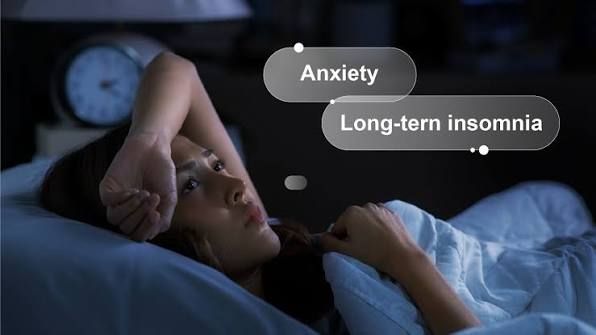
When you suffer from experience sexsomnia, identifying the precise reason for these nighttime disruptions can feel overwhelming. Many individuals find themselves trying to navigate complex, hard-to-read charts on smartwatches, only to end up more stressed than before. To simplify your path to recovery, our team focuses on the primary physiological and lifestyle pillars that contribute to what is sexsomnia.
At the center of parasomnia triggers lies your autonomic nervous system. The autonomic nervous system is divided into two main branches: the sympathetic nervous system (“fight-or-flight”) and the parasympathetic nervous system (“rest-and-digest”). When you are dealing with chronic stress, your sympathetic tone remains elevated, even while you sleep. This chronic elevation of physical tension prevents your brain from settling deeply into slow-wave NREM sleep, making you highly susceptible to sudden partial micro-arousals.
A primary biometric marker that reflects this delicate balance is Heart Rate Variability (HRV). HRV measures the minute variation in time between consecutive heartbeats. Contrary to what most assume, a higher HRV is actually a sign of a relaxed, highly adaptive parasympathetic nervous system. Conversely, a low HRV indicates that your body is locked in a state of physical stress and has not recovered from the day’s demands. For people dealing with sleeping sex, monitoring fluctuations in baseline HRV can offer invaluable clues about how resilient their nervous system is on any given day.
How Sleep Deprivation Feeds Into Parasomnias
Sleep deprivation acts like fuel on a fire when it comes to parasomnias. When you skip sleep or experience fragmented, poor-quality rest, your body builds up what sleep scientists call “sleep debt.” To compensate, the brain experiences a “rebound effect” the next time you sleep, characterized by exceptionally intense, prolonged periods of slow-wave deep sleep.
Because the drive to stay in deep sleep is so intense, yet the nervous system is highly stressed, the threshold for a partial awakening is lowered. This creates the perfect storm for sleep sex episodes: a brain desperate to stay in slow-wave sleep, suddenly jolted by a micro-arousal, leading to a dissociated state where motor actions occur without executive control from the prefrontal cortex.
Environmental and Lifestyle Stimulants
Beyond internal stress, daily environmental factors can severely degrade sleep stability:
- Late-Night Alcohol Consumption: While a nightcap may help you fall asleep initially, alcohol severely fragments sleep architecture during the second half of the night, leading to more frequent NREM-to-REM transitions.
- Bulky, Uncomfortable Sleep Wearables: Many individuals tracking their sleep use chunky smartwatches that buzz with notifications, restrict movement, and require daily charging. The discomfort of these devices can actually trigger the very micro-arousals that provoke parasomnias.
- Irregular Sleep Schedules: Constantly shifting your sleep-wake times disrupts your natural circadian rhythm, lowering your overall sleep efficiency and making you more prone to nighttime awakenings.
Practical Management and Monitoring Sleep Trends Screen-Free

Managing the impact of sex in the sleep requires a combination of behavioral changes and accurate, passive physiological tracking. You don’t need a medical device to begin building healthier habits; instead, you need simple, reliable, and screen-free biometric metrics that help you see how your body is responding to lifestyle adjustments.
One of the most effective strategies is adopting habits related to sex while sleeping prevention, such as establishing a consistent bedtime and minimizing sensory disruptions in your room. Additionally, monitoring your sleep architecture—how much time you spend in Light, Deep, and REM sleep—gives you an objective view of your sleep stability. When deep sleep is fragmented, or REM sleep is delayed, it’s a clear indicator that your body is carrying too much physiological stress.
Why Screen-Free Wearable Tracking Changes Everything:
Conventional smartwatches often complicate your recovery efforts. They present several critical issues:
- Unnecessary Stress: Constant notifications and vibrant screen displays right on your wrist can cause cognitive load, feeding your racing mind at bedtime.
- Physical Discomfort: Sleeping in a heavy, sweaty watch is uncomfortable and can cause physical arousals, defeating the purpose of tracking.
- Charging Anxiety: Having to plug in your tracker daily means you frequently miss capturing critical sleep metrics when the battery dies overnight.
Our team recommends focusing on a simplified tracking method to find your baseline metrics. According to our guide to sexsomnia meaning, the key to stabilizing your sleep is reducing micro-arousals. By using an ultra-lightweight, screen-free wearable, you can get the vital biometric data you need without any of the digital distractions.
The Herz P1 Smart Ring offers an exceptional way to do this. Crafted from aerospace-grade titanium, it sits comfortably on your finger, weighing virtually nothing. It features medical-grade biometric sensors that quietly track your sleep stages (REM, Deep, Light) and your Heart Rate Variability (HRV) throughout the night. Instead of overwhelming you with complex, hard-to-read graphs, it translates these metrics into an intuitive daily Recovery Score. Because it is completely subscription-free, you purchase the ring once and own your physiological data forever—no hidden costs or locked features.
Simplify Your Recovery Journey
If you are looking to monitor your body’s stress response and optimize sleep stages without the burden of screens, a titanium smart ring is the ultimate solution. Enjoy up to 7 days of continuous battery life, premium biometric accuracy, and a distraction-free sleep environment.
Who the Herz P1 Smart Ring Is For (And Who It’s Not For)
To ensure you make an informed decision for your lifestyle, here is a transparent look at our product fit:
This ring is ideal for you if:
- You want to monitor your deep sleep, light sleep, REM sleep, and HRV without a glowing screen next to your face.
- You are suffering from subscription fatigue and want a high-end wearable with zero ongoing monthly costs.
- You find smartwatches bulky and uncomfortable to wear through the night.
This ring is NOT for you if:
- You are looking for a device that can medically diagnose or cure clinical sleep disorders like sleep apnea (only a medical doctor and a polysomnogram sleep study can do this).
- You want on-wrist GPS tracking, cellular call notifications, or smart apps directly on your hand.
By taking an active, data-informed interest in your daily recovery patterns, you can make meaningful changes to your routine. Let your body heal, lower your physiological stress, and reclaim the calm, restorative sleep you deserve.
Disclaimer: Results may vary depending on individual physical activity levels, unique health conditions, and daily tracking patterns. The content in this article is provided for educational and informational purposes only and is not intended as medical advice. The Herz P1 Smart Ring and the information on Mind Body Dan are not designed to diagnose, treat, or cure any medical conditions. Always seek the advice of your physician or other qualified health providers with any questions you may have regarding a medical condition.
