

How Can You Quiet the Nightly Crawl? The Science of Restless Legs Syndrome and Insomnia
Do you lie awake at 3 AM with an unbearable, creepy-crawly urge to move your legs? This exhausting combination of restless legs syndrome and insomnia ruins sleep quality. By tracking biometric trends and optimizing recovery through screen-free tracking with the Herz P1 Smart Ring, you can reclaim your night.
Take Back Your Sleep.
Take Back Your Life.
- Fall asleep faster & sleep deeper
- Stop waking up in the middle of the night
- Wake up refreshed & full of energy
Key Highlights of This Guide
- The Dual-Threat Mechanics: Why restless legs syndrome and insomnia create a compounding physiological feedback loop.
- Biometric Clues: How tracking Heart Rate Variability (HRV) and Sleep Stages helps identify subtle night micro-arousals.
- Drug-Free Management: Evidence-backed strategies to soothe sensory discomfort and lower sympathetic nervous system activity.
- Screen-Free Tracking: The operational and psychological advantages of comfortable, screen-free wearable technology for sleep monitoring.
Understanding Restless Legs Syndrome and Insomnia: The Nightly Connection
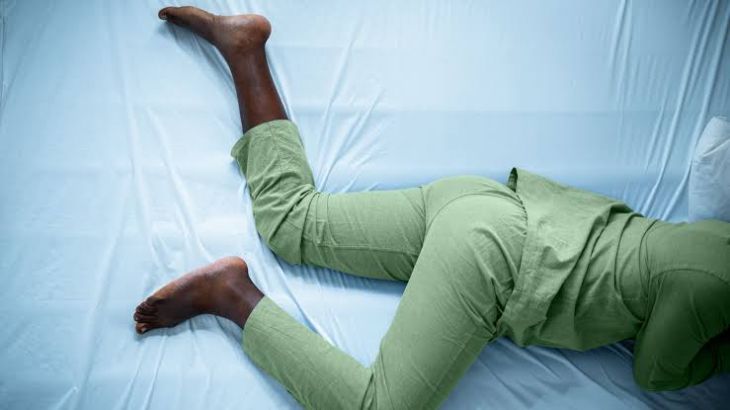
Yes, there is a profound biological link. The short answer is that restless legs syndrome and insomnia feed directly into each other; physical discomfort delays sleep onset, while the resulting mental stress amplifies leg sensations. However, to choose the right lifestyle adjustments or tracking tools, you must first understand how these combined disruptions impact your nervous system.
For millions of people worldwide, crawling into bed is not an invitation to rest, but the start of a silent, frustrating struggle. You lay down, close your eyes, and hope to drift off, only to be jolted alert by an irritating sensation deep within your calves. It feels like pulling, bubbling, or static electricity. The only way to find temporary relief is to shake, stretch, or pace around the bedroom. This classic cycle of restless legs syndrome and insomnia leaves you mentally drained, physically exhausted, and desperate for answers.
The relationship between rls and insomnia is rooted in neurological pathways. Restless Legs Syndrome (RLS)—also known as Willis-Ekbom Disease—is fundamentally a sensorimotor disorder. The brain’s dopamine pathways, which regulate smooth muscle movement, experience minor circadian fluctuations. When dopamine levels naturally drop in the evening, sensory signals in the legs misfire.
When you combine this physical sensory storm with insomnia—characterized by a racing mind, 3 AM awakenings, and hyperarousal—your autonomic nervous system is pushed into overdrive. You are trapped in a classic feedback loop: the physical urge to move prevents sleep, and the resulting stress elevates cortisol, making the sensory-motor systems even more sensitive to discomfort during restless legs sleep.
— Team Mind Body Dan Biometric Insights
When to Track Your Restless Legs Sleep vs. When to Seek Medical Care
Understanding when to monitor your own patterns and when to consult a clinical specialist is essential for managing neurological sleep disorders effectively:
- When to track: If your symptoms are mild to moderate, fluctuate based on daily stress or diet, and you want to gather objective biometric data on how your sleep stages (REM, Deep, Light) respond to evening habits.
- When to seek medical evaluation: If the burning or crawling sensations are painfully severe, persist throughout the daytime, or are accompanied by extreme daytime fatigue despite spending eight hours in bed. A physician can run blood panels to check ferritin (iron) levels, as low iron storage is a primary contributor to dopamine pathway dysfunction.
Practical Solutions for Nighttime Restlessness
While medical interventions should always be discussed with a doctor, many individuals find that natural, trend-informed changes can significantly improve their sleep quality:
- Evening Magnesium & Heat Therapy: Applying topical magnesium oil or soaking in an Epsom salt bath before bed relaxes skeletal muscle fibers and calms local peripheral nerves.
- Circadian-Aligned Physical Activity: Moderate, low-impact exercise during the day (like walking or yoga) supports healthy dopamine function. Avoid high-intensity leg workouts close to bedtime, which can overstimulate neuromuscular junctions.
- Transitioning to Screen-Free Biometric Tracking: Checking your phone or wearing a bulky smartwatch that flashes bright notifications when you move can worsen sleep-maintenance insomnia. Using an ultra-lightweight, screen-free wearable like the Herz P1 Smart Ring allows you to monitor sleep stages and autonomic recovery without adding to your cognitive load.
Frequently Asked Questions About RLS and Insomnia
Does restless legs syndrome cause insomnia directly?
Yes. Because RLS symptoms worsen during periods of rest and inactivity, the urge to move typically peaks exactly when you try to fall asleep. This physical barrier to relaxation directly leads to sleep-onset insomnia.
Why do my legs feel worse at 3 AM?
This is linked to natural circadian rhythms. During the early morning hours, your body’s core temperature drops, systemic cortisol levels are low, and dopamine activity dips to its lowest point. This combination can make sensory nerves in your limbs highly sensitive.
Can tracking my sleep stages help me manage restless legs syndrome and insomnia?
Yes. By using a wearable to monitor your deep sleep, REM sleep, and sleep-maintenance patterns, you can see how lifestyle adjustments—like stretching or reducing caffeine—actually impact your nightly recovery.
Periodic Limb Movements: How Motor Disruption Alters Your Heart Rate Variability
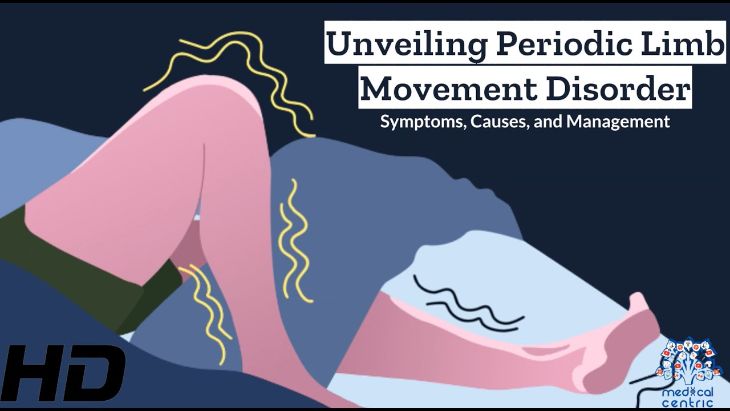
To truly understand the impact of restless legs syndrome and insomnia on your long-term health, we must look at a closely related condition: Periodic Limb Movement Disorder (PLMD). While RLS is characterized by awake, voluntary leg movements to relieve uncomfortable sensations, PLMD involves involuntary, repetitive jerking or flexing of the limbs during sleep. Over 80% of individuals who struggle with RLS also experience these involuntary movements during their nocturnal movement struggles.
This involuntary jerking can happen dozens of times an hour, causing minor sleep disturbances called “micro-arousals.” You might not remember waking up, but these movements pull you out of deep, restorative sleep back into light, stage-1 sleep. This leads to a common issue: waking up feeling exhausted and experiencing daytime brain fog, even if you thought you slept for a full eight hours.
These micro-arousals have a significant impact on your heart health, particularly on your **Heart Rate Variability (HRV)**. HRV is the variation in time between consecutive heartbeats, regulated by your autonomic nervous system:
- High HRV: Indicates a relaxed, adaptable nervous system dominated by the parasympathetic (“rest and digest”) branch. This state promotes cellular repair, hormone balance, and physical recovery.
- Low HRV: Signifies that your body is in a state of stress, dominated by the sympathetic (“fight or flight”) branch. This is common when managing rls and insomnia.
When your legs twitch throughout the night, your brain registers each movement as a minor stressor. Your heart rate spikes briefly, blood pressure rises, and your HRV drops. This keeps your body in a state of low-grade stress all night, making it difficult to recover fully.
Biometric Indicators to Watch
If you track your sleep using biometric sensors, look for these key patterns:
- Fragmented Sleep Cycles: Frequent transitions between light and deep sleep stages, rather than smooth, 90-minute sleep cycles.
- Suppressed HRV Trends: A downward trend in your average nightly HRV, indicating that your nervous system is not fully recovering.
- Delayed Heart Rate Dip: Your heart rate should drop to its lowest point during the first half of the night. Persistent leg movements can delay this dip until just before you wake up.
By monitoring these subtle biometric shifts, you can better understand how your body reacts to evening stressors. This knowledge can guide you as you make targeted adjustments to your routine, helping you transition from feeling frustrated and exhausted to taking a proactive, data-informed approach to your sleep recovery.
Calming the Nervous System: Screen-Free Solutions for Restless Legs Sleep
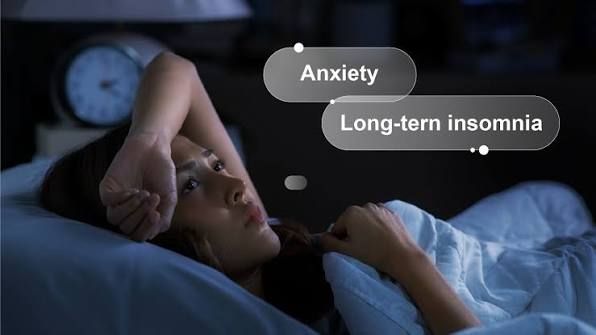
When you are struggling with a racing mind and restless legs, traditional sleep advice often falls short. Many standard recovery programs recommend using smartphone apps to track your rest. However, this advice ignores a key psychological and physiological trigger: screen-induced hyperarousal.
Lying awake at 3 AM with twitching limbs is stressful enough. Reaching for a bright phone to open a sleep app only worsens the problem. The blue light emitted by screens suppresses natural melatonin production, signaling to your brain’s suprachiasmatic nucleus that it is daytime.
Additionally, the act of checking graphs, looking at clock times, or reading notifications triggers a dopamine response that keeps your brain alert. This is particularly problematic for those managing restless leg management, where calming the nervous system is essential for rest.
This is where the benefits of a comfortable, screen-free wearable become clear. Traditional smartwatches are often bulky, uncomfortable to sleep in, and require daily charging—which can be a hassle when you are already dealing with sleep challenges.
A lightweight, screen-free smart ring offers a more elegant solution. It quietly gathers high-resolution biometric data without screens, buttons, or flashing lights. This allows you to focus on relaxation rather than digital distractions.
The Screen-Free Tracking Philosophy
Real health tracking shouldn’t require constant screen time. True wellness technology should run quietly in the background, translating complex biometric data into simple, actionable insights that help you build healthy habits.
By removing screens from your bedroom and using a comfortable smart ring, you can easily track how lifestyle changes impact your rest. This approach helps you see which adjustments—like evening stretches, temperature tweaks, or dietary changes—actually improve your sleep quality patterns. Over time, these insights allow you to break free from the cycle of restless legs syndrome and insomnia, helping you wake up feeling truly refreshed.
The Herz P1 Smart Ring is designed specifically for this kind of screen-free tracking. Crafted from premium, ultra-lightweight titanium, it fits comfortably on your finger and is easy to wear all night. It features medical-grade sensors that monitor your Sleep Stages (REM, Deep, Light) and Heart Rate Variability (HRV) with high accuracy.
Rather than overwhelming you with complicated, hard-to-read graphs, the ring’s companion app summarizes your biometric data into an intuitive Daily Recovery Score. This score tells you exactly how well your body recovered overnight.
Best of all, the Herz P1 is subscription-free. Unlike other smart rings that charge ongoing monthly fees, you buy it once and own your data forever. With its long battery life and comfortable design, it is an excellent tool for anyone looking to understand and improve their sleep quality.
If you are ready to take control of your nightly recovery, consider adopting a screen-free tracking approach. Monitoring your body’s natural trends is a supportive, practical step toward finding lasting relief from nighttime restlessness and reclaiming a great night’s sleep.
Disclaimer: Results may vary depending on individual physical activity levels, unique health conditions, and daily tracking patterns. This article is for informational purposes only and does not constitute medical advice. The Herz P1 Smart Ring is a wellness tracking device designed to monitor general sleep trends and recovery metrics; it is not a medical device and is not intended to diagnose, treat, or cure any clinical condition.
