

Puffy vs Leesa Mattress Review: Finding the Key to Deep Sleep and Biometric Recovery
Tossing and turning at 3 AM with a racing mind? Finding the right mattress is crucial, but how do you track your physical recovery? In this puffy vs leesa comparison, we explore how mattress design affects sleep stages, and how the subscription-free Herz P1 Smart Ring provides screen-free biometric proof of your recovery.
Take Back Your Sleep.
Take Back Your Life.
- Fall asleep faster & sleep deeper
- Stop waking up in the middle of the night
- Wake up refreshed & full of energy
Article Key Highlights:
- Structural Differences: Puffy features deep, cloud-like foam contouring, while Leesa focuses on a more responsive, breathable, bouncy memory foam feel.
- Biometric Impact: Alignment directly influences Sleep Stages (REM, Deep, Light) and your Heart Rate Variability (HRV) by calming your autonomic nervous system.
- The Wearable Dilemma: Bulky smartwatches interrupt sleep hygiene. Screen-free, subscription-free tracking from the Herz P1 Smart Ring bridges the gap between mattress selection and scientific proof of recovery.
Puffy vs Leesa: The Ultimate Mattress Showdown for Restorative Sleep
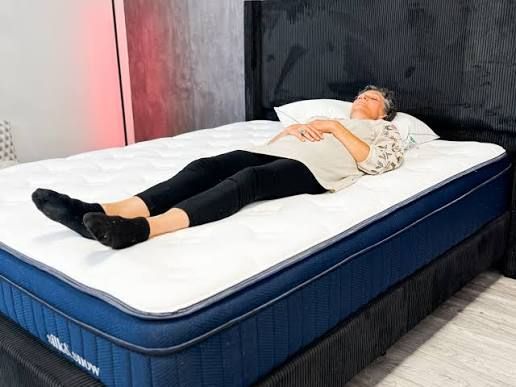
When you suffer from non-restorative sleep, your mattress is often the primary suspect. Waking up with lower back stiffness, shoulder pressure, or brain fog indicates that your body is not getting enough deep physical recovery. The leesa vs puffy mattress debate centers on how these two online mattress giants construct their foam layers to relieve physical tension and optimize your nocturnal comfort.
To understand how these mattresses perform, let’s look at a head-to-head breakdown of their key structural properties, comfort ratings, and how they ultimately impact physical recovery.
| Feature | Puffy Original | Leesa Original | Biometric Impact |
|---|---|---|---|
| Firmness Level | Medium-Soft (5/10) | Medium-Firm (6.5/10) | Determines joint alignment and physical muscle relaxation. |
| Comfort Profile | Deep contouring, “hugging” feel | Responsive, balanced “sleeping on top” feel | Alleviates tossing and turning, protecting REM sleep. |
| Cooling Technology | Cooling Cloud™ Gel Foam | Breathable, micro-perforated polyfoam | Lowers sleeping heart rate, encouraging higher overnight HRV. |
| Motion Isolation | Exceptional (thick memory foam) | Good (slight bounce from top layer) | Minimizes partner-induced micro-arousals. |
Product Overview: Puffy vs Leesa Mattress
The Puffy Original Mattress is designed for those who want to feel as though they are sleeping on a cloud. It consists of a three-layer foam construction that prioritizes pressure relief and deep physical contouring. Puffy’s specialized 5-layer comfort system (including its specialized cover) is specifically geared toward side sleepers who require deep cradling for their shoulders and hips to prevent nerve compression.
On the other hand, the Leesa Original Mattress is a premium, beautifully engineered three-layer all-foam bed. Instead of a deep, sinking hug, Leesa utilizes a micro-perforated top layer of highly responsive foam. This gives the mattress a balanced, bouncy feel that allows you to move freely without feeling “stuck” in the comfort layers, making it a favorite among combination and back sleepers.
Real-World Sleep Experience
Imagine climbing into bed after a demanding day. If you choose Puffy, you will immediately feel your hips and shoulders sink into the plush, gel-infused cooling foam. The memory foam conforms closely to your body’s unique curves, redistributing weight and relieving muscle tension. It is a highly cozy experience that helps ease a restless body.
If you sleep on the Leesa, you will feel supported on top of the surface. As you roll over, the mattress adapts instantly to your movements. The lack of a deep, sinkable hug means you remain perfectly positioned to turn without expending extra energy. This physical freedom keeps your heart rate stable, preventing sudden spikes in cardiovascular activity that can cause micro-awakenings.
Pros and Cons of Puffy
To help you decide on the right mattress in this puffy mattress vs leesa comparison, let’s look closely at where Puffy shines and where it has limitations:
- Pros:
- Incredible pressure relief for strict side sleepers suffering from hip or shoulder stiffness.
- Exceptional motion isolation, making it perfect for couples where one partner tosses and turns.
- Cooling Cloud™ gel infusion that combats traditional memory foam heat retention.
- Cons:
- Lacks robust edge support, which may make sitting on the edge of the bed feel unstable.
- The plush, sinking feel can make stomach sleepers experience an uncomfortable dip in their lower backs.
Pros and Cons of Leesa
Now, let’s explore how the Leesa mattress stands up in everyday real-world use:
- Pros:
- Balanced, medium-firm support that accommodates multiple sleep positions (back, stomach, side).
- Highly responsive top foam that prevents that uncomfortable “sinking into quicksand” feeling.
- Excellent temperature neutrality due to the micro-perforated top polyfoam layer.
- Cons:
- Provides less motion isolation than deeper contouring memory foam beds like Puffy.
- May feel slightly too firm for lightweight side sleepers under 130 lbs.
Direct Comparison: Firmness, Alignment, and Temperature
When conducting a direct puffy vs leesa comparison, firmness is the key differentiator. Puffy sits around a 5 out of 10 on the firmness scale, providing a soft-medium surface that targets pressure relief. Leesa is a true medium-firm mattress, registering at a 6.5 out of 10, which provides structured alignment.
In terms of temperature regulation, Leesa’s micro-perforated top foam does an outstanding job of promoting airflow directly beneath your body. Puffy counters this with its proprietary gel-infused foam designed to absorb heat. If you naturally sleep very hot, Leesa’s airflow design holds a slight structural advantage, whereas if you prioritize deep body contouring, Puffy is the clear winner.
Who is Each Mattress Best For?
The Puffy is best for dedicated side sleepers, lighter individuals, and couples who want to minimize sleep disruptions from motion transfer. The deep contouring foam protects sensitive joints, helping your body drop into uninterrupted sleep stages.
The Leesa is best for combination sleepers, back sleepers, and those who prefer a traditional, responsive foam feel. It provides the structured foundation needed to prevent your hips from sinking, protecting natural spinal alignment.
The Verdict: Choosing Between Puffy and Leesa
Ultimately, in this puffy vs leesa mattress comparison, the right choice depends on your sleep style. If you want maximum pressure relief and a cloud-like cradle, Puffy is your bed. If you need a supportive, responsive surface that keeps your spine perfectly aligned without trapping heat, Leesa is the ideal choice.
But how can you truly know if your new mattress is working? Sleeping “comfortably” is a subjective feeling, but your body’s cardiovascular and nervous systems don’t lie. That is why biometric tracking is the ultimate tool to evaluate your sleep environment. To track these subtle physical shifts without adding bulky screens to your bedroom, pairing your bed with an elegant, subscription-free tracking device is the ideal solution.
Understanding Mattress Biomechanics: Spinal Alignment and Biometric Recovery
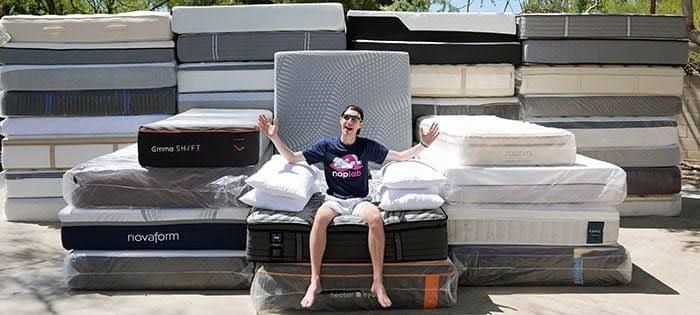
Physical sleep quality is not just a matter of subjective comfort; it is a measurable biomechanical process. When evaluating the structural dynamics of puffy mattress versus Leesa, we are looking at how spinal alignment impacts your nervous system. If your mattress does not support your frame, your muscles remain tense throughout the night to protect your spine. This physical stress triggers your sympathetic nervous system—the “fight-or-flight” response.
When the sympathetic nervous system is active during sleep, your heart rate remains elevated, and your Heart Rate Variability (HRV) drops. HRV measures the variations in time between consecutive heartbeats and is regulated by your autonomic nervous system. A higher HRV during sleep indicates that your parasympathetic nervous system (the “rest-and-digest” mode) is in control, allowing your cardiovascular system to recover. Selecting a mattress that optimizes puffy vs leesa comfort is a crucial step toward achieving higher overnight HRV and deeper sleep cycles.
How Do Sleep Stages Reflect Your Recovery?
During a healthy night, your body transitions through three distinct sleep stages: Light, Deep, and REM sleep. Deep sleep is when cellular repair, tissue growth, and physical recovery occur. If your mattress causes pressure points on your hips and shoulders, your body will constantly shift to relieve the pain, waking you up and shortening your deep sleep. REM sleep is essential for emotional balance and memory consolidation. By using a dedicated biometric tracker, you can see exactly how a change in your sleeping surface improves these critical recovery phases.
For many of us, the problem is not a lack of interest in health data—it is feeling overwhelmed by complex, hard-to-read charts. Furthermore, wearing a bulky, screen-heavy smartwatch to sleep is often counterproductive. The bright screen can turn on when you roll over, and receiving constant notifications can make it harder to wind down, leading to frustration with your bedtime routine.
This is where the Herz P1 Smart Ring offers an elegant, screen-free solution. Made from ultra-lightweight titanium, it fits comfortably on your finger, allowing you to sleep naturally without bulky devices on your wrist. It features medical-grade sensors that monitor your heart rate, Sleep Stages, and HRV overnight, translating these complex metrics into an intuitive, easy-to-read Daily Recovery Score. Best of all, it is entirely subscription-free, meaning you own all your health data without any recurring monthly fees.
Overcoming the 3 AM Awakening: Screen-Free Tracking for Mind and Body
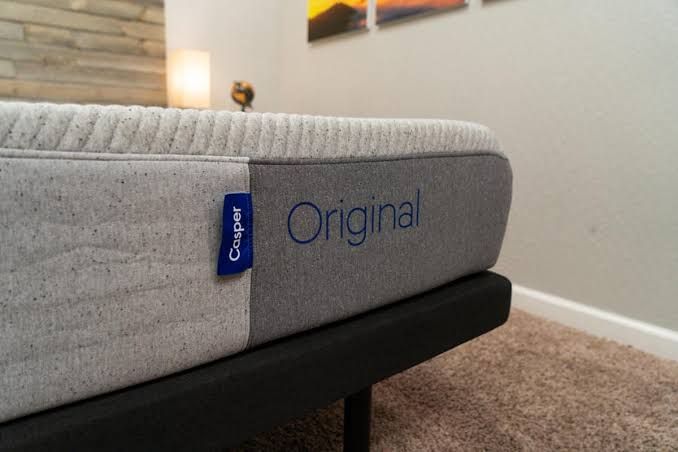
We have all experienced it: waking up at 3 AM with a racing mind, feeling unable to fall back asleep. In these moments of frustration, looking at a smartwatch screen can make sleep anxiety worse. Seeing the time displayed in bright blue light triggers a stress response, making your mind race even faster. This cycle of non-restorative sleep leads to morning brain fog, heavy limbs, and a reliance on caffeine to get through the day.
To break this cycle, establishing excellent sleep hygiene is essential. This includes keeping screens out of the bedroom, maintaining a cool sleeping environment, and choosing a supportive mattress based on a detailed puffy vs leesa review. But to really understand if these changes are working, you need reliable sleep data. Traditional smartwatches fail here—they are bulky to wear in bed, require daily charging, and often hide your metrics behind expensive subscription paywalls.
Why Choose the Herz P1 Smart Ring?
The Herz P1 Smart Ring is a premium, subscription-free tracking device designed to quietly monitor your sleep. Crafted from durable titanium, it is so light you will forget you are wearing it. By measuring your Sleep Stages (REM, Deep, Light) and overnight HRV, it provides a clear picture of your rest without distracting screens or high monthly fees. It is the perfect screen-free companion for anyone looking to reclaim their sleep, reduce daily stress, and optimize physical recovery.
When you are adjusting your lifestyle, trying a new mattress, or fine-tuning your bedtime habits, the Herz P1 Smart Ring provides the objective feedback you need. Instead of guessing how well you slept, you can check your ring’s app in the morning to see your daily Recovery Score. By reviewing these trends over time, you can clearly see if your new sleeping setup is helping you wake up refreshed and fully recovered.
Disclaimer: Results may vary depending on individual physical activity levels, unique health conditions, and daily tracking patterns. The information contained in this article is for educational and informational purposes only and is not intended as medical advice. Always consult with a qualified healthcare professional before making changes to your physical routine or health tracking tools.
