

Are PTSD and Sleep Apnea Quietly Feeding Off Each Other?
Wake up with a racing mind and dry mouth at 3 AM? The overlap between ptsd and sleep apnea is a scientifically documented cycle where trauma and breathing issues reinforce each other. At Mind Body Dan, we explore how tracking biometrics with the screen-free Herz P1 Smart Ring helps break this exhausting cycle.
Take Back Your Sleep.
Take Back Your Life.
- Fall asleep faster & sleep deeper
- Stop waking up in the middle of the night
- Wake up refreshed & full of energy
Key Takeaways: Trauma and Nocturnal Breathing
- The Hypervigilant Loop: Trauma alters brainstem breathing centers, while nighttime oxygen drops keep the sympathetic nervous system on high alert.
- Disrupted Sleep Architecture: Both challenges fragment REM and Deep Sleep, leaving you exhausted despite spending eight hours in bed.
- Biometric Visibility: Monitoring objective metrics like HRV (Heart Rate Variability) and Resting Heart Rate can help you understand your recovery patterns without triggering screen-based sleep anxiety.
Table of Contents
Decoding the Connection: Is There a Link Between PTSD and Sleep Apnea?

Quick Answer
Yes, there is a profound, bidirectional biological link. The short answer is that post-traumatic stress disorder and obstructive sleep apnea frequently reinforce one another through chronic physical stress, hyperarousal, and upper airway instability. However, to choose the right tracking tools or behavioral interventions, you must understand how your body reacts to these nighttime interruptions. Understanding ptsd and sleep apnea dynamics is the first step toward reclaiming your physical energy and mental peace.
The Neurobiology of a Nighttime Trap
When we look at the question, does ptsd cause sleep apnea, the scientific answer points directly to the central nervous system. Trauma changes how the brain handles stress, keeping the body’s sympathetic nervous system in a state of chronic, low-grade hyperarousal. This state increases levels of cortisol and adrenaline, which can alter respiratory stability during sleep.
At the same time, we must consider the mechanical aspect of sleep apnea caused by ptsd. Chronic stress and anxiety often lead to physical changes, such as elevated upper airway muscle tension during the day, which then fatigues those same muscles at night. When you fall asleep, these overworked airway muscles relax excessively, causing partial or complete blockages.
This creates a challenging cycle:
- Hyperarousal: Chronic trauma-related stress alters normal sleep breathing patterns and weakens airway stability.
- Airway Collapse: Airway blockages cause blood oxygen levels to drop (hypoxia).
- Adrenaline Spike: The brainstem senses this drop and triggers an emergency survival response, waking you up with a racing heart and mind.
- Trauma Reinforcement: This sudden rush of adrenaline can trigger nightmares or panic, reinforcing your trauma symptoms.
This continuous loop means that struggling with both conditions is not just a psychological challenge; it is a physical, biological stress cycle.
Who Should Monitor Their Sleep Patterns?
Recommended For: Individuals experiencing unexplained morning headaches, daytime fatigue, chronic 3 AM awakenings, or low heart rate variability (HRV) trends. It is helpful for those who want to see how lifestyle adjustments or medical therapies are supporting their recovery.
Not Ideal For: Those seeking an immediate medical diagnosis. Wearables do not replace a clinical overnight sleep study (polysomnography), which is still the gold standard for clinical evaluations.
A Calm Approach to Sleep Monitoring
Breaking this cycle requires a calm approach to sleep hygiene. Many of our readers share that traditional smartwatches actually make their sleep anxiety worse. Waking up in the night to a bright, buzzing screen can trigger a stress response, making it even harder to fall back asleep.
This is why we focus on screen-free, distraction-free options like the Herz P1 Smart Ring. Made of lightweight, durable titanium, this ring tracks sleep patterns, oxygen levels, and heart rate variability (HRV) without any screens or glowing lights. It translates complex body signals into a simple, daily Recovery Score, helping you track your progress without the stress of constant notifications.
— Team Mind Body Dan Biometric Science Review
Frequently Asked Questions
Q: Does trauma directly cause sleep apnea?
While trauma itself does not physically block your airway, the chronic nervous system stress and muscle tension associated with trauma can disrupt normal breathing patterns, contributing to airway collapse at night.
Q: Why do I wake up gasping for air at 3 AM?
When your airway collapses during sleep, your brain triggers an emergency adrenaline response to restore breathing. This sudden surge of adrenaline can wake you up feeling panicked, with a racing mind and heart.
Q: Can a smart ring diagnose a sleep disorder?
No, smart rings and other wearables are designed to track sleep trends and trends in your overall wellness. They cannot provide a medical diagnosis, which requires a clinical sleep study guided by a medical professional.
Q: How does tracking my HRV help with recovery?
Heart Rate Variability (HRV) measures the balance in your autonomic nervous system. A rising HRV trend suggests that your body is recovering well and spending more time in a relaxed state, which is a helpful indicator when managing managing ptsd and sleep apnea symptoms.
The Biometric Toll: How Trauma and Airway Blockages Disrupt Sleep Stages
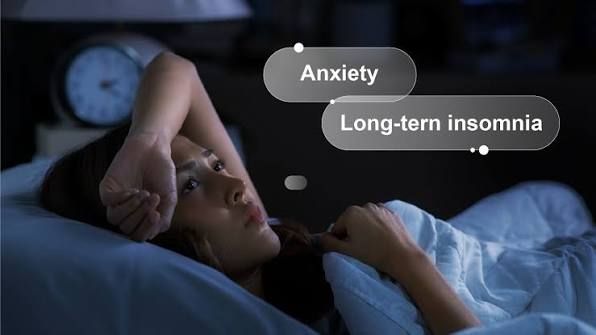
To truly understand the physical impact of the ptsd and sleep apnea connection, we have to look at what happens to your sleep stages. A healthy night of sleep moves through a natural rhythm of Light, Deep, and REM sleep. When trauma and breathing issues interact, this pattern is often disrupted.
The Interruption of Deep and REM Sleep
Deep sleep is when your body focuses on physical recovery, tissue repair, and system restoration. When sleep apnea occurs, frequent drops in oxygen level trigger micro-arousals, pulling you out of deep sleep and back into light sleep. This means you may spend eight hours in bed but get very little actual deep, restorative rest.
REM (Rapid Eye Movement) sleep is where your brain processes emotions and integrates daily memories. For those unraveling ptsd and sleep apnea challenges, REM sleep can become a source of stress rather than recovery. Airway collapses during REM can trigger vivid, distressing dreams, leaving you waking up with a racing mind and a strong feeling of morning brain fog.
Understanding Your Body’s Autonomic Balance (HRV)
Your autonomic nervous system is split into two parts: the sympathetic branch (the “gas pedal” or fight-or-flight response) and the parasympathetic branch (the “brakes” or rest-and-digest response).
Heart Rate Variability (HRV) measures the small variations in time between each heartbeat. A higher HRV suggests that your body is adaptable and resting well. A lower HRV typically points to physical or mental stress, showing that the “gas pedal” is still pushed down.
For those managing the physical toll of trauma and sleep issues, HRV is often consistently low. Waking up gasping for air keeps the body in survival mode, preventing your heart rate from lowering naturally overnight. This lack of recovery is why many feel completely exhausted in the morning, even after a full night’s sleep.
How Biometric Tracking Supports Recovery
By checking your weekly biometric trends, you can see how your body is responding to recovery strategies. For example, if you notice your nighttime resting heart rate lowering and your HRV gradually improving, it is a encouraging sign that your nervous system is starting to find balance.
The challenge with many modern tracking devices is their design. Traditional smartwatches can feel bulky on your wrist, and vibrating notifications or glowing screens can trigger a sense of hypervigilance at night.
This is where the design of a smart ring excels. The titanium casing of the Herz P1 is lightweight and unobtrusive, making it comfortable to wear through the night. Because there are no screens to glow or buzz, you can gather clear sleep data and receive a daily Recovery Score without the distraction of technology in your bedroom.
Practical Recovery Paths: From Clinical Solutions to Screen-Free Monitoring

Managing both trauma and breathing issues requires a balanced, dual-track approach. Because these challenges affect both your physical breathing and your nervous system, recovery strategies should address both areas.
A Dual-Track Recovery Approach
When coping with ptsd and sleep apnea, it helps to combine respiratory support with nervous system care:
- Airway Support: For moderate to severe airway blockages, clinical therapies like CPAP (Continuous Positive Airway Pressure) help keep the airway open, preventing oxygen drops and sudden nighttime awakenings.
- Nervous System Care: Somatic experiencing, cognitive behavioral therapy, and daily mindfulness exercises help soothe the hyperactive amygdala, supporting calmer breathing patterns.
- Comfortable Habits: Gentle practices like sleeping on your side, using supportive pillows, and avoiding caffeine or heavy meals late in the day can make a meaningful difference.
The Role of Screen-Free Wellness Tracking
As you implement these changes, tracking your body’s response helps you understand what is working. Seeing positive shifts in your sleep stages and heart rate variability provides comforting feedback on your journey toward recovery.
However, keeping a smartphone on your nightstand or wearing a glowing screen can work against these efforts. The blue light from screens suppresses melatonin production, and notifications can easily disrupt a quiet mind.
This is why screen-free wellness tracking is a gentle alternative. A device like the Herz P1 Smart Ring collects your sleep stages and heart rate variability data quietly through the night. The next day, you can check your simple Recovery Score, letting you monitor your progress without subscription fees or screen distractions.
Take a Screen-Free Approach to Reclaiming Your Rest
Ready to understand your sleep trends without the distraction of glowing screens and daily charging? Discover how a subscription-free titanium ring can support your wellness journey.
Reclaiming comfortable, restorative sleep is a gradual process. By combining clinical care, calming sleep habits, and gentle, distraction-free tracking, you can help your nervous system feel safe again. Understanding your sleep trends is a supportive step toward recovering from ptsd and sleep apnea challenges, helping you wake up feeling rested and ready for the day ahead.
Disclaimer: Results may vary depending on individual physical activity levels, unique health conditions, and daily tracking patterns. The information provided is for educational and wellness tracking purposes and does not substitute for professional medical advice, clinical evaluations, or sleep disorder support.
