

Why Can’t I Sleep Before My Period? Understanding PMS and Insomnia and How to Reclaim Your Nightly Rest
Tossing and turning right before your cycle begins? The link between pms and insomnia is driven by sudden hormonal shifts that disrupt sleep architecture. Tracking these monthly biometric trends with a screen-free wearable like the Herz P1 Smart Ring offers a clear path to reclaiming your rest.
Take Back Your Sleep.
Take Back Your Life.
- Fall asleep faster & sleep deeper
- Stop waking up in the middle of the night
- Wake up refreshed & full of energy
- The Hormonal Root: Sudden drops in progesterone and estrogen during the late luteal phase trigger a cascade of changes, directly linking pms and insomnia.
- Thermal Disruption: Elevated core body temperature before your period blocks the natural cooling process required for deep sleep transition.
- The Wearable Solution: Utilizing screen-free biometric tracking tools allows you to plan your recovery around your cycle without sleep-disrupting blue light.
- Practical Protocols: Leveraging cycle-syncing hygiene, thermal management, and stress reduction can naturally soothe your pre-period sleep struggles.
The Science of Hormones and Sleep: Demystifying PMS and Insomnia

Quick Answer: Yes, hormonal fluctuations are directly responsible for cyclical sleep disturbances during your menstrual cycle. The short answer is that the dramatic drop in progesterone and estrogen right before your period alters your body’s thermoregulation and melatonin production. However, to choose the right sleep-support strategies, you need to understand how these hormones interact with your unique sleep architecture and biometric trends.
For millions of women worldwide, the week leading up to a period is marked by an exhausting paradox: you feel physically drained and completely depleted, yet the moment your head hits the pillow, your mind races, and sleep remains entirely out of reach. This frustrating reality is not a personal failure of willpower or a sign of poor sleep hygiene. It is a highly documented physiological phenomenon deeply rooted in the biological connection between pms and insomnia.
To understand why this happens, we must look at the second half of the menstrual cycle, known as the luteal phase. After ovulation occurs, your body ramps up its production of progesterone—a hormone naturally designed to promote feelings of calm, relaxation, and sleepiness. Progesterone interacts with gamma-aminobutyric acid (GABA) receptors in the brain, behaving much like a natural sedative.
However, in the days immediately preceding your period, if pregnancy has not occurred, both progesterone and estrogen levels plummet off a biological cliff. This rapid, steep decline can trigger a mild form of acute withdrawal in the brain, resulting in heightened anxiety, a racing mind, and a significant disruption in your ability to wind down. This hormonal nosedive makes pms and insomnia a recurring monthly challenge for many, leading directly to why am I so tired during the day yet wide awake at night.
Furthermore, these rapid hormonal shifts directly interfere with your body’s internal thermostat. Estrogen promotes heat loss and helps lower your baseline body temperature, which is essential for initiating deep, restorative sleep. As estrogen decreases and progesterone declines, your core body temperature can rise by up to a full degree Fahrenheit. This elevated temperature acts as a biological barrier, making it incredibly difficult for your body to transition into the deeper stages of sleep. The result is the classic experience of insomnia before period, leaving you feeling frustrated, hot, and exhausted by 3 AM.
Your body must drop its core temperature by about 2°F (1°C) to fall asleep and access deep sleep stages. During the late luteal phase, the elevated baseline temperature caused by hormonal shifts prevents this cooling cycle, trapping you in a state of light, fragmented sleep and causing frequent 3 AM awakenings.
When to Suspect Hormonal Sleep Disruption
It can be challenging to differentiate between general stress-induced sleep issues and genuine pms and insomnia. Our team at Mind Body Dan suggests looking for these distinct signs that point directly to a cyclical hormonal origin:
- Your sleep issues consistently occur 7 to 10 days before your period starts and resolve almost immediately once your bleeding begins.
- You experience a sudden onset of difficulty sleeping period despite maintaining your usual sleep routine and schedule.
- You wake up frequently in the middle of the night drenched in sweat, feeling overly warm, or experiencing intense night sweats.
- You experience profound daytime sleepiness, severe brain fog, and irritability that peaks during the late luteal phase.
If your sleep struggles persist throughout the entire month regardless of your cycle phase, you may be dealing with chronic insomnia or elevated daily stress, rather than localized pms insomnia. Recognizing these patterns is crucial for determining the most effective course of action.
How a Screen-Free Smart Ring Helps Navigate the Luteal Phase
To successfully navigate the monthly onset of pms and insomnia, having objective, personalized biometric data is invaluable. However, traditional smartwatches present significant operational and sensory challenges. Many women find bulky wrist trackers highly uncomfortable to wear to bed, especially during the luteal phase when breast tenderness and physical bloating are common. Furthermore, the constant light emissions, buzzing notifications, and bright screens of smartwatches only serve to stimulate a brain that is already hyper-aroused by a drop in progesterone.
This is where a screen-free, ultra-lightweight titanium wearable like the Herz P1 Smart Ring becomes a true wellness companion. Designed to sit elegantly and comfortably on your finger, it completely removes the distraction of glowing screens and intrusive vibrations. By utilizing medical-grade sensors, the Herz P1 tracks key metrics such as Sleep Stages (REM, Deep, Light), Heart Rate Variability (HRV), resting heart rate, and temperature trends. It translates these complex biometric data points into a clear, actionable Recovery Score without any overwhelming graphs.
Best of all, the Herz P1 is completely free of subscription fees—meaning you buy the hardware once and own all your valuable sleep data forever, escaping the industry trend of monthly subscription fatigue. You get a comfortable, long-battery-life device that tracks your body’s subtle hormonal whispers without adding to your sensory load.
— Team Mind Body Dan
Hormonally Minded Sleep FAQs
Q: Why does my resting heart rate increase before my period?
A: The rise in progesterone during your luteal phase slightly increases your metabolic rate and places a mild physiological load on your cardiovascular system, which naturally raises your resting heart rate. Tracking this with a smart ring helps confirm when you have entered this phase.
Q: Can melatonin help with PMS and insomnia?
A: While melatonin can support sleep onset, hormonal sleep issues are primarily driven by temperature regulation and progesterone drops. Focus on cooling your environment and tracking your understanding sleep stages to see if your deep sleep is actually improving.
Q: How does a drop in estrogen affect sleep quality?
A: Estrogen helps regulate serotonin and melatonin pathways. When estrogen plummets, it can cause mood fluctuations and make it much harder to stay asleep, contributing to what is commonly known as insomnia during period.
How Hormonal Fluctuations Disrupt Biometric Recovery
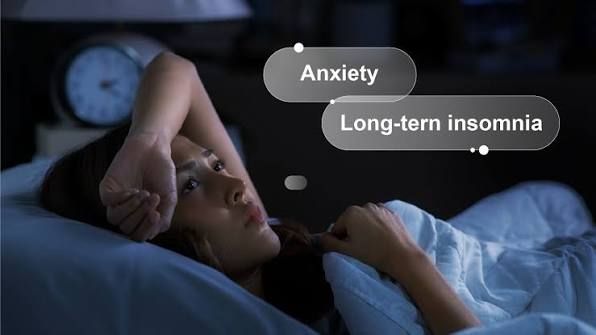
The impact of hormonal shifts goes far beyond simply feeling awake at night. These biological changes leave a clear signature on your cardiovascular and nervous systems, which directly affects your overall recovery and daily energy. When you are navigating pms and insomnia, your body is in a state of heightened autonomic stress. This stress is directly reflected in your Heart Rate Variability (HRV)—a key biometric indicator of how well your autonomic nervous system is balanced between the “fight or flight” (sympathetic) and “rest and digest” (parasympathetic) branches.
Under normal conditions, a higher HRV is a sign of a highly resilient, well-rested body that is ready to take on the day. Conversely, a lower HRV indicates that your nervous system is under stress and focused on recovery. During the late luteal phase, the hormonal drop causes the sympathetic nervous system to dominate. As a result, many women experience a dramatic decline in their baseline HRV, accompanied by an elevated resting heart rate.
This biological stress explains why, when struggling with pms insomnia, you can sleep for eight full hours yet still wake up feeling as though you barely slept at all. The underlying hormonal stress prevents you from spending enough time in deep and REM sleep stages, leaving you in a chronic state of non-restorative sleep. Over time, this lack of restorative sleep accumulates, leading to persistent brain fog, afternoon energy crashes, and a reliance on caffeine and sugary snacks to push through the day.
Furthermore, when experiencing period insomnia, many individuals report waking up suddenly at 3 AM with a racing mind and a feeling of intense heat. Because your body temperature naturally peaks during this time of your cycle, your circadian rhythm becomes disrupted. This disruption leads to a spike in cortisol—your primary stress hormone—in the middle of the night, making it incredibly difficult to fall back asleep. Understanding these cardiorespiratory and biometric connections is a key step toward finding real, sustainable relief from pms and insomnia.
By tracking your HRV and recovery trends across several cycles, you can learn to anticipate when your body enters its high-stress luteal phase. Instead of feeling frustrated by sudden unexplained fatigue, you can view it as a predictable, biological event and proactively adjust your training, work, and sleep routines accordingly.
Without objective data, it is easy to fall into a cycle of self-blame, wondering why your usual wellness habits suddenly seem to stop working for a week out of every month. By leveraging a high-quality wearable, you can transform vague feelings of frustration into clear, actionable, and data-informed wellness strategies. Rather than relying on bulky, bright smartwatches that require constant charging and disturb your sleep, a modern screen-free smart ring provides a seamless, comfortable way to gather these essential insights quietly in the background.
Practical Strategies and Screen-Free Tracking to Beat Period Insomnia
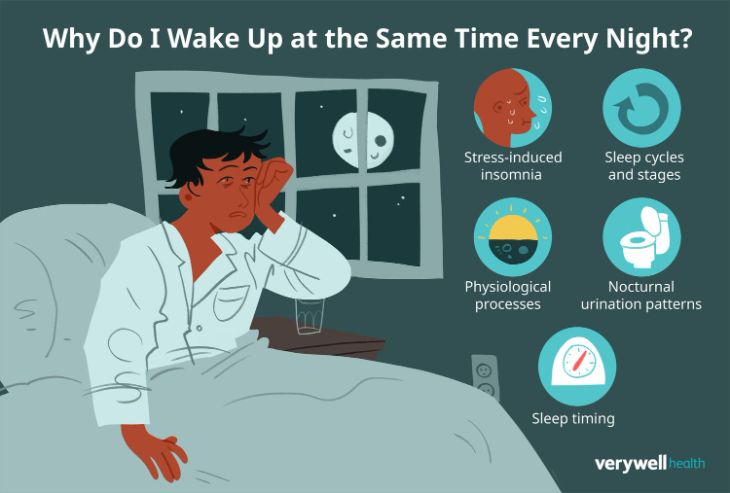
While the hormonal currents driving pms and insomnia are powerful, you are far from powerless. By combining targeted physiological sleep protocols with comfortable, screen-free biometric tracking, you can significantly reduce the impact of these monthly sleep disruptions and reclaim your nights.
First and foremost, managing your thermal environment is absolutely essential when dealing with pms and insomnia. Because your baseline body temperature is elevated during the late luteal phase, you must take active steps to keep your sleeping environment cool. We recommend lowering your bedroom thermostat to between 60°F and 67°F (15°C to 19°C). Additionally, consider opting for highly breathable bedding made from natural fibers like bamboo, linen, or eucalyptus, which excel at wicking away moisture and regulating body temperature far better than synthetic polyesters.
Nutrition and supplement timing also play a powerful role in stabilizing hormonal sleep issues. Incorporating magnesium glycinate into your evening routine during the week leading up to your period can be highly beneficial. Magnesium naturally supports GABA pathways in the brain, helping to quiet a racing mind and ease the physical muscle tension that often accompanies PMS. It is also wise to minimize alcohol and caffeine intake during the afternoon and evening hours of your luteal phase, as both substances further disrupt your REM sleep and can trigger nighttime hot flashes.
Why a Screen-Free Bedroom is Essential for Luteal Sleep
During your luteal phase, your brain is already working with lower levels of serotonin and melatonin. Exposing your eyes to the blue light of smartphones, tablets, or smartwatches further suppresses melatonin production, making it virtually impossible to fall asleep easily. A screen-free environment is your best defense against hormonal sleep disruptions.
Embracing a dedicated screen-free sleep hygiene routine is a highly effective way to support your nervous system when dealing with pms and insomnia. Staring at bright screens or checking the time on a smartwatch when you wake up at 3 AM triggers an immediate release of cortisol, signaling to your brain that it is time to be awake. By keeping screens entirely out of your sleeping space, you can encourage your mind to stay in a quiet, relaxed, and sleep-ready state.
This is where the unique design philosophy of the Herz P1 Smart Ring truly shines. Traditional wearables often worsen sleep anxiety by flashing bright screens, vibrating with notifications, or presenting overwhelming amounts of complex data. The Herz P1 provides a beautifully elegant, screen-free, and subscription-free alternative. Crafted from ultra-lightweight titanium, it is so comfortable you will completely forget you are wearing it.
The ring silently tracks your sleep stages, HRV, resting heart rate, and temperature variations throughout the night. It translates these complex biometric data points into a single, intuitive Daily Recovery Score, helping you understand how your cycle is affecting your body without the added stress of daily device charging or hidden monthly fees. While the Herz P1 does not display real-time screen notifications—a deliberate choice to protect your mental focus and sleep hygiene—it syncs seamlessly with its dedicated app on your phone, allowing you to review your sleep trends whenever you are ready to start your day.
To further optimize your hormonal recovery, consider implementing these supportive daily habits:
- Practice 5 to 10 minutes of deep diaphragmatic breathing or progressive muscle relaxation right before bed to help calm your nervous system.
- Ensure you get 10 to 15 minutes of natural sunlight exposure early in the morning to support your natural circadian rhythm optimization.
- Engage in gentle, restorative exercise, such as yoga, Pilates, or light walking during your luteal phase, rather than high-intensity workouts that can elevate cortisol levels when your body is already under physical stress. Learn more about balancing your physical efforts by understanding what is a good recovery score during this phase.
- Establish a consistent wind-down routine that includes reading a physical book, journaling, or taking a warm bath to encourage natural temperature cooling afterward. Learn more about supportive practices with our guide on stress management for sleep.
- Focus on cycle-aware nutrition by incorporating complex carbohydrates in your evening meals during your luteal phase, which can help support serotonin production and promote better sleep. This is closely tied to maintaining balanced hormones and cardiovascular health.
By blending these scientifically validated sleep hygiene practices with the comfortable, screen-free monitoring of the Herz P1 Smart Ring, you can transition from feeling frustrated and overwhelmed to feeling fully informed and in control. Reclaiming your rest and optimizing your recovery is entirely possible when you work in harmony with your body’s natural hormonal cycles.
Disclaimer: Results may vary depending on individual physical activity levels, unique health conditions, and daily tracking patterns. The content provided in this article is for informational and educational purposes only and is not intended as medical advice. The Herz P1 Smart Ring is a wellness tracking device designed to monitor and track general health trends and does not treat, diagnose, or prevent any physical conditions.
