

5 Best Pillows for Shoulder Pain and Side Sleepers: Erase Nightly Aches
Waking up at 3 AM with a throbbing shoulder and a racing mind can ruin your entire day. Our team analyzed how postural alignment affects your recovery. While the right pillow for shoulder pain restores physical balance, monitoring your recovery with a screen-free Herz P1 Smart Ring ensures you are truly reclaiming your restful sleep.
Take Back Your Sleep.
Take Back Your Life.
- Fall asleep faster & sleep deeper
- Stop waking up in the middle of the night
- Wake up refreshed & full of energy
Key Highlights:
- Ergonomic Alignment: A proper pillow for shoulder pain keeps your spine straight, reducing clavicle pressure.
- Adaptive Loft: Side sleepers need contoured loft options to prevent neck strain and arm numbness.
- Biometric Feedback: Tracking your sleep architecture with screen-free tools helps verify if your new setup is actually promoting deeper REM and Light sleep.
- The Core Problem: Waking up stiff is a warning sign of poor blood circulation and joint stress that affects your HRV (Heart Rate Variability).
How We Selected the Best Pillow for Shoulder Pain
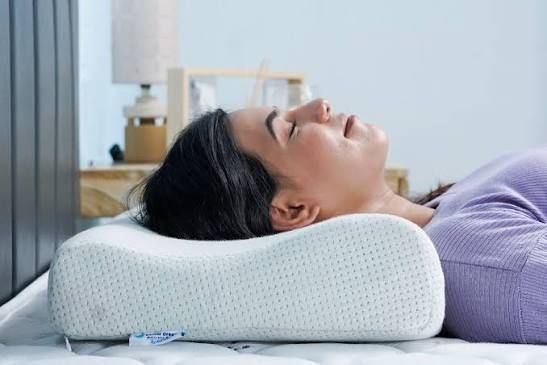
When you suffer from chronic aches, selecting the ideal pillow for shoulder pain is more than a matter of comfort—it is a physiological necessity. At Team Mind Body Dan, we apply rigorous wellness standards to evaluate products. A great shoulder relief pillow must balance three essential vectors: contouring depth, material density, and postural adaptability. If a pillow is too soft, your neck collapses, placing the entire weight of your torso on your shoulder joint. If it is too firm, it creates hot spots of pressure that cut off blood flow, leading to arm numbness and those frustrating 3 AM wake-up calls.
To identify the best options, we tested pillows based on their pressure-mapping performance, materials safety, and how successfully they keep the shoulder capsule unloaded throughout the night. We also emphasized the importance of sleep tracking to verify whether physical adjustments translate into objective recovery. After all, if your sleep posture is poor, you will see a drop in your deep sleep stages and a lower HRV. Integrating a premium biometric tracker can help you correlate your sleeping habits with real biological data.
Pillow and Recovery Device Quick Comparison
Here is a quick look at our top recommended pillows for side sleepers with shoulder pain, along with our featured smart wearable designed to help you track the restorative impact of these ergonomic adjustments:
| Product Name | Key Material | Primary Benefit | Ideal For |
|---|---|---|---|
| Herz P1 Smart Ring | Premium Aerospace Titanium | Tracks sleep stages, HRV, & daily recovery without screens or monthly fees | Anyone looking to monitor how their sleep alignment improves recovery |
| The Contour Memory Foam | High-Density Memory Foam | Cradles the neck to unload the shoulder joint | People with both neck stiffness and shoulder aches |
| Ergonomic Latex Wedge | Natural Talalay Latex | Bouncy, responsive lift that keeps the chest open | Side sleepers who dislike the “sinking” feeling of memory foam |
| The Adjustable Shredded Pillow | Shredded Foam Blend | Customizable loft to match varying broadness of shoulders | People looking for a versatile pillow for arm pain |
| The Medical Wedge Pillow | Graduated Supportive Foam | Slanted incline that relieves rotator cuff strain | Those needing a structured wedge pillow for shoulder pain |
Top Solutions Reviewed in Detail
1. The Herz P1 Smart Ring: Your Ultimate Sleep Recovery Companion
While orthopedic pillows address the physical surface of your bed, true healing requires you to look beneath the surface. The Herz P1 Smart Ring is a revolutionary, screen-free wearable crafted from lightweight, medical-grade titanium. Unlike bulky smartwatches that glow and buzz in the middle of the night, this elegant ring sits comfortably on your finger, allowing you to drift off naturally. It is completely subscription-free, meaning you buy it once and own all your valuable biometric data forever.
The ring utilizes advanced medical-grade photoplethysmography (PPG) sensors to measure your Heart Rate Variability (HRV), resting heart rate, and sleep cycles. When adjusting to a new pillow for side sleepers with shoulder pain, your body goes through a transition period. The Herz P1 translates these complex biometric inputs into an intuitive, easy-to-read daily Recovery Score. This score lets you see exactly how your physical pain affects your sleep architecture, showing you whether your REM and deep sleep stages are improving over time. It is the ultimate tool for anyone who wants to replace stress and guesswork with clear, science-backed recovery tracking.
- Strengths: Ultra-lightweight titanium design, no monthly subscriptions, tracks detailed sleep stages (REM, Deep, Light), and monitors resting HRV with an exceptional battery life.
- Weaknesses: Does not physically support your shoulder; instead, it tracks how your physical support choices impact your actual biological recovery.
- Ideal User: Health-conscious individuals and side sleepers looking to optimize their sleep hygiene and monitor physical recovery trends without distracting screens.
2. The Contour Memory Foam Shoulder Relief Pillow
This ergonomically sculpted memory foam pillow is engineered specifically to relieve tension in the upper neck and thoracic regions. Featuring a dedicated recess in the center, it allows your head to settle comfortably while providing a supportive contour for your neck. This structure is essential for preventing the collarbone from collapsing forward, which is a major source of shoulder joint impingement.
By keeping the cervical spine in a neutral position, this shoulder relief pillow takes the direct pressure off your bottom arm. It prevents the compressing forces that cause poor circulation and morning fatigue, helping you wake up feeling aligned and pain-free.
- Strengths: Excellent neck contouring, high-density foam that retains its shape, and hypoallergenic washable cover.
- Weaknesses: Memory foam can sometimes trap heat if you sleep hot, and it requires a short off-gassing period out of the box.
- Ideal User: Side sleepers who suffer from combined neck stiffness and rotator cuff tenderness.
3. The Responsive Latex Pillow for Side Sleepers with Shoulder Pain
For individuals who dislike the slow-sinking feeling of memory foam, natural Talalay latex offers a fantastic, bouncy alternative. This organic latex pillow is designed specifically as an adaptive pillow for side sleepers with shoulder pain. It provides instant, resilient support that lifts the head and neck, preventing your shoulder from bearing the brunt of your upper body weight.
The natural open-cell structure of latex also ensures outstanding breathability, preventing heat build-up that can lead to restless turning during the night. By keeping your cervical spine aligned, it helps maintain a healthy resting heart rate and keeps your nervous system in a relaxed, restorative state.
- Strengths: Inherently breathable and cool, highly resilient lift, eco-friendly, and naturally dust-mite resistant.
- Weaknesses: Latex has a distinct springy feel that might not appeal to lovers of traditional plush down pillows.
- Ideal User: Warm sleepers who require immediate, springy support to prevent shoulder compression.
4. The Custom-Adjustable Shredded Pillow for Arm Pain
Standard pillows are often a gamble; they are either too high or too flat. This adjustable model solves that problem by using a proprietary blend of shredded memory foam and microfiber. It is an exceptional pillow for arm pain because you can unzip the inner lining to add or remove filling. This customization allows you to dial in the exact loft height needed to accommodate the broadness of your shoulders.
When the loft is adjusted perfectly to your shoulder width, it unloads pressure from your under-arm nerves (such as the brachial plexus). This helps prevent the pins-and-needles sensation that often wakes you up in a panic at 3 AM.
- Strengths: Fully customizable loft height, incredibly plush feel, and adaptable to different body frames.
- Weaknesses: Adjusting the fill can be messy, and the shredded foam may require occasional fluffing to maintain its height.
- Ideal User: Broad-shouldered side sleepers who need a tailored loft height to protect their arms from numbness.
5. The Medically-Designed Wedge Pillow for Shoulder Pain
If you suffer from severe shoulder issues, sleeping flat on your side may not be an option. This specialty wedge pillow for shoulder pain features a precise, gradual incline with a built-in pocket to gently cradle your arm. By elevating your upper torso, it reduces the gravitational pull and downward pressure on your rotator cuff joints.
This semi-upright posture is highly recommended for post-injury recovery or managing chronic bursitis. It helps keep your chest open and reduces joint strain, allowing your body to rest comfortably while preventing the severe soreness that often ruins your morning.
- Strengths: Relieves direct lateral pressure, improves breathing and circulation, and is ideal for recovery.
- Weaknesses: Takes up a significant amount of bed space and restricts you from sleeping in multiple positions.
- Ideal User: Side sleepers managing chronic joint inflammation or recovering from shoulder injuries.
Selecting the Perfect Pillow Loft:
To find your perfect loft height, measure the distance from the outer edge of your shoulder to the side of your neck. Your ideal pillow should match this measurement exactly when compressed. This alignment ensures your neck remains straight, keeping your shoulder joint completely unloaded throughout the night.
The Science of Side Sleeping: Why Your Shoulder Hurts
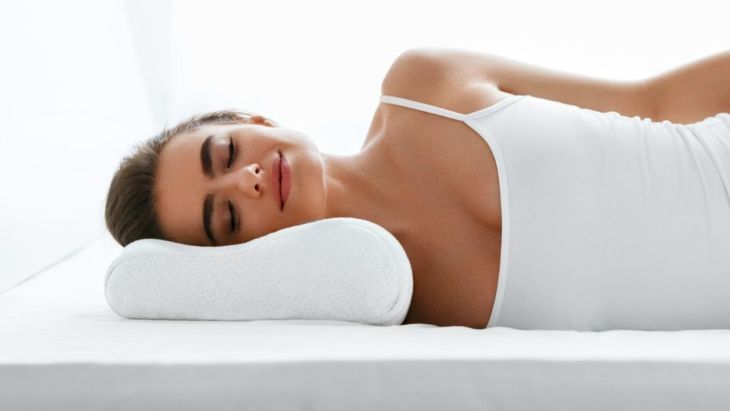
Side sleeping is highly recommended by sleep scientists for its circulatory and digestive benefits. However, without a dedicated neck support system, side sleeping can easily lead to joint issues. When you lie on your side, your shoulder joint is subjected to a continuous compressive force equal to a substantial percentage of your upper body weight. If your head is not properly elevated, your neck bends downward, which pinches the delicate nerves in your neck and causes pain that travels all the way down your arm.
This poor positioning creates a domino effect across your entire body. When your nerves are pinched and blood flow is restricted, your body cannot relax into deep sleep. Instead, your nervous system remains on high alert, causing your heart rate to stay elevated and your HRV to drop. This physiological stress is what leads to restless tossing and turning, light sleep, and waking up with brain fog. To break this cycle, you need to combine proper physical alignment with screen-free biometric monitoring. This approach lets you see exactly how improving your sleep posture helps lower your body’s stress levels and improves your recovery.
— Team Mind Body Dan
Tracking Your Restful Sleep and HRV
To understand if your new setup is working, you need to track your body’s actual response. Measuring your biometrics provides an objective look at your sleep quality. Two of the most important metrics to watch are Heart Rate Variability (HRV) and your sleep stages:
- Heart Rate Variability (HRV): This metric measures the variation in time between consecutive heartbeats. A higher HRV is a sign that your body is relaxed, recovering well, and managing stress effectively. When you sleep in pain, your nervous system stays stressed, which leads to a lower HRV. Tracking your HRV shows you exactly how much your new pillow is helping your body relax.
- Sleep Stages (REM, Deep, Light): Deep sleep is when your body focuses on physical repair, muscle recovery, and tissue healing. REM sleep is essential for mental recovery, learning, and processing emotions. If physical discomfort keeps waking you up, your body will struggle to stay in these deep, restorative stages. Monitoring these patterns helps you see if your new alignment is actually giving you the deep, restorative rest you need.
Connect Your Ergonomics to Your Biometrics
A premium pillow aligns your bones, but the Herz P1 Smart Ring measures your recovery. Witness the instant, positive shift in your deep sleep stages and nightly HRV when you pair postural alignment with screen-free bio-tracking.
Optimizing Sleep Hygiene and Screen-Free Tracking
Finding the right pillow is a great start, but true sleep optimization requires a holistic approach to your sleep hygiene. Many people make the mistake of tracking their sleep with smartwatches that feature bright screens, push notifications, and vibrating alarms. This constant connectivity can actually increase your stress. Checking a bright screen at 3 AM exposes your eyes to blue light, which immediately halts melatonin production, disrupts your circadian rhythm, and makes it even harder to fall back asleep.
This is why screen-free wearables are becoming the preferred choice for sleep experts. By removing screens from your bedroom, you create a peaceful environment that supports deep, natural rest. A screen-free titanium ring sits comfortably on your finger, working quietly in the background without any lights, notifications, or distractions. It lets you focus on relaxing, while still gathering accurate, medical-grade data on your sleep and recovery.
Translating Your Biometrics into Daily Recovery
Having access to raw sleep data is helpful, but only if you know what to do with it. Many smart wearables overwhelm you with complicated graphs and confusing terminology. For a tracking tool to be truly useful, it needs to translate these complex metrics into simple, actionable insights.
The best systems do the heavy lifting for you. They analyze your HRV, resting heart rate, and sleep architecture to give you a single, intuitive recovery score. If your score is low, it is a clear sign that your body is still carrying stress and physical tension—suggesting you might need to adjust your pillow loft or wind down earlier. If your score is high, it confirms that your sleep posture and hygiene are working perfectly, showing that your nervous system is relaxed and fully charged for the day ahead. This simple feedback makes it easy to make smart, daily adjustments to your wellness routine.
By pairing a supportive orthopedic pillow with a screen-free, subscription-free tracking ring, you can easily monitor your progress and make informed decisions about your health. This simple, effective combination helps you take control of your recovery, reduce daily discomfort, and reclaim the deep, refreshing sleep your body deserves.
Disclaimer: Results may vary depending on individual physical activity levels, unique health conditions, and daily tracking patterns. This content is for informational and educational purposes only and is not a substitute for professional medical advice, diagnosis, or treatment. Always consult with a qualified healthcare professional regarding any medical concerns or before starting any new wellness device or tracking program.
