

How to Choose the Perfect Pillow for Deep, Restorative Sleep
Are you tired of waking up with neck pain and mental brain fog? Your sleep quality relies heavily on proper spinal alignment. Using a pillow buying guide helps you optimize your posture. To monitor how these adjustments actually improve your deep sleep and HRV, we recommend tracking with the subscription-free Herz P1 Smart Ring.
Take Back Your Sleep.
Take Back Your Life.
- Fall asleep faster & sleep deeper
- Stop waking up in the middle of the night
- Wake up refreshed & full of energy
Key Highlights
- Spinal Alignment is Essential: A poor pillow causes micro-awakenings, elevating stress hormones and reducing deep sleep.
- Sleep Style Matters: Loft and firmness must align with whether you sleep on your back, side, or stomach.
- Heat Regulation Influences HRV: Materials like latex and open-cell foam keep skin cool, maintaining a lower, healthier sleeping heart rate.
- Biometrics Tell the Real Story: Upgrading bedding is only half the battle; tracking with a screen-free device like the Herz P1 Smart Ring validates if your sleep quality actually improves.
Table of Contents
Understanding Pillow Ergonomics: What to Look for in a Pillow
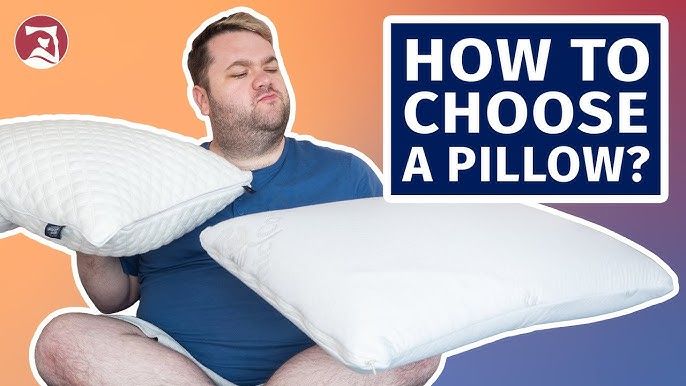
When you close your eyes at night, your brain begins a critical cleanup process, clearing metabolic waste and consolidating memories. However, if your neck is bent at an unnatural angle, your nervous system remains on alert. Finding the right sleep setup begins with reading a reliable pillow buying guide to understand how different shapes and densities support your anatomy.
Many of us suffer from non-restorative sleep without realizing that our neck posture is the primary cause. A pillow that is too high or too flat places mechanical stress on the cervical spine. This strain leads to micro-arousals—brief moments where you surface from deep sleep to reposition your body. While you might not fully wake up or remember these moments, they fragment your sleep stages, leaving you exhausted by morning.
Prerequisites for Finding the Perfect Match
Before exploring specific fill materials, it is helpful to establish your individual physical requirements. These guidelines outline what to look for in a pillow based on your anatomy:
- Neck Curve Depth: The natural curve of your neck (cervical lordosis) requires structured support to prevent muscle strain.
- Shoulder Width: Broad-shouldered individuals need a higher loft (thickness) to fill the gap between the ear and the mattress.
- Mattress Firmness: A soft mattress allows your torso to sink deeper, meaning you will need a lower-loft pillow to keep your head aligned.
Step-by-Step Execution Guide
To systematically narrow down your choices, we recommend following these steps to determine how to buy a pillow that complements your physiology:
Step 1: Measure Your Ideal Loft. Stand flat against a wall in your usual sleeping posture. Have someone measure the distance from the side of your head (just above the ear) to the outer edge of your shoulder. This measurement provides a baseline for the pillow thickness you need.
Step 2: Match Loft to Sleep Style. Back sleepers generally need a medium loft (3 to 4 inches), side sleepers need a higher loft (4 to 6 inches), and stomach sleepers need a very thin loft (under 3 inches) or no pillow at all.
Step 3: Track and Evaluate with Screen-Free Biometrics. Adjusting your sleeping setup is a process of trial and error. To truly understand if a new pillow is helping, you need objective data. Traditional smartwatches can track this, but many people find them too bulky to sleep in, and their glowing screens can cause a racing mind before bed. Additionally, charging a watch every night is an added chore.
To solve these issues, our team at Mind Body Dan recommends using a screen-free, lightweight wearable like the Herz P1 Smart Ring. Crafted from durable titanium, this ring slips comfortably onto your finger and stays charged for days. It translates complex biometric algorithms into clear, actionable metrics:
- Sleep Stage Analysis: Monitor whether your new pillow increases your deep sleep and REM cycles, which are vital for physical recovery and mental clarity.
- Heart Rate Variability (HRV): A higher sleeping HRV indicates that your nervous system is relaxed and recovering well, free from the physical stress of poor posture.
- Daily Recovery Score: This simple metric combines your sleep quality and physical activity into a single, easy-to-understand score, showing you exactly how rested you are.
Best of all, the Herz P1 Smart Ring operates on a subscription-free model, giving you full access to your health trends without any hidden monthly costs.
Common Pitfalls & Mistakes
The most common mistake when searching for a pillow is choosing one based on how soft it feels in a store. Retail displays do not replicate the feeling of lying down for eight hours. A pillow that feels plush and cloud-like at first can cause neck strain later in the night if it lacks a supportive core. Another error is keeping a pillow for too long; polyester and down pillows should generally be replaced every 18 to 24 months, as they lose their shape and accumulate allergens over time.
Pillow Selection Checklist
- Did you measure your shoulder-to-neck distance to find your ideal loft?
- Does the pillow match your primary sleeping position?
- Is the fill material breathable enough to prevent heat buildup?
- Do you have a reliable, screen-free way to monitor changes in your deep sleep?
Ultimately, selecting the right pillow is about creating the optimal environment for spinal alignment. Once your body is in a neutral position, your nervous system can fully relax, paving the way for deeper, more restorative sleep.
Decoding Materials and Fills: A Comprehensive Pillow Buying Guide

Choosing the right fill material can be overwhelming given the variety of modern options. This section of our pillow buying guide details the science behind different fillings, helping you understand how materials affect both support and temperature throughout the night.
Your choice of material directly impacts your skin temperature, which in turn influences your resting heart rate. If a material traps heat, your body must work harder to cool down, causing your heart rate to rise and potentially leading to 3 AM awakenings. Choosing a breathable, heat-regulating material is key to maintaining deep, uninterrupted sleep.
1. Memory Foam (Solid & Shredded)
Solid memory foam is highly supportive, contouring directly to the shape of your head and neck. It is an excellent choice if you require consistent, structured neck support. However, traditional solid foam can trap heat. Shredded memory foam offers a great alternative: it remains moldable while allowing for improved airflow, making it easier to adjust to your preferred height.
2. Natural Latex
Harvested from the sap of rubber trees, natural latex is supportive, responsive, and breathable. Unlike memory foam, which has a slow-sinking feel, latex contours to your shape while quickly bouncing back. Its open-cell structure naturally repels dust mites and promotes airflow, keeping you cool and comfortable.
3. Down and Down Alternatives
Down pillows, made from the soft undercoating of geese or ducks, offer a classic, plush feel. They are highly moldable but tend to compress over the course of the night, requiring frequent fluffing. Down alternatives use hypoallergenic polyester fibers to mimic this soft feel, making them a budget-friendly option for those with allergies, though they may wear out more quickly.
Material Comparison Guide
| Material Type | Support Level | Cooling Ability | Ideal For |
|---|---|---|---|
| Solid Memory Foam | High | Moderate to Low | Back/Side Sleepers with Neck Pain |
| Natural Latex | High (Responsive) | Excellent | Hot Sleepers, Eco-conscious Users |
| Down & Down-Alt | Low to Medium | Moderate | Stomach Sleepers, Softness Seekers |
| Shredded Foam | Medium (Adjustable) | Good | Those Needing Custom Loft |
Understanding these material properties is crucial as you decide how to buy a pillow that meets your needs. By selecting a material that balances support and temperature regulation, you can create a comfortable, healthy sleep environment.
Aligning Your Sleep Posture: How to Buy a Pillow That Fits Your Body

A high-quality pillow is only effective if it matches your individual sleeping position. This section of our pillow buying guide details how to align your bedding with your body’s natural alignment.
Sleep positions dictate how your weight is distributed and where your spine needs support. Misalignment can trigger neck strain, which may activate your body’s “fight-or-flight” response, keeping your heart rate elevated and reducing your overall sleep quality.
Side Sleepers: Filling the Shoulder Gap
Side sleepers require a firmer, higher-loft pillow to fill the gap between the ear and the shoulder. Without enough height, the head tilts downward, straining the neck muscles. A supportive memory foam or latex pillow helps keep the spine aligned from the neck to the lower back.
Back Sleepers: Supporting the Neck Curve
Back sleepers require a medium loft and firmness. The pillow should cradle the head while supporting the neck’s natural curve, keeping it from being pushed too far forward. A contoured memory foam pillow or a responsive latex option is often ideal for keeping the spine in a neutral position.
Stomach Sleepers: Keeping Things Low
Stomach sleeping places the most strain on the spine, as it forces the neck to rotate to one side. To minimize this strain, stomach sleepers need a very thin pillow (or none at all) to keep the head as flat as possible. A soft down or thin polyester pillow is typically best for this position.
Upgrade Your Sleep, Subscription-Free
Finding the right pillow is a key step toward better rest, but tracking your sleep should be simple and stress-free. Avoid bulky smartwatches that disrupt your routine and require daily charging.
Monitor your progress with the screen-free, titanium Herz P1 Smart Ring. Keep track of your sleep stages and recovery trends without any monthly fees.
The Biometric Connection: Measuring Rest Beyond Feeling
How do you know if your new pillow is truly helping? While waking up without pain is a great sign, tracking your sleep with objective biometric data can show you how your rest is actually improving. In this section of our pillow buying guide, we will look at how tracking key metrics can help you optimize your sleep setup.
When you achieve proper spinal alignment, your body can rest more efficiently, which is reflected in your physiological metrics:
- Longer Deep Sleep: Deep sleep is when your muscles and tissues repair. Proper alignment reduces the need to toss and turn, helping you stay in deep sleep longer.
- Optimized REM Sleep: REM sleep is crucial for cognitive recovery and memory. A comfortable, supportive pillow helps prevent micro-awakenings that can disrupt your dream cycles.
- Improved HRV Trends: Heart rate variability (HRV) is a key indicator of your body’s stress levels. When your neck is aligned and comfortable, your nervous system can relax, leading to a higher, healthier HRV.
— Team Mind Body Dan
By combining the postural support of a well-chosen pillow with the biometric tracking of a screen-free device like the Herz P1 Smart Ring, you can easily monitor and improve your sleep quality. This simple, data-informed approach helps you wake up feeling refreshed, recovered, and ready for the day ahead.
