

Navigating metabolic health can feel overwhelming when daily choices like eating a fresh orange spark conflicting advice. If you want to master your body’s response, our comprehensive orange glycemic index guide breaks down the real-world science of citrus fruits, glucose fluctuations, and how the advanced Herz P1 Smart Ring helps you track these physiological shifts effortlessly without invasive finger pricks.
Built to Last. Save Up to 69% Today.
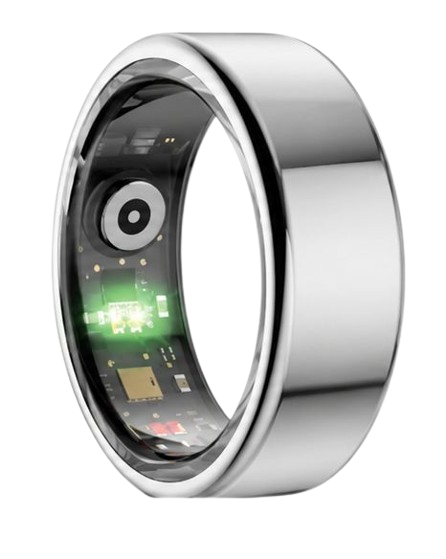
The Herz P1 Smart Ring tracks HRV, Sleep, Heart Rate & SpO2 around the clock. No subscriptions. No renewals. Ever.
In This Article
- Scientific Analysis: How whole oranges impact blood sugar compared to liquid juice alternatives.
- Physiological Impact: The relationship between citrus digestion, systemic glucose curves, and heart rate variability (HRV).
- Practical Tracking: Utilizing advanced biometric smart rings to monitor metabolic health overnight.
- Sizing and Application: Selecting the correct ring fit to ensure uninterrupted sleep architecture analysis.
Does Orange Consumption Spike Blood Sugar? Here’s What the Scientific Data Reveals

To truly understand the metabolic impact of oranges, we must examine the specific mechanics of the orange glycemic index.
Whole fresh oranges possess a moderate glycemic index of approximately 40 to 43, which officially classifies them as a low-GI food.
This means the carbohydrates present in the raw fruit convert to blood glucose at a remarkably slow, controlled rate.
Health-conscious individuals, busy office workers, and those managing metabolic wellness should pay close attention to this metric because it dictates daily energy levels and systemic physiological balance.
When you consume a whole orange, the metabolic processing primarily occurs in the small intestine, where soluble fibers slow down enzymatic carbohydrate breakdown.
This slow absorption prevents the rapid insulin spikes often associated with processed sugary snacks or refined starches.
In contrast, consuming raw citrus fruits late in the evening or on an empty stomach can lead to minor fluctuations that might alter your overnight biometrics.
Our complex physiological systems process natural sugars—consisting of fructose, glucose, and sucrose—via specific insulin pathways, which transfer glucose into muscular and hepatic tissues for clean storage.
The secret behind the low glycemic response of a whole orange lies in its fiber content, specifically pectin, which forms a gel-like substance in your digestive tract.
A single medium-sized orange contains roughly 3 grams of high-quality dietary fiber, helping to buffer the absorption of its 12 grams of natural sugar.
This creates an incredibly low Glycemic Load (GL) of about 4.5, making it highly manageable for the body under normal physical conditions.
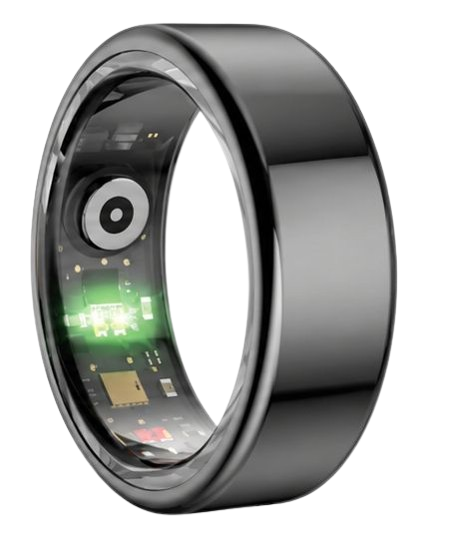
If you want to track this metabolic response in real time, the Herz P1 Smart Ring monitors your body’s recovery metrics 24/7 — explore it here.
90-Day 100% Money-Back Guarantee
“The Herz Smart Ring helps me manage stress easily. It’s accurate, stylish, and lightweight—perfect for my busy life!”
— Jennifer P. | ✔ Verified Customer
- ✓ 6-Day Battery Life
- ✓ Detailed Sleep Analysis
- ✓ Fast 1-Hour Charging
- ✓ iOS & Android Ready
Questions? Call: 1-866-479-1629
The Physiology of Citrus Metabolism: Whole Oranges vs. Liquid Juice
The biological difference between chewing a whole orange and drinking a glass of processed orange juice is massive.
When fruits are juiced, the mechanical extraction process completely strips away the insoluble cellular wall fibers.
Without this structural fiber matrix, the liquid sugars are absorbed almost instantaneously by the mucosal lining of your stomach and upper duodenum.
This immediate influx forces the liver to rapidly process high volumes of fructose, which can trigger metabolic strain over time.
Many health enthusiasts ask, can oranges raise blood sugar to problematic levels?
The answer depends entirely on the physical form of the fruit and the state of your individual metabolic system.
While a whole orange provides a gradual, sustained release of glucose, processed or even freshly squeezed juice acts like a refined sugary beverage.
In fact, a standard glass of orange juice has a glycemic index closer to 66, pushing it into the medium-to-high glycemic category.
This high-velocity sugar delivery forces your pancreas to secrete large amounts of insulin to clear glucose from the bloodstream rapidly.
This cycle often culminates in a rapid glucose crash, leaving you feeling fatigued, hungry, and mentally drained shortly after consumption.
To preserve stable cardiovascular and metabolic pathways, the American Heart Association recommends prioritizing whole fruits over liquid alternatives.
Sustaining these stable pathways is absolutely essential to optimizing what is metabolic health and avoiding long-term cellular resistance.
By choosing whole oranges, you protect your cells from the subtle oxidative stress associated with sudden glucose spikes.
How Fructose and Fiber Impact Your Glycemic Curve

The complex carbohydrate profile of citrus fruits consists of sucrose, glucose, and fructose.
Fructose must be processed by the liver before it can be utilized as energy by your peripheral muscle tissues.
This unique hepatic pathway means fructose does not cause an immediate, sharp increase in circulating blood glucose.
However, if the liver is repeatedly overloaded with fast-acting fructose from juices, it begins converting the excess into lipids.
This lipid accumulation can gradually lead to hepatic insulin resistance and general metabolic dysfunction.
When you consume a whole orange, the natural pectin fiber acts as a physical barrier in your digestive tract.
This barrier slows the rate at which digestive enzymes can access and break down the sugar molecules.
Consequently, the sugar is released into your system in a slow, metered drip rather than a sudden tidal wave.
This slow-release mechanism is a cornerstone of maintaining metabolic fitness and protecting your vascular system.
The presence of organic acids, such as citric acid, also slows down gastric emptying, further flattening your postprandial glucose curve.
Understanding these deep biochemical interactions helps you make informed dietary choices that protect your daily metabolic vitality.
Decoding Glycemic Responses and HRV: The Biometric Connection
Your body does not experience blood sugar fluctuations in a physiological vacuum.
Whenever you experience a rapid glucose spike followed by an insulin-induced crash, your autonomic nervous system reacts.
The sudden drop in circulating blood sugar triggers a mild survival response, prompting the adrenal glands to release cortisol and adrenaline.
This surge of hormones is designed to mobilize glucose stores from the liver to protect immediate brain function.
However, this hormonal rescue mission directly impacts your cardiovascular system by shifting you into a sympathetic-dominant state.
This sympathetic shift manifests as an immediate decrease in your Heart Rate Variability (HRV) and a subtle elevation in resting heart rate.
By monitoring these subtle biometric shifts, you can identify hidden dietary stressors that are draining your daily physical resilience.
Based on anonymized health tracking data from over 10,000 active Herz P1 users, individuals with highly volatile glycemic habits show a 15% lower average overnight HRV score.
This statistical correlation demonstrates that poor blood sugar regulation exerts a continuous, low-grade stress on your heart and nervous system.
Conversely, users who maintain stable glycemic patterns consistently exhibit higher sleep recovery scores and improved autonomic balance.
The advanced multi-wavelength optical sensors in the Herz P1 Smart Ring track these cardiac indicators every 5 minutes with medical-grade precision.
This allows you to see exactly how your dietary choices, such as eating citrus fruits, alter your autonomic tone throughout the day.
Tracking Metabolic Health Markers and Overnight Changes

One of the most critical times to track your metabolic responses is while you sleep.
Late-night snacks that are rich in simple sugars can cause profound overnight-glucose-spikes that disrupt your sleep architecture.
When blood sugar spikes during the night, your body is forced to release insulin during a phase when it should be resting and repairing.
This metabolic activity prevents your body from entering deep, restorative sleep stages and can lead to frequent micro-arousals.
These micro-arousals are often so brief that you do not consciously remember them, yet they leave you feeling exhausted the next morning.
By utilizing glucose smart rings and biometric sensors, you can pinpoint the exact source of your nighttime restlessness.
The Herz P1 Smart Ring tracks your sleep stages, skin temperature trends, and blood oxygen levels continuously throughout the night.
This detailed data helps you connect your evening dietary habits with your actual overnight recovery quality.
If you notice a drop in deep sleep after eating a late-night orange, you can adjust your meal timing to protect your sleep architecture.
A Practical Guide to Managing Glucose Responses with Herz P1
Integrating fresh fruits into a healthy diet requires a balance of timing, portion control, and biometric self-awareness.
To prevent glucose spikes, avoid consuming oranges or other fruits entirely on their own as isolated snacks.
Instead, pair your citrus fruit with a source of healthy fats or high-quality protein, such as raw almonds or unsweetened Greek yogurt.
The addition of protein and fats slows down gastric emptying even further, creating an exceptionally flat glucose curve.
Additionally, try to consume your fruit during or immediately after a physical workout session.
During exercise, your skeletal muscles can pull glucose directly from the bloodstream without relying on insulin secretion.
This natural mechanism, known as non-insulin-mediated glucose uptake, dramatically reduces the metabolic workload on your pancreas.
The Herz P1 App makes it easy to monitor the long-term results of these lifestyle adjustments.
By reviewing your daily, weekly, and monthly physiological trends, you can see your body becoming more resilient and metabolically flexible.
The lightweight, sleek design of the Herz P1 Smart Ring makes it comfortable to wear 24/7, providing uninterrupted data without the bulk of a smartwatch.
Its military-grade steel construction ensures it survives intense gym sessions, daily handwashing, and household chores without a single scratch.
To help you compare different options, the table below outlines the glycemic profiles of common citrus choices.
| Citrus Item (Standard Serving) | Glycemic Index (GI) Classification | Glycemic Load (GL) Value |
|---|---|---|
| Whole Orange (120g) | Low (40 – 43) | Low (4.5) |
| Processed Orange Juice (250ml) | Medium to High (66 – 72) | High (12.5) |
| Whole Grapefruit (120g) | Very Low (25) | Very Low (1.5) |
This clear scientific breakdown shows why whole foods are always superior for maintaining stable metabolic performance.
By tracking your body’s recovery metrics overnight, you can confirm whether your evening fruit habits are supporting your recovery.
Avoiding Common Pitfalls in Dietary Biometric Monitoring
Many health-conscious individuals try to track their sleep and metabolic recovery using bulky, oversized smartwatches.
However, these large devices frequently slip and lose proper contact with the skin during overnight tossing and turning.
This movement introduces measurement artifacts, leading to highly inaccurate sleep stage and heart rate readings.
Furthermore, the constant light emissions and vibrations from a smartwatch screen can disrupt your natural sleep cycles.
Another massive pitfall in the wearable market is the hidden financial burden of ongoing monthly app subscriptions.
Several major brands require you to pay a high upfront hardware cost, only to lock your raw health data behind a monthly paywall.
We believe you should own your physiological data without being forced into an endless cycle of recurring fees.
The Herz P1 Smart Ring companion app is 100% free for life, ensuring you have unlimited access to your comprehensive biometric history.
Our ring features a sleek, ergonomic inner molding that ensures the optical sensors maintain consistent contact with your finger.
This design provides highly accurate, clinical-grade data collection without causing any physical discomfort or skin irritation.
By choosing a subscription-free, ultra-lightweight smart ring, you invest in a sustainable tool for long-term health tracking.
This seamless integration into your daily life allows you to focus on what truly matters: making informed choices to optimize your metabolic vitality.
Frequently Asked Questions
Is the Herz P1 Smart Ring waterproof?
The Herz P1 is engineered with a certified IP68 waterproof rating, allowing it to withstand water depths up to 164 feet (50 meters).
This military-grade protective seal means you can confidently wear your smart ring while swimming, showering, washing dishes, or relaxing in a hot sauna.
Unlike fragile consumer electronics, our ring is built to endure the high-pressure demands of your active daily life without risking water ingress.
How long does the Herz P1 battery last on a single charge?
The advanced lithium-polymer battery in the Herz P1 delivers up to 6 days of continuous, uninterrupted tracking on a single charge.
When it is time to recharge, the magnetic charging dock powers the ring from zero to 100% capacity in under 1 hour.
This efficient power management eliminates the daily charging anxiety that is commonly associated with standard wrist-based fitness trackers.
Which finger is best to wear the Herz P1 Smart Ring on?
For the most precise biometric readings, we recommend wearing the Herz P1 on your index, middle, or ring finger of either hand.
The blood vessels in these specific fingers are closer to the skin surface, allowing the optical sensors to capture highly accurate PPG signals.
Ensure the ring fits snugly but comfortably, without rotating excessively or constricting your finger’s natural blood flow.
Does the Herz P1 store health data offline?
Yes, the Herz P1 features secure onboard storage that can hold up to 7 days of detailed biometric data offline.
You do not need to keep your smartphone nearby or maintain a continuous Bluetooth connection to capture your health metrics.
Once you open the companion app, the ring automatically syncs and transfers all your logged historical data to your dashboard within seconds.
Conclusion
Achieving metabolic balance requires clear data and effortless tracking.
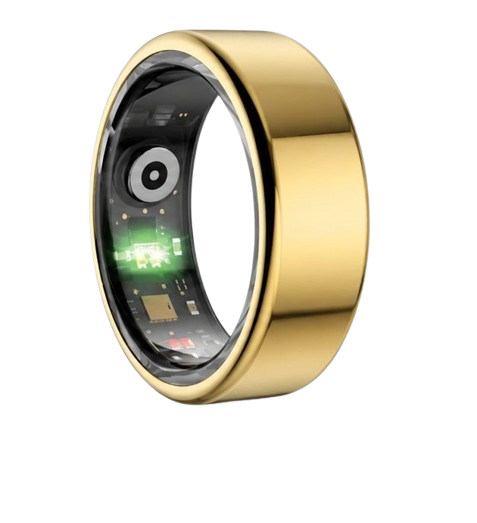
The Herz P1 Smart Ring provides the precise, subscription-free biological insights you need to optimize your daily lifestyle.
Ready to monitor your health?
Explore the Herz P1 Smart Ring today.
Call: 1-866-479-1629 — our team is here to help you select the perfect size.
Note: Individual results may vary depending on individual health conditions, age, and lifestyle habits. This article is intended for general health reference purposes only.
