

Is Obstructive Sleep Apnea Stealing Your Energy? How This Silent Nighttime Struggle Affects Daily Recovery
Do you wake up at 3 AM with a racing mind, battling chronic daytime fatigue? You might be experiencing obstructive sleep apnea, a condition where airways collapse during sleep, severely lowering oxygen saturation and HRV. While lifestyle adjustments help, monitoring recovery with a comfortable, screen-free wearable like the Herz P1 Smart Ring provides actionable recovery trends without bulky distractions.
Take Back Your Sleep.
Take Back Your Life.
- Fall asleep faster & sleep deeper
- Stop waking up in the middle of the night
- Wake up refreshed & full of energy
Article Key Highlights:
- The Core Mechanism: Learn how physical airway collapse deprives your body of oxygen and disrupts your nervous system.
- The Sleep-Stress Cycle: Why nighttime breathing issues trigger adrenaline rushes, sudden 3 AM awakenings, and low Heart Rate Variability (HRV).
- Clinical Foundations: Explore peer-reviewed concepts in pathophysiology and how clinical frameworks break down risk factors.
- Actionable Monitoring: Why lightweight, screen-free wearables are highly effective for tracking sleep stages and overnight recovery trends.
What Is Obstructive Sleep Apnea, and How Does It Restrict Your Airway?

Yes, obstructive sleep apnea is a highly prevalent sleep disorder characterized by the repetitive physical collapse of the upper airway during sleep, leading to oxygen drops and chronic fatigue. The short answer is that understanding its root mechanical causes is vital for identifying why you wake up exhausted. However, to choose the right tracking or supportive tool, you need to understand how your body reacts to these nighttime micro-arousals and monitors biometrics like HRV and sleep stages.
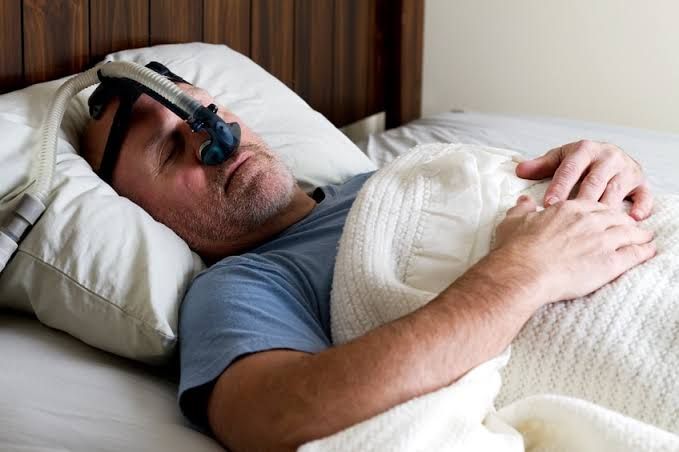
When you close your eyes at night, your muscle tone naturally relaxes. For most people, this relaxation is a healthy part of entering deeper, restorative sleep. However, for those with obstructive sleep apnea, the soft tissues at the back of the throat—including the tongue, soft palate, and uvula—relax so deeply that they physically collapse into the airway. This mechanical blockage cuts off the flow of oxygen to your lungs, creating a state of physical suffocation that can last from ten seconds to over a minute, occurring up to dozens of times every single hour.
The downstream effects of this physiological block are profound. As carbon dioxide builds up in your bloodstream and oxygen levels plunge, your brain is forced to repeatedly rescue you from suffocation. To do this, it triggers a sudden, violent survival response. It floods your bloodstream with adrenaline, spikes your blood pressure, and yanks you out of Deep or REM sleep into a lighter state of consciousness—or causes a sudden 3 AM awakening. You might not even remember these micro-arousals the next morning, but they leave your body trapped in a perpetual “fight-or-flight” state throughout the night. This is why you wake up with a dry mouth, a racing mind, and an overwhelming sense of non-restorative sleep, wondering why you feel completely drained despite spending eight hours in bed.
According to clinical insights from the **obstructive sleep apnea statpearls** literature, these transient respiratory pauses are defined as either apneas (complete airway obstructions) or hypopneas (partial obstructions accompanied by a drop in blood oxygen). Understanding these mechanical patterns is the first step toward reclaiming your sleep hygiene. Clinical frameworks in the **obstructive sleep apnea statpearls** emphasize that the repetitive nature of these events leads to systemic inflammation, oxidative stress, and long-term strain on your cardiovascular system, highlighting why early awareness and daily biometric monitoring are so important.
When to Monitor Your Sleep Trends (and When to Seek Medical Care)
If you suspect your fatigue is tied to structural airway issues, knowing when to track your habits at home versus when to seek professional intervention is crucial:
- When to Monitor Trends: If you struggle with occasional daytime brain fog, suspect you snore, or want to see if lifestyle modifications (like side-sleeping or avoiding late meals) improve your nightly recovery metrics. Tracking heart rate variability (HRV) and sleep stages can help you see if your body is getting enough deep, restorative rest.
- When to Seek Clinical Care: If you frequently wake up gasping or choking, experience severe, loud snoring, or suffer from debilitating daytime sleepiness that puts you at risk while driving. In these cases, you should consult a licensed healthcare professional for a comprehensive polysomnography (clinical sleep study). *Note: Consumer wearables are intended for wellness tracking and trend visibility; they cannot diagnose, monitor, or treat medical conditions.*
The Screen-Free Tracking Solution:
If you are working on your sleep habits, checking your daily trends should not add to your bedtime stress. Traditional smartwatches are often bulky, require daily charging, and feature bright screens that can trigger a racing mind if you wake up at night. The Herz P1 Smart Ring provides a premium, ultra-lightweight titanium alternative. It tracks your Sleep Stages, overnight HRV, and heart rate in the background, translating complex data into a simple, actionable Recovery Score—entirely free of monthly subscription fees.
Common Sleep and Recovery Frequently Asked Questions
1. How does obstructive sleep apnea differ from central sleep apnea?
Obstructive sleep apnea is a physical, mechanical obstruction where the upper airway muscles relax and block airflow. Central sleep apnea, on the other hand, is a neurological issue where the brain temporarily fails to send the proper signals to the muscles that control breathing. While the results—oxygen drops and fragmented sleep—are similar, the root physiological causes are distinct.
2. Why does my overnight Heart Rate Variability (HRV) drop during sleep disruptions?
HRV measures the variation in time between consecutive heartbeats. A higher HRV reflects a relaxed autonomic nervous system dominated by the parasympathetic “rest-and-digest” branch. When your airway collapses during sleep, the resulting drop in oxygen triggers a sympathetic “fight-or-flight” emergency response. This adrenaline surge causes your heart rate to spike and your HRV to plummet, leaving you unrecovered in the morning.
3. Can sleep tracking help me identify breathing issues?
While a consumer wearable cannot diagnose a medical condition like sleep apnea, it can provide invaluable indirect insights. If your tracker consistently shows heavily fragmented sleep, a lack of deep and REM sleep stages, or unexplained drops in your overnight Recovery Score, these trends can serve as objective data to share with your doctor during a health evaluation.
4. Why is deep sleep so important for daily recovery?
Deep sleep (slow-wave sleep) is the stage where your body performs physical repairs. It is when tissue growth occurs, cellular waste is cleared from the brain, and human growth hormone is released. Without sufficient deep sleep, your muscles, immune system, and cardiovascular pathways cannot fully recover from daily physical stressors.
Exploring the Clinical Pathophysiology and Etiology

To fully comprehend how breathing disruptions during sleep undermine your health, we must examine the formal clinical framework. When we review the academic literature around osa etiology, we find that upper airway obstruction is rarely caused by a single isolated factor. Instead, it is the result of a complex interplay between anatomical susceptibility and non-anatomical physiological traits.
Anatomically, the size and shape of your upper airway are heavily influenced by genetics, craniofacial structure, and soft tissue volume. For instance, a naturally recessed jaw, an enlarged tongue (macroglossia), or excess adipose tissue around the neck can significantly narrow the pharyngeal space. When you transition from wakefulness to sleep, the natural loss of muscle tone in the pharyngeal dilator muscles allows these structural components to slide backward under the influence of gravity. This mechanical narrowing is the foundational component of underlying mechanisms of OSA.
However, modern clinical science, as detailed in the **sleep apnea statpearls** guides, points to three key non-anatomical factors that complete the picture of osa etiology:
- Ineffective Pharyngeal Dilator Muscle Responsiveness: During sleep, some individuals experience a disproportionate reduction in the neural drive to the muscles that keep the airway open, rendering them incapable of resisting the negative pressure generated by inhalation.
- Low Arousal Threshold: Some people have a highly sensitive central nervous system that wakes them up at the slightest sign of airway narrowing. This prevents them from reaching deep, restorative sleep stages, resulting in chronic sleep fragmentation.
- High Loop Gain: This refers to an overactive ventilatory control system. When oxygen levels drop slightly, the brain overreacts by driving rapid, deep breathing once the airway opens. This hyperventilation lowers carbon dioxide levels too far, causing the brain to then temporarily pause breathing efforts altogether, creating a highly unstable respiratory loop.
Every time you experience these breathing disruptions during sleep, your body undergoes acute cardiovascular stress. The intense physical effort required to inhale against a collapsed airway generates massive negative pressure within your chest cavity. This pressure increases the volume of blood returning to the right side of your heart while restricting blood flow out of the left side, stretching the heart walls and placing severe mechanical strain on your cardiac muscle. Over time, this repetitive stretching can lead to structural changes, making clinical management essential for overall longevity.
For those tracking their health holistically, these physiological stressors are directly visible in overnight biometric trends. When your body is forced to fight for air, it remains locked in a high-stress, sympathetic state. This manifests as a dramatic reduction in overnight Heart Rate Variability (HRV) and a severe lack of deep and REM sleep stages. By keeping an eye on these sleep quality metrics, you can quickly identify whether your body is successfully resting or fighting an uphill battle against stress and fatigue throughout the night.
Practical Recovery Management: Screen-Free Biometrics Over Bulky Smartwatches
Understanding the complex sleep apnea pathophysiology is step one, but taking control of your daily recovery is where real change happens. Many wellness enthusiasts who want to optimize their sleep hygiene turn to traditional smartwatches. However, these devices often introduce immediate practical friction. They are frequently bulky and uncomfortable to wear in bed, their battery life is notoriously short—forcing you to charge them daily—and their bright digital screens can easily exacerbate a racing mind during a 3 AM awakening.
To truly understand how your sleep habits are affecting your health, you need a tracking method that integrates seamlessly into your life without adding digital noise. This is where a minimalist, screen-free wearable becomes incredibly valuable. By moving the sensors from your wrist to your finger, you get a much cleaner, more comfortable experience that lets you focus entirely on your recovery trends.
The Herz P1 Smart Ring: Reclaim Your Recovery
An elegant, subscription-free health tracker made of aerospace-grade titanium. Crafted for comfort, the Herz P1 tracks Sleep Stages, Heart Rate Variability (HRV), and Daily Activity to deliver a simple Recovery Score—completely free of screen distractions and daily charging stress.
Monitoring your overnight biometric data is incredibly useful for recognizing the physiological footprint of sleep disruptions. When you track your sleep stages (REM, Deep, Light) and HRV with a high-quality wearable, you can begin to identify which lifestyle factors are helping or hurting your rest. For example, you can see if sleeping on your side instead of your back keeps you in a deeper sleep state, or if avoiding heavy meals before bed helps your nervous system wind down properly, leading to a higher overnight HRV.
If you are exploring OSA risk factors, maintaining a healthy weight, optimizing your sleep environment, and monitoring your physical recovery are excellent proactive steps. A comfortable, screen-free smart ring helps you observe these daily trends effortlessly. By focusing on your long-term recovery metrics rather than stressing over individual nightly data points, you can make gradual, data-informed adjustments to your routine, reclaim your physical energy, and finally wake up feeling truly refreshed.
Disclaimer: Results may vary depending on individual physical activity levels, unique health conditions, and daily tracking patterns. The content provided in this article is for informational and educational purposes only and is not intended to be a substitute for professional medical advice, diagnosis, or treatment. Always seek the advice of your physician or other qualified health provider with any questions you may have regarding a medical condition. Do not disregard professional medical advice or delay in seeking it because of something you have read here.
