

What Is Microsleep? Symptoms, Dangers, and Science-Backed Prevention
Have you ever felt your eyes drift closed for a fraction of a second? This involuntary lapse is a microsleep, driven by deep sleep debt. It means your brain is forcing rest, risking your safety. Tracking your recovery with a screen-free Herz P1 Smart Ring helps prevent these dangerous lapses.
Take Back Your Sleep.
Take Back Your Life.
- Fall asleep faster & sleep deeper
- Stop waking up in the middle of the night
- Wake up refreshed & full of energy
Key Article Takeaways
- The Core Mechanism: Microsleep is an involuntary, temporary brain state lasting from a fraction of a second up to 15 seconds, acting as an emergency shutdown when sleep debt peaks.
- Subtle Symptoms: It is not always about closed eyes; slow blinking, head jerks, blank staring, and missing short stretches of road or conversation are primary indicators.
- The Invisible Culprit: Chronic, non-restorative sleep, low heart rate variability (HRV), and a lack of deep and REM sleep stages are the foundational triggers.
- Modern Solutions: Preventing these sudden lapses requires monitoring physiological sleep trends using comfortable, screen-free tracking methods like the Herz P1 Smart Ring.
Understanding the Basics: What Is Microsleep and Why Does It Happen?

Yes, microsleep is an involuntary, temporary state of unconsciousness that lasts from a fraction of a second up to 15 seconds. The short answer is that it is a physiological emergency brake pulled by an exhausted brain. However, to choose the right wellness strategy or biometric tracker, you must understand how sleep architecture—specifically Deep and REM sleep stages—along with cardiovascular strain influence your brain’s sudden demand for rest. Truly understanding the mechanics of microsleep can prevent dangerous cognitive failures before they disrupt your day.
At a neurological level, when you undergo severe sleep deprivation, the brain struggles to keep its neural networks awake. This condition triggers brief bouts of sleep where cortical neurons temporarily go offline. Researchers call this phenomenon “local sleep.” Even though you believe you are awake, portions of your motor and sensory cortex take micro-rests. Many people experience these brief lapses, or microsleeps, without even realizing they have lost consciousness, as the brain often fails to record these tiny fractions of time.
This rapid transition is what makes these events highly dangerous, especially when performing high-focus tasks like driving or operating machinery. If you are asking what is microsleep, the simple explanation is that your brain is forcing a brief state of rest to clear accumulated metabolic waste and adenosine, bringing you closer to a sudden, uncontrollable shutdown.
We’ve all been there: you lie awake at 3 AM with a racing mind, staring at the ceiling, feeling stressed but unable to pinpoint why. When you finally drift off, the sleep is light, fragmented, and non-restorative. You wake up with a heavy brain fog, desperate for coffee to get through the morning. Over time, this daily dependency on stimulants masks a growing mountain of sleep debt, until one afternoon, your brain takes matters into its own hands and slips into a brief state of unconsciousness.
When to Track Your Recovery vs. Seeking Professional Support
Prioritize Continuous Biometric Monitoring If:
- You suffer from occasional afternoon slumps, morning brain fog, or irregular sleep schedules due to lifestyle demands.
- You suspect your evening screen habits are disrupting your deep sleep stages.
- You want to monitor patterns in your Heart Rate Variability (HRV) and Daily Recovery Scores to optimize your physical and mental energy.
Consult a Healthcare Professional If:
- You experience sudden, uncontrollable sleep episodes while physically active, talking, or eating.
- Your partner reports loud, chronic snoring, gasping, or pauses in your breathing during the night (potential signs of obstructive sleep apnea).
- You get a full 8 hours of sleep nightly but still experience persistent, severe daytime fatigue.
Suggested Solutions: Reclaiming Rest with Elegant, Screen-Free Wearables
To break the cycle of non-restorative sleep and prevent sudden sleep debt build-ups, we recommend establishing a consistent, screen-free wind-down routine. Traditional smartwatches often make this difficult—they are bulky, display bright blue light notifications that disrupt melatonin production, and require daily charging that interrupts vital sleep tracking.
A sophisticated alternative is the Herz P1 Smart Ring. Crafted from ultra-lightweight, medical-grade titanium, it sits elegantly on your finger without the bulky distraction of traditional screen-based trackers. Designed for ultimate comfort during sleep, it offers a subscription-free health tracking experience with zero hidden monthly costs—you buy it once and own your data forever.
By translating complex biometric algorithms into simple, actionable daily scores, the Herz P1 tracks sleep stages (Deep, REM, and Light), measures Heart Rate Variability (HRV), and provides an intuitive Daily Recovery Score. This allows you to monitor your sleep debt trends and make proactive lifestyle changes, without the stress of deciphering messy, hard-to-read graphs. While the Herz P1 is a tracking tool and does not diagnose clinical sleep disorders, it serves as a powerful mirror for your body’s recovery patterns, helping you optimize sleep hygiene and avoid the fatigue that triggers daytime lapses.
Short FAQ on Microsleep Basics
1. What is the main difference between a power nap and microsleep?
A power nap is a planned, intentional period of rest designed to restore alertness. In contrast, microsleep is an involuntary, sudden lapse into unconsciousness that occurs when your sleep-deprived brain can no longer remain awake.
2. Can you experience a micro sleep while your eyes are open?
Yes, episodes of micro sleep are highly correlated with a glassy, blank stare. The eyes may remain partially or fully open, even though the brain’s sensory processing networks have shut down, making the individual completely unresponsive to external stimuli.
3. How does sleep debt accumulate to trigger these lapses?
Sleep debt is the cumulative difference between the amount of sleep your body needs and the amount you actually get. When this debt accumulates over several nights, your homeostatic sleep drive overrides your conscious will, triggering sudden, uncontrollable lapses during waking hours.
4. Is microsleep dangerous?
Yes. Any lapse in consciousness while performing high-risk activities like driving or operating heavy equipment can lead to catastrophic accidents, making early prevention and recovery monitoring highly critical.
How to Recognize Microsleep Symptoms Before They Become Dangerous
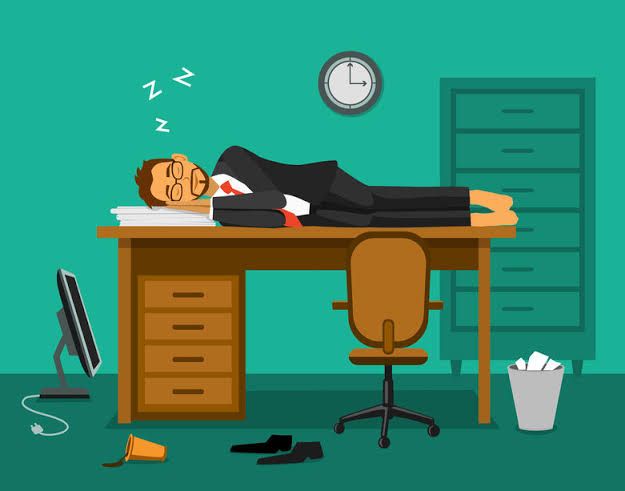
Because these episodes occur suddenly, learning to identify early warnings can save lives. Understanding what is a microsleep requires looking closely at both physical indicators and cognitive shifts. Long before your eyes slide closed, your body displays warning signs that your brain is entering a high-fatigue zone.
Common signs include heavy eyelids, slow blinking, frequent yawning, and the sudden head jerk that occurs when muscles relax as sleep begins. Cognitively, you may notice wandering thoughts, an inability to focus on conversations, or lapses in short-term memory, such as failing to recall the last stretch of road you drove.
Combating chronic microsleep episodes requires structured lifestyle adjustments, but recognizing these signals in real-time is the first line of defense. The table below outlines how to distinguish normal, healthy fatigue from the dangerous onset of a sudden lapse:
| Indicator | Normal Fatigue | Microsleep Risk Zone |
|---|---|---|
| Eyelid Activity | Tired eyes, occasional rubbing | Heavy, slow-blinking, or closed eyelids for >1 second |
| Mental Presence | Slightly slow responses, yawning | Blank staring, completely missing conversations or road signs |
| Physical Control | Relaxed posture, stretching | Sudden head nods (muscle atonia) or hypnic jerks |
| Memory Recall | Can recall recent events clearly | Inability to remember the last 15-30 seconds of activity |
When you are chronically exhausted, these episodes bypass conscious control. This makes checking your recovery status before beginning key tasks essential for maintaining safety throughout your day.
Practical Prevention Strategies: Reclaiming Rest and Daytime Alertness

The underlying causes of micro sleep are closely tied to your daily recovery habits. To prevent these lapses, we must address the core issue: chronic sleep debt. Here are four science-backed strategies you can implement starting today:
1. Establish a Consistent Sleep-Wake Cycle
Going to bed and waking up at the same time every day—even on weekends—stabilizes your circadian rhythm. This consistency ensures your body knows when to release melatonin for deep rest, and when to produce cortisol for morning alertness. Over time, a steady rhythm lowers homeostatic sleep pressure, reducing the fatigue that leads to daytime lapses.
2. Prioritize Sleep Stage Analysis (Deep and REM Sleep)
Quantity of sleep is only part of the equation; quality is what restores your brain. During Deep sleep, your brain activates its glymphatic system to clear metabolic waste, while REM sleep facilitates cognitive processing and memory consolidation. Preventing dangerous microsleeps starts with understanding sleep architecture and ensuring you spend enough time in these restorative stages.
3. Monitor Heart Rate Variability (HRV) Trends
Heart Rate Variability (HRV) measures the variation in time between consecutive heartbeats. Controlled by your autonomic nervous system, a higher HRV indicates your body is resting, recovering, and ready to adapt to stress. Conversely, a low HRV suggests cardiovascular fatigue, meaning your system is under-recovered and more susceptible to daytime exhaustion. Tracking your HRV trends offers a clear picture of when your body needs real rest before sleep debt accumulates.
Unlock a Smarter Way to Track Your Recovery
Ditch the bright screens, distracting notifications, and monthly subscription fees. The Herz P1 Smart Ring offers medical-grade sleep and recovery metrics in an elegant, ultra-lightweight titanium body.
4. Adopt Screen-Free Tracking Methods
The blue light from smartwatches and phones suppresses melatonin production and delays sleep onset, worsening insomnia. Tracking your recovery with a screen-free device like the Herz P1 Smart Ring allows you to monitor your health trends without the bedtime screen distractions. Its titanium construction and subscription-free model offer a comfortable, stress-free way to stay informed about your body’s recovery status, helping you make proactive choices that support long-term wellness.
Disclaimer: Results may vary depending on individual physical activity levels, unique health conditions, and daily tracking patterns. The information provided on Mind Body Dan is for educational purposes only and is not intended to substitute for professional medical advice, diagnosis, or treatment. Always consult with a qualified healthcare professional before starting any new wellness routine or wearable tracking protocol.
