

Are You Experiencing Microsleep? Symptoms, Hidden Dangers, and How to Prevent It
Do you struggle with brain fog or 3 AM awakenings? You might be experiencing microsleep without realizing it. Science shows that even a 1-second lapse in attention indicates extreme neurological fatigue. At Team Mind Body Dan, we believe reclaiming your energy starts with screen-free, actionable tracking. Discover how the Herz P1 Smart Ring tracks your recovery.
Take Back Your Sleep.
Take Back Your Life.
- Fall asleep faster & sleep deeper
- Stop waking up in the middle of the night
- Wake up refreshed & full of energy
Key Highlights of This Guide:
- What Is Microsleep? Understand the physiological mechanisms of temporary neurological shutdowns that last up to 30 seconds.
- The Subtle Symptoms: Learn to recognize slow blinking, sudden head nods, and brief memory gaps before they put you in danger.
- Real-World Dangers: Discover how sleep debt affects driving, shift work, and high-stakes decision-making.
- Actionable Prevention: Why tracking biometrics screen-free can restore your deep, restorative sleep.
What Is Microsleep? Symptoms, Causes, and the Scientific Mechanics

Yes, your brain can fall asleep for just a few seconds without your conscious awareness. The short answer is that a microsleep is an involuntary, temporary state of unconsciousness that lasts from a fraction of a second up to thirty seconds, often occurring during monotonous tasks. However, to choose the right lifestyle adjustments and recovery tools, you must first understand how cumulative sleep debt and physiological exhaustion drive these spontaneous neurological shutdowns.
We have all been there. You are sitting at your desk, struggling with severe brain fog after a night of tossing and turning. Perhaps your mind was racing with tomorrow’s worries, leading to those frustrating 3 AM awakenings that leave you feeling depleted. You drag yourself through the day, relying heavily on caffeine and sugar—unwittingly building a dependency on bad habits that ruin your chances of deep, restorative sleep. This chronic pattern is exactly what triggers a sudden microsleep.
But what is microsleep exactly? During a micro sleep episode, specific regions of your brain go offline. While your eyes may remain wide open and your hands might still grip the steering wheel or a pen, your brain waves transition from active wakefulness to sleep-associated theta or delta waves. Neurologists call this “localized sleep.” The thalamus—the brain’s sensory gatekeeper—temporarily shuts down, preventing external stimuli from being processed by the cerebral cortex. This means that for those crucial seconds, you are functionally asleep, blind to visual changes, and completely unresponsive.
The physiological causes of these sudden microsleeps are directly tied to sleep pressure and circadian misalignment. When we fail to cycle smoothly through our essential sleep stages (including Deep and REM sleep), our brains accumulate adenosine. Adenosine is a neurotransmitter that builds up during our waking hours and promotes sleep drive. Under normal circumstances, a night of deep sleep clears this accumulation. However, when we suffer from chronic sleep deprivation, the adenosine levels remain high, placing immense pressure on the central nervous system. When the brain can no longer withstand this pressure, it takes a forced emergency break, resulting in what we experience as a microsleep.
Understanding what is a microsleep is critical because its onset is incredibly subtle. You might not realize you have experienced one until you jerk awake or notice a gap in your memory of the last few seconds. The symptoms can manifest as:
- Sudden head jerking or nodding
- Slow, heavy blinking or struggling to keep your eyes open
- Brief lapses in attention or losing your train of thought mid-sentence
- A feeling of waking up with a start, confused about your surroundings
- Missing an exit on the highway or failing to recall the last page you read
When to Worry: Self-Identifying Your Risk
How do you determine if you are at high risk for these sudden lapses? Self-identifying your physiological state is the first step. You are highly vulnerable to these episodes if you consistently experience non-restorative sleep, wake up frequently in the middle of the night, or notice your reaction times slowing down during monotonous tasks. On the other hand, if you wake up feeling energetic, consistently track positive trends in your daily recovery score, and do not experience persistent daytime drowsiness, your risk of a sudden lapse is significantly lower.
Modern Solutions for Better Rest
How do we combat this dangerous phenomenon? Many people turn to aggressive stimulants or complex, screen-heavy tracking systems to monitor their sleep. Unfortunately, bulky smartwatches with bright screens often cause more stress, flash notifications that wake you up, and require daily charging that disrupts your tracking routine. Skepticism around these devices is completely natural—no one wants high subscription fees just to read their own health data.
At Team Mind Body Dan, we recommend an elegant, screen-free tracking approach. The Herz P1 Smart Ring offers a seamless, subscription-free solution designed for ultimate comfort. Made from ultra-lightweight titanium, it tracks your sleep phases, measures your heart rate variability (HRV), and compiles this complex biometric data into a simple, actionable score. By wearing a lightweight ring instead of a bulky watch, you can comfortably identify when you are accumulating too much sleep debt and take steps to avoid dangerous daytime lapses.
Frequently Asked Questions About Microsleep
Q: Can you experience a microsleep with your eyes open?
Yes. Many people experience microsleeps with their eyes open. They may appear to be staring blankly at a screen or a road, but their brain is temporarily unresponsive to visual inputs.
Q: How long does a typical micro sleep last?
Most episodes last between 1 to 15 seconds, though some can stretch up to 30 seconds in cases of extreme, chronic exhaustion.
Q: Is microsleep a sign of a medical condition?
While it is primarily a result of severe sleep debt, frequent episodes can also point to underlying sleep disorders, such as sleep apnea or narcolepsy, which disrupt your overnight recovery.
Q: Can tracking sleep help prevent these episodes?
Absolutely. By monitoring your sleep quality trends and overnight recovery metrics, you can identify rising sleep debt early and adjust your habits before involuntary sleep lapses occur.
The Critical Dangers of Microsleeps in Daily Life
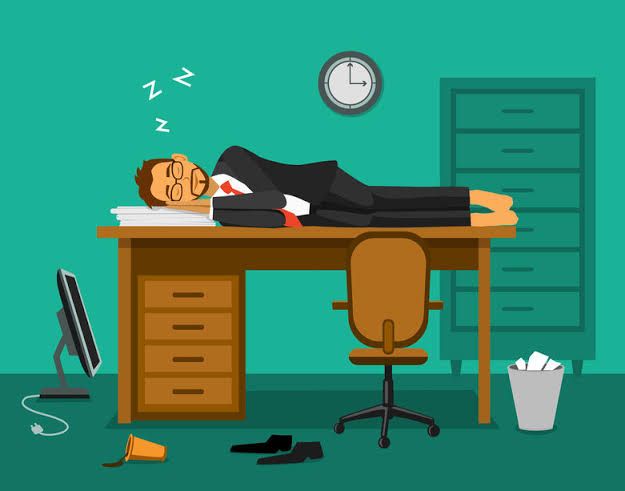
While a brief lapse of three seconds might seem harmless when you are relaxing on your living room couch, that same period can be catastrophic under different circumstances. Understanding the physical dangers of a microsleep is crucial for anyone who drives, operates heavy machinery, or works in high-pressure environments where split-second decisions matter.
Consider driving on the highway at 60 miles per hour. If you experience a sudden microsleep lasting just four seconds, your vehicle will travel more than 350 feet completely out of your control. This is the length of an entire football field. In that short window, your brain is entirely blind to sudden braking from the car ahead, sharp curves, or lane shifts. This is why fatigue-related driving accidents are among the most severe on our roads today.
But the dangers extend beyond the highway. In professional office settings, frequent lapses in attention can lead to critical errors, poor decision-making, and what many mistake for permanent cognitive decline or chronic fatigue syndrome. When you are continuously accumulating sleep debt, your prefrontal cortex struggles to perform executive functions. You find yourself rereading the same email four times, forgetting what a colleague said two minutes ago, and battling severe midday energy crashes.
Why Standard Smartwatches Fall Short in Recovery Tracking
Many people try to manage their sleep patterns using bulky smartwatches. However, these devices often introduce new pain points. The bright screen can accidentally light up at night, disrupting your melatonin production. Constant buzzes and notifications create anxiety, while the need for daily charging means you often miss tracking the very sleep stages you need to observe. A screen-free, long-battery wearable allows you to gather clean, uninterrupted biometric data without the digital noise.
Let’s look at who is most at risk for these dangerous episodes:
- Shift Workers: Working irregular hours disrupts natural circadian rhythm optimization, forcing the body to stay awake when melatonin levels are highest.
- Frequent Travelers: Chronic jet lag alters sleep pressure patterns, creating sudden sleep onset windows during waking hours.
- New Parents: Fragmented, low-quality sleep prevents the brain from reaching deep restorative cycles, making daytime lapses highly common.
- Professionals with High Stress: When a racing mind prevents deep sleep, the brain is forced to take short micro-naps during the day to cope with the mental load.
Actionable Prevention: Reclaiming Your Recovery and Sleep Quality

Preventing microsleeps requires moving past temporary quick-fixes like energy drinks and cold blasts of air. Those only mask the underlying physiological pressure without resolving your real sleep deficit. True prevention comes from consistent lifestyle adjustments, positive habits, and understanding your body’s sleep-recovery trends.
Here is a step-by-step approach to reclaiming your sleep health:
1. Prioritize a Consistent Sleep Schedule
Going to bed and waking up at the same time every day—even on weekends—stabilizes your internal biological clock. This circadian alignment ensures that your body naturally prepares for rest, allowing you to fall asleep faster and avoid those frustrating 3 AM awakenings.
2. Optimize Your Sleeping Environment
Your bedroom should be a sanctuary for rest. Ensure it is cool, dark, and completely free of electronic screens. Eliminating blue light exposure at least an hour before bed tells your brain it is time to produce melatonin, helping you drift into deep sleep phases without a racing mind.
3. Track Your Recovery Trends, Not Just Sleep Hours
Simply spending eight hours in bed does not guarantee you are getting high-quality, restorative rest. By using a comprehensive sleep hygiene checklist, you can ensure your body is receiving the structural recovery it needs. Monitoring markers such as heart rate variability (HRV) and sleep stages can show if you are actually recovering.
This is where the benefits of a smart ring become incredibly clear. Instead of overwhelming you with hard-to-read graphs and complicated data points, a screen-free device processes your biometrics silently in the background. It delivers an intuitive Daily Recovery Score every morning. If your score is low, you know to take it easy that day, schedule a brief power nap, or avoid long, monotonous drives where a microsleep could occur.
Take Charge of Your Sleep Health Subscription-Free
Tired of hidden fees, heavy smartwatches, and sleep-disrupting screen glare? The Herz P1 Smart Ring offers biometric monitoring with zero ongoing costs. Track your sleep stages, HRV, and daily recovery in a durable, featherlight titanium ring designed for your comfort.
4. Take Strategic Preemptive Breaks
If you are on a long road trip or working a night shift, do not wait for the symptoms of extreme fatigue to set in. Plan a break every two hours. Step out of your vehicle, stretch, and get some fresh air. If you feel a wave of intense drowsiness, pull over safely and take a 20-minute power nap. Studies show that short naps can temporarily clear accumulated adenosine, offering a brief window of alertness when you need it most.
5. Limit Late-Day Stimulants
Caffeine has a half-life of about five to seven hours. That cup of coffee you enjoy at 3 PM is still active in your system at 9 PM, blocking adenosine receptors and preventing your brain from slipping into deep sleep. Limit caffeine consumption to the morning hours to protect your natural sleep drive.
Ultimately, preventing a microsleep is about respecting your body’s biological limits. By combining smart sleep habits with comfortable, screen-free tracking, you can gain deep insights into your physical recovery, break the cycle of sleep deprivation, and reclaim your daily focus, mental clarity, and energy.
Disclaimer: Results may vary depending on individual physical activity levels, unique health conditions, and daily tracking patterns. The information provided in this article is for educational and informational purposes only and is not intended to serve as medical advice. Always consult with a qualified healthcare professional before making significant changes to your sleep, exercise, or lifestyle habits, or if you suspect you may have an underlying sleep disorder.
