

What Is Micrognathia and How Does a Small Jaw Cause Sleep Apnea?
Do you frequently wake up at 3 AM gasping for air, feeling as if your mind is racing and your body is completely drained? This frustrating cycle of non-restorative sleep and brain fog may not just be a matter of stress—it could be rooted in your physical anatomy. What is micrognathia? In this comprehensive guide, our team at Mind Body Dan explores how an underdeveloped lower jaw directly impacts your airway, sleep quality, and long-term cardiovascular health, and how screen-free biometric tracking can help you reclaim your energy.
Take Back Your Sleep.
Take Back Your Life.
- Fall asleep faster & sleep deeper
- Stop waking up in the middle of the night
- Wake up refreshed & full of energy
Key Article Highlights:
- The Jaw-Airway Connection: How an underdeveloped mandible physically restricts the upper airway path.
- Identifying the Culprit: Recognizing micrognathia in adults and its strong correlation to Obstructive Sleep Apnea (OSA).
- The Hidden Sympathetic Spikes: Why micro-arousals manifest as 3 AM awakenings, high heart rates, and low HRV.
- Screen-Free Optimization: How lightweight smart rings let you track deep, REM, and light sleep patterns without bulk or subscription fatigue.
Understanding Micrognathia: The Anatomical Roots of Airway Obstruction

Quick Answer
Yes, there is a direct physical link. The short answer is that micrognathia—a structural condition where the lower jaw (mandible) is significantly smaller than normal—directly limits the physical space available for the tongue and soft tissues in the back of the throat. However, to choose the right management approach, you need to understand how this bone structure interacts with gravity and sleep stages to cause airway blockages.
Detailed Explanation of Micrognathia
Micrognathia is a craniofacial condition characterized by an abnormally small mandible. While it is frequently observed and diagnosed in infants and children as part of developmental syndromes (such as Pierre Robin sequence or Treacher Collins syndrome), many cases are mild enough to go unnoticed until later in life. For micrognathia adults, this structural variance can present significant functional problems, particularly when the body transitions from wakefulness to deep sleep.
To understand the mechanics, we must look at the craniofacial structure. The lower jaw acts as an anchor point for the tongue, jaw muscles, and various tissues of the soft palate. When the mandible is set back or underdeveloped—a state often overlapping with retrognathia—the base of the tongue is forced closer to the posterior pharyngeal wall (the back of the throat). When you lie flat on your back, muscular tone naturally decreases, gravity pulls the tongue backward, and this narrow passage becomes completely closed off. This is the physiological origin of micrognathia and sleep apnea.
When to Use vs. When Not to Use Structural Assessment
Understanding whether your sleep disruptions are skeletal or behavioral is essential for choosing the right recovery tools:
- When to prioritize a structural assessment: If you have a visibly receded chin, chronic dental crowding, a history of orthodontic jaw correction, or if you consistently experience loud snoring and gasp for air regardless of your body weight or sleep hygiene.
- When to look elsewhere: If your sleep issues are purely situational (e.g., occasional high-stress periods, excessive screen time before bed, or caffeine consumption late in the afternoon) and your jaw alignment is anatomically typical.
Suggested Solutions: Beyond the Basics
If you suspect an underdeveloped jaw is impacting your sleep, typical advice like “drink warm chamomile tea” simply will not cut it. You must address the physical and physiological effects of airway resistance. Professional clinical interventions often include Custom Mandibular Advancement Devices (MADs) that physically hold the jaw forward during sleep, myofunctional therapy, or orthodontic work.
Simultaneously, we must track how our bodies are recovering from these physical disruptions. Traditional smartwatches can be incredibly frustrating to wear to bed—they are bulky, their screens light up with every movement, and they require charging almost daily. This is where a screen-free, highly comfortable wearable like the Herz P1 Smart Ring shines. Designed with medical-grade biometric sensors encased in ultra-light titanium, it allows you to continuously track sleep stages (REM, Deep, Light), heart rate variability (HRV), and overall recovery without the bright distractions of a screen or the fatigue of ongoing monthly subscriptions. It is the perfect passive monitor for individuals navigating anatomical sleep challenges.
Short FAQ about Micrognathia and Jaw Alignment
Q1: Is micrognathia the same as retrognathia?
No, though they are closely related. Micrognathia refers specifically to a lower jaw that is abnormally small, whereas retrognathia refers to a jaw that is normal in size but set backward relative to the upper jaw. Both can lead to airway issues.
Q2: Can you develop a small jaw as an adult?
No, skeletal jaw size is determined by genetics and childhood development. However, the symptoms of small jaw sleep apnea can worsen as adults age due to muscle tone loss, weight fluctuations, and tissue elasticity changes.
Q3: How do I know if my airway is collapsing at night?
While a clinical sleep study is the only way to officially diagnose sleep apnea, biometric indicators like sudden heart rate spikes, drop-offs in deep sleep stages, and low morning Heart Rate Variability (HRV) point to frequent nocturnal sleep disturbances.
The Mechanics of Sleep Disruption: How Micrognathia and Sleep Apnea Are Interlinked

To truly understand how a structural variation like mandibular recession cascades into full-blown physical exhaustion, we must examine what happens inside your body when you close your eyes. Sleep is not a passive state of blankness; it is an active, highly orchestrated biological process that relies heavily on consistent respiration.
The Retrognathic Collapse: Gravity vs. the Upper Airway
During a normal night, your body transitions through various stages of sleep. When you enter Deep and REM (Rapid Eye Movement) sleep, your voluntary muscles enter a state of near-total relaxation—a protective mechanism to prevent you from physically acting out your dreams. However, this muscle relaxation also affects the throat muscles.
In individuals with typical jaw structures, the open airway is wide enough to tolerate this minor muscle relaxation. In contrast, those dealing with small jaw sleep apnea start with a highly restricted physical space. As muscle tone plummets, gravity pulls the tongue backward into the narrow pharyngeal gap. The airway collapses, leading to partial blockages (hypopnea) or complete blockages (apnea). The body is temporarily starved of vital oxygen.
The Brain’s Emergency Brake: Micro-Arousals
When blood oxygen levels fall, your brain senses the danger of suffocation. It triggers an immediate emergency response: a sudden spike in adrenaline, a rapid elevation in heart rate, and a momentary rise to a lighter stage of sleep (a micro-arousal) so you can swallow, clear the throat airway, and breathe. These micro-arousals are so short you may not even remember them, but they completely shatter your sleep architecture.
Recognizing the Signs: Non-Restorative Sleep, Brain Fog, and 3 AM Awakenings
When the brain is continuously forced to wake up to breathe, you lose out on the most restorative phases of rest: slow-wave deep sleep (essential for physical recovery and tissue repair) and REM sleep (crucial for emotional regulation and cognitive processing).
As a result, you might struggle with:
- Intense morning brain fog: Feeling as though you are moving through wet cement, despite spending eight hours in bed.
- Unexplained 3 AM awakenings: Waking up with a racing mind, sweat, or a pounding chest—often a direct symptom of an adrenaline-fueled survival response.
- Cardiovascular strain: Chronic oxygen deprivation keeps your sympathetic nervous system (“fight-or-flight” mode) activated, driving down your Heart Rate Variability (HRV) and raising your resting heart rate.
From Anatomy to Biometrics: Tracking Sleep Quality Without Smartwatch Bulk
If you suspect physical airway limitations are affecting your health, the first step is gathering objective trend data. Knowing exactly how much time you spend in Deep and REM sleep, and understanding your overnight HRV trends, provides a clear picture of your physical recovery status.
Unfortunately, many people abandon sleep tracking because traditional wrist-based smartwatches are too bulky, heavy, and distracting to wear comfortably through the night. The flashing optical sensors and bright screens often cause secondary awakenings, worsening the problem they were meant to track.
The Herz P1 Smart Ring solves this operational pain point beautifully. This ultra-lightweight, screen-free titanium ring sits comfortably on your finger, collecting continuous clinical-grade biometric data with absolutely zero screen distractions. Because it sits closely on the finger—where capillary blood flow is highly accessible—it provides highly accurate readings of your HRV, sleep stages, and resting heart rate. Best of all, it has no hidden monthly subscription fees, allowing you to own your personal health data forever without ongoing costs.
Navigating Treatment Pathways and Reclaiming Restful Sleep
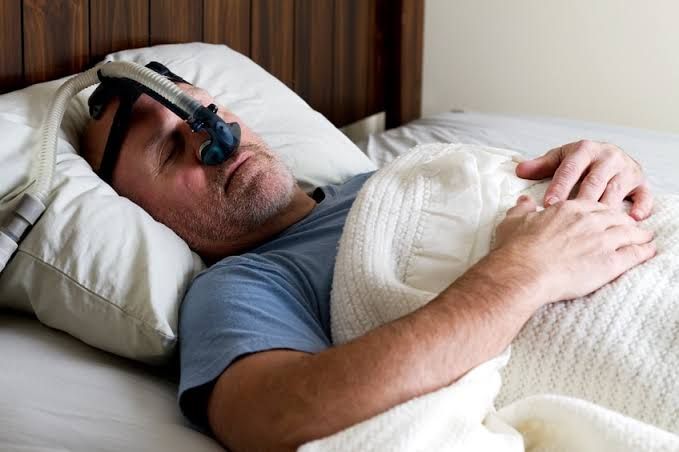
Living with structural sleep issues does not mean you are destined to live with chronic fatigue. By combining clinical options, proper sleep hygiene, and continuous biometric tracking, you can significantly optimize your daily recovery and well-being.
Clinical Interventions for Small Jaw Sleep Apnea
Because jaw alignment and sleep quality are directly connected, typical airway support approaches differ from standard sleep hygiene suggestions. If structural factors are prominent, a clinical consultation is highly beneficial. Common solutions include:
- Mandibular Advancement Devices (MADs): These are custom-molded dental splints designed to hold your lower jaw slightly forward while you sleep, preventing the tongue from sliding back and collapsing the airway.
- Continuous Positive Airway Pressure (CPAP): A device that delivers steady air pressure through a mask to keep your throat passage physically open during the night.
- Positional Therapy: Using special pillows or physical boundaries to prevent you from sleeping flat on your back, which is when gravity causes the worst airway collapse in retrognathic patients.
Lifestyle Modifications and Screen-Free Sleep Hygiene
In addition to addressing the skeletal challenges of micrognathia, optimizing your sensory environment is essential for calming your overactive nervous system. Since airway obstruction triggers adrenaline spikes, we must avoid adding digital stressors before sleep.
Transitioning to a screen-free wind-down routine at least one hour before bed signals to your brain that it is safe to down-regulate. Avoiding the blue light of smartphones and TVs helps support natural melatonin production, making it easier to fall into deep sleep stages even if your airway anatomy presents challenges.
Connect Your Habits to Real Recovery Insights
To truly understand how custom jaw positioners, positional sleeping, or screen-free habits are improving your sleep, you need reliable data. The Herz P1 Smart Ring transforms raw biometric inputs into an intuitive, simple daily Recovery Score. By translating complex algorithm charts into clear daily targets, it shows you exactly how much your body is recovering each night, helping you make confident, informed adjustments to your routine.
Measuring Recovery: The Power of a Daily Recovery Score
Your Heart Rate Variability (HRV) is one of the most reliable windows into your autonomic nervous system. A high HRV indicates your body is in a relaxed, restorative parasympathetic state. Conversely, a consistently low HRV suggests your sympathetic nervous system is stuck in “fight-or-flight”—a classic sign of chronic airway resistance and sleep disruption.
By wearing a lightweight titanium smart ring, you can quietly monitor these vital trends over weeks and months. Watching your deep sleep phases increase and seeing your overnight HRV stabilize provides tangible, encouraging proof that your airway management strategies are working.
Disclaimer: Results may vary depending on individual physical activity levels, unique health conditions, and daily tracking patterns. Wearable smart rings are designed for tracking and self-monitoring and should not replace clinical medical devices or professional medical evaluations for diagnosed conditions like obstructive sleep apnea.
