

Herz P1 Smart Ring Review: Mattress Pad vs Mattress Topper Key Differences for Sleep Recovery
Struggling with non-restorative sleep and 3 AM awakenings? Your bedding microclimate might be the hidden culprit. Before investing in an expensive new mattress, understanding the Herz P1 Smart Ring‘s biometric sleep insights reveals how the debate of mattress pad vs mattress topper impacts your recovery.
Take Back Your Sleep.
Take Back Your Life.
- Fall asleep faster & sleep deeper
- Stop waking up in the middle of the night
- Wake up refreshed & full of energy
Key Highlights
- Skeletal Alignment vs Surface Plushness: Learn how a mattress topper changes firmness, while a mattress pad adds minor, soft quilting.
- Unmasking the Protectors: Discover the distinct role of mattress protectors in keeping allergens and moisture at bay without changing bed comfort.
- Thermal Regulation Metrics: Why physical bed heat lowers your Heart Rate Variability (HRV) and keeps you in light, non-restorative sleep.
- The Wearable Revolution: Discover why screen-free sleep tracking with the titanium, subscription-free Herz P1 Smart Ring is a game-changer for monitoring recovery trends.
What You’ll Learn In This Guide:
- The core physical differences in the mattress pad vs mattress topper comparison.
- How to distinguish a protector from a pad to safeguard your mattress and sleep hygiene.
- How physical sleep surface changes impact your internal sleep architecture (Deep, REM, and Light sleep).
- How the subscription-free Herz P1 Smart Ring monitors biometric recovery trends without bulky screens.
Mattress Pad vs Mattress Topper Key Differences

Quick Summary Table
| Feature | Mattress Pad | Mattress Topper |
|---|---|---|
| Thickness | 0.5 to 1 inch (Quilted layer) | 2 to 4 inches (Dense foam/latex) |
| Primary Function | Light softening, surface protection | Altering mattress firmness, heavy support |
| Installation | Fits like a fitted sheet | Sits on top of mattress (may have straps) |
| Best For | Minor comfort tweaks & sweat protection | Reviving sagging beds & relieving pressure points |
Product Overview
At first glance, your bed might look complete, but your body knows when something is wrong. You might experience non-restorative sleep, waking up at 3 AM with a racing mind, feeling stiff and exhausted before the day even begins. Often, we blame work stress or coffee, but the physical environment of our sleep surface plays a major role in these issues. When your body cannot relax due to physical discomfort or heat build-up, it remains in a state of low-grade stress, keeping you from getting restful sleep.
To fix this, we need to look at our bed setup. The debate of mattress pad vs mattress topper can be confusing, as both products claim to improve your sleep. However, they serve completely different purposes. A mattress pad is a thin, quilted fabric layer designed to sit on top of your mattress like a fitted sheet, offering a touch of plush comfort and light protection. A mattress topper, on the other hand, is a thick slab of material (typically 2 to 4 inches of memory foam, latex, or feathers) meant to fundamentally change the firmness and support of your bed. Choosing the right one can make the difference between waking up in pain or waking up fully rested.
Key Product Highlights: Pad vs Topper
Understanding the difference between mattress pad and topper helps you target your specific sleep issues. Here is what each option does best:
- Mattress Pads (Surface Comfort & Protect): They add a light, quilted layer of cotton, wool, or polyester. This layer helps protect against daily wear and tear while softening a slightly stiff bed. They are easy to wash and fit securely on your mattress.
- Mattress Toppers (Structural Support & Re-alignment): These are designed to alter how firm your mattress feels. Whether you need to soften a rock-hard bed or add support to a sagging mattress, a topper uses thick materials like memory foam or latex to relieve joint pressure and align your spine.
Real-World Sleep Experience
Imagine lying in bed, exhausted from a long day, but unable to fall asleep. You toss and turn, trying to find a cool, comfortable spot. Your lower back aches, your shoulders feel pinched, and your mind starts to race. This physical discomfort keeps your body from relaxing, leading to frequent awakenings and a poor night’s sleep. When you wake up, you feel sluggish and unfocused.
When you evaluate mattress topper vs mattress pad options, you are looking for a physical solution to these nighttime disruptions. If you wake up with shoulder or hip pain, your mattress is likely too firm, and a thick mattress topper is needed to cushion your joints. If your bed is comfortable but runs hot, a breathable mattress pad made of natural fibers can help regulate your temperature and keep you comfortable throughout the night.
Pros and Cons
To help you decide between a mattress pad vs mattress topper, let’s break down the pros and cons of each:
Mattress Pads:
- Pros: Budget-friendly; machine-washable; fits securely without sliding; keeps your mattress clean.
- Cons: Does not offer structural support; will not fix a sagging mattress; offers very thin cushioning.
Mattress Toppers:
- Pros: Provides deep pressure relief; can make an old bed feel new; significantly changes mattress firmness.
- Cons: More expensive; can be heavy and difficult to clean; some memory foam options can trap body heat.
Which One is Best for Your Sleep Needs?
Choosing between a mattress pad vs mattress topper comes down to your current bed setup and comfort goals. If your bed is in good shape but needs a little extra softness and surface protection, a pad is the perfect, budget-friendly choice. However, if your mattress is causing back pain, feels far too firm, or is starting to sag, a mattress topper is the better option to restore your comfort and support your body.
Tracking Your Sleep Recovery
Once you make changes to your bed, how do you know if they are actually working? That is where objective tracking comes in. Instead of guessing how well you slept, a screen-free wearable can show you the real impact on your recovery. The Herz P1 Smart Ring tracks your sleep stages (Deep, REM, and Light) and your Heart Rate Variability (HRV) to give you an accurate picture of your nightly rest.
Unlike bulky smartwatches that can be uncomfortable to wear to bed and require daily charging, this lightweight titanium ring offers a comfortable, screen-free way to monitor your biometrics. With its subscription-free model, you can access your recovery data without any monthly fees. It helps you see if your new mattress pad vs mattress topper setup is helping you sleep deeper and wake up more refreshed.
Clearing the Bedding Confusion: Pads, Toppers, and Protectors
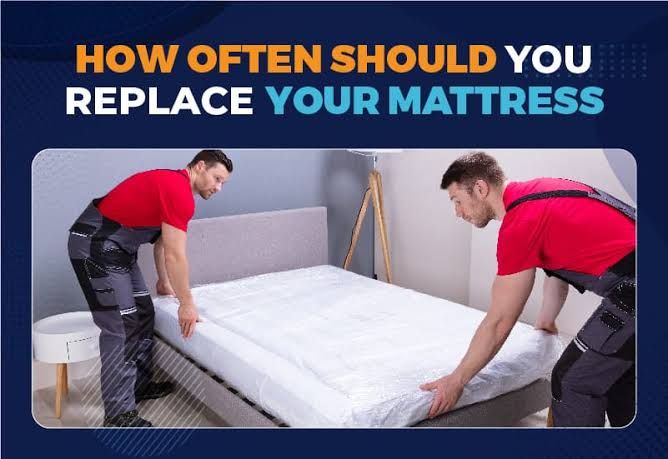
When shopping for bedding, it is easy to get confused by terms like mattress pad, mattress topper, and mattress protector. They may sound similar, but they serve completely different purposes. Understanding the difference between mattress pad and mattress protector layers is key to setting up a comfortable and clean bed.
Let’s look at what each layer does:
The Mattress Protector: Pure Defense
A mattress protector is a thin, often waterproof barrier designed solely to protect your bed. It wraps around your mattress like a fitted sheet to shield it from spills, sweat, dust mites, and allergens. It does not provide any padding or comfort benefits. Its only job is to keep your mattress clean and hygienic. If you are looking to change how your bed feels, a protector alone won’t help.
The Mattress Pad: Light Comfort & Softness
A mattress pad combines light protection with a touch of comfort. It is quilted and padded, adding a thin layer of softness over your mattress. It is thicker than a protector but much thinner than a topper. When comparing a difference between mattress pad and topper, think of a pad as a subtle comfort layer that also helps shield your bed from minor stains and daily wear.
Bedding Selection Cheat Sheet:
- Choose a Mattress Protector if you only need waterproofing and allergy defense.
- Choose a Mattress Pad if you want mild plushness combined with general wear-and-tear protection.
- Choose a Mattress Topper if your bed causes joint pain, feels too firm, or needs a complete structural facelift.
Using proper bedding configuration tips can help you get the most out of your setup. For complete comfort and protection, you can even layer these products. You might place a thick mattress topper on your bed for orthopedic support, cover it with a breathable mattress pad for extra softness, and finish with a waterproof protector to keep everything clean and fresh.
By tailoring your bedding configuration, you create an ideal sleep environment that helps you sleep deeply and wake up without stiffness. Incorporating these steps into your personal sleep optimization guides checklist allows you to design a bed that truly supports your recovery.
Biometrics: How Your Bed Surface Directly Influences HRV and Sleep Stages
We often think of sleep comfort simply as how cozy our bed feels, but the physical surface of your mattress has a direct impact on your internal body metrics. When you toss and turn due to poor support or overheating—common issues in the mattress topper vs mattress pad comparison—your body reacts on a physiological level. Your autonomic nervous system shifts out of its relaxed, recovery-focused parasympathetic state into a stressed, sympathetic state. This physiological stress can be measured through your biometrics, especially your Heart Rate Variability (HRV).
The Role of Heart Rate Variability (HRV) in Sleep
HRV measures the small variations in time between consecutive heartbeats. A higher HRV is a sign of a well-rested, resilient cardiovascular system that is recovering properly. When you are physically uncomfortable, sleeping too hot, or dealing with joint pressure, your nervous system remains alert, which lowers your HRV. By monitoring your HRV, you can see if your bedding upgrades are helping your body relax and recover.
For instance, if your mattress is too firm and cuts off circulation to your shoulders, your body will constantly move to relieve the pressure. This movement disrupts your sleep architecture, keeping you in light sleep and reducing the time you spend in deep, restorative phases. Using a thick mattress topper can help relieve these pressure points, stabilize your physical comfort, and allow your body to stay in deep sleep stages longer.
Why We Recommend the Herz P1 Smart Ring
Tracking sleep shouldn’t mean wearing a heavy, glowing watch that buzzes every time you try to relax. The Herz P1 Smart Ring is a sleek, medical-grade titanium tracker that slides onto your finger and tracks your biometrics completely screen-free. Enjoy subscription-free insights forever.
The Impact of Heat on Sleep Stages
Your body temperature needs to drop by a couple of degrees to initiate sleep and transition into deep sleep. Bedding that traps heat—like low-density memory foam toppers without cooling gel—can raise your skin temperature, leading to night sweats and frequent 3 AM awakenings. This is why paying attention to material properties in the mattress pad vs mattress topper comparison is so important.
If you need the orthopedic support of a foam topper but tend to sleep hot, adding a breathable mattress pad made of natural fibers like cotton or bamboo can help. This physical change can have a direct impact on your sleep quality, which you can track using a screen-free biometric tool like the Herz P1 Smart Ring to see how your body responds.
A Smarter, Screen-Free Way to Track Sleep
Many smartwatches are bulky, require daily charging, and have bright screens that can disrupt your wind-down routine. The Herz P1 Smart Ring offers a more comfortable, screen-free alternative. Made from ultra-light titanium, it fits comfortably on your finger and monitors your heart rate, sleep stages, and HRV throughout the night. It translates complex biometric data into an easy-to-understand daily Recovery Score, showing you how your bedding adjustments are improving your sleep quality over time.
Pairing practical understanding mattress accessories with advanced biometric monitoring helps you design an optimal sleep setup. With a comfortable bed and a reliable, screen-free tracker like the Herz P1, you can take control of your recovery, reduce night-time disruptions, and wake up feeling truly rested.
Reviewing our sleep environment upgrade suggestions will help you find the best combinations for your sleeping style. Once you align your physical bedding with your body’s biometric needs, you can enjoy deeper, more restorative rest every single night.
*Disclaimer: Results may vary depending on individual physical activity levels, unique health conditions, and daily tracking patterns. The information provided is for educational and tracking purposes only and should not replace professional medical advice.*
