

How to Safely Dispose of an Old Bed for Restorative Sleep
Are those frequent 3 AM awakenings and back pain caused by a worn-out mattress? If you’re tossing and turning, learning how to properly discard it is your first step toward recovery. Our comprehensive mattress disposal guide helps you reclaim your bedroom space, while the screen-free Herz P1 Smart Ring tracks your real-time physiological recovery, helping you see the immediate sleep-stage benefits of a healthier sleeping environment.
Take Back Your Sleep.
Take Back Your Life.
- Fall asleep faster & sleep deeper
- Stop waking up in the middle of the night
- Wake up refreshed & full of energy
What You Will Learn in This Mattress Disposal Guide
- Identifying Key Structural Red Flags: Real physical and biometric signs that show your mattress is ruining your sleep.
- Legal and Clean Disposal Methods: A breakdown of municipal regulations, donation choices, and recycling networks.
- A Step-by-Step Action Plan: From preparing your space to utilizing eco-friendly, stress-free waste removal services.
- How Environmental Optimization Affects Biometrics: Connecting deep sleep, REM phases, and Heart Rate Variability (HRV) back to a proper sleep setup.
The Ultimate Mattress Disposal Guide: Recognizing the Signs and Taking Action
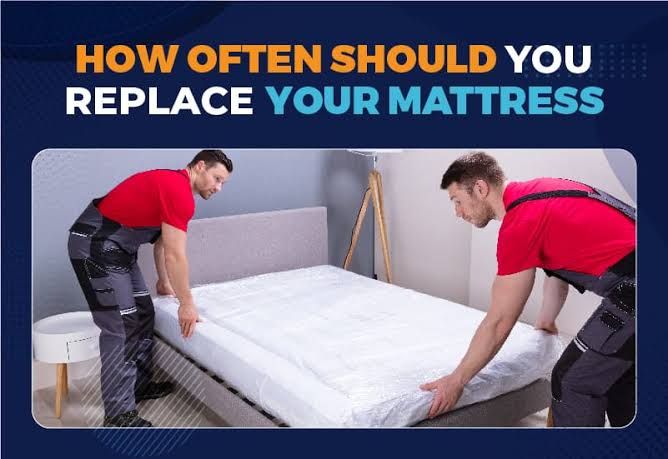
Every night, millions of people lie awake battling a racing mind, chronic tossing and turning, or those frustrating 3 AM awakenings. They often blame stress, caffeine, or blue light. But while sleep hygiene is incredibly important, the silent culprit is frequently right beneath them: a decaying, unsupportive mattress. When your spine is out of alignment, your muscle fibers remain tensed and your autonomic nervous system stays on high alert. That is why we wrote this definitive mattress disposal guide: to help you understand when to move on and how to do it without the stress.
Before you drag your old mattress out of the bedroom, it is essential to prepare. Proper planning prevents municipal fines, protects your health, and keeps bulky materials out of local landfills. In this mattress disposal guide, we will walk you through the essential steps to prepare, execute, and track your transition to a better sleep environment.
Prerequisites for Discarding Your Mattress
To successfully navigate the disposal process, you must first gather a few details and tools:
- Check Your Local Regulations: Bulk waste pick-up policies vary widely by city and county. Reviewing state-specific mattress laws is crucial, especially in states like California, Connecticut, or Rhode Island, where recycling programs are state-mandated.
- Purchase a Mattress Disposal Bag: Many municipal curbside trash collectors will not touch a mattress unless it is completely sealed in a heavy-duty plastic mattress bag to prevent the spread of bedbugs and protect sanitation workers.
- Verify Mattress Materials: Determine if you have an innerspring, hybrid, latex, or memory foam mattress, as this determines how easily the components can be recycled.
Step-by-Step Execution Guide
Once you are ready, follow these clear steps to clear out your old bed safely:
- Step 1: Inspect the Mattress Thoroughly: Look for tears, heavy stains, structural sagging, and signs of household pests. If the mattress is in decent, clean condition, you should prioritize donation or recycling over throwing it away.
- Step 2: Bag and Seal It: Slide the mattress into a heavy-duty plastic disposal sleeve. Use thick packing tape to completely seal all open seams. This is a critical requirement highlighted in every trustworthy mattress disposal guide.
- Step 3: Choose Your Disposal Avenue:
- Curbside Recycling/Trash Pick-up: Call your local waste management office to schedule a bulk pickup day. Be sure to ask if they have a dedicated truck for recyclables.
- Professional Eco-Friendly Junk Removal: Hire a local green junk disposal company that guarantees parts of your mattress will be recycled.
- Retailer Take-Back Programs: If you are purchasing a new mattress, check if the delivery company offers a direct removal service for your old one.
- Step 4: Track Your Recovery Improvements: Getting rid of a bad bed is only half the battle. To see how your body benefits from a new setup, you need an objective way to track your recovery. Traditional smartwatches are often bulky, have short battery lives, and can disrupt your sleep with glowing screens.
Our team recommends tracking your sleep stages with a screen-free, lightweight alternative like the Herz P1 Smart Ring. Made from durable, aerospace-grade titanium, it sits comfortably on your finger all night. With medical-grade biometric sensors, it maps your Sleep Stages (REM, Deep, Light) and your Heart Rate Variability (HRV) to calculate a clear, daily Recovery Score—all without a screen to wake you up or recurring monthly subscription fees.
Common Pitfalls & Mistakes
When searching for where to trash mattress units or trying to figure out what to do with old mattress materials, many people run into easily avoidable problems:
- Leaving It Uncovered: Leaving a bare mattress outside in rainy or humid weather makes it heavy and waterlogged, which can cause waste management teams to refuse to pick it up.
- Illegal Curbside Dumping: Placing a giant bed frame or box spring next to a random trash bin without scheduling bulk pickup can result in steep fines. Always check your local ordinances first.
- Ignoring Memory Foam Guidelines: Throwing memory foam mattresses directly into standard trash bins is harmful to the environment. Because memory foam contains petroleum-based materials, it requires specialized processing to break down safely. Knowing how to get rid of memory foam mattress units properly helps reduce landfill waste.
Quick Mattress Disposal Checklist
- Confirm your municipality’s bulk pickup calendar.
- Purchase a certified, heavy-duty plastic mattress bag.
- Clean and vacuum the surface to confirm there are no pests.
- Wrap and tape the mattress completely.
- Arrange a pick-up time or drop off the mattress at an authorized recycling facility.
Replacing an unsupportive, aging bed can help resolve chronic morning stiffness, relieve joint pressure, and put an end to restless tossing and turning. Utilizing a structured mattress disposal guide ensures your transition is quick, efficient, and environmentally responsible.
Eco-Friendly Alternatives: How to Recycle or Donate an Old Bed
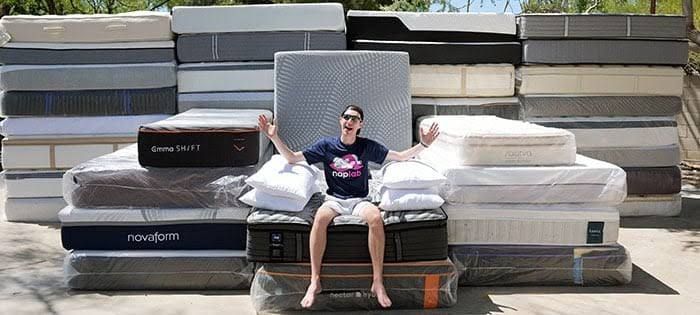
Every year, more than 20 million mattresses are thrown into landfills in the United States alone. They pile up quickly, taking up massive amounts of space because they do not compress easily. If you are trying to figure out what to do with old mattress units, choosing an eco-friendly option like recycling or donating is the best way to reduce waste and keep valuable materials out of landfills.
Most traditional spring beds are highly recyclable. When you send one to a certified facility, it is broken down into its basic materials. Steel springs are melted down for scrap metal, wood frames are shredded into garden mulch, and fiber layers are converted into industrial padding. If you are using this mattress disposal guide to find greener solutions, check out eco-friendly recycling programs near you. Many cities have specialized drop-off centers that process old beds for a minimal fee.
How to Recycle Memory Foam Safely
Memory foam has become incredibly popular, but disposing of it requires a bit more care. Because memory foam is made of polyurethane, throwing it straight into a landfill can release synthetic chemicals into the ground over time. Understanding how to get rid of memory foam mattress materials responsibly is essential.
According to a memory foam degradation study, these materials can take centuries to break down naturally. Fortunately, specialized recycling centers can shred old foam and repurpose it into carpet underlayment or insulation. When looking into where to trash mattress units made of foam, check if your local facility has a dedicated foam recovery program.
If you prefer a hands-on approach, you can also look into DIY mattress deconstruction. By carefully cutting away the outer fabric cover with a utility knife, you can harvest the steel springs, wood, and foam layers yourself. This lets you sort and recycle each material individually, ensuring nothing goes to waste.
When Is a Mattress Fit for Donation?
Donation is a fantastic way to give an old bed a second life, but charities have very strict standards for health and safety. To qualify for donation, your mattress must be in clean, usable condition. It should have no deep sags, structural damage, large tears, or stains. Most importantly, it must be completely free of bedbugs.
Review the mattress donation guidelines of local organizations like Habitat for Humanity, the Salvation Army, or local shelters before dropping it off. If your mattress does not meet these clean donation standards, recycling is your next best option. If you decide to go with a paid pick-up service, reviewing a junk removal costs comparison can help you find an affordable, reliable local provider.
Connecting Your Environment to Your Biometrics: Why an Old Bed Ruins Recovery

Our sleep environment has a direct, measurable impact on our physical recovery and overall well-being. When you sleep on a mattress that has lost its structural support, your body pays the price. A sagging bed forces your spine out of its natural alignment, putting constant pressure on your muscles and joints. This physical discomfort makes it hard to relax, keeping your nervous system on high alert and leading to shallow, unrefreshing sleep.
When your body experiences physical stress overnight, it struggles to drop into deep, restorative sleep. This shows up directly in your recovery data. Your Heart Rate Variability (HRV) drops, and you spend less time in the deep sleep stages where your muscles and tissues repair themselves. This physical strain is often what causes those frustrating 3 AM awakenings, leaving you with morning brain fog and muscle stiffness.
This is where monitoring your sleep metrics becomes so valuable. Instead of guessing how your sleep environment affects your body, you can use objective data. By utilizing biometric sleep tracking insights, you can see exactly how changes to your bedroom setup improve your sleep. Tracking these trends helps you connect the quality of your mattress directly to your body’s physical recovery.
Beyond Your Mattress: Reclaim Your Daily Recovery
Creating a clean, comfortable sleep environment is the first step toward better rest. But to truly understand how your body is recovering, you need an easy, reliable way to track your sleep trends over time.
The Herz P1 Smart Ring offers a simple, screen-free way to monitor your recovery. This sleek, titanium ring tracks your sleep stages, HRV, and daily activity to give you an intuitive Recovery Score—without any screens, bulky watches, or monthly subscription fees.
Understanding Your Sleep Biometrics
Tracking your daily health metrics can help you see the real benefits of upgrading your sleep setup. Key metrics to pay attention to include:
- Heart Rate Variability (HRV): HRV measures the variation in time between each heartbeat. A higher HRV is a sign that your body is relaxed, recovering well, and handling stress effectively. A sagging, unsupportive mattress can cause physical discomfort that lowers your HRV overnight.
- Deep Sleep Duration: Deep sleep is the stage where your body repairs muscles, builds bone, and strengthens your immune system. Physical discomfort from a bad bed can pull you out of deep sleep, leaving you feeling tired and sore in the morning.
- REM Sleep Cycles: REM sleep is crucial for cognitive function, memory, and emotional health. Frequent wake-ups caused by an uncomfortable mattress can disrupt these cycles, leading to brain fog and trouble focusing during the day.
By using a structured mattress disposal guide, you can easily clear out your old bed and make room for a better, more supportive sleep setup. Over time, monitoring your sleep metrics will show you just how much a comfortable, supportive environment helps your body rest, recover, and wake up feeling refreshed every day.
Disclaimer: Results may vary depending on individual physical activity levels, unique health conditions, and daily tracking patterns. This guide is for informational purposes only and does not replace professional medical advice.
