

5 Essential Mattress Construction Insights for Restorative Sleep
Do you wake up at 3 AM with a racing mind and a stiff lower back? Achieving restorative deep sleep is more than just a mental battle—it starts with understanding physical alignment. In this guide, we break down science-backed mattress construction and introduce a screen-free Herz P1 Smart Ring tracking solution to measure your sleep quality.
Take Back Your Sleep.
Take Back Your Life.
- Fall asleep faster & sleep deeper
- Stop waking up in the middle of the night
- Wake up refreshed & full of energy
- Demystifying Materials: How different mattress layers impact physiological restoration, spinal alignment, and thermal control.
- The Art of Manufacturing: A detailed breakdown of how mattresses are made and their physical impact on deep sleep.
- Sleep Stage Verification: Why tracking biometrics screen-free is vital to understanding whether your mattress is actually working.
- The Science of Recovery: How heart rate variability (HRV) and sleeping patterns shift when sleeping on optimized supports.
Understanding Mattress Construction: Core Layers & Comfort Materials
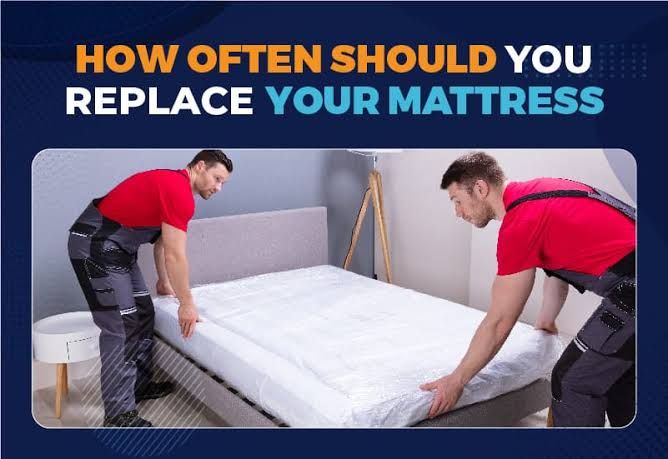
When you lie awake in the quiet hours of the night, staring at the ceiling as a racing mind keeps you from drifting off, your immediate thought might be to blame daily stress or a late-afternoon cup of coffee. However, for many of us, the silent culprit behind non-restorative sleep and frequent 3 AM awakenings lies directly beneath our bodies.
How a bed is put together plays a decisive role in physical comfort and long-term sleep architecture. Investing time in evaluating the specifics of mattress construction is crucial to setting up an optimal environment for physical restoration.
Understanding the layers of your mattress helps explain why you might wake up with brain fog or localized lower back stiffness. Different mattress materials serve distinct purposes, working together to keep the spine neutral, cushion sensitive pressure points, and disperse body heat. When these elements fail, your body works overtime during sleep, leading to microscopic movements that pull you out of deep recovery phases.
An incorrect sleep surface puts constant physical strain on your muscles and tendons. Instead of resting during deep sleep stages, your autonomic nervous system stays active to protect the spinal column. This persistent muscle tension lowers your nocturnal heart rate variability (HRV) and increases brief micro-arousals, leaving you feeling chronically fatigued.
### Our Selection & Evaluation Criteria
To help you navigate the complex market of sleep surfaces and modern health tools, our team at Mind Body Dan uses a strict evaluation matrix. We evaluate products and materials based on:
1. **Spinal Alignment Potential:** The material’s capacity to preserve natural, healthy postures across all sleeping positions.
2. **Pressure Point Relief:** How effectively the design cradles key areas like the hips, shoulders, and lower back to prevent restricted blood circulation.
3. **Thermal Regulation & Airflow:** The breathability of the configuration to maintain an ideal core temperature for deep sleep.
4. **Long-Term Durability:** Structural resilience over years of daily compression.
5. **Biometric Validation:** The integration of advanced, non-invasive tracking to measure and confirm positive shifts in sleep stages.
### Quick Comparison of Sleep Systems & Biomarkers
Below is a summary of how primary mattress construction styles interact with key biometric recovery metrics, along with our recommended validation companion.
| System Type | Primary Focus | Deep Sleep Impact | Thermal Profile | The Sleep Validator |
|---|---|---|---|---|
| Innerspring | Responsive Bounce | Moderate (Motion transfer issues) | Excellent Coolness | Standard Mattress |
| Memory Foam | Deep Contouring | High (Excellent pressure relief) | Tends to Heat Up | Standard Mattress |
| Natural Latex | Eco-Friendly Bounce | High (Balanced cradling) | Highly Breathable | Standard Mattress |
| Hybrid | Targeted Support | Very High (Combines coils & foam) | Well Balanced | Standard Mattress |
| Herz P1 Smart Ring | Biometric Tracking | Measures Recovery Directly | Neutral/Wearable | The Ultimate Tracker |
—
### Detailed Analysis of Mattress Construction & Validation Systems
#### 1. Innerspring Mattress Construction
Traditional innerspring setups are engineered around metal coils that compress under weight. This design is highly valued for its responsive feel and open air channels.
The Deep Science: This layout uses continuous wire systems or offset coils to create an active push-back effect. The open spaces within the innerspring coil variations allow hot air to escape, helping keep body temperature down during sleep.
Strengths: Outstanding perimeter edge support, easy movement for combination sleepers, and natural temperature control.
Weaknesses: High motion transfer. If a partner moves on an interconnected coil system, the vibrations can travel across the bed, causing subtle awakenings that disrupt deep sleep.
Ideal For: Sleepers who run hot at night and prefer a traditional, responsive feel over a contouring hug.
#### 2. Memory Foam Mattress Construction
Memory foam beds prioritize pressure relief by swapping out metal spring systems for layers of polyurethane foam.
The Deep Science: Using specialized memory foam mattress layer properties, this design responds to body heat and weight to contour directly to your shape, distributing body weight evenly to prevent pressure build-up.
Strengths: Exceptional motion isolation and excellent pressure relief for shoulders and hips, helping reduce tossing and turning.
Weaknesses: The dense material can trap body heat, which may interfere with the natural temperature drop needed for deep sleep stages.
Ideal For: Sleepers who wake up with joint pain or are easily disturbed by a partner’s movements during the night.
#### 3. Natural Latex Mattress Construction
Natural latex is harvested from the sap of rubber trees, offering an eco-friendly and resilient alternative to synthetic foams.
The Deep Science: By utilizing natural latex foam extraction methods, manufacturers create a responsive, open-cell structure. It contours to the body to relieve pressure while maintaining a quick bounce-back response.
Strengths: Naturally hypoallergenic, highly durable, and more breathable than memory foam.
Weaknesses: Often comes with a higher upfront cost and a heavier overall weight, making it harder to move.
Ideal For: Eco-conscious buyers looking for resilient, buoyant support without a sinking feeling.
#### 4. Hybrid Mattress Construction
Hybrids blend the body-contouring comfort of foam or latex with the robust support of individually wrapped pocketed coils.
The Deep Science: These designs place pocketed coils at the core to handle deep support, while comfort layers of foam or latex cushion the surface. This combination provides targeted support to help maintain healthy posture.
Strengths: Excellent balance of pressure relief and stability, with strong perimeter edge support systems and steady airflow.
Weaknesses: Typically more expensive and heavier than all-foam alternatives.
Ideal For: Side and combination sleepers who want deep contouring comfort without sacrificing spinal alignment or temperature control.
#### 5. Herz P1 Smart Ring: The Ultimate Sleep Validator
While choosing the right mattress is key, how can you be sure your new bed is actually improving your sleep? That is where advanced biometric tracking comes in. The **Herz P1 Smart Ring** offers an elegant, screen-free way to monitor your rest, translating complex physical recovery data into clear, actionable insights.
The Deep Science: Equipped with medical-grade biometric sensors, this lightweight titanium ring tracks your heart rate, Sleep Stages (REM, Deep, Light), and Heart Rate Variability (HRV) throughout the night. It processes these data points using refined algorithms to deliver an intuitive, daily Recovery Score.
Strengths:
- Subscription-Free Model: No hidden monthly fees—buy it once and access all your recovery data forever.
- Screen-Free Titanium Design: Ultra-lightweight and comfortable, avoiding the blue-light distractions of smartwatches that can disrupt your circadian rhythm.
- Outstanding Battery Life: Solves the hassle of daily charging common with bulky wearables.
- Clear Daily Insights: Easily correlates your sleep metrics with real-world changes, like a new mattress or a better bedtime routine.
Weaknesses: Screen-free design means you must open the companion app on your phone to view data; there is no real-time display on the ring itself.
Ideal For: Wellness enthusiasts, busy professionals, and anyone looking to optimize their sleep environment and track recovery without subscription costs or screen distractions.
—
### Mattress Buying Guide: Aligning Construction with Sleep Positions
Finding the right mattress construction depends largely on your primary sleeping position. The goal is to keep your head, neck, spine, and pelvis in a natural, neutral line.
* **Side Sleepers:** Need a mattress with deep pressure relief at the shoulders and hips. A hybrid or memory foam build works well to cradle these areas while maintaining healthy alignment.
* **Back Sleepers:** Require balanced support. The mattress must contour to the lower back without letting the hips sink too deep, which can strain the lumbar spine. A medium-firm hybrid or latex build is often ideal.
* **Stomach Sleepers:** Need firm, stable support. If the mattress is too soft, the hips sink, bowing the lower back and causing muscle strain. A firm hybrid or structured innerspring design keeps the pelvis aligned.
### Final Recommendations
1. **For Balanced Pressure Relief & Structural Support:** Go with a **Hybrid Mattress**. It offers the contouring comfort of foam alongside the stable, responsive support of pocketed coils.
2. **For Motion Isolation & Joint Comfort:** Choose a **Memory Foam Mattress**. It excels at dampening movement and cradling sensitive pressure points.
3. **To Track and Validate Your Sleep Quality:** Use the **Herz P1 Smart Ring**. It is the perfect screen-free companion to monitor your sleep stages and verify if your mattress setup is truly delivering deep, restorative rest.
How Mattresses Are Made: From Raw Materials to Completed Support Systems
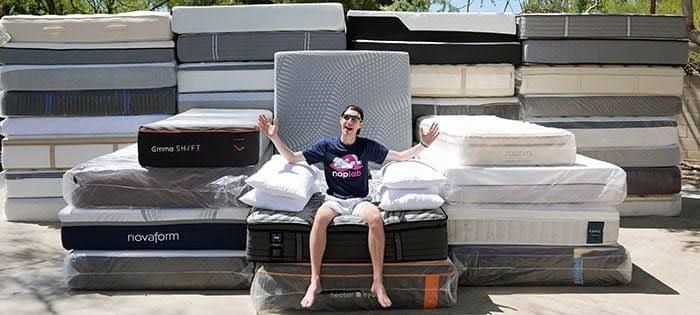
Understanding the engineering behind mattress construction sheds light on why certain beds retain their shape for years while others sag quickly. Learning **how mattresses are made** reveals the craftsmanship and detail that go into constructing a high-quality sleep surface.
The manufacturing process begins by preparing the core support layer. For spring and hybrid models, high-carbon steel wires are coiled and heat-treated. This tempering process ensures the steel retains its bounce and strength over time. In pocketed spring designs, each coil is enclosed in a durable fabric sleeve. This configuration isolates motion, allowing individual coils to respond independently to pressure.
For foam and latex mattresses, liquid formulas are poured into molds or set onto large conveyors to rise. Polyurethane and memory foams are produced using chemical agents that generate a supportive bubble structure. Premium latex is made using natural rubber tree sap, whipped into a foam and baked using Dunlop or Talalay processes. Talalay latex offers a lighter, more consistent texture, whereas Dunlop latex produces a denser, highly durable foam suitable for core support layers.
Once the individual layers are ready, they are brought together on an assembly line. Modern adhesives or structural tufting secure the foam layers to the pocketed coil system. The layers must be aligned carefully, as even minor shifts during assembly can affect the bed’s overall durability and comfort.
The final stage of assembly involves applying the cover, often made of organic cotton, wool, or cooling synthetic fibers. The cover is pulled over the layers and stitched together at the edges using a heavy-duty industrial sewing machine. Quilting layers of wool or soft foam directly into the cover adds extra surface comfort and helps disperse heat.
Understanding **how mattresses are made** also highlights the importance of choosing high-quality materials. Synthetic foams can release volatile organic compounds (VOCs) during their first few weeks of use—a process known as off-gassing. For sensitive sleepers, these microscopic particles can cause mild airway irritation, causing subtle micro-arousals and disrupting the deeper stages of sleep.
Choosing mattresses made with CertiPUR-US certified foams or organic materials helps protect your air quality and sleep comfort. High-quality construction and clean materials reduce physical stress, supporting deep sleep and helping you wake up refreshed and clear-headed.
When a mattress keeps your body properly aligned, your nervous system can transition fully into a restorative parasympathetic state. This deeper rest is marked by a steady decline in heart rate and an increase in Heart Rate Variability (HRV), helping rebuild physical energy and support cognitive function.
Validating Your Sleep System: Screen-Free Biometrics to Measure Restorative Sleep
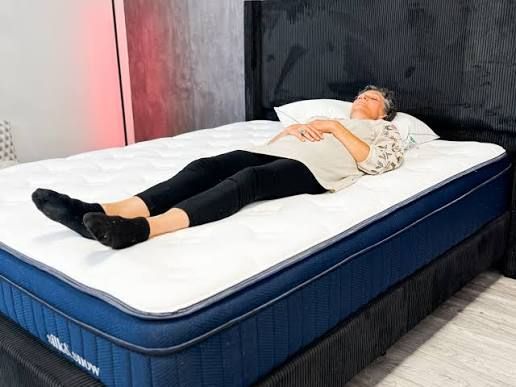
Changing your sleep setup with a new mattress is a great first step, but verifying its real-world impact on your physical recovery requires consistent, objective tracking.
Unfortunately, many modern fitness trackers and smartwatches introduce their own set of challenges. Large screens, bright displays, and constant notifications can disrupt your wind-down routine, while bulky wristbands can feel uncomfortable to sleep in. In addition, many popular wearables require daily charging and carry ongoing monthly subscription fees just to access your own data.
The **Herz P1 Smart Ring** offers an elegant, screen-free alternative designed to fit seamlessly into your life. Made of lightweight, durable titanium, it sits comfortably on your finger, tracking key metrics through the night without the distraction of a screen.
Why We Advocate for Screen-Free Recovery Tracking
Excellent sleep hygiene relies on keeping your bedroom a calm, screen-free sanctuary. Avoiding bright screens before bed helps support your body’s natural melatonin production. By choosing a screen-free wearable, you can capture detailed sleep and recovery data without the sleep-disrupting blue light of smartwatches.
With its medical-grade biometric sensors, the Herz P1 Smart Ring tracks the heart rate, sleep stages, and Heart Rate Variability (HRV) metrics that reflect your physical rest. When you sleep on a mattress that supports healthy, natural posture, you will likely see a steady improvement in your HRV and deeper, more consistent recovery cycles.
Best of all, the Herz P1 Smart Ring operates on a subscription-free model. You buy the ring once and own all your health data forever, avoiding hidden monthly fees. By translating complex bio-data into a simple, daily Recovery Score, it helps you easily see how changes to your sleeping environment impact your health.
Optimizing your sleep is a journey of small, conscious adjustments. Aligning your sleep surface with your physical needs and validating those changes with a comfortable, screen-free tracker empowers you to take charge of your recovery—so you can wake up each morning feeling energized, focused, and ready for the day ahead.
Disclaimer: Results may vary depending on individual physical activity levels, unique health conditions, and daily tracking patterns. This content is for informational and educational purposes only and is not intended as medical advice. Always consult a healthcare professional before starting any new wellness program or making significant changes to your physical routine.
