

What Is the Mallampati Score and How Does It Predict Sleep Apnea?
Struggling with waking up gasping, morning brain fog, or persistent fatigue? Your airway anatomy could be the hidden culprit. Understanding your mallampati score can help evaluate your risk for airway obstruction. By monitoring how these structural factors impact your physiological recovery with a screen-free biometric smart ring, you can reclaim restful, deep sleep.
Take Back Your Sleep.
Take Back Your Life.
- Fall asleep faster & sleep deeper
- Stop waking up in the middle of the night
- Wake up refreshed & full of energy
- The **mallampati score** is a simple anatomical assessment used by medical professionals to estimate airway space.
- A higher rating on the **mallampati scale** correlates with a narrower airway and an increased likelihood of sleep-disordered breathing.
- Understanding your structural risk helps explain why you might experience frequent micro-arousals and non-restorative sleep.
- Tracking sleep metrics comfortably with a screen-free Herz P1 Smart Ring empowers you to optimize recovery without bulky watch distractions.
Visualizing Your Airway: The Science of the Mallampati Classification

Quick Answer
Yes, your airway structure plays a significant role in sleep quality and respiratory stability. The short answer is that the mallampati score is a physical assessment tool used to estimate the space inside your oral cavity to determine how likely your airway is to collapse when you lie down. However, to choose the right wellness adjustments and track your physical recovery, you need to understand how this anatomical rating relates to your nightly sleep patterns and heart rate variability.
Detailed Explanation
First introduced in 1985 by anesthesiologist Dr. Seshagiri Mallampati, the mallampati score was originally designed to predict how difficult it would be to intubate a patient before surgery. By looking inside a patient’s open mouth, doctors could see how much space was available relative to the size of the tongue. Over the years, sleep specialists realized that this exact same assessment—known widely as the mallampati classification—could serve as a reliable, non-invasive physical indicator for Obstructive Sleep Apnea (OSA).
The core physiological mechanism is simple. When you sleep, the muscles in your throat naturally relax. If you have a high mallampati score, it means your tongue is relatively large compared to your oral cavity, or your soft palate sits low, leaving very little open space in your throat. When you lie flat on your back, gravity pulls these relaxed tissues downward. In narrow airways, this physical collapse partially or completely blocks the flow of air, leading to a drop in blood oxygen levels and triggering a sudden, stress-inducing awakening.
Your nervous system interprets this airway collapse as a life-threatening event. It immediately floods your body with adrenaline, causing your heart rate to spike and your nervous system to switch from a restorative parasympathetic state into a stressed sympathetic state. This translates directly into poor heart rate variability (HRV) and fragmented sleep cycles. You might not remember these quick micro-arousals, but you will definitely feel their impact the next morning as a heavy fog, physical fatigue, or a racing mind.
When to Use / Not to Use
A physical assessment of your throat is incredibly useful when you are trying to understand the root cause of your chronic fatigue. If you suspect your airway is narrow, examining your mouth in the mirror using the mallampati scale can give you an immediate clue.
However, it is crucial to know when *not* to rely solely on this measurement. A physical airway score is a structural risk marker, not a diagnosis. A low score does not guarantee perfect sleep, nor does a high score mean you are guaranteed to stop breathing. It must always be interpreted alongside subjective symptoms—like morning headaches and 3 AM awakenings—and objective biometric tracking that measures your actual sleep architecture, heart rate, and nightly recovery trends.
An airway score shows what your body looks like, but tracking sleep shows how your body *functions*. If your airway is structurally narrow, keeping tabs on your nightly Sleep Stages (Deep, REM, Light) and your Heart Rate Variability (HRV) is the most reliable way to understand how well your body is managing that physical stress during the night.
Suggested Solutions
If you suspect or have been told you have a high score on the mallampati scale, several gentle, lifestyle-based steps can help optimize your airway space and protect your sleep quality:
- Practice Side Sleeping: Sleeping on your back allows gravity to pull your tongue and soft palate backward. Sleeping on your side keeps your airway structurally more open and stable.
- Myofunctional Therapy: Simple tongue and throat exercises can help strengthen the muscles surrounding your upper airway, reducing the likelihood of soft tissue collapse during deep sleep.
- Monitor Nightly Biometrics: Instead of guessing whether your sleep is improving, utilize an advanced health wearable to track your sleep trends.
Many wellness enthusiasts find traditional smartwatches too bulky, uncomfortable, or distracting to wear to bed—especially if they light up and wake you up in the middle of the night. A comfortable, screen-free wearable like the Herz P1 Smart Ring offers a lightweight, titanium solution. It tracks your Sleep Stages, resting heart rate, and HRV, giving you a clear, simple Recovery Score every morning without subscription fees or annoying notifications.
Short FAQ
Q: What is the primary purpose of the mallampati score?
A: Its primary purpose is to assess the relationship between the size of the tongue and the oral cavity. This helps clinicians estimate airway space, making it a valuable tool for predicting respiratory obstruction risks during medical procedures and sleep.
Q: How does a narrow airway impact my daily heart rate variability (HRV)?
A: When your airway collapses or narrows, your brain triggers a micro-arousal to force you to breathe. This activates your sympathetic nervous system, causing your heart rate to rise and your HRV to drop. Low nightly HRV is a key indicator of accumulated physical stress and poor recovery.
Q: Can I check my own score at home?
A: Yes, you can get a general idea by sitting upright, opening your mouth as wide as possible, and sticking out your tongue without phonating (making a sound). However, a professional evaluation by a doctor or sleep specialist is always recommended for accuracy.
Decoding Mallampati Classes: From Class I to Class IV

To fully understand how your throat structure affects your sleep quality, you need to look at the four distinct levels of the mallampati scale. When doctors perform this exam, they look for specific structures: the hard palate, the soft palate, the uvula (the small tissue that hangs down at the back of the throat), and the tonsillar pillars.
Here is how the mallampati classification breaks down:
- Class I (Full Visibility): In a Class I airway, the soft palate, uvula, fauces (the opening at the back of the mouth), and tonsillar pillars are completely visible. This indicates an open, spacious throat with plenty of room for air to flow freely. People in this category generally have a low risk of structural airway collapse.
- Class II (Moderate Visibility): In Class II, the soft palate, fauces, and the upper portion of the uvula are visible, but the tonsillar pillars are partially hidden by the tongue. While the space is slightly reduced, there is still a decent amount of clearance.
- Class III (Limited Visibility): In Class III, only the soft and hard palates are visible, along with perhaps the very base of the uvula. The rest of the throat is obscured by the tongue. This indicates a highly crowded airway. If you fall into this mallampati class, your risk of experiencing sleep-disordered breathing rises significantly.
- Class IV (No Visibility): In Class IV, the soft palate is completely invisible. Only the hard palate (the bony roof of your mouth) can be seen. The tongue completely crowds the back of the throat. This category is highly associated with moderate-to-severe airway blockages and is a strong physical marker for mallampati score sleep apnea issues.
The Link Between Airway Crowding and Sleep Apnea
When your throat falls into Class III or Class IV, the physiological consequences during the night are profound. When we transition into deep sleep and REM sleep, our muscle tone naturally drops to keep us from acting out our dreams. For someone with an open airway, this muscle relaxation isn’t an issue. But if your physical anatomy is already crowded, that loss of muscle tone causes the airway to narrow even further or collapse completely.
When the airway blocks, breathing stops. Your body enters a state of hypoxia (low blood oxygen). Your heart has to pump harder to deliver oxygen to your vital organs, and your sympathetic nervous system is suddenly activated. This triggers a brief arousal—often a sudden snort or gasp—to restore muscle tone to the throat so you can breathe.
This survival mechanism keeps you alive, but it completely destroys your sleep architecture. If this happens multiple times an hour, you are prevented from spending adequate time in restorative Deep and REM sleep stages. You might wake up with your heart racing, experiencing a dry mouth, or suffering from a heavy fog that lasts all day.
This is why managing your recovery is so critical. Tracking these nightly trends with a premium, subscription-free smart ring allows you to monitor how your body responds to positional adjustments, hydration, and lifestyle changes. Because a smart ring is incredibly lightweight and worn on your finger, it provides a much more comfortable, screen-free alternative to bulky watches that can further irritate an already restless sleeper.
A high score on the mallampati scale is often accompanied by other physical features, such as a large neck circumference, a recessed jaw, or a crowded dental arch. Monitoring these physiological traits alongside your morning recovery score can help you build a complete picture of your wellness.
By using a comfortable smart ring, you can easily gather data on how your body is recovering over time. This lets you observe if simple habit adjustments—like avoiding alcohol close to bedtime, which further relaxes throat muscles—help improve your nightly sleep and heart rate trends.
Beyond the Anatomy: How to Track and Optimize Recovery When Airway Space is Limited
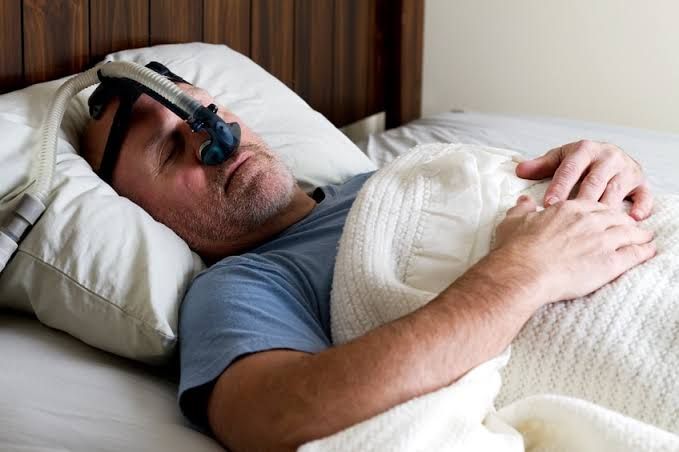
Understanding that you have a higher mallampati score is an empowering first step. It means you no longer have to wonder why you feel exhausted despite sleeping for eight hours. It gives you a clear, physiological target to work with. But because we cannot easily change our basic jaw structure or tongue size without surgery, our focus must shift to optimization and tracking.
To protect your cardiovascular health and cognitive clarity, you need to understand how well your body is managing its nighttime recovery. When an airway is narrow, your heart and autonomic nervous system must work harder to keep you oxygenated. This is where tracking Heart Rate Variability (HRV) becomes an invaluable tool for your daily wellness.
The Physiology of HRV and Sleep Recovery
HRV is the tiny variation in time between consecutive heartbeats. It is controlled by your autonomic nervous system. When you are relaxed and recovering well, your parasympathetic nervous system is dominant, resulting in a higher, more flexible HRV. When your body is stressed—such as when a restricted airway forces your heart to work harder to circulate oxygen—your sympathetic nervous system takes over, causing your heart rate to become highly regular and your HRV to drop.
By monitoring your HRV during the night, you can get a clear, objective look at how hard your heart is working. If you implement positive habits, such as sleeping on your side or using a nasal dilator, and see your average nightly HRV rise and your resting heart rate stabilize, you have real proof that your airway stress is decreasing.
- Use a Mouth Tape or Nasal Strips: Encouraging nasal breathing keeps the tongue positioned forward against the roof of the mouth, naturally opening up space at the back of the throat.
- Avoid Sedatives and Alcohol: These substances deeply relax the muscles of your upper airway, turning a mild Class II airway into a highly obstructed Class III or IV airway during sleep.
- Slightly Elevate the Head of Your Bed: Raising the head of your bed by just 4 to 6 inches can help use gravity to your advantage, keeping your tongue from falling backward.
Embracing Screen-Free, Subscription-Free Biometric Tracking
When you are trying to calm an overactive nervous system, the last thing you need is more digital noise. Standard smartwatches often feature bright screens that flash during the night, sending blue light straight to your eyes and disrupting melatonin production. Furthermore, many modern wearables lock your sleep data behind costly, recurring monthly subscriptions, forcing you to pay endlessly to access your own physiological metrics.
The Herz P1 represents a smarter, more elegant approach to health tracking. Designed to be completely screen-free, this ultra-lightweight titanium ring sits comfortably on your finger all night. It utilizes advanced, medical-grade biometric sensors to monitor your Sleep Stages (REM, Deep, and Light), resting heart rate, and HRV, translating complex biometric algorithms into a simple, actionable Recovery Score.
By choosing a premium, subscription-free sleep and recovery tracker, you buy the device once and own your data forever. It is the perfect companion for anyone seeking to optimize their airway health and physical recovery without the unnecessary distractions, bulky designs, or constant charging requirements of traditional smartwatches.
By combining structural awareness of your mallampati score with consistent physical tracking, you can systematically identify what helps your body rest, recover, and wake up with the energy you deserve.
Disclaimer: Results may vary depending on individual physical activity levels, unique health conditions, and daily tracking patterns. The information provided in this article is for educational and informational purposes only and is not intended as medical advice, diagnosis, or treatment. Always consult with a qualified healthcare professional or sleep specialist before making changes to your health regimen or physical therapy routine.
