

What Is Maladaptive Daydreaming and How Can You Reclaim Your Mental Clarity?
Are you constantly exhausted from living inside your own head? For many, compulsive fantasizing leads to a fragmented, racing mind and non-restorative sleep. Understanding maladaptive daydreaming and its physiological toll is the first step. By tracking sleep stages and HRV using a screen-free device like the Herz P1 Smart Ring, you can rebuild your cognitive recovery.
Take Back Your Sleep.
Take Back Your Life.
- Fall asleep faster & sleep deeper
- Stop waking up in the middle of the night
- Wake up refreshed & full of energy
Key Article Takeaways
- The Core Issue: Compulsive, immersive fantasy can overwhelm your daily life and elevate stress levels.
- Nervous System Strain: Active daydreams trigger hyperarousal, leading to high-beta brainwaves and poor sleep quality.
- The Metric Connection: Tracking Heart Rate Variability (HRV) and Sleep Stages reveals the physical toll of mental exhaustion.
- Actionable Healing: Grounding routines paired with a screen-free, subscription-free health tracker can break the feedback loop.
What Is Maladaptive Daydreaming and How to Stop It?

Quick Answer: Yes, you can manage and significantly reduce compulsive fantasizing. The short answer is that maladaptive daydreaming is an intense, immersive coping mechanism where individuals spend hours lost in complex, internally generated narratives, often at the cost of real-life relationships and cognitive performance. However, to choose the right strategy to stop it, you need to understand the underlying emotional triggers, your physiological stress profile, and how this state of constant mental arousal directly impacts your nervous system and nightly recovery.
We have all experienced a wandering mind during a boring meeting or a long commute. Standard daydreaming is a natural, healthy function of the human brain that aids in planning, creativity, and problem-solving. But when fantasy takes the driver’s seat and refuses to let go, it transforms into something else entirely. If you find yourself spending hours locked in highly structured, emotionally intense mental scenarios, you might be dealing with maladaptive daydreaming.
First identified by Professor Eliezer Somer in 2002, this condition involves compulsive, highly structured mental journeys. Unlike ordinary daydreaming, these vivid daydreams can last for hours at a time. They often involve complex casts of characters, detailed worlds, and high-stakes emotional plots. Those who experience them frequently pair their thoughts with physical movements, such as pacing, whispering, or hand gestures. To help you understand this phenomenon, we recommend starting with our comprehensive maladaptive daydreaming guide.
While it can feel like a harmless escape, many people eventually ask: is maladaptive daydreaming bad? While it is not a classified physical illness, the psychological and physical exhaustion it causes is very real. It can interfere with your career, disrupt your personal relationships, and leave you feeling utterly disconnected from reality. When your brain is firing continuously to sustain an imaginary universe, it consumes valuable glucose and oxygen, leaving you with severe brain fog during your waking hours. This constant mental strain makes recognizing the early signs of maladaptive daydreaming crucial before the habit becomes deeply entrenched in your daily routine.
How Maladaptive Daydreaming Affects Your Energy
Compulsive daydreaming keeps your brain in an active, analytical “high-beta” wave state. This continuous cognitive demand mimics physical stress, draining your cellular energy reserves and leaving you feeling physically exhausted, even if you spent the day sitting still. Breaking this cycle requires grounding your mind and monitoring your body’s recovery metrics.
Many individuals do not realize how deeply entrenched their maladaptive daydreaming patterns have become over time. They look for solutions to their chronic fatigue, thinking it is purely a physical issue, while ignoring the mental exhaustion of maintaining multiple imaginary lives. This is where clinical researchers often use the term maladaptive daydreaming disorder to describe a psychological state where fantasy becomes an addictive, compulsive behavior. It functions similarly to behavioral addictions, offering a temporary hit of dopamine to escape stress, anxiety, or trauma.
When is Fantasy Helpful vs. Harmful?
To help you self-identify your physiological and psychological needs, it is important to understand when inner visualization is useful and when it crosses the line into something problematic. Here is a quick breakdown to help you evaluate your own mental habits:
- Use Creative Visualization When: You are planning a project, rehearsing a presentation, or engaging in artistic creation. This type of daydreaming is intentional, short-lived, and leaves you feeling inspired and motivated to act in the real world.
- Avoid Compulsive Daydreaming When: The fantasy is used as a shield against uncomfortable emotions, conflicts, or daily tasks. If you are pacing back and forth, whispering to yourself, and feeling a compulsive urge to return to your thoughts, you are experiencing maladaptive daydreaming symptoms. This state actively drains your mental energy and lowers your ability to cope with real-life stressors.
To begin overcoming maladaptive daydreaming, you must bridge the gap between mental training and physiological recovery. Since compulsive fantasizing is often triggered by an overactive, anxious nervous system, treating your body with care is essential. This is where a screen-free, elegant biometric tracker like the Herz P1 Smart Ring comes into play. By monitoring your sleep architecture and Heart Rate Variability (HRV) without the blue-light distraction of a traditional smartwatch, you can see exactly how calming your mind during the day improves your body’s physical recovery at night.
— Team Mind Body Dan
Maladaptive Daydreaming FAQs
Q1: What are the main triggers for maladaptive daydreaming symptoms?
A1: Triggers commonly include stress, boredom, loneliness, academic or work pressure, and sensory inputs like listening to music while pacing. For many, music acts as an emotional amplifier that makes the fantasy world feel incredibly real and satisfying.
Q2: Is maladaptive daydreaming a form of dissociation?
A2: Yes, it is considered a form of absorption and mild dissociation. The individual becomes so absorbed in their internal world that they temporarily lose awareness of their physical surroundings, often losing track of time entirely.
Q3: How does compulsive daydreaming affect physical energy levels?
A3: Because the brain does not distinguish between a real emotional event and an imagined one, active daydreaming keeps your body in a state of high physiological arousal. This causes elevated cortisol levels, a faster resting heart rate, and lower heart rate variability, leading to feelings of deep physical exhaustion.
If you are tired of waking up with brain fog, unable to focus on the things that matter most to you, it is time to take action. Transitioning away from constant mental escape starts with tracking how your thoughts affect your physical body.
The Deep Neurological Link Between Immersive Fantasy and Sleep Quality

The human body requires a delicate balance between the sympathetic (fight-or-flight) and parasympathetic (rest-and-digest) nervous systems. When you are caught in a loop of compulsive fantasizing, your brain is working hard, firing up neural networks to maintain these detailed scenarios. This prolonged mental effort is a form of chronic emotional stress. To fully understand these dynamics, it helps to analyze the long-term maladaptive daydreaming effects on your nervous system.
When your nervous system is consistently overstimulated during the day, this state of hyperarousal does not simply vanish when you turn off the lights. Instead, it leads to a racing mind, making it incredibly difficult to fall asleep. If you do manage to fall asleep, you may suffer from frequent 3 AM awakenings, as your brain struggles to transition smoothly between different sleep stages. This directly cuts into your deep sleep and REM cycles, leaving you feeling tired and unrefreshed when morning comes.
A key biometric marker that reflects this sympathetic dominance is Heart Rate Variability (HRV). HRV measures the tiny variations in time between consecutive heartbeats. A high HRV indicates a flexible, resilient nervous system that can easily handle stress and quickly return to a state of rest. Conversely, a low HRV suggests that your body is locked in a state of stress, struggling to recover from daily demands. When you spend your day immersed in intense mental fantasies, your body stays under physical strain, which shows up as a low overnight HRV and a poor overall Daily Recovery Score.
Track Your Recovery, Screen-Free
The Herz P1 Smart Ring offers a premium, titanium, screen-free way to monitor your biometrics. Free from vibrating notifications and glowing screens, it quietly tracks your HRV, sleep stages, and overall recovery, helping you find balance without adding to your cognitive load.
Using a traditional smartwatch to track these metrics can actually make the problem worse. The bright screen, frequent vibration alerts, and daily charging requirements add to the visual and mental clutter that triggers your urge to escape into daydreaming in the first place. This is why a screen-free biometric tracker is such a valuable tool for anyone working on overcoming maladaptive daydreaming. It allows you to collect highly accurate sleep data, tracking your Deep, REM, and Light sleep stages, without the added distraction of another digital screen in your bedroom.
Restoring Balance: How to Use Grounding and Biometrics to Stop Maladaptive Daydreaming
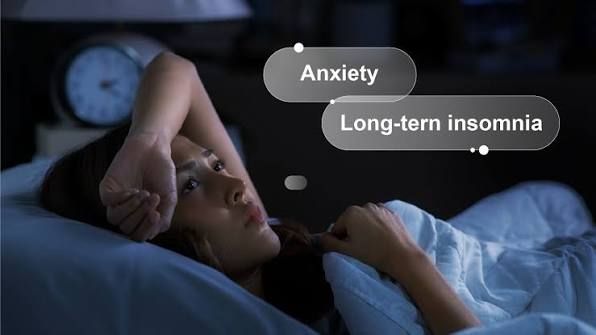
Reclaiming your focus and energy requires a two-pronged approach: practicing physical grounding techniques during the day and ensuring deep, restorative sleep at night. By combining these behavioral adjustments with clear physiological tracking, you can break the cycle of mental exhaustion and rebuild your daily cognitive reserves.
Grounding techniques are designed to interrupt the urge to escape into fantasy by bringing your awareness back to the physical world. One of the most effective methods is the 5-4-3-2-1 technique. When you notice yourself starting to drift off into a daydream, pause and identify:
- 5 things you can see: Focus on the texture of a desk, the shape of a plant, or the pattern on the wall.
- 4 things you can physically feel: The weight of your feet on the floor, the texture of your shirt, or the cool air on your skin.
- 3 things you can hear: The hum of a refrigerator, traffic in the distance, or the sound of your own breath.
- 2 things you can smell: The scent of coffee, a candle, or fresh air.
- 1 thing you can taste: The lingering flavor of a mint or a sip of water.
These sensory anchors help pull your brain out of the abstract, high-beta wave state and return it to the calm, present moment. Practicing these maladaptive daydreaming coping strategies regularly helps retrain your brain’s default mode network, making it easier to stay focused and present over time.
At the same time, replacing old maladaptive daydreaming behaviors with healthy habits is essential. For example, if you typically pace back and forth while daydreaming, try redirecting that physical energy into a structured walk or a workout. This shifts your movement from a repetitive, compulsive habit into an intentional physical outlet that supports cardiovascular health and naturally boosts your overnight recovery.
Ultimately, establishing a clear maladaptive daydreaming link to your sleep and daily fatigue is the most powerful motivator for change. When you can see the direct physical impact of your mental habits, staying committed to your grounding practices becomes much easier. This is where the Herz P1 Smart Ring provides invaluable, real-time feedback.
As you learn to manage your daydreaming during the day, you will likely see your overnight HRV rise and your deep sleep percentage increase. Your Daily Recovery Score will begin to climb, giving you clear, visual confirmation that your nervous system is finding its balance. And because the Herz P1 is subscription-free, you don’t have to worry about hidden monthly costs or locked features. You can simply wear it, gather your sleep and recovery data, and focus on reclaiming your mental clarity.
Why a Screen-Free Smart Ring is the Ideal Wellness Tool
For individuals with a highly active, imaginative mind, traditional smartwatches can often feel like a source of constant distraction. Here is how a screen-free smart ring helps support your focus and recovery:
- Zero Digital Distractions: No notifications, buzzing alarms, or glowing screens to interrupt your day or keep you awake at night.
- Comfortable & Lightweight: Made from medical-grade titanium, it is comfortable enough to wear to bed, helping you track your sleep stages without feeling bulky.
- Subscription-Free: You pay once and own your data forever, with no hidden fees or locked biometrics.
- Long Battery Life: Spend less time worrying about charging and more time focusing on your daily wellness routines.
Overcoming compulsive daydreaming is not about suppressing your creativity; it is about reclaiming control over your focus, your energy, and your time. By practicing simple grounding exercises, establishing a clean, screen-free sleep routine, and monitoring your body’s recovery metrics, you can transition from living in a world of constant mental distraction to feeling fully present and energized in your daily life.
Disclaimer: Results may vary depending on individual physical activity levels, unique health conditions, and daily tracking patterns. The biometric data collected by wearable devices is intended for informational and wellness purposes only, and should not be used as a substitute for professional clinical advice or diagnosis. Always consult with a qualified healthcare professional before making significant changes to your sleep, exercise, or lifestyle habits.
