

Layla vs Puffy Mattress Comparison: Which is Best for Restorative Sleep?
Tossing and turning at 3 AM with a racing mind is a clear sign of non-restorative sleep. Choosing between Layla and Puffy can feel overwhelming. At Team Mind Body Dan, we break down the biometric data to see which mattress actually supports deep sleep, and how tracking your cardiovascular recovery can objectively prove which bed restores your daily energy.
Take Back Your Sleep.
Take Back Your Life.
- Fall asleep faster & sleep deeper
- Stop waking up in the middle of the night
- Wake up refreshed & full of energy
- Structural Versatility: Layla features a unique flippable design with Soft and Firm sides, while Puffy excels in consistent, cloud-like pressure relief.
- Motion Isolation & Cooling: Puffy delivers exceptional motion isolation, making it ideal for couples, whereas Layla’s copper-infused foam focuses on pulling heat away from your body.
- The Biometric Connection: Changing your mattress can directly impact your REM and Deep Sleep stages. Tracking Heart Rate Variability (HRV) is the most reliable way to measure this recovery.
- A Screen-Free Solution: Instead of wearing bulky smartwatches that disrupt rest with bright screens and constant notifications, an ultra-lightweight titanium smart ring offers a distraction-free way to monitor sleep.
Layla vs Puffy: The Ultimate Sleep Science and Comfort Comparison
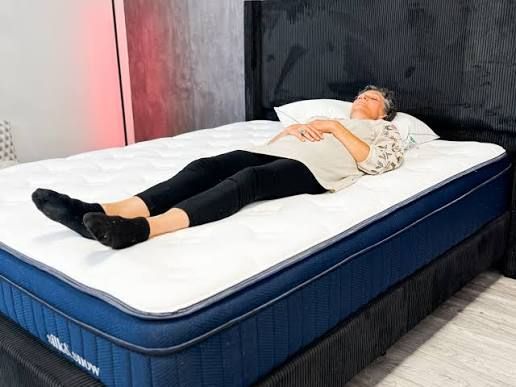
When you are looking for a mattress that can rescue you from non-restorative sleep, comparing marketing claims can make your head spin. Both Layla and Puffy have established massive reputations online for body contouring and comfort. However, when examining this comprehensive layla vs puffy analysis, we must look at how each mattress performs from a physiological standpoint.
Your mattress does more than just feel soft when you lie down. It acts as the structural foundation for your entire autonomic nervous system during the night. If a bed creates pressure points along your hips or shoulders, your brain will receive micro-arousal signals, shifting you out of restorative deep sleep and into light sleep stages. This happens even if you do not fully wake up. You might think you slept a full eight hours, but you wake up with persistent brain fog and low physical energy.
At-a-Glance Sleep Comparison
| Feature | Layla (Memory Foam) | Puffy (Cloud Mattress) |
|---|---|---|
| Design Style | Flippable (Dual-sided Soft & Firm) | Single-sided (Cloud-like contouring) |
| Cooling Tech | Copper-infused gel memory foam | Climate Comfort™ temperature-stabilizing foam |
| Motion Isolation | Excellent (absorbs movement well) | Outstanding (virtually zero motion transfer) |
| Edge Support | Moderate (typical of memory foam) | Good (reinforced foam casing) |
| Best For | Sleepless adjusters, hot sleepers, multi-positional | Side sleepers, joint pain sufferers, couples |
Product Overview: Layla vs Puffy
The core of the puffy vs layla comparison lies in the construction and adaptability of their foam layers.
The Layla Memory Foam Mattress stands out because of its flippable design. Instead of forcing you to commit to a single firmness rating, Layla provides two distinct comfort options in one cover. One side is soft (rated around a 4/10 on the firmness scale), which is excellent for side sleepers who need deep contouring around the shoulders. The other side is firm (rated around a 7/10), which appeals to back and stomach sleepers who require structural support to prevent the hips from sinking and pulling the spine out of alignment. Additionally, Layla incorporates copper-infused memory foam, which utilizes copper’s thermal conductivity to carry excess body heat away from the skin.
The Puffy Cloud Mattress focuses entirely on achieving a weightless, pressure-relieving feel that mimics sleeping on a cloud. Puffy’s multi-layered foam layout starts with a gel-infused cooling layer, followed by their proprietary Climate Comfort™ foam. This second layer is designed to resist expansion and contraction during ambient bedroom temperature changes, ensuring a consistent level of contouring support year-round. Puffy is highly regarded for its deep sink-in comfort, making it a favorite for individuals who wake up with achy joints or chronic stiffness.
Real-World Sleep Experience and the 3 AM Wake-Up Call
Let us look at a common scenario: you climb into bed at 10 PM. You are exhausted, but your mind is racing. Your heart rate is slightly elevated from a stressful day. Finally, you fall asleep, only to wake up at 3 AM. Your skin feels hot, your lower back feels tense, and you cannot find a comfortable position.
Our hands-on layla vs puffy mattress review indicates that both mattresses tackle these issues differently:
- Temperature Regulation: If sleeping hot is what causes your 3 AM awakenings, Layla’s copper-infused foam provides a distinct cool-to-the-touch sensation initially. Puffy’s gel-infused top layer is highly effective, but the deeper cradling sink-in effect can trap slightly more ambient heat around your torso for exceptionally warm sleepers.
- Spinal Alignment and Pressure Points: Understanding the subtle nuances of puffy vs layla is vital for back pain. Puffy’s specialized foam transition layer does an exceptional job of cradling the lumbar spine. However, if you are a strict stomach sleeper, you might find even Puffy’s supportive layers allow your hips to dip too much. In that case, flipping the Layla mattress to its firm side provides a flatter, more stable surface that keeps your spine in neutral alignment.
- Motion Isolation: If you sleep with a partner who tosses and turns, their movements can trigger your brain to enter a lighter sleep stage. Both of these all-foam beds excel at absorbing energy, but Puffy’s dense base foam provides near-perfect motion isolation.
The reality of sleep wellness is that comfort is entirely subjective. What feels like a supportive, restorative surface to a 180-lb back sleeper might feel stiff and uncomfortable to a 120-lb side sleeper. Because of this, you cannot rely entirely on online reviews to guarantee a mattress will improve your sleep.
The only way to know if these crucial layla vs puffy differences are actually improving your recovery is by tracking objective biometric markers—such as sleep stage durations and resting heart rate trends—using a dedicated wellness tracker.
Pros and Cons of Layla and Puffy
Layla Mattress Pros:
- Flippable design offers both soft and firm profiles in a single investment.
- Copper gel infusion provides excellent thermal transfer to combat night sweats.
- Rapid response foam prevents that stuck-in-the-mud feeling.
Layla Mattress Cons:
- Edge support is average, which might make you feel less secure when sleeping near the very edge.
- Flipping the mattress to change firmness can be physically demanding for a single person.
Puffy Mattress Pros:
- Superb deep pressure relief for shoulders and hips.
- Exceptional motion dampening keeps partner movements isolated.
- Consistent feel regardless of seasonal bedroom temperature changes.
Puffy Mattress Cons:
- Lacks a flippable option; you must be certain you enjoy a classic cradling foam feel.
- Strict stomach sleepers or heavier individuals may require more structural lift than the base foam provides.
If you are torn between layla vs puffy, consider your primary sleeping style. Side sleepers and joint pain sufferers often drift toward Puffy’s cloud-like embrace, while those who want to experiment with different firmness levels or struggle with excessive sleeping heat naturally lean toward Layla’s dual-sided copper system.
Biometric Tracking: How to Quantify Your Mattress Comfort and Deep Sleep Stages
How do we move away from subjective guesswork? This is where sleep science and biometric tracking enter the picture. To understand if a mattress is genuinely supporting you, we must examine your sleep architecture: Light Sleep, Deep Sleep, and REM (Rapid Eye Movement) Sleep.
Deep Sleep is when your body physically repairs itself. During this stage, your brain releases human growth hormone, tissues rebuild, and your immune system strengthens. REM sleep, on the other hand, is dedicated to cognitive recovery, emotional regulation, and memory consolidation. If your mattress is uncomfortable, you will experience micro-arousals. This means you might spend most of the night trapped in Light Sleep, missing out on the restorative phases that eliminate morning brain fog.
Traditionally, tracking these metrics required wearing a chunky smartwatch. However, smartwatches present significant operational issues for many sleep-conscious users:
- Bulkiness and Discomfort: Sleeping with a heavy, thick watch on your wrist can feel awkward, hot, and physically irritating. This irritation can actually trigger the exact sleep disruptions you are trying to avoid.
- Screen Distraction: The glow of a watch screen turning on when you roll over at night can stimulate your eyes and nervous system, feeding into that 3 AM racing mind.
- The Charging Hassle: Having to charge a watch daily means it often ends up on the bedside charger overnight—precisely when you need it to monitor your sleep.
Introducing the Herz P1 Smart Ring
To overcome these frustrations, we recommend a screen-free, subscription-free alternative: the Herz P1 Smart Ring. Crafted from ultra-lightweight titanium, this premium ring sits elegantly on your finger, tracking medical-grade biometrics without the bulky, sleep-disturbing presence of a standard smartwatch.
Comparing the puffy vs layla support levels shows that back sleepers require a delicate balance. If you sleep on the Herz P1, you can track exactly how your body responds to structural changes. For instance, you can sleep on the soft side of your Layla mattress for a week, and then track your Deep and REM sleep durations. The following week, you can flip to the firm side.
The Herz P1 Smart Ring translates complex sleep algorithms into an intuitive Daily Recovery Score. This subscription-free model means you pay once and own your data forever, avoiding the monthly fee structures that plague other popular trackers.
Overcoming the Knowledge Gap: Translating Heart Rate Variability (HRV) Into Real Recovery
A common issue wellness enthusiasts face is feeling overwhelmed by hard-to-read graphs. You do not need a degree in biometric science to benefit from sleep data. One of the most critical metrics you should monitor is Heart Rate Variability (HRV).
HRV measures the variation in time between consecutive heartbeats. This metric is controlled by your autonomic nervous system.
By evaluating the ultimate takeaway from our detailed layla vs puffy comfort evaluation, we can see how choosing the right sleep setup directly influences your nervous system:
- If you sleep on a mattress that causes hip pain: Your sympathetic nervous system remains active to tense the surrounding muscles. Your nocturnal heart rate stays elevated, and your HRV drops. You wake up with physical exhaustion.
- If you sleep on a mattress that keeps you perfectly aligned: Your body fully relaxes. Your heart rate slows down, your HRV increases, and your Daily Recovery Score on the Herz P1 Smart Ring climbs into the green zone.
Instead of drowning you in complex charts, the Herz P1 Smart Ring simplifies these biometrics into highly actionable trends. By looking at your daily sleep and activity scores, you will know exactly if your body is recovered enough for a high-intensity workout, or if your nervous system is demanding a restorative rest day.
The Final Verdict: Layla vs Puffy Mattress
Ultimately, choosing between Layla and Puffy comes down to your personal sleep profile:
- Choose the Layla Mattress if: You want versatility. If you are uncertain about what firmness level you need, or if you sleep hot and want to benefit from the thermal transfer of copper-infused memory foam, Layla is your best match.
- Choose the Puffy Mattress if: You want deep pressure relief. If you sleep mostly on your side, wake up with joint aches, or want outstanding motion isolation so you do not feel your partner toss and turn, Puffy is the premium option.
Whichever mattress you choose, remember that the only way to prove its effectiveness is to measure your physiological recovery. By pairing your new bed with a screen-free, subscription-free tracker like the Herz P1 Smart Ring, you can easily monitor your sleep stages and heart rate trends. This data gives you the objective proof you need to reclaim your energy, conquer morning fatigue, and finally sleep through the night.
Disclaimer: Results may vary depending on individual physical activity levels, unique health conditions, and daily tracking patterns. This article is for informational purposes only and does not substitute for medical advice, diagnosis, or treatment. Always consult with a healthcare professional regarding any medical concerns or lifestyle changes.
