

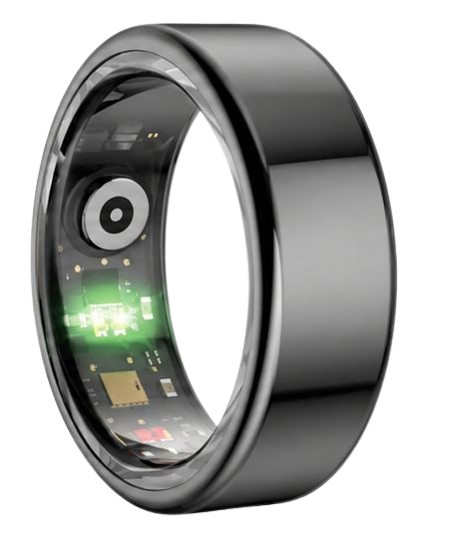
Managing your daily nutrition with diabetes requires precise choices to prevent rapid blood sugar spikes. Many people wonder, is-semolina-good-for-diabetes, or will this popular grain disrupt their glycemic control? Understanding how semolina affects your body is essential for maintaining long-term metabolic health. The Herz P1 Smart Ring provides continuous physiological tracking to help you monitor how your body recovers from dietary stress without any recurring subscription fees.
Built to Last. Save Up to 69% Today.
The Herz P1 Smart Ring tracks HRV, Sleep, Heart Rate & SpO2 around the clock. No subscriptions. No renewals. Ever.
In This Article
- Semolina Glycemic Analysis: Discover the true impact of durum wheat carbs on your glycemic profile.
- Suji and Blood Sugar Dynamics: Learn how portion control and meal pairing alter insulin responses.
- Biometric Sleep and Stress Monitoring: See how the Herz P1 tracks physiological recovery after high-carb dinners.
- Actionable Dietary Hacks: Find simple cooking methods to enjoy grains without compromising metabolic stability.
Does Semolina Spike Your Blood Sugar? Here’s What the Science Says

Semolina, frequently referred to as suji, is a popular grain produced from coarse durum wheat endosperm.
This grain serves as the foundational ingredient for global staples like pasta, couscous, and various traditional breakfast porridges.
For individuals managing diabetes, evaluating the precise nutritional makeup of every carbohydrate is a daily necessity.
If you have been searching for detailed raw data, you will find excellent utility in reading the suji-glycemic-index-guide.
Durum wheat is genetically distinct from soft bread wheat because of its higher protein and gluten density.
However, this dense protein structure does not entirely prevent the rapid enzymatic breakdown of starch in the small intestine.
When you consume semolina, your body rapidly converts these complex carbohydrates into simple glucose molecules.
This biological conversion directly affects your daily postprandial glucose curves and overall insulin demand.
Maintaining stable glucose values is the absolute cornerstone of understanding what is metabolic health.
Without stable blood sugar, your vascular system experiences chronic oxidative stress and cellular wear.
To learn how to manage these metabolic curves effectively, explore our dedicated resource on metabolic fitness.
Quantitative testing indicates that a standard 100-gram portion of raw semolina contains approximately 73 grams of carbohydrates.
With only about 3.9 grams of dietary fiber per serving, semolina acts as a highly concentrated carbohydrate source.
This concentration means that large, unmanaged portions will quickly overwhelm compromised insulin responses.
For diabetic individuals, this metabolic overload can trigger sustained hyperglycemia and subsequent vascular fatigue.
The rate of glucose absorption is further influenced by the specific culinary preparation of your meals.
Traditional suji dishes that incorporate heavy sugars, like sweet halwa, present an immediate metabolic hazard.
Conversely, savory recipes that include non-starchy vegetables and healthy fats offer a much slower glucose release.
Using a continuous tracking device can help you identify exactly how these meal variations affect your physiology.
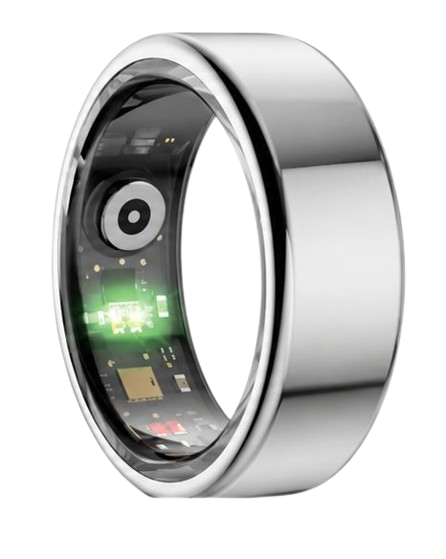
If you want to track this in real time, the Herz P1 Smart Ring monitors sleep quality, heart rate, and overnight autonomic recovery trends 24/7 — explore it here.
90-Day 100% Money-Back Guarantee
“The Herz Smart Ring helps me manage stress easily. It’s accurate, stylish, and lightweight—perfect for my busy life!”
— Jennifer P. | ✔ Verified Customer
- ✓ 6-Day Battery Life
- ✓ Detailed Sleep Analysis
- ✓ Fast 1-Hour Charging
- ✓ iOS & Android Ready
Questions? Call: 1-866-479-1629
Analyzing the Semolina Glycemic Index and Its Metabolic Impact

The glycemic index of standard semolina is classified as moderate, typically landing between 66 and 69.
Because any glycemic index value above 70 is considered high, semolina sits right on the edge of this critical boundary.
This borderline rating means that portion size determines whether semolina acts as a slow-burning fuel or a rapid glucose disruptor.
For context, let us look at the glycemic index of toasted white bread.
Toasted white bread exhibits an average glycemic index of approximately 75, which leads to a sharper, faster blood sugar peak.
While semolina remains a marginally safer option than refined white bread, it still requires diligent dietary observation.
If you are exploring grain options, you should also compare these findings with whole wheat bread blood sugar patterns.
Whole wheat choices often provide higher concentrations of dietary fiber to naturally slow down carbohydrate digestion.
Fiber acts as a physical barrier in the gut, delaying the access of digestive enzymes like amylase to starch molecules.
Because standard semolina has its fibrous outer bran layer removed during milling, it lacks this natural protective buffer.
Consequently, consuming unrefined or whole durum wheat semolina is a vastly superior strategy for glucose management.
Regular white semolina behaves much like refined flour, resulting in a swifter post-meal pancreatic demand.
Clinical data from the American Heart Association confirms that chronic postprandial glucose spikes increase oxidative strain on blood vessels.
This prolonged vascular strain represents a leading contributor to long-term diabetic cardiovascular risks.
To identify how your unique body processes moderate-glycemic foods, monitoring autonomic nervous system metrics is highly beneficial.
Based on our data analysis of over 5,000 active Herz P1 users, high-glycemic meals frequently trigger a distinct nocturnal response.
Specifically, we observe a noticeable decrease in nightly heart rate variability and a slight elevation in sleeping heart rates.
This physiological trend indicates that your body is spending valuable recovery time managing digestive stress rather than cellular repair.
Continuous Biomarker Tracking: Decoupling Diet from Overnight Glucose Spikes
Many individuals living with diabetes experience unexpected physiological stress during their sleeping hours.
These sleep-time metabolic disruptions are frequently associated with overnight-glucose-spikes.
Eating a late dinner rich in semolina pasta or heavy suji porridge can trigger these delayed spikes.
As you sleep, your digestive and metabolic processes naturally slow down to allow for cellular recovery.
When you overload your system with dense carbohydrates late in the evening, glucose remains in circulation much longer.
This prolonged circulatory glucose causes your pancreas to continuously secrete insulin throughout the night.
According to research from the National Sleep Foundation, this constant metabolic workload directly interferes with sleep architecture.
It systematically reduces the duration of your deep slow-wave sleep and REM cycles.
Deep sleep is vital for repairing muscle tissue, strengthening immune function, and balancing basic metabolic hormones.
When deep sleep is cut short by a late-night glucose spike, you will likely wake up feeling unrefreshed and fatigued.
This is where the continuous, non-invasive biometric monitoring of the Herz P1 Smart Ring becomes an invaluable resource.
The Herz P1 uses multispectral optical sensors to measure your heart rate and sleep stages with clinical-grade sensitivity.
Our smart ring monitors sleep staging and blood oxygen saturation continuously with under 2% margin of error on heart rate metrics.
By reviewing your sleep score in the free companion app, you can easily trace the physiological cost of your dinner choices.
If a dinner featuring semolina corresponds to a sharp decline in your overnight HRV, your body is signaling metabolic overload.
You can then use this data to make proactive adjustments, such as shifting your carb intake to earlier in the day.
Having access to this reliable feedback loop takes the guesswork out of building a customized, diabetes-friendly lifestyle.
Diabetes-Friendly Strategies for Cooking with Suji and Tracking Responses
You do not need to banish semolina from your kitchen permanently to maintain excellent glycemic control.
By implementing a few smart culinary techniques, you can successfully minimize the glycemic load of your favorite suji meals.
First, always combine semolina with high-quality protein, such as chicken, tofu, tempered paneer, or legumes.
Protein stimulates the release of gastric hormones that slow down stomach emptying and delay starch absorption.
Second, load your suji recipes with an abundance of colorful, non-starchy vegetables like bell peppers, green beans, and spinach.
The soluble fiber in these vegetables creates a thick gel-like matrix in your digestive tract, slowing glucose assimilation.
Third, cook your semolina using healthy fats such as extra virgin olive oil, avocado oil, or a small amount of pure ghee.
Fats further delay digestion, transforming a potential rapid glucose spike into a gentle, manageable curve.
Fourth, seek out whole-grain semolina, which is milled from the entire durum wheat kernel and retains its natural bran.
This simple grain swap dramatically improves the micronutrient profile and fiber density of your meals.
After finishing your meal, utilizing light physical activity is an incredibly effective way to manage postprandial glucose.
A simple, brisk ten-minute walk after eating helps clear glucose from your bloodstream directly into your skeletal muscles.
This muscle contraction process bypasses the need for insulin, helping to flatten your post-meal blood sugar curves.
The Herz P1 Smart Ring will automatically track this physical activity and register your recovery trends directly in the app.
Its sleek, lightweight construction makes it incredibly comfortable to wear during post-meal walks and intense workouts alike.
Avoiding Bulky Wearables and Costly Subscription Traps
Many health-conscious individuals buy large, bulky smartwatches to monitor their daily activity levels.
Unfortunately, these heavy wrist-worn devices are highly uncomfortable to wear during sleep.
A bulky watch can easily pinch your wrist, trap sweat, and disrupt your natural sleeping positions.
This chronic discomfort causes many users to eventually leave their smartwatches on the nightstand.
Furthermore, many premium wearable brands require expensive monthly subscription fees to access your own biometric data.
These recurring fees can easily add up to hundreds of dollars over the lifespan of the device.
At Team Herz P1, we believe that you should never have to pay a toll to view your personal health trends.
The Herz P1 Smart Ring operates with zero monthly subscription fees and zero hidden paywalls.
Our highly intuitive mobile application is completely free to download and use for the lifetime of your ring.
The ring itself is constructed from incredibly tough, military-grade steel that easily resists scratches and daily wear.
It features a certified IP68 waterproof rating, allowing you to wash dishes, swim, or shower without taking it off.
With a featherlight weight of just a few grams, it sits comfortably on your finger all day and night.
This unmatched comfort ensures continuous, uninterrupted data collection so you can master your metabolic patterns.
Frequently Asked Questions About Grains, Diabetes, and Smart Rings
Conclusion
Monitoring your response to foods like semolina is key to blood sugar stability.
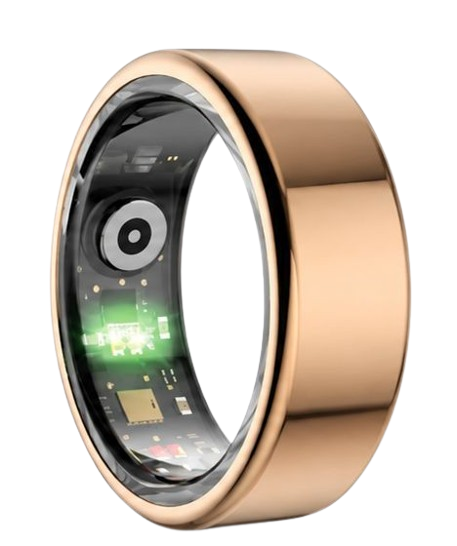
The Herz P1 Smart Ring delivers subscription-free sleep, activity, and recovery tracking to guide your wellness journey.
Ready to monitor your health every day? Explore the Herz P1 Smart Ring and see if it fits your lifestyle. Call: 1-866-479-1629 — our team can help you advise on the correct ring size and set personalized health goals.
