

Many coffee lovers ask themselves daily if their favorite chocolate-espresso beverage is helping or hurting their wellness journey. Determining if Herz P1 smart wearable metrics align with your liquid treats requires looking deeply at the scientific data. In this comprehensive guide, we analyze the biological impacts of sweet coffee drinks to answer the primary question: is mocha good for you?
Built to Last. Save Up to 69% Today.
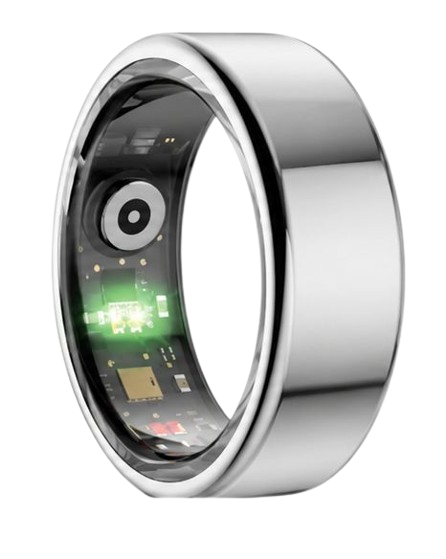
The Herz P1 Smart Ring tracks HRV, Sleep, Heart Rate & SpO2 around the clock. No subscriptions. No renewals. Ever.
In This Article
- The Mocha Breakdown: Discover the chemical profile of traditional espresso, milk, and chocolate syrup combinations.
- Sugar and Metabolic Function: Learn how sweetened beverages directly alter insulin responses and daily metabolic fitness.
- Autonomic Balance & Stress: Understand how caffeine paired with refined sugar modifies your Heart Rate Variability (HRV) metrics.
- Sleep Stage Interruption: Analyze how late-afternoon mochas degrade restorative slow-wave and REM sleep architecture.
- Healthy Recipe Adaptations: Access clean, low-glycemic home alternatives that protect your metabolic health.
Is Mocha Good for You? The Scientific Truth About Your Chocolate Coffee

To properly evaluate this sweet drink, we must look closely at its physical components.
What defines a traditional mocha is a precise blend of roasted espresso, steamed dairy milk, and heavily sweetened chocolate syrup.
Who should pay close attention to this drink are busy professionals, weight-conscious adults, and health trackers attempting to optimize their physical recovery.
When you consume this beverage matters immensely because drinking high-sugar items during afternoon slumps can cause rapid energy crashes.
Where this drink acts in your body is primarily within the digestive tract, liver, and cardiovascular system.
Why the drink raises biological concerns is due to the industrial processing of chocolate syrup, which contains high concentrations of fructose.
How the human body processes this drink involves a dual stress mechanism where caffeine stimulates stress hormones while sugar forces insulin up.
How much you drink is the final deciding factor in whether a mocha supports or damages your long-term fitness goals.
A standard 16-ounce coffeehouse mocha typically delivers 360 to 400 calories.
This single serving also introduces approximately 35 to 45 grams of processed sugars directly into your system.
For a comprehensive overview of sweetened espresso habits, consult the is-mocha-good-for-you-guide to understand everyday habits.
Additionally, reviewing the clinical is-mocha-good-for-you-details will illuminate how your autonomic nervous system reacts.
Many consumers drink these beverages daily without realizing the chronic burden they place on their pancreatic insulin reserves.
This regular overload can lead to cellular insulin resistance and gradually slow down your baseline physical energy conversion.
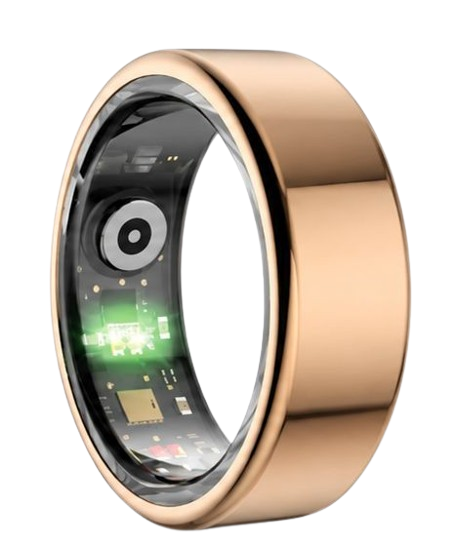
If you want to track this in real time, the Herz P1 Smart Ring monitors your physical recovery and stress response 24/7 — explore it here.
90-Day 100% Money-Back Guarantee
“The Herz Smart Ring helps me manage stress easily. It’s accurate, stylish, and lightweight—perfect for my busy life!”
— Jennifer P. | ✔ Verified Customer
- ✓ 6-Day Battery Life
- ✓ Detailed Sleep Analysis
- ✓ Fast 1-Hour Charging
- ✓ iOS & Android Ready
Questions? Call: 1-866-479-1629
The Physiology of Sweetened Caffeine — Sugar Spikes, HRV, and Stress

When you swallow a rich mocha, your digestive system initiates a rapid sequence of events.
The liquid sucrose quickly splits into basic molecules of glucose and fructose within your small intestine.
Glucose absorbs directly into the bloodstream, triggering your pancreas to release a large surge of insulin.
This process is central to how we define sugar and metabolism inside our bodies.
At the same time, the concentrated caffeine from the espresso enters your central nervous system.
This stimulant blocks adenosine receptors, preventing your brain from recognizing its true level of tiredness.
This combination forces your sympathetic nervous system into a state of heightened, artificial alert.
Your adrenal glands respond by pumping cortisol and epinephrine into your circulatory system.
This hormonal surge raises your resting heart rate and temporarily constricts your peripheral blood vessels.
These internal changes directly influence your overall what is metabolic health markers.
The American Heart Association advises that adult women limit added sugars to under 25 grams per day.
They also advise that adult men limit their daily added sugar intake to under 36 grams.
A single typical chocolate-infused coffee drink completely exceeds these clinical safety limits in minutes.
The rapid sugar spike is almost always followed by a sharp drop in blood glucose two hours later.
This rebound hypoglycemia causes feelings of brain fog, physical fatigue, and intense cravings for more carbohydrates.
These physical energy swings show exactly how chronic consumption can damage your baseline metabolic systems.
Understanding this complex relationship helps you make better-informed decisions about what you drink every morning.
Sleep Architecture and Late-Day Mochas — What Your Ring Detects

Consuming caffeine and sugar in the second half of your day severely impacts your sleep stages.
The National Sleep Foundation warns that caffeine has a chemical half-life of roughly five to seven hours.
This means a mocha drunk at 3:00 PM still circulates in your blood at 10:00 PM.
Your brain cannot transition smoothly into deep slow-wave sleep when active stimulants are present.
Furthermore, late sugar spikes disrupt your body’s natural nocturnal insulin patterns.
As your blood glucose crashes during the night, your brain initiates a stress rescue response.
This chemical rescue triggers a surge of cortisol, causing silent micro-arousals that you do not consciously remember.
These micro-arousals fragment your sleep architecture and shorten your deep, restorative sleep cycles.
Deep sleep is when physical tissues repair and growth hormones are released.
Without adequate deep sleep, your body remains in a chronic state of physiological exhaustion.
This lack of recovery prevents your muscles from recovering from daily physical exercise.
Additionally, these frequent stress interruptions shorten your crucial rapid eye movement (REM) cycles.
REM sleep is highly necessary for cognitive synthesis, emotional balance, and memory processing.
A lack of REM sleep often results in emotional irritability and poor focus the following day.
Monitoring these delicate neurological states is essential for maintaining your daily metabolic fitness levels.
The Herz P1 Smart Ring uses clinical-grade optical sensors to track your REM and deep sleep stages every single night.
Healthy Mocha Recipes and Low-Sugar Coffee Alternatives
Many coffee lovers want to know: is mocha healthy in any form?
The answer depends entirely on the specific ingredients and sweetening agents used in your recipe.
We can look at the mocha coffee glycemic index to understand its impact on blood sugar.
Standard coffeehouse mochas carry a high Glycemic Index (GI) score of roughly 65 to 70.
This high score explains why a commercial drink does mocha spike blood sugar levels so intensely after consumption.
Fortunately, you can easily prepare a highly nutritious, low-glycemic healthy mocha recipe at home.
| Coffee Beverage Type | Glycemic Index (GI) | Primary Metabolic Impact |
|---|---|---|
| Commercial Cafe Mocha | High (68) | Spikes blood glucose, triggers heavy insulin release, and promotes fat storage. |
| Organic Home-Made Mocha | Low (22) | Provides slow, stable glucose release and sustained baseline energy levels. |
| Chicory Cacao Alternative | Very Low (12) | Zero glycemic spikes, supports gut microbiome, and avoids nervous system stimulation. |
To make a healthy alternative, begin with eight ounces of organic, freshly brewed light-roast coffee.
Next, add one tablespoon of raw, unsweetened organic cacao powder to your warm cup.
Raw cacao contains high amounts of dark chocolate flavonoids, which support healthy blood pressure and vascular endothelial function.
For creamy texture, pour in four ounces of unsweetened almond milk or organic coconut milk.
These plant-based milks provide healthy essential fatty acids with almost zero natural sugars.
To add sweetness without raising blood sugar, mix in three to five drops of organic liquid stevia or monk fruit extract.
These natural, zero-calorie sweeteners do not trigger an insulin release in your pancreas.
Stir the ingredients thoroughly or blend them for thirty seconds until a rich foam forms.
This delicious drink satisfies chocolate cravings while keeping your blood sugar stable.
Drinking this home-made version allows you to enjoy rich cocoa flavors without the metabolic consequences of coffeehouse syrups.
Tracking Your Metabolic and Stress Response with the Herz P1 Smart Ring
Monitoring how your body responds to daily habits is the key to achieving long-term wellness.
The Herz P1 Smart Ring lets you see exactly how food and drinks affect your cardiovascular system.
By measuring heart rate variability (HRV), the smart ring tracks your autonomic nervous system balance.
A sudden drop in your personal HRV score indicates your nervous system is dealing with extra physical stress.
You will often notice a significant drop in your night-time HRV after consuming high-sugar foods late in the afternoon.
The Herz P1 companion app presents this complex health data in clean, easy-to-read charts.
Additionally, the ring monitors your blood oxygen saturation (SpO2) levels continuously as you sleep.
Keeping your SpO2 stable is essential for smooth cell recovery and waking up feeling fully refreshed.
The lightweight ring is made from military-grade steel and fits comfortably on your finger 24/7.
This round-the-clock comfort makes it much easier to use than heavy, thick smartwatches.
With a long-lasting 6-day battery, you do not have to worry about charging it every single night.
This continuous data collection ensures there are no gaps in your health tracking logs.
Using this accurate data helps you adjust your daily coffee choices to better support your biological needs.
Overcoming Wearable Pitfalls — Ditch Bulky Watches for Seamless Health Tracking
Many health-conscious individuals buy smartwatches but quickly stop wearing them regularly.
Smartwatches are often too bulky, heavy, and uncomfortable to wear while sleeping.
They also require frequent charging, which leads to frustrating gaps in your sleep tracking records.
Furthermore, several popular wellness brands require expensive monthly app subscriptions just to view your health data.
The Herz P1 Smart Ring offers a simple, high-performance solution to these common tracking problems.
It contains no monthly fees, giving you full, lifetime access to the health companion app.
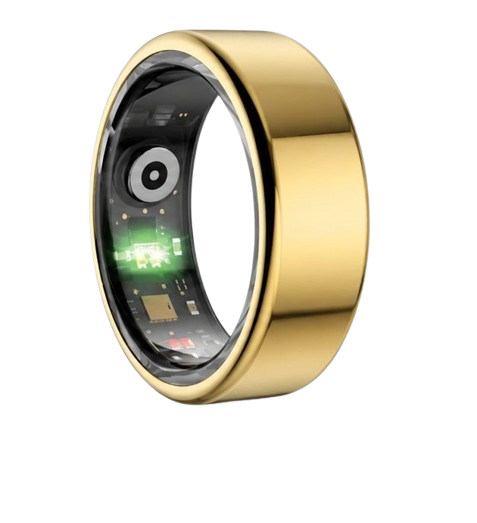
The ring features a robust, military-grade steel exterior designed to withstand daily wear and tear.
This durable metal outer shell is paired with an IP68 waterproof rating for complete moisture protection.
You can safely wear the ring while washing hands, swimming, or taking a shower.
Your purchase also includes an industry-leading 2-year warranty and a 90-day money-back guarantee.
These strong protections demonstrate our absolute commitment to quality and customer trust.
Choosing the Herz P1 lets you focus on improving your health without dealing with bulky devices or hidden fees.
Frequently Asked Questions (FAQ)
Is the Herz P1 waterproof?
Yes, the Herz P1 is fully certified with a premium IP68 waterproof rating.
This rating ensures the ring is completely protected against water submersion down to 164 feet.
You can comfortably wear it while swimming laps, washing dishes, showering, or relaxing in a hot sauna.
How long does the battery last?
The advanced lithium battery inside the Herz P1 provides up to 6 full days of continuous tracking.
The smart ring charges quickly, reaching a full charge in under one hour.
This rapid charging makes it easy to keep tracking your health with almost no interruption.
Which finger is best to wear it on?
The Herz P1 is optimized for the index, middle, or ring finger of either hand.
We recommend placing it on your non-dominant hand to minimize minor surface scratches from daily activities.
Choosing a finger where the ring fits snugly but comfortably ensures the sensors remain in close contact with your skin.
Does it store data offline?
Yes, the Herz P1 features a built-in memory chip that saves up to 7 days of health data offline.
The ring will automatically sync your saved metrics to the app the next time your phone connects via Bluetooth.
This offline storage lets you track your sleep or workouts without needing to keep your smartphone nearby.
Conclusion
Monitoring your daily biometric data helps you make smarter choices to improve your overall physical health. The subscription-free Herz P1 Smart Ring tracks sleep, HRV, and stress levels continuously to support your wellness goals. Ready to monitor your health every day? Explore the Herz P1 Smart Ring and see if it fits your lifestyle. Call: 1-866-479-1629 — our team can help you advise on the correct ring size and set personalized health goals.
Note: Individual results may vary depending on individual health conditions, age, and lifestyle habits. This article is intended for general health reference purposes only.
